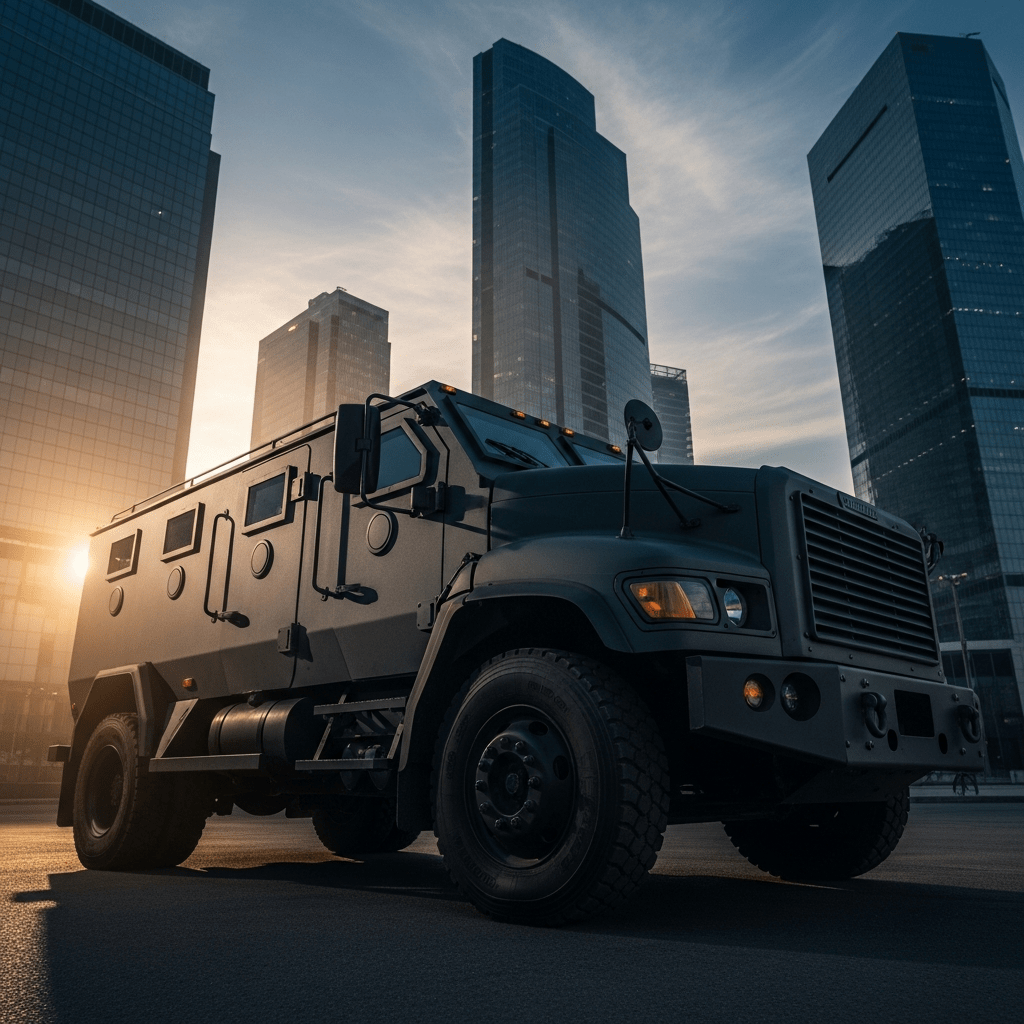
Armored Truck
An armored truck is a specialized vehicle fortified with heavy armor and security features to safely transport valuable cargo such as cash, precious metals, and sensitive documents.
An armored truck is a specialized vehicle fortified with heavy armor and security features to safely transport valuable cargo such as cash, precious metals, and sensitive documents.
The armored truck concept emerged in the early 20th century, with commercial production beginning in the 1920s to meet the growing need for secure cash transport. Initially developed to protect valuables from theft and robbery, these vehicles have evolved alongside advances in materials and security technology. Today, manufacturers like Brink’s, GardaWorld, and Loomis, as well as vehicle upfitters modifying chassis from Ford, Mercedes-Benz, and International, continue to refine armored trucks to meet modern security demands.
Armored trucks belong to the broader category of specialized trucks designed for secure cargo transport. They are typically classified under medium- to heavy-duty commercial vehicle classes, such as FMCSA Classes 6 through 8 in the United States and N2 or N3 categories in the European Union. These classifications reflect their weight, size, and intended secure transport function within the commercial vehicle taxonomy.
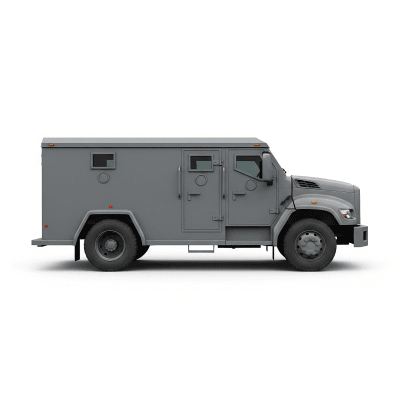
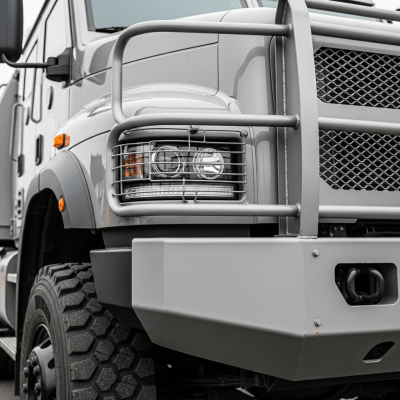
Armored trucks are robust vehicles built on medium- or heavy-duty truck chassis, usually featuring an enclosed box cargo area reinforced with steel or composite armor rated between UL 752 Levels 3 and 8. Their exterior often appears bulky and solid, with bullet-resistant glass windows and secure locking mechanisms. Dimensions typically range from 5.5 to 8 meters in length, 2.2 to 2.6 meters in width, and 2.5 to 3.2 meters in height. The cab usually accommodates two to three occupants, separated from the isolated cargo compartment for added security.
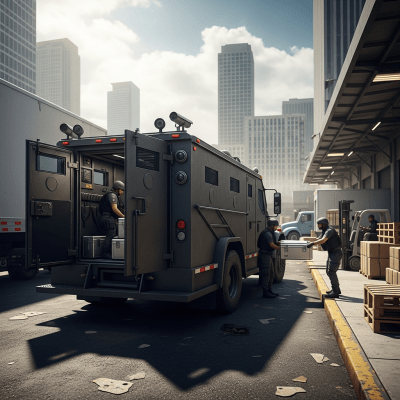
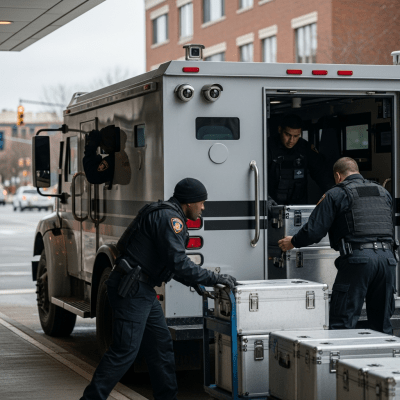
Armored trucks serve the critical function of securely transporting high-value assets such as cash, jewelry, precious metals, and confidential documents. They are widely used by banks, retail businesses, logistics companies, government agencies, and law enforcement worldwide. Equipped with GPS tracking, internal surveillance, and reinforced security features, these trucks operate under strict protocols to minimize risk during transit. Some variants also support emergency response, prisoner transport, or military logistics, though these uses may fall under different classifications.
Bring this kind into your world illustrated posters, mugs, and shirts.
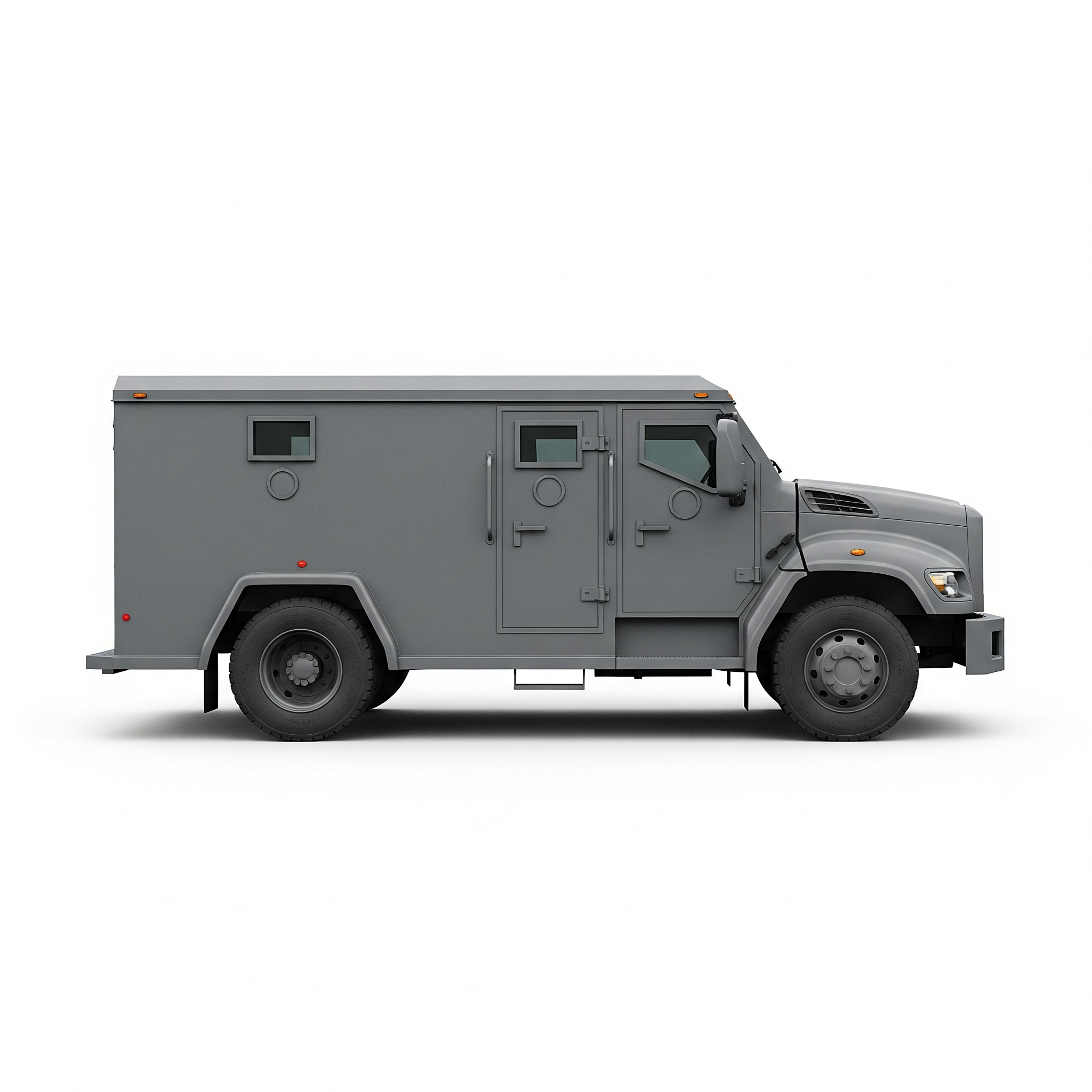
Archival print, museum-grade paper
Buy Poster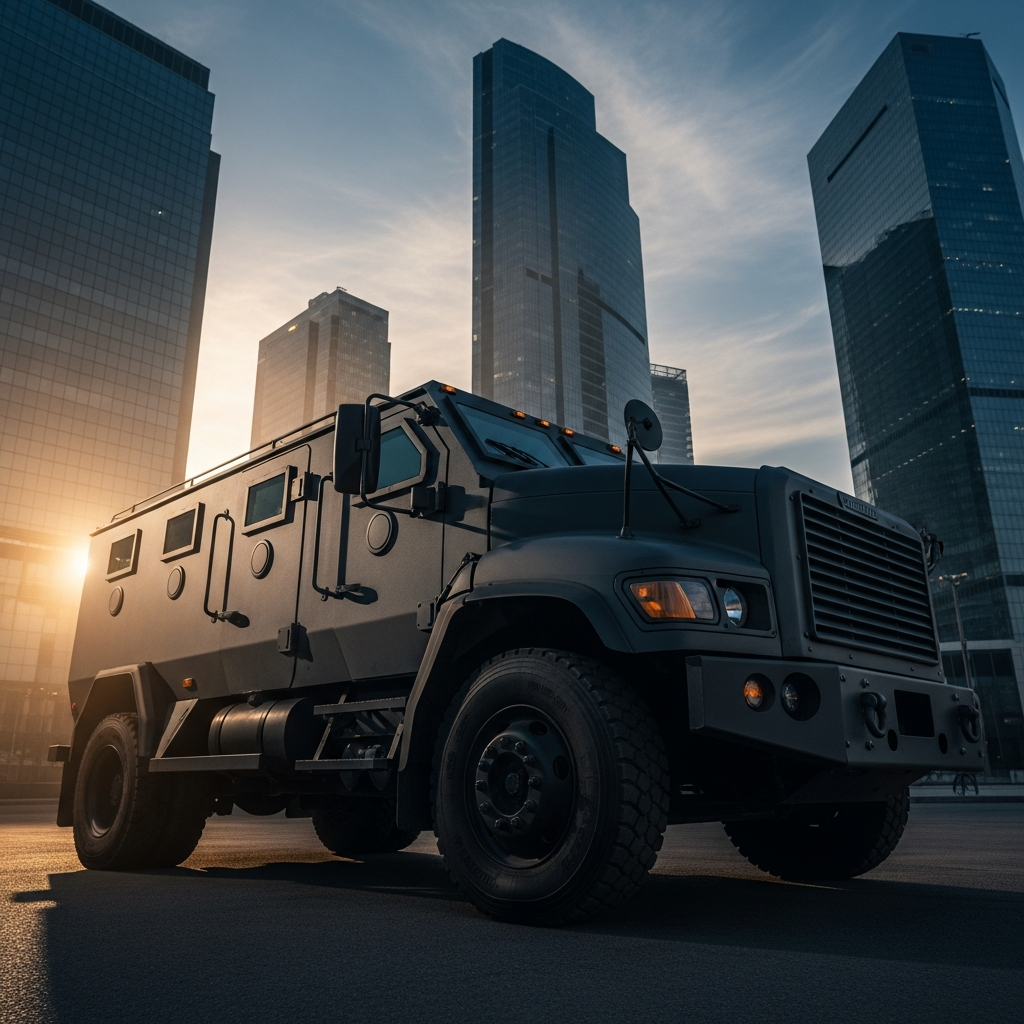
Stoneware mug, dishwasher safe
Buy Mug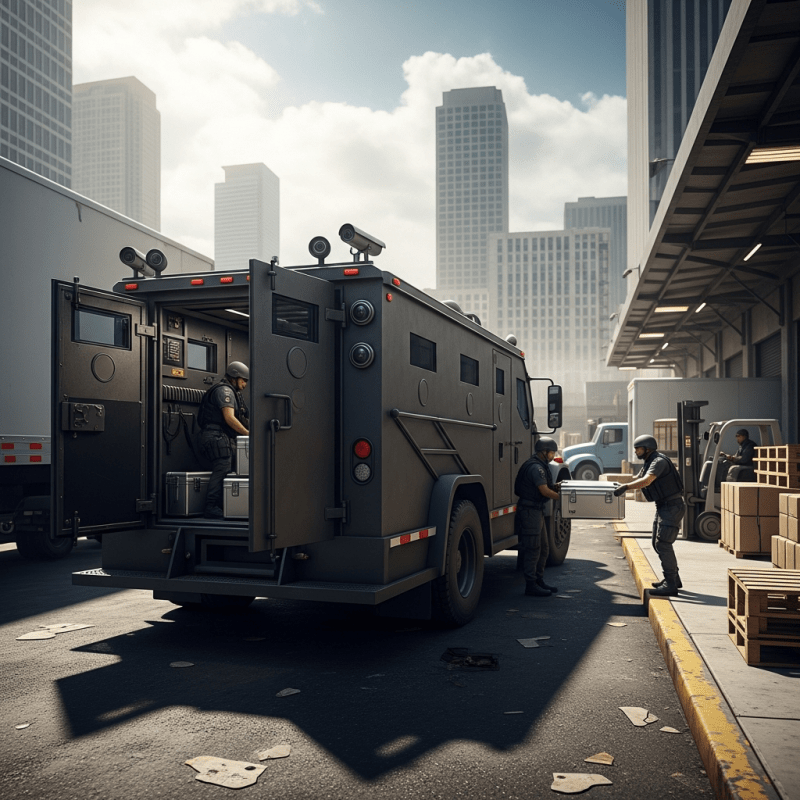
Soft cotton tee, unisex sizes
Buy ShirtArmored trucks have become iconic symbols of security and wealth protection, frequently depicted in films, television, and popular media as targets for heists or as bastions of financial safety. Their imposing presence evokes notions of trust, authority, and the high stakes involved in safeguarding valuables. In some regions, the term "armoured van" or "armoured lorry" reflects local vernacular, highlighting their embeddedness in cultural and linguistic contexts.
⚙️ Armored trucks are built on medium- to heavy-duty chassis with curb weights ranging from approximately 4,500 to 13,000 kilograms. Their payload capacity typically spans 1,000 to 4,000 kilograms. Dimensions vary from 5.5 to 8 meters in length, 2.2 to 2.6 meters in width, and 2.5 to 3.2 meters in height. Engines are predominantly diesel, such as 6.7-liter V8s, with some gasoline and emerging electric options. Most models feature two axles and accommodate two- or three-person cabs. Cargo compartments are enclosed and fortified with UL 752 Level 3–8 armor, bullet-resistant glass, GPS tracking, secure locks, and internal surveillance systems.
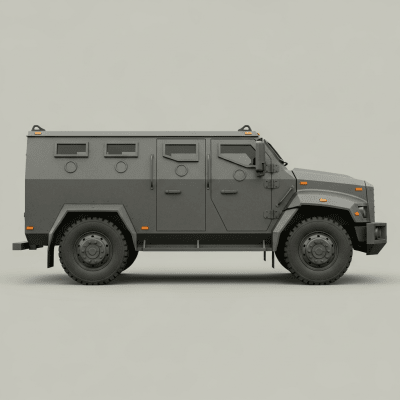
🚚 Common armored truck models are often based on popular medium- and heavy-duty platforms including the Ford F-Series Super Duty, Mercedes-Benz Sprinter, and International MV Series. Specialized companies like Brink’s, GardaWorld, and Loomis outfit these chassis with custom armor and security systems tailored to client needs and regional regulations.
🛠️ Maintaining an armored truck requires regular inspection of both standard vehicle systems and specialized security components. Routine mechanical upkeep includes engine, brakes, and suspension servicing, while armor integrity, bullet-resistant glass, locking mechanisms, and surveillance equipment must be checked for damage or wear. Given their heavy weight and reinforced structure, these trucks often require specialized repair facilities and trained technicians familiar with armored vehicle systems.
🌿 Armored trucks, due to their heavy weight and powerful engines, tend to consume more fuel and produce higher emissions than standard trucks. However, emerging electric armored truck models promise reduced environmental footprints. The security sector is gradually exploring sustainable technologies to balance operational demands with ecological responsibility.