Crew Cab Pickup Truck
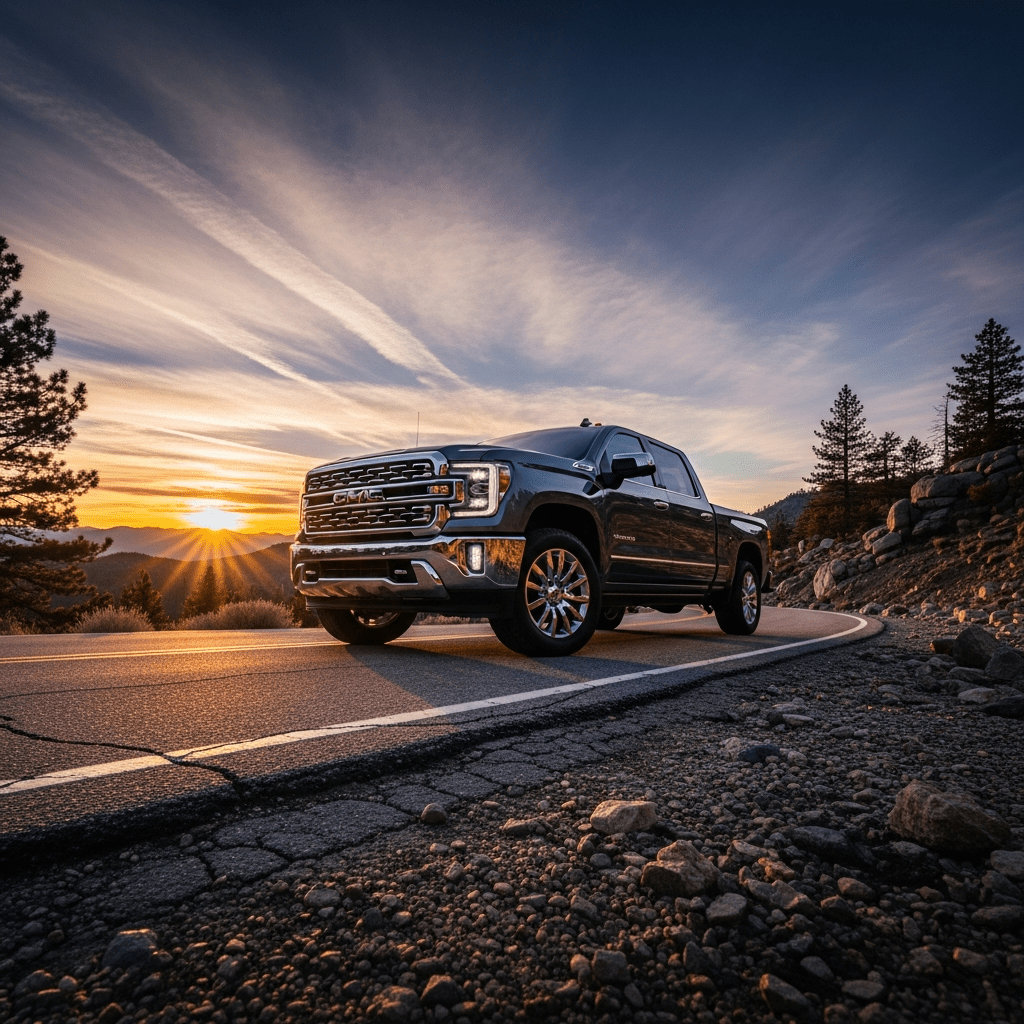
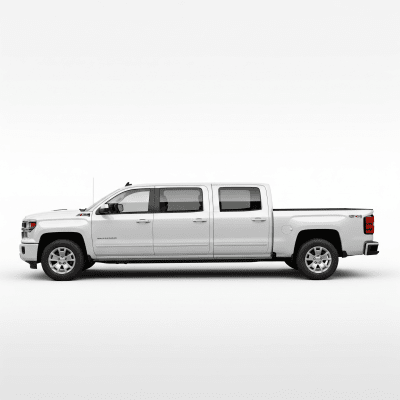
The crew cab pickup truck is a versatile pickup variant featuring four full-size doors and two complete rows of seating, designed to carry multiple passengers alongside cargo.
The crew cab pickup truck is a versatile pickup variant featuring four full-size doors and two complete rows of seating, designed to carry multiple passengers alongside cargo.
The crew cab pickup truck configuration emerged in the mid-20th century, with early examples like the Ford F-Series Crew Cab introduced in 1965 and Chevrolet C/K Crew Cab in the 1970s. Developed by major manufacturers such as Ford, General Motors, Ram (Stellantis), Toyota, and Nissan, this design evolved to meet growing demand for vehicles combining passenger comfort with cargo utility.
Classified within the broader pickup truck family, crew cab pickups fall under light-duty and medium-duty truck categories according to regulatory standards like US DOT, FMCSA, SAE J1100, and EU N1/N2 classes. They are distinguished from extended cabs by their full four-door, full-size rear seating layout.
Crew cab pickups present a commanding presence with a four-door cab accommodating five to six passengers comfortably. Their dimensions typically range from 5.3 to 6.7 meters in length, 1.9 to 2.1 meters in width, and 1.8 to 2.0 meters in height. The cargo bed, usually an open type, spans 1.5 to 2.4 meters, balancing passenger space with hauling capacity.
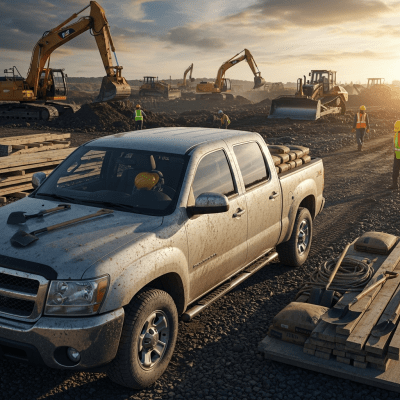
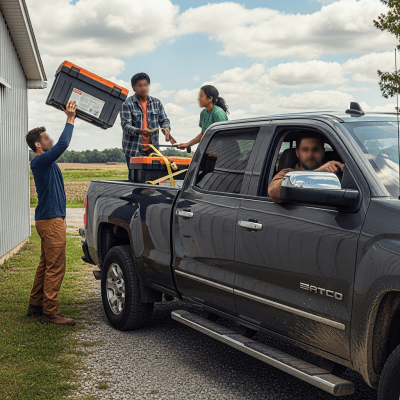
Designed for dual utility, crew cab pickups transport both cargo and multiple passengers, making them ideal for personal, commercial, and fleet use. They serve diverse roles including construction, utility work, emergency services, agriculture, and family transport. Drivetrains commonly include 4x2, 4x4, and dually configurations to suit various terrains and payload demands.
Bring this kind into your world illustrated posters, mugs, and shirts.
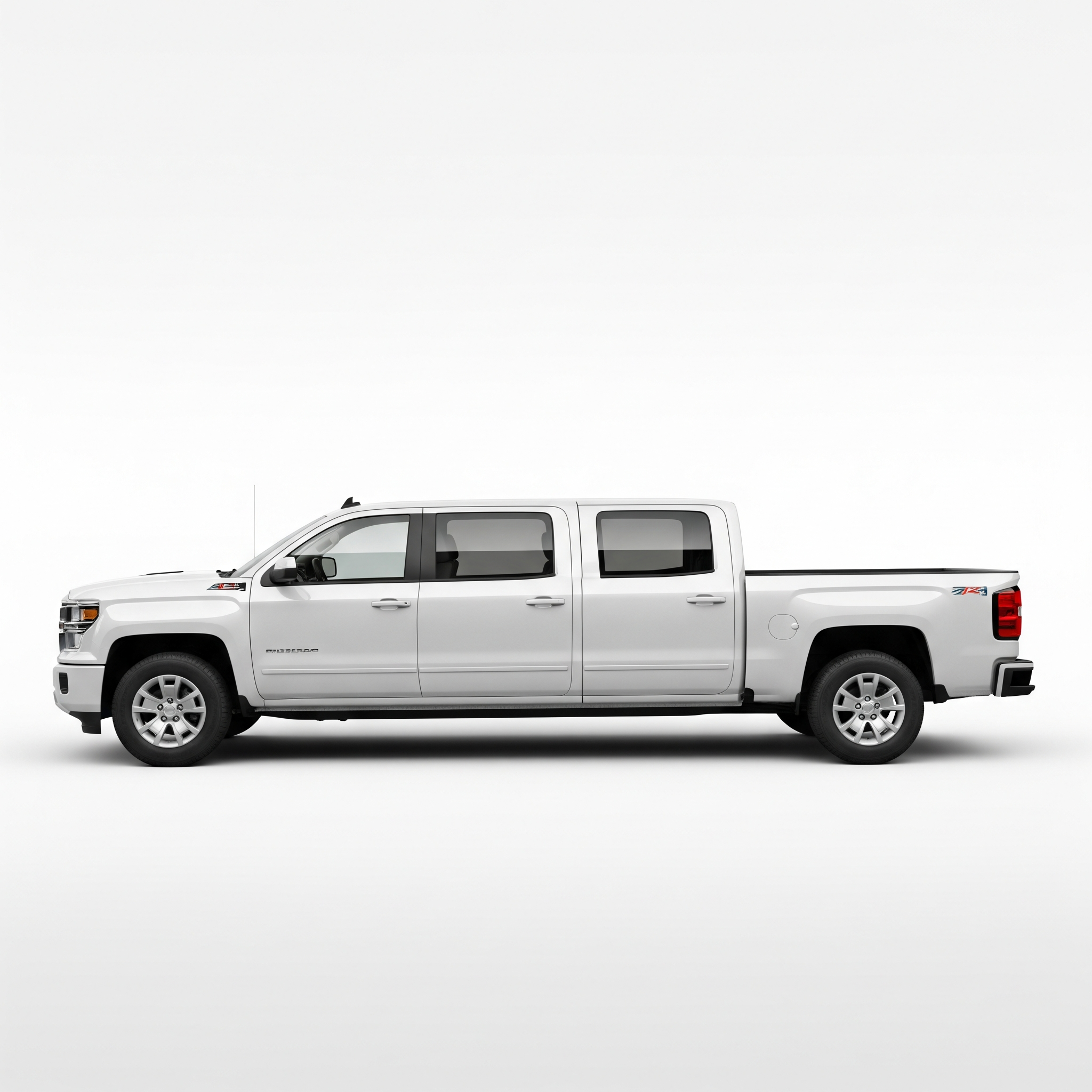
Archival print, museum-grade paper
Buy Poster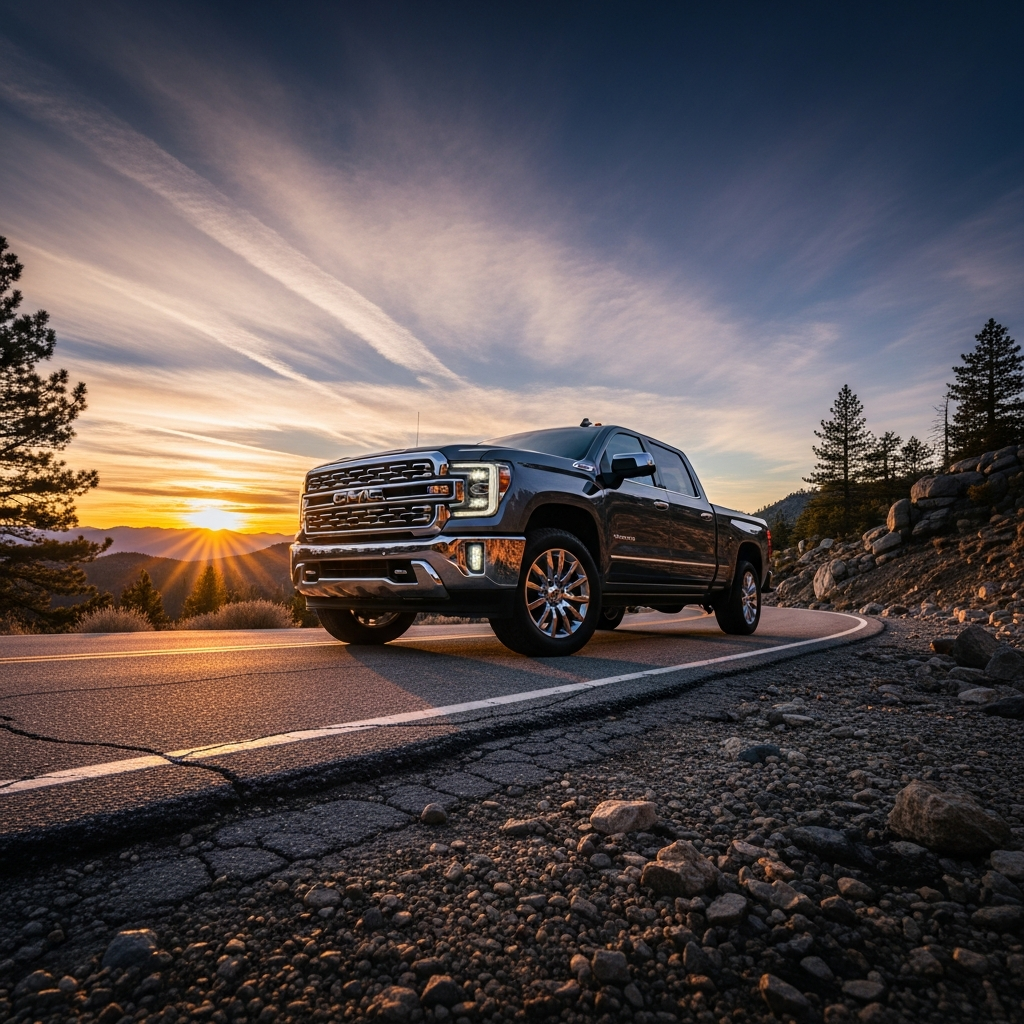
Stoneware mug, dishwasher safe
Buy Mug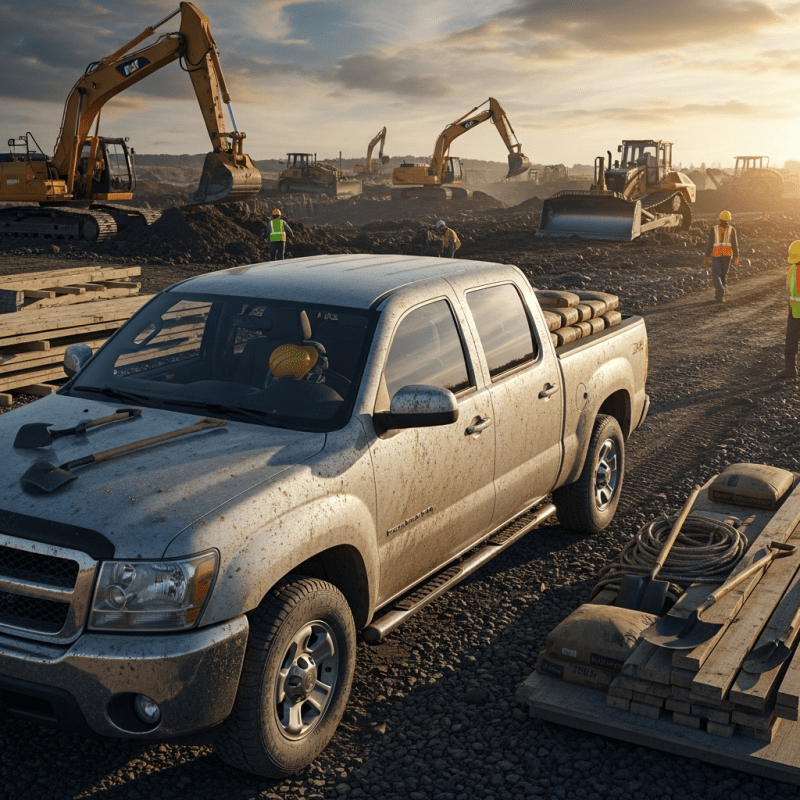
Soft cotton tee, unisex sizes
Buy ShirtCrew cab pickups have become cultural icons of rugged versatility, especially in North America and Australia, where they symbolize a blend of work readiness and family practicality. Known by various regional names—such as 'dual cab ute' in Australia and 'double cab' in Europe—they feature prominently in media, advertising, and lifestyle imagery celebrating outdoor and labor-intensive pursuits.
⚙️ Technical Specifications:
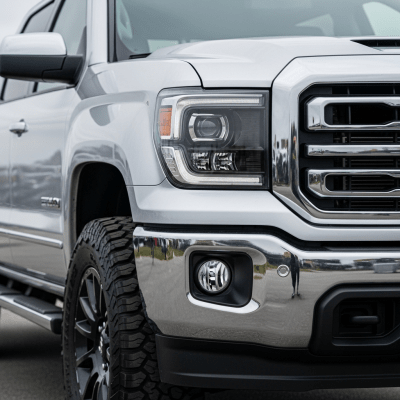
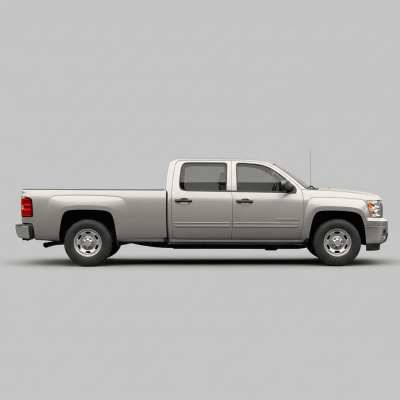
Popular crew cab pickup models include Ford's F-Series SuperCrew, Chevrolet and GMC's Crew Cab variants within the Silverado and Sierra lines, Ram's Quad Cab and Crew Cab trucks, Toyota's CrewMax Tundra, and Nissan's Titan Crew Cab. These models have shaped the market with their blend of capability and passenger comfort.
Maintaining a crew cab pickup involves regular engine servicing, tire rotation, brake inspections, and drivetrain checks, especially for 4x4 and dually configurations. Attention to cargo bed condition and cabin upkeep ensures longevity. Due to their dual-use nature, balancing maintenance between passenger comfort systems and heavy-duty components is essential.
Crew cab pickups traditionally consume more fuel than smaller vehicles due to their size and payload capacity, contributing to higher emissions. However, advances in hybrid and electric powertrains are reducing their environmental footprint. Regulatory classifications and evolving emission standards encourage manufacturers to improve efficiency and sustainability in this segment.