
Panel Truck
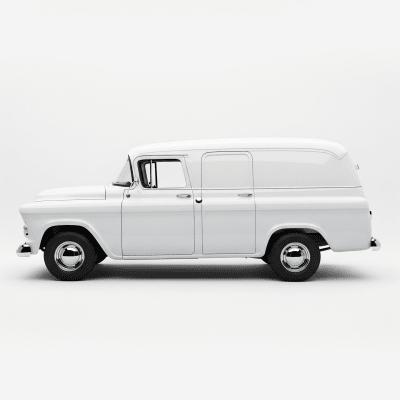
A panel truck is a light-duty truck featuring a fully enclosed cargo area without rear side windows, designed primarily for secure transportation of goods.
A panel truck is a light-duty truck featuring a fully enclosed cargo area without rear side windows, designed primarily for secure transportation of goods.
Panel trucks originated in North America during the late 1920s, evolving from modified pickup truck chassis. Early models like the Ford Model A Panel Delivery (1928–1931) and Chevrolet Suburban (from 1935) set the stage for a production peak through the mid-20th century. Major manufacturers such as Ford, Chevrolet, Dodge, and GMC popularized this versatile vehicle type, which served urban and suburban delivery needs until cargo vans gradually supplanted it.
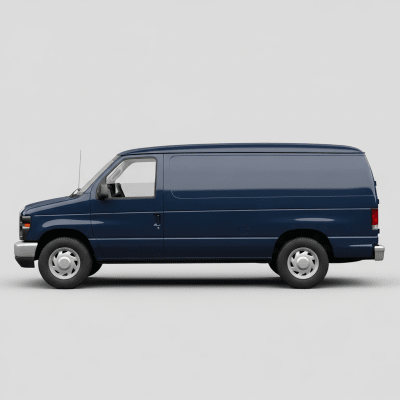
Classified as light-duty trucks under US DOT and SAE standards, panel trucks belong to the broader family of commercial vehicles designed for cargo transport. They are distinct from vans by their truck-based chassis and from box trucks by their smaller size. Regulatory classes include US DOT Light Truck, SAE J1100 Light Truck, and NHTSA Multipurpose Passenger Vehicle categories.
Panel trucks typically present a conventional cab with two doors and a fully enclosed cargo box lacking rear side windows. Their dimensions range from 4.5 to 5.5 meters in length, 1.7 to 2.0 meters in width, and 1.7 to 2.0 meters in height. The cargo area features rear doors—either single or double—with reinforced floors and optional shelving or partitioning to suit commercial needs. The overall form balances compactness with secure, weather-protected cargo space.
Primarily used for local delivery of goods, service calls such as plumbing or electrical work, and small business logistics, panel trucks offer secure and weatherproof cargo transport. Their enclosed design protects contents while maintaining accessibility, making them favored by tradespeople and urban delivery services. Though largely replaced by unibody cargo vans, panel trucks remain in use for niche commercial applications and restoration as classic vehicles.
Bring this kind into your world illustrated posters, mugs, and shirts.

Archival print, museum-grade paper
Buy Poster
Stoneware mug, dishwasher safe
Buy Mug
Soft cotton tee, unisex sizes
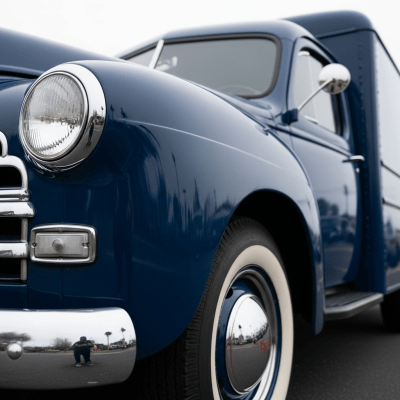
Buy ShirtPanel trucks hold a nostalgic place in North American automotive culture, often celebrated as classic vehicles emblematic of mid-century commerce and craftsmanship. Their distinctive silhouette appears in vintage advertising and period films, symbolizing reliable service and small business enterprise. While less common today, panel trucks continue to evoke a sense of heritage and practical design in automotive history.
⚙️ Technical Specifications:


Popular Panel Truck Models:
Maintaining a panel truck involves routine care similar to other light trucks, including regular engine servicing, brake inspections, and drivetrain checks. Special attention is needed for the enclosed cargo area to prevent rust and corrosion, especially around door seals and reinforced flooring. Given their age, classic panel trucks may require sourcing vintage parts and expert restoration to preserve structural integrity and functionality.
Panel trucks, especially historic gasoline-powered models, have higher emissions compared to modern vehicles due to older engine technology. Their relatively small size and light-duty classification mean their environmental footprint is less than heavy trucks but greater than contemporary electric or hybrid vans. The decline of panel trucks in favor of more efficient cargo vans reflects broader trends toward sustainability and emissions reduction in commercial transport.