Fire Truck
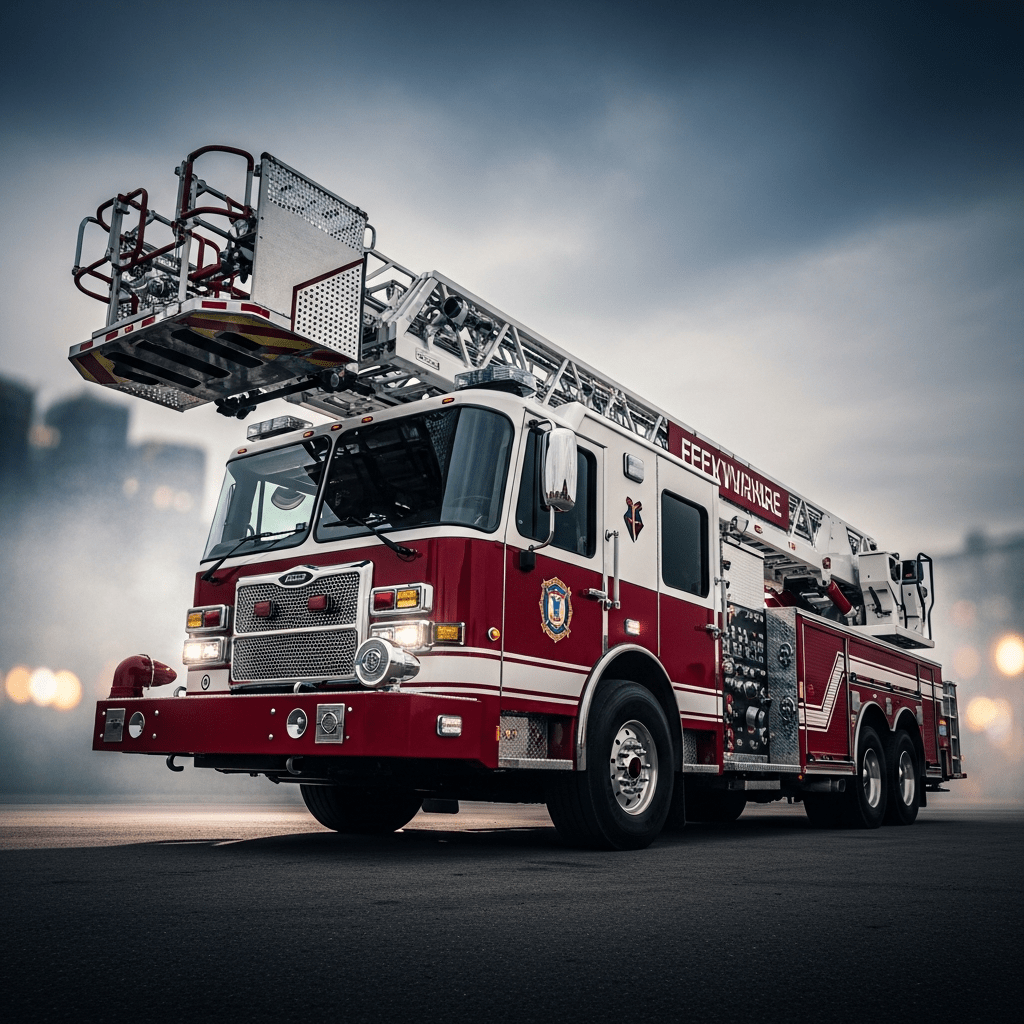
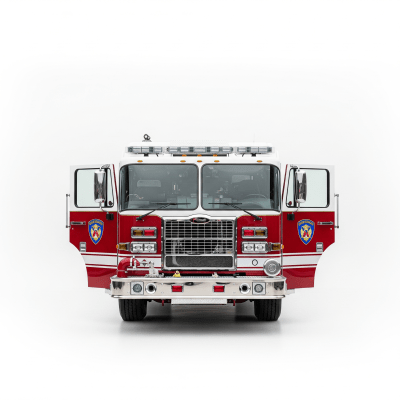
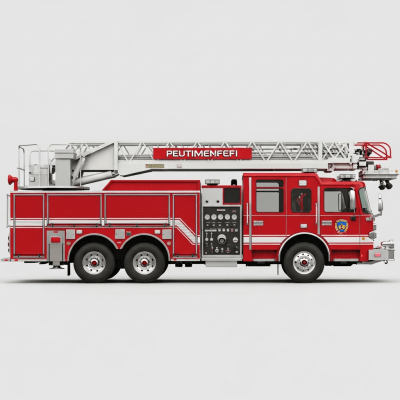
A fire truck is a specialized motor vehicle equipped primarily for firefighting and emergency response, featuring integrated water pumps, ladders, and storage for vital rescue equipment.
A fire truck is a specialized motor vehicle equipped primarily for firefighting and emergency response, featuring integrated water pumps, ladders, and storage for vital rescue equipment.
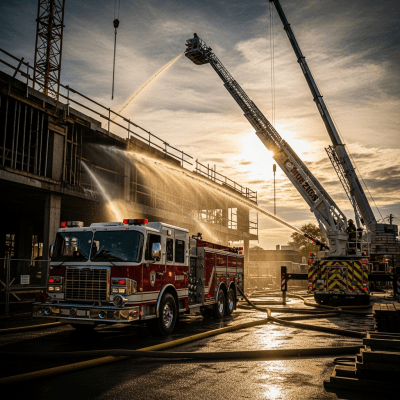
Fire trucks originated in the late 19th century, evolving from horse-drawn firefighting apparatus to modern motorized vehicles. Early manufacturers such as Pierce Manufacturing in the USA and Magirus in Germany pioneered their development, which has since advanced with innovations like aerial ladders and enhanced pumping systems to meet growing safety and operational demands worldwide.
Classified as specialized emergency vehicles within the broader truck family, fire trucks fall under medium- to heavy-duty categories. They are recognized by various regulatory bodies, including the US DOT and FMCSA as emergency vehicles, the UNECE as M2/M3 special-purpose vehicles, and JAMA and ADR standards in Japan and Australia respectively.
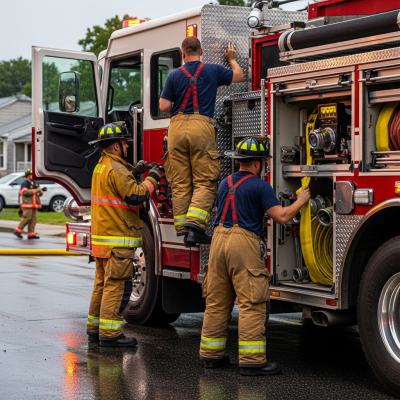
Fire trucks typically measure between 6 and 12 meters in length and 2.4 to 2.6 meters in width, with heights reaching up to 4 meters for ladder-equipped units. Their robust form includes multiple axles (usually two to four), crew or extended cabs seating several firefighters, and specialized cargo areas housing water tanks, hose reels, hydraulic ladders, and rescue tools, all designed for rapid deployment and operational efficiency.
Designed to support firefighting operations, fire trucks transport personnel, water, and essential equipment to emergency scenes. Beyond firefighting, they assist in rescue missions, hazardous material responses, and technical support tasks such as lighting and ventilation. Their versatility makes them indispensable assets for municipal, industrial, airport, and wildland fire services worldwide.
Bring this kind into your world illustrated posters, mugs, and shirts.
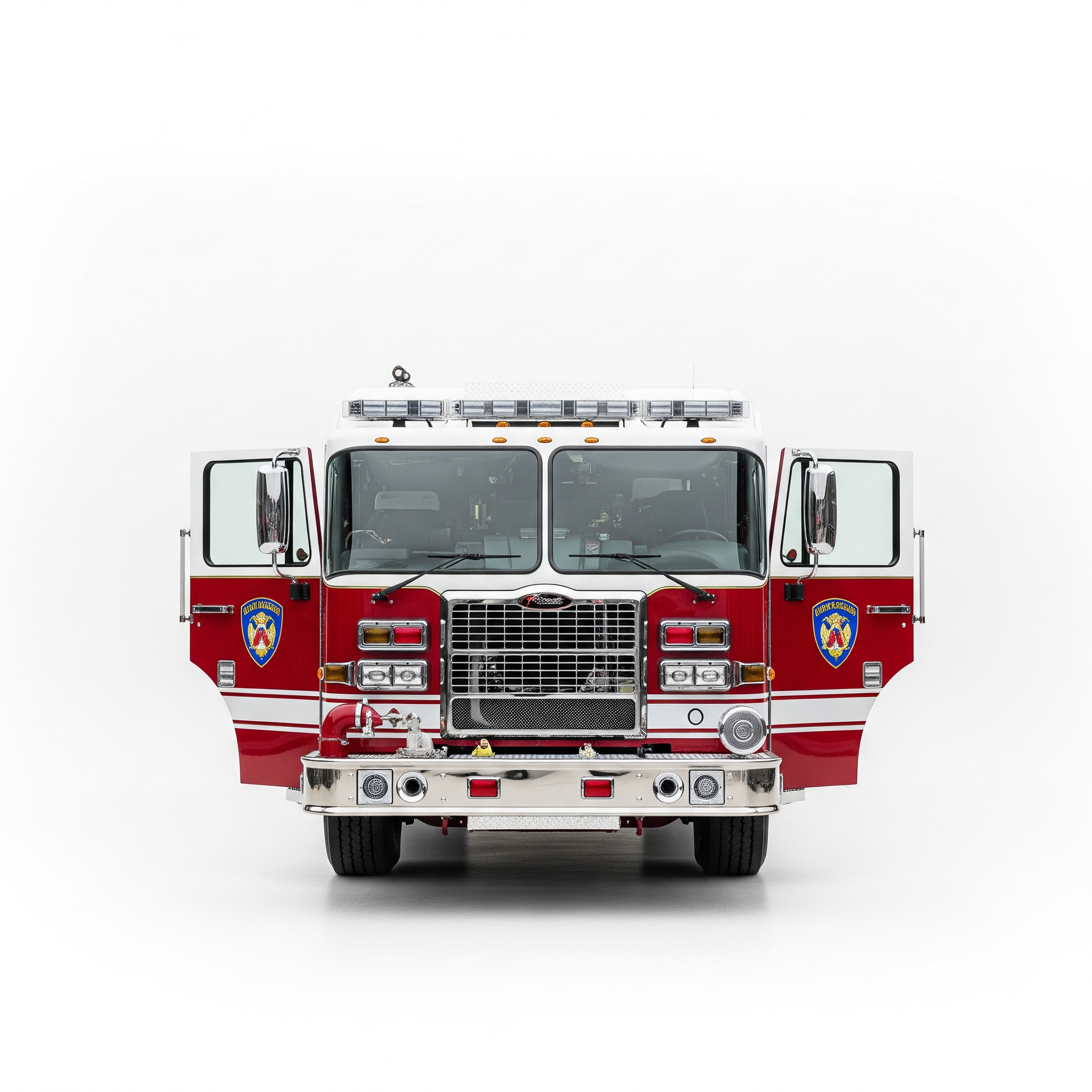
Archival print, museum-grade paper
Buy Poster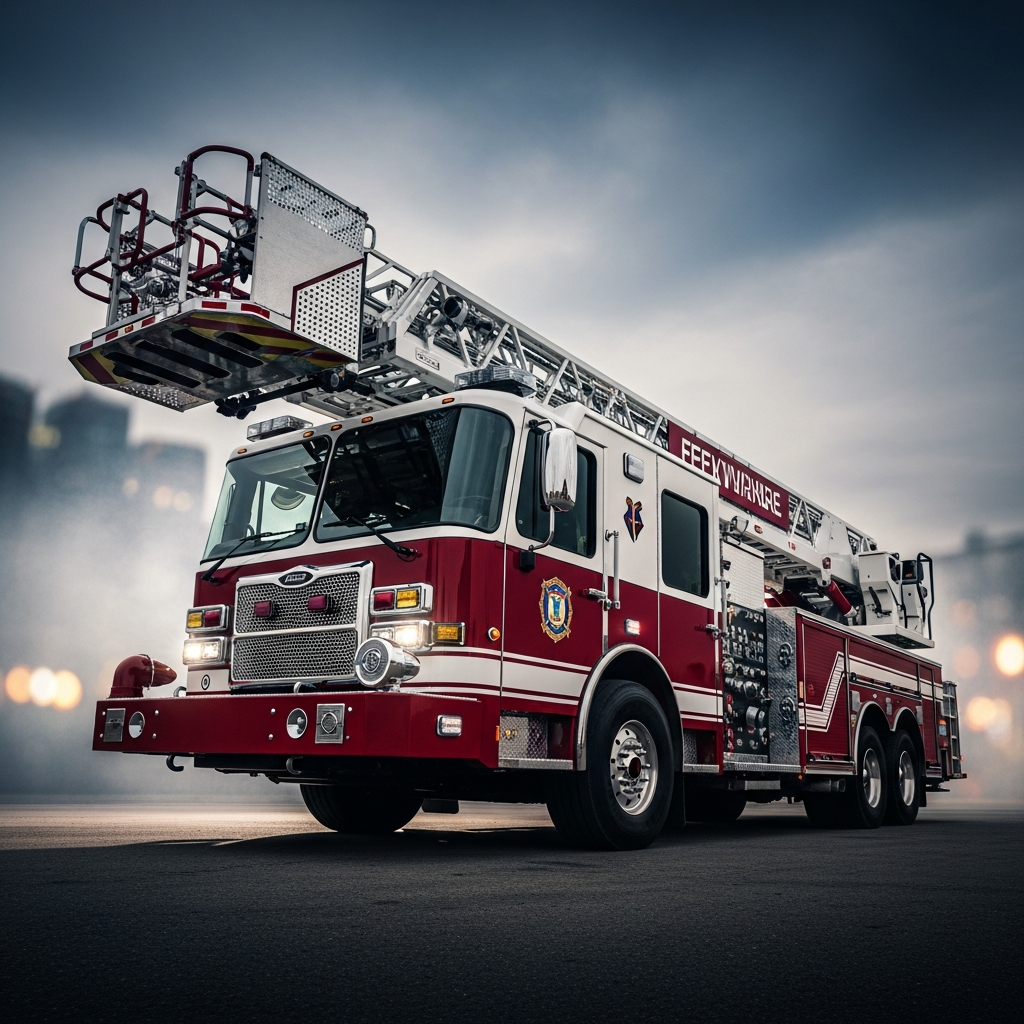
Stoneware mug, dishwasher safe
Buy Mug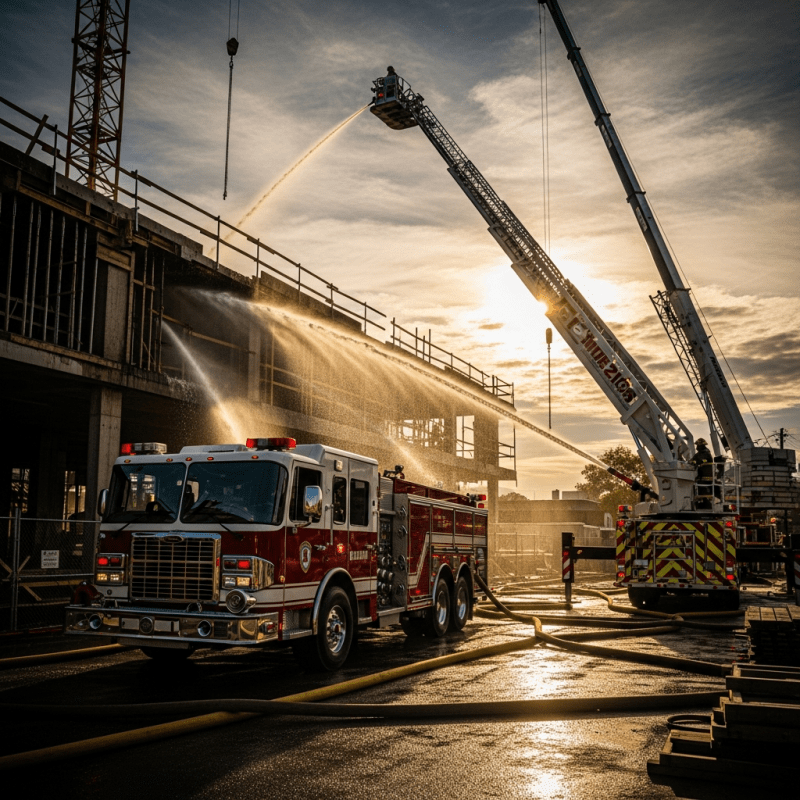
Soft cotton tee, unisex sizes
Buy ShirtFire trucks hold a prominent place in public consciousness as symbols of safety, heroism, and community service. They frequently appear in art, media, and public events, embodying readiness and protection. Regional terms like "fire engine" or "fire appliance" reflect cultural variations, while their iconic red color and sirens have become universally recognized markers of emergency response.
⚙️ Fire trucks are medium- to heavy-duty vehicles weighing between 7,500 and 30,000 kilograms (curb weight and GVWR). Dimensions typically span 6 to 12 meters in length, 2.4 to 2.6 meters in width, and up to 4 meters in height. They feature diesel engines producing 200 to 600+ horsepower, with two to four axles supporting their weight and equipment. Cab configurations include single, crew, and extended cabs, accommodating 2 to 8 personnel. Cargo areas are specialized for firefighting gear, integrating water pumps, hose reels, hydraulic ladders, and rescue tools.
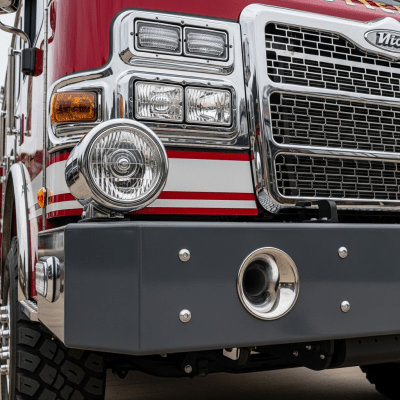
Popular fire truck manufacturers include Pierce Manufacturing and E-ONE from the United States, Rosenbauer from Austria, Magirus from Germany, and Morita from Japan. Each offers a range of models such as aerial ladder trucks, pumpers, tankers, and rescue vehicles tailored to diverse firefighting needs and regional requirements.
Maintaining a fire truck involves regular inspection and servicing of critical systems such as the engine, water pumps, hydraulic ladders, and electrical components. Routine checks ensure readiness of hose reels and rescue equipment. Due to their specialized nature, fire trucks require trained technicians familiar with emergency vehicle standards and prompt repairs to guarantee operational reliability during emergencies.
Fire trucks, primarily powered by diesel engines, contribute to emissions typical of heavy-duty vehicles. However, ongoing advancements include exploring alternative fuels and hybrid technologies to reduce environmental impact. Their essential role in public safety necessitates balancing operational readiness with sustainability efforts, including efficient route planning and adoption of cleaner powertrains where feasible.