
Concrete Mixer Truck
A concrete mixer truck is a specialized vehicle equipped with a rotating drum designed to transport and continuously mix concrete, ensuring it remains workable until delivery at construction sites.
A concrete mixer truck is a specialized vehicle equipped with a rotating drum designed to transport and continuously mix concrete, ensuring it remains workable until delivery at construction sites.
The concept of the concrete mixer truck originated in the early 20th century, with the first patent for a transit mixer filed in the United States in 1916. Since then, manufacturers worldwide—including Daimler (Mercedes-Benz), Volvo, MAN, Mack Trucks, Tata Motors, and Isuzu—have refined the design to meet growing construction demands, evolving mixing technology, and regional safety standards. The modern concrete mixer truck has been in continuous production since the mid-1900s, adapting to diverse markets and applications globally.
Concrete mixer trucks belong to the broader family of mixer trucks within the heavy-duty truck category. They are typically classified under US DOT Classes 6 through 8 or the EU N2 and N3 vehicle categories, reflecting their medium to heavy gross vehicle weight ratings. Their defining feature is the permanently mounted rotating drum, distinguishing them from other cargo or construction trucks.
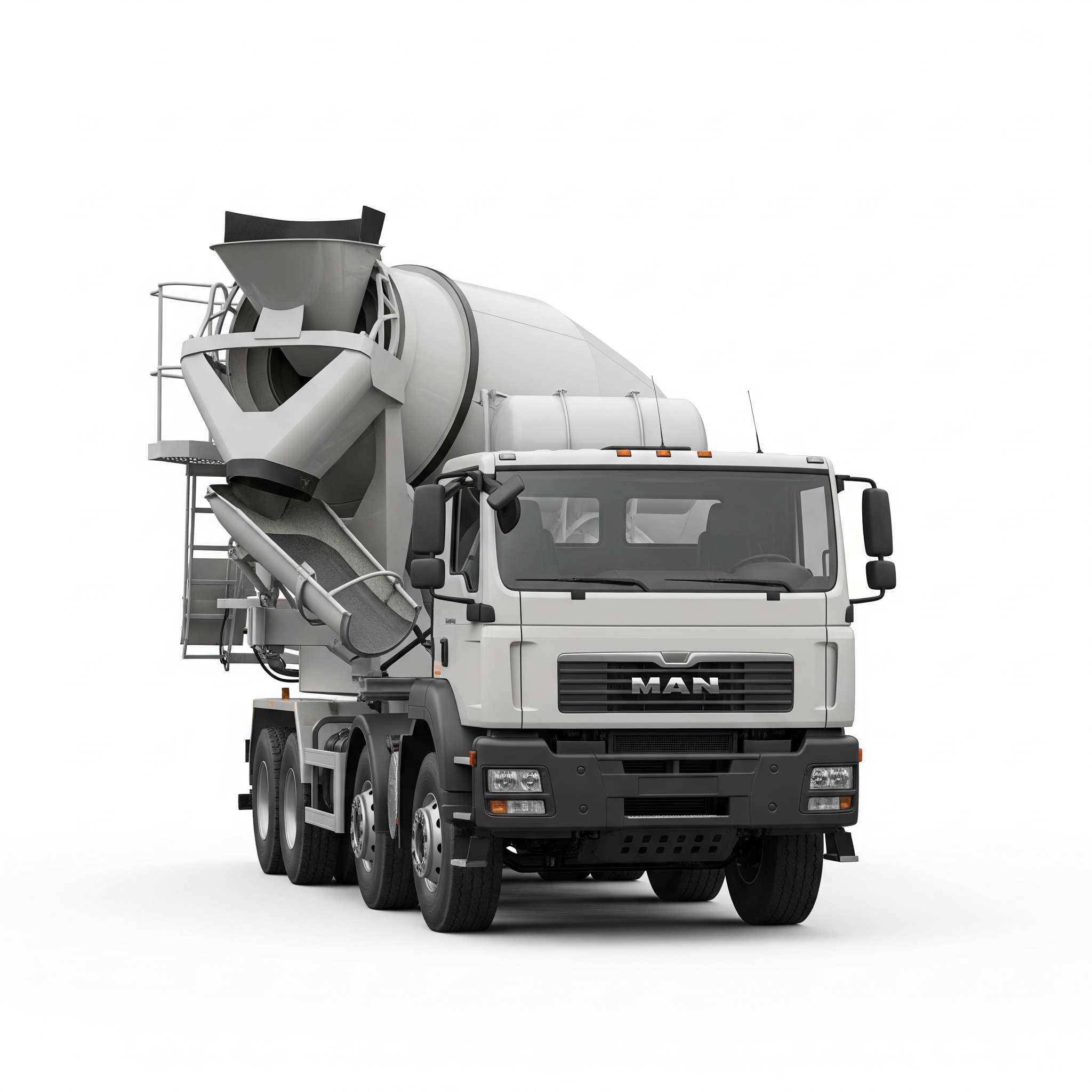
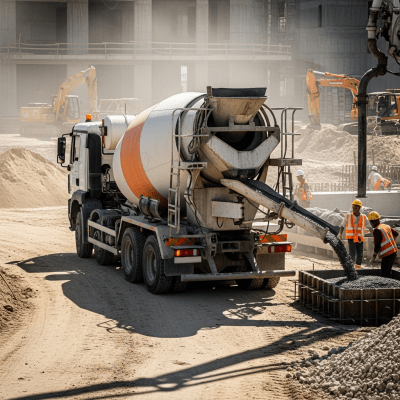
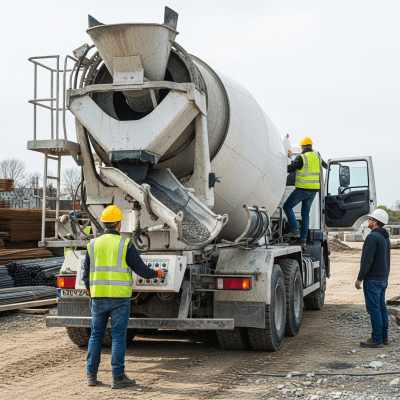
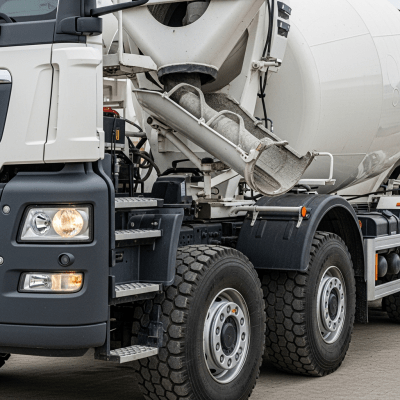
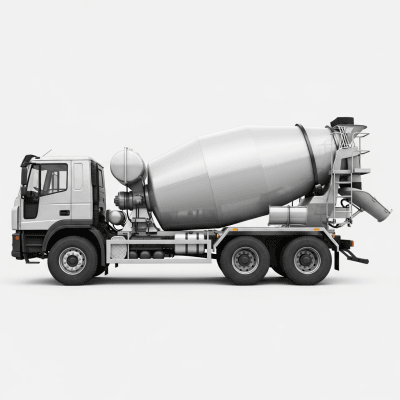
These trucks feature a robust commercial chassis, usually medium to heavy-duty, supporting a large cylindrical drum mounted on the back. The drum, often painted in bright colors or company branding, rotates continuously during transit. The vehicle measures roughly 7 to 12 meters in length, about 2.5 meters wide, and up to 4 meters tall. The cab is commonly a day cab but can also be a sleeper cab, with multiple axles—ranging from two to five—to support heavy loads and maintain stability.
Concrete mixer trucks serve the vital function of transporting ready-mixed concrete from batching plants to construction sites while keeping it in a fluid, workable state. The drum rotates at speeds between 4 and 20 revolutions per minute, mixing and agitating the concrete to prevent premature setting. Equipped with discharge chutes, water tanks, and sometimes onboard admixture systems, these trucks enable efficient, just-in-time delivery, reducing manual labor and ensuring consistent concrete quality across a wide range of projects.
Bring this kind into your world illustrated posters, mugs, and shirts.
Archival print, museum-grade paper
Buy Poster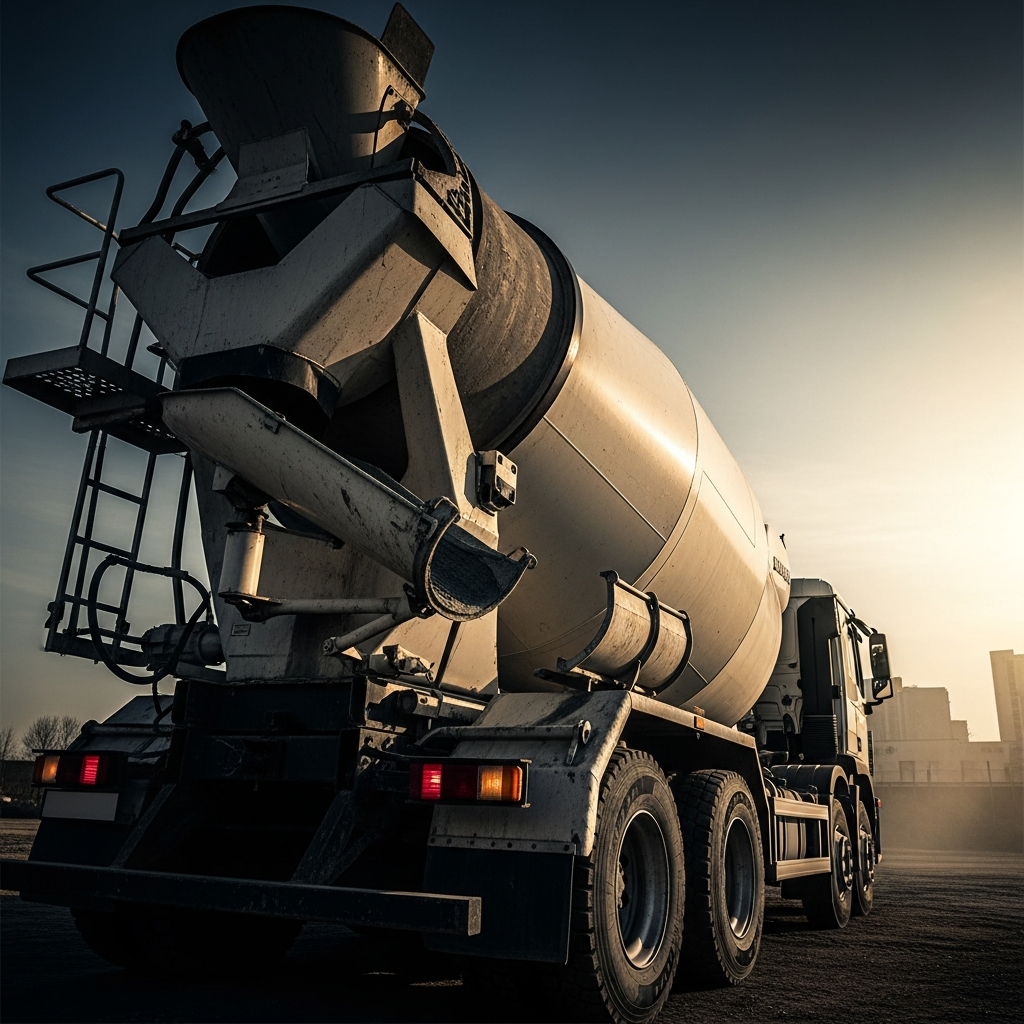
Stoneware mug, dishwasher safe
Buy Mug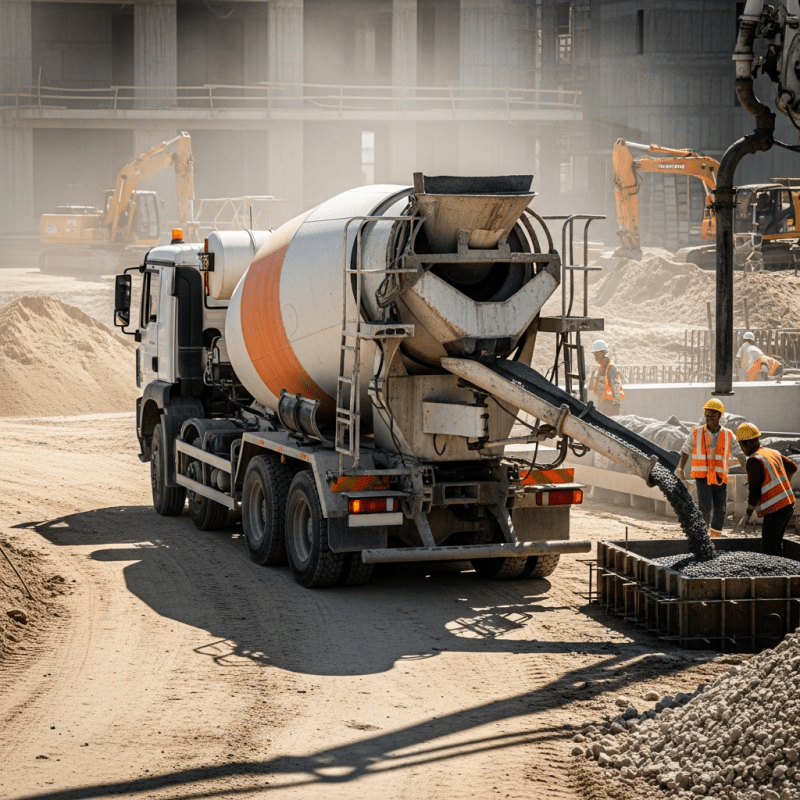
Soft cotton tee, unisex sizes
Buy ShirtConcrete mixer trucks symbolize the backbone of modern construction and urban development, often featured in documentaries, educational materials, and children’s toys. In various regions, they are known by different names—such as "mixer lorry" in the UK or "agitator truck" in Australia—reflecting their integral role in building infrastructure. Their distinctive rotating drums have become iconic imagery associated with construction sites worldwide.
⚙️ Key Technical Features:
Popular concrete mixer truck models are produced by leading manufacturers such as Daimler (Mercedes-Benz), Volvo, MAN, Mack Trucks, Tata Motors, and Isuzu. These brands offer a range of sizes and configurations tailored to regional market needs, including specialized high-capacity and multi-axle variants designed for heavy-duty construction projects.
Maintaining a concrete mixer truck involves regular inspection and servicing of the rotating drum mechanism, hydraulic systems, and engine components. Cleaning the drum and discharge chutes after each use is critical to prevent hardened concrete buildup. Routine checks of suspension, brakes, and tires ensure safe operation under heavy loads. Preventive maintenance helps extend vehicle life and maintain consistent mixing performance.
Concrete mixer trucks contribute to environmental impacts primarily through diesel engine emissions and the energy-intensive production of concrete. However, advances in hybrid and electric powertrains are beginning to reduce carbon footprints. Efficient route planning and improved mixing technologies also help minimize waste and emissions. The industry continues to explore sustainable practices to balance construction demands with ecological responsibility.