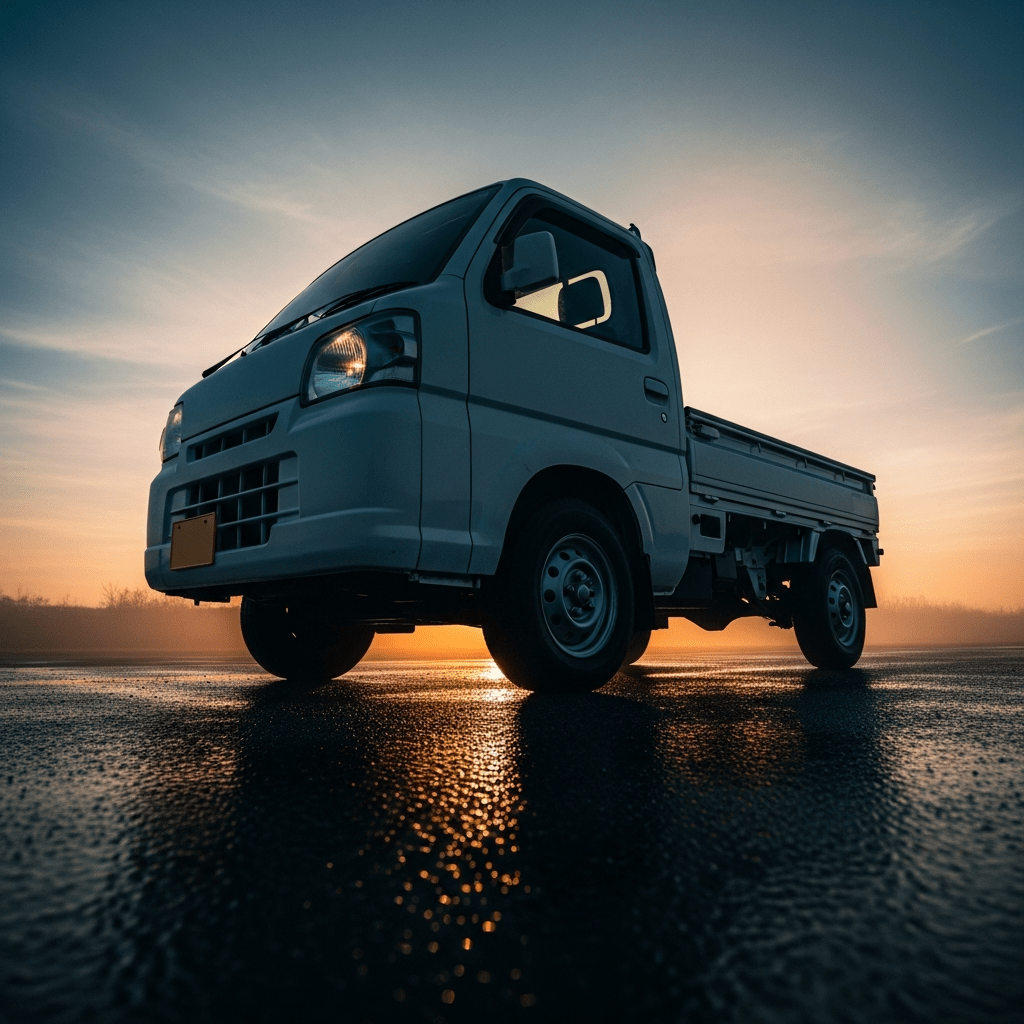
Mini Truck
A mini truck is a compact, light-duty vehicle designed primarily for transporting small cargo loads efficiently in urban and rural settings.
A mini truck is a compact, light-duty vehicle designed primarily for transporting small cargo loads efficiently in urban and rural settings.
Mini trucks originated in Japan during the 1960s as part of the Kei car regulatory framework. Developed by manufacturers such as Suzuki, Daihatsu, Honda, and Subaru, these trucks were created to offer affordable, efficient transportation for small businesses and farmers. The concept soon spread across Asia, with similar vehicles produced in China, India, and Southeast Asia, and later exported to markets in North America, Africa, and Australia for utility and off-road use.
Classified as light trucks, mini trucks fall within the broader family of commercial vehicles designed for cargo transport. In Japan, they are regulated as Kei vehicles, while in Europe they often fall under the N1 light commercial vehicle category. In the United States, mini trucks are generally recognized for off-road or limited on-road use, reflecting their specialized niche within the truck taxonomy.
Mini trucks feature a compact, cab-over-engine design that maximizes cargo bed length relative to their small overall size. Typically under 3.4 meters long, 1.5 meters wide, and 2 meters tall, they present a utilitarian yet approachable form. Their light frame and modest dimensions allow for easy maneuverability through narrow streets and tight spaces.
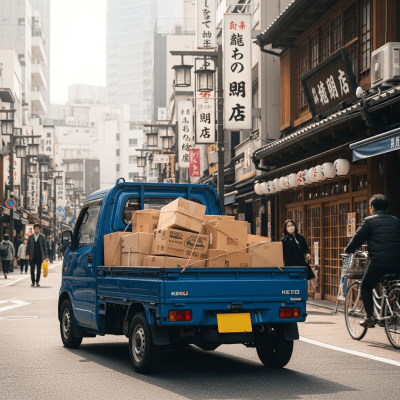
Designed for light cargo transport, mini trucks excel in agricultural work, urban deliveries, and various utility tasks. Their small size and nimble handling make them ideal for navigating congested city roads and rural paths alike. Many models offer rear-wheel drive as standard, with selectable four-wheel drive options for enhanced traction in challenging terrain.
Bring this kind into your world illustrated posters, mugs, and shirts.
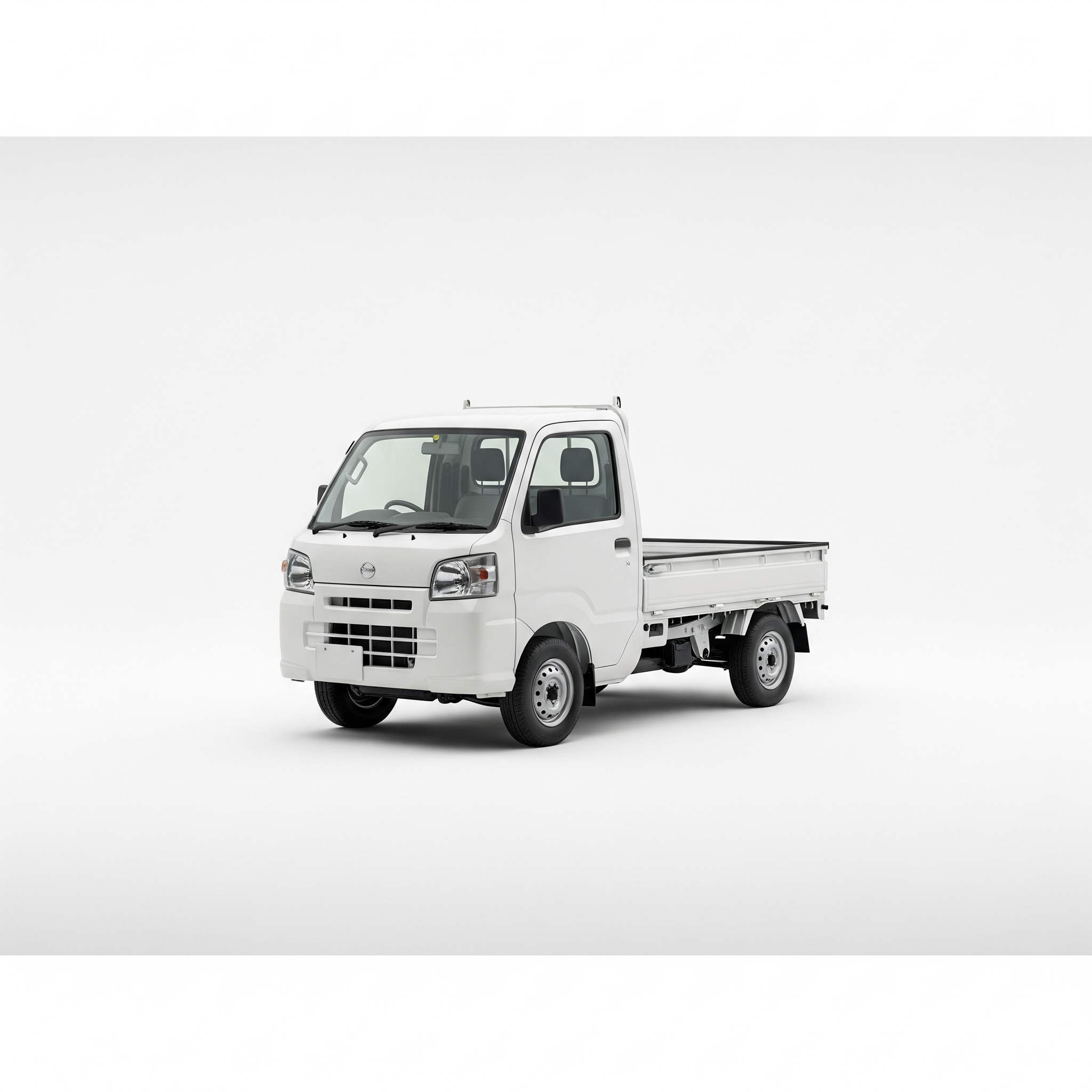
Archival print, museum-grade paper
Buy Poster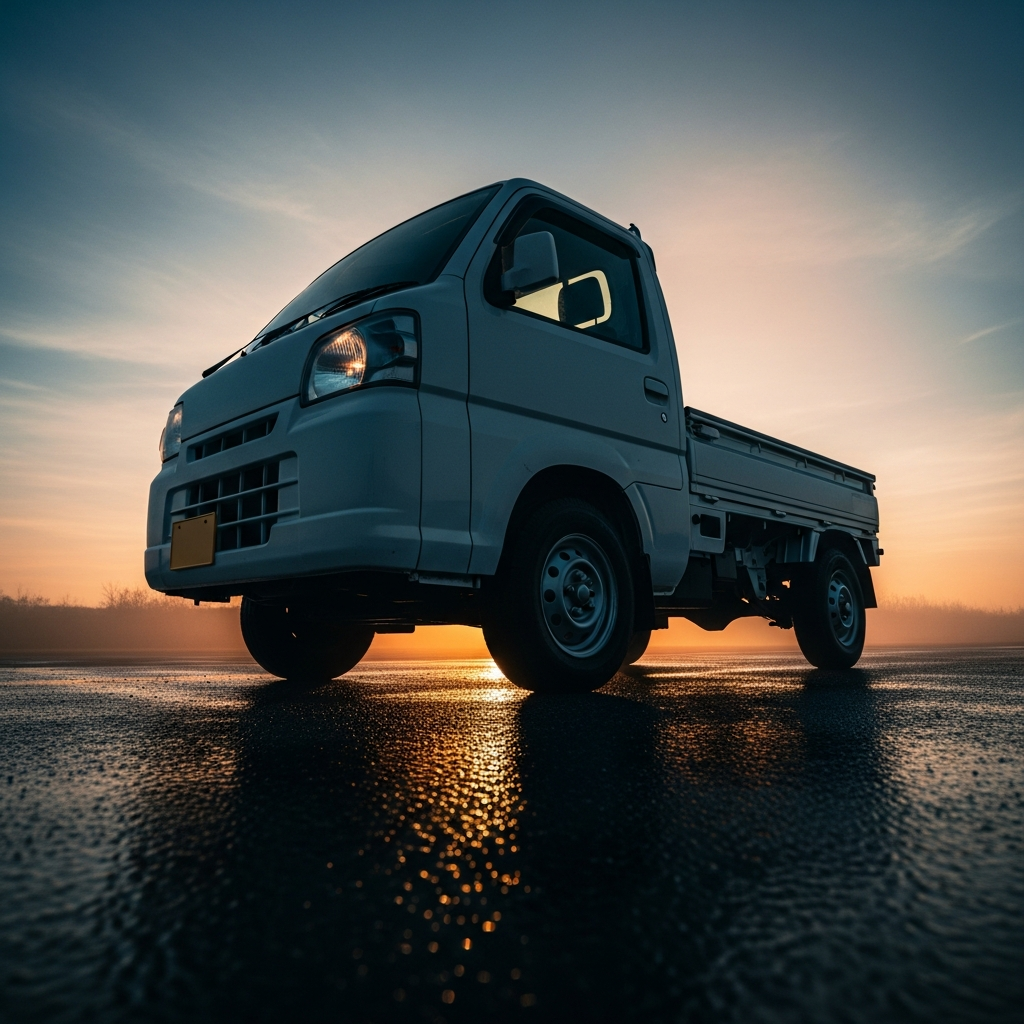
Stoneware mug, dishwasher safe
Buy Mug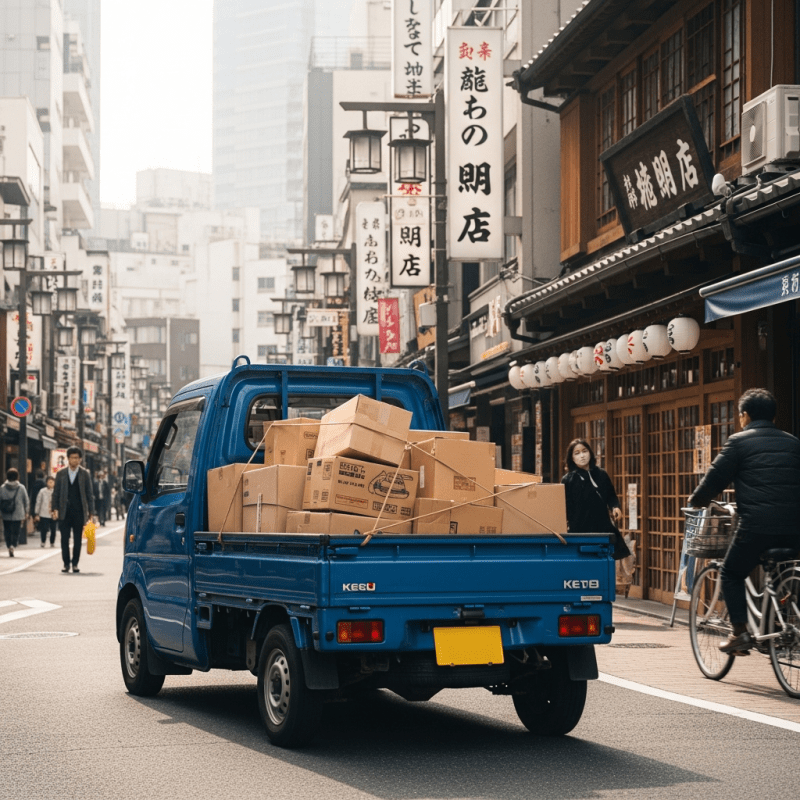
Soft cotton tee, unisex sizes
Buy ShirtMini trucks hold a distinctive place in the daily lives of many Asian communities, especially in Japan where Kei trucks are a cultural icon of rural and suburban logistics. Their practicality and affordability have made them symbols of small business resilience and local commerce. In other regions, they have gained a cult following among off-road enthusiasts and farmers, representing a versatile and economical workhorse.
⚙️ Technical Specifications:
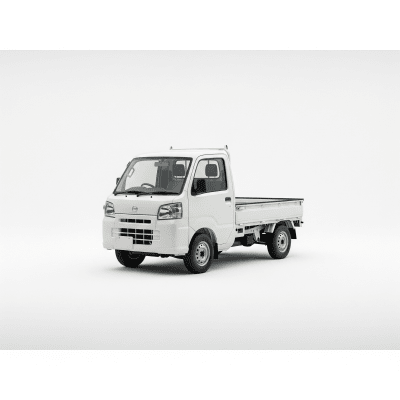

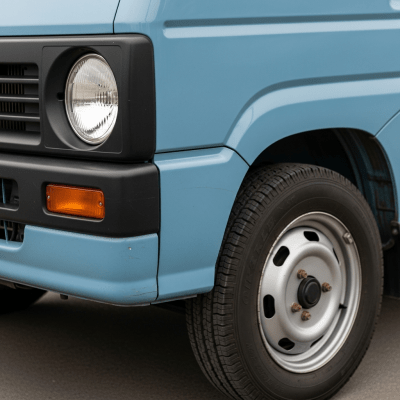
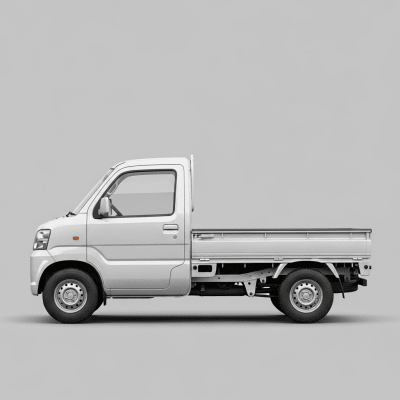
Popular mini truck models include the Japanese Kei trucks produced by Suzuki, Daihatsu, Honda, and Subaru. In India, the Tata Ace is a notable example that has gained widespread use. These models have established reputations for reliability, affordability, and adaptability across diverse markets.
Maintaining a mini truck involves regular engine oil changes, transmission checks, and brake inspections, similar to other light vehicles. Due to their simple mechanical design, repairs are often straightforward and cost-effective. However, owners should pay attention to the condition of the chassis and suspension, especially when used in rugged or off-road conditions.
Mini trucks offer environmental benefits through their small engines and lightweight construction, resulting in lower fuel consumption and emissions compared to larger trucks. Compliance with local emissions standards varies, and while many models meet regional regulations, advanced safety and emissions technologies are less common. Their efficiency makes them a sustainable choice for light transport in congested or rural areas.