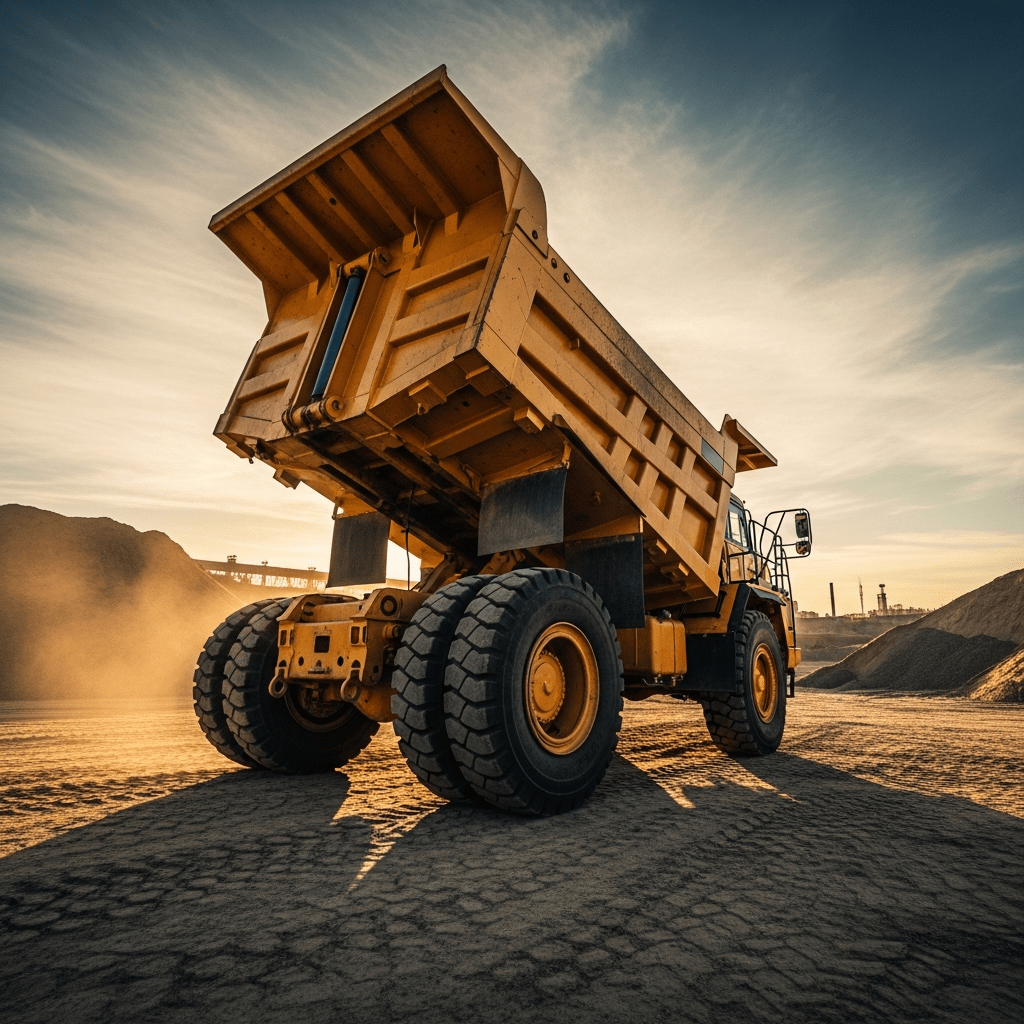
Dump Truck
A dump truck is a motor vehicle designed specifically to transport and unload loose materials like sand, gravel, demolition debris, or coal, featuring a distinctive open-box bed with a hydraulic lift for easy dumping.
A dump truck is a motor vehicle designed specifically to transport and unload loose materials like sand, gravel, demolition debris, or coal, featuring a distinctive open-box bed with a hydraulic lift for easy dumping.
Originating in the early 20th century, dump trucks evolved from simple tipper wagons and adapted truck chassis. Pioneering manufacturers such as Caterpillar, Volvo, Komatsu, Mercedes-Benz, and Tata Motors have driven their development, continuously enhancing payload capacity, safety, and operational versatility over the past century.
Dump trucks belong to the broader family of trucks classified by function and weight, typically falling within medium to heavy-duty categories. They are recognized under regulatory classes such as US FMCSA Classes 6 to 8 and European N2 and N3 categories, encompassing rigid and articulated configurations tailored for on-road and off-highway use.
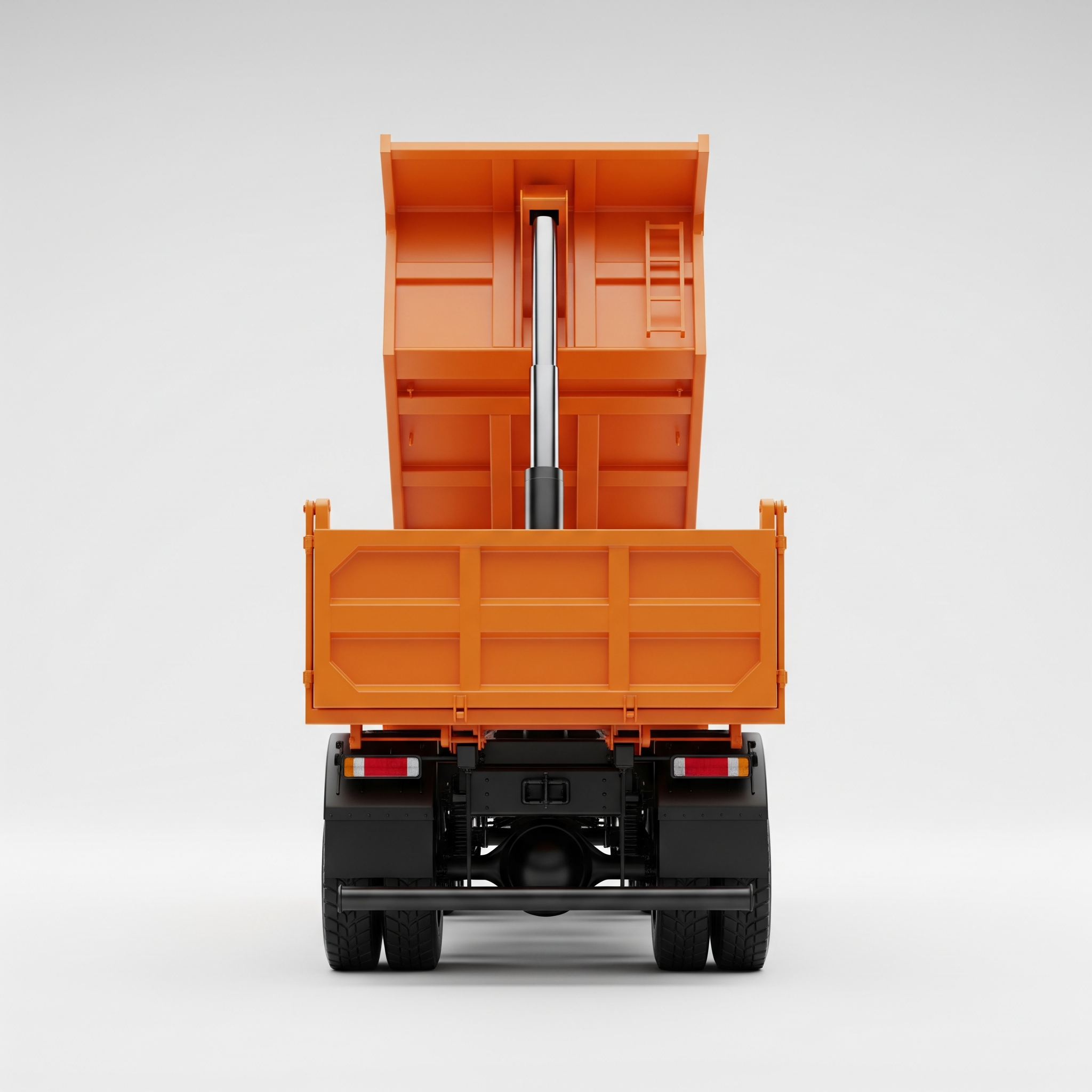
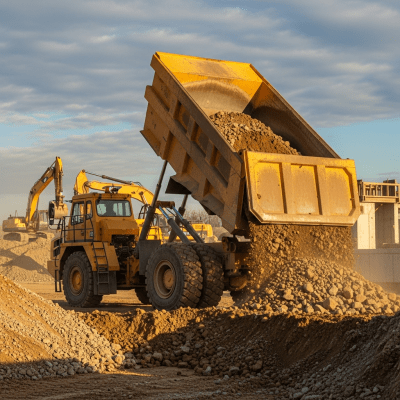
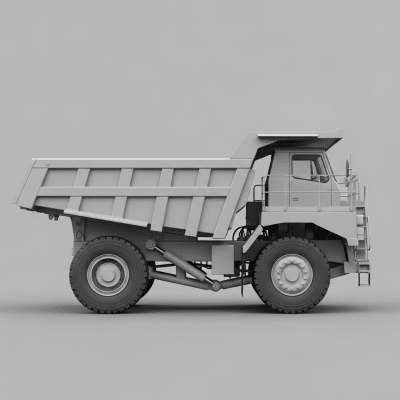
Visually, dump trucks are marked by their open-box cargo bed mounted on a truck chassis, hinged at the rear. The bed is raised hydraulically from the front to unload materials. Sizes vary widely—from compact models around 5 meters long and 3,500 kilograms in weight to massive mining trucks exceeding 15 meters and hundreds of tons. Cab designs range from standard and crew to reinforced variants for off-road safety.
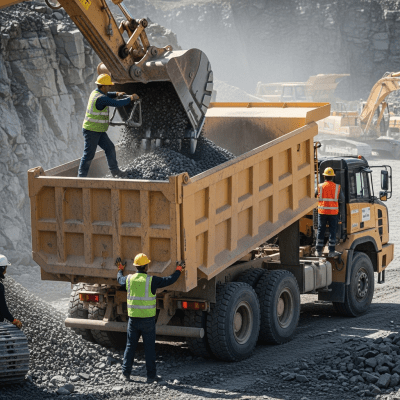
Primarily, dump trucks transport and unload bulk loose materials efficiently at construction sites, mines, quarries, roadworks, and waste management facilities. Their hydraulic lift enables rapid discharge of payloads, making them indispensable for earthmoving and infrastructure projects. They operate across diverse terrains and climates, with specialized models for heavy mining and municipal services.
Bring this kind into your world illustrated posters, mugs, and shirts.
Archival print, museum-grade paper
Buy Poster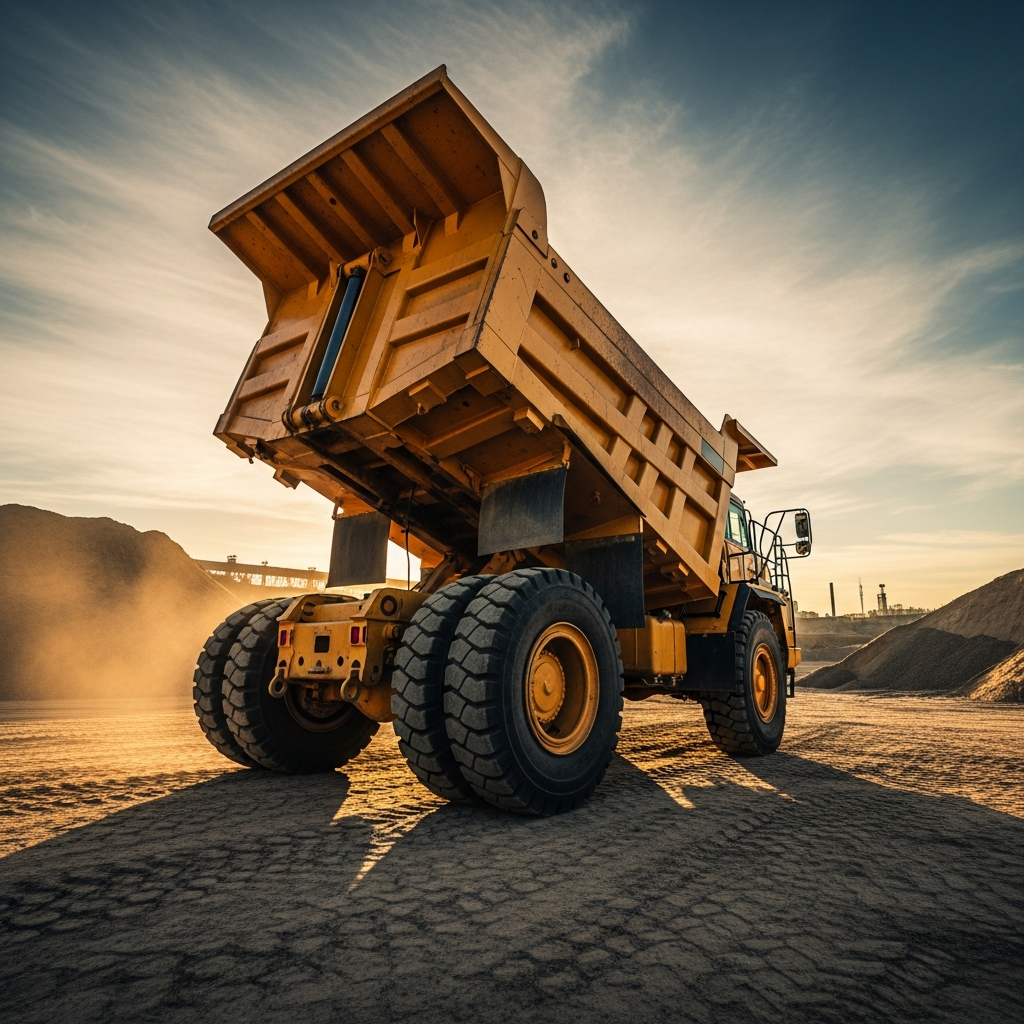
Stoneware mug, dishwasher safe
Buy Mug
Soft cotton tee, unisex sizes
Buy ShirtDump trucks symbolize industrial progress and the backbone of modern infrastructure development. They frequently appear in documentaries, construction-themed media, and children’s toys, embodying strength and utility. In regions with mining heritage, large dump trucks have become icons of industrial might, while in popular culture, their rugged form represents hard work and engineering prowess.
⚙️ Technical Specifications:
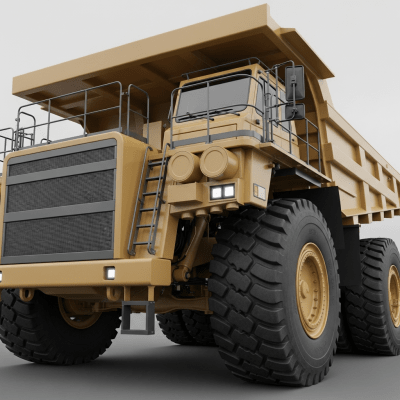
Notable dump truck models include the Caterpillar 797F, a flagship ultra-class mining truck; Volvo FMX, known for versatility in construction; Komatsu HD785, favored in heavy-duty applications; Mercedes-Benz Arocs, popular in European markets; and Tata Signa 1923.K, a prominent model in Asia-Pacific regions.
Maintaining a dump truck involves regular inspection of hydraulic systems to ensure reliable bed lifting, checking engine performance and emissions controls, and monitoring tires and suspension for wear due to heavy loads. Preventive maintenance includes lubrication of moving parts, brake system checks, and timely replacement of filters. Off-highway models require additional attention to cab reinforcement integrity and drivetrain components exposed to harsh conditions.
Dump trucks contribute to environmental impacts primarily through fuel consumption and emissions, especially in heavy-duty diesel models. Advances in hybrid and electric drivetrains aim to reduce greenhouse gas emissions and noise pollution. Additionally, efficient load management and route planning help minimize fuel use. Regulatory standards across regions, such as US FMCSA and EU directives, enforce emissions limits to promote sustainability in dump truck operations.