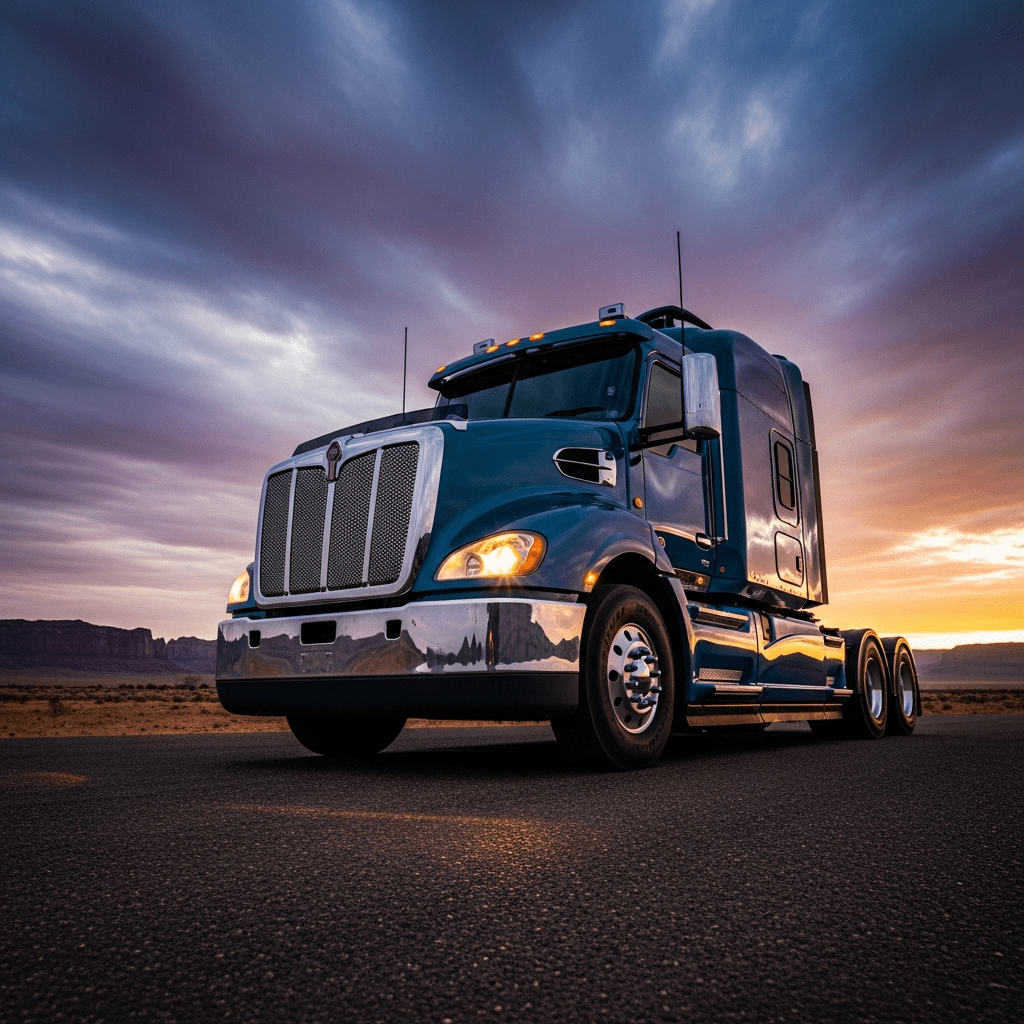
Tractor Unit
A tractor unit is a powerful motor vehicle designed specifically to tow semi-trailers, forming the essential front component of articulated trucks used worldwide for long-distance freight transport.
A tractor unit is a powerful motor vehicle designed specifically to tow semi-trailers, forming the essential front component of articulated trucks used worldwide for long-distance freight transport.
The tractor unit concept emerged in the early 20th century to meet the growing need for flexible, high-capacity cargo transport. Evolving from rigid trucks, it introduced an articulated design that allowed semi-trailers to be coupled and towed efficiently. Since the 1920s, manufacturers such as Daimler, Volvo, Scania, MAN, PACCAR, Iveco, Freightliner, International, and Tata have continuously refined the design, improving engine power, safety, aerodynamics, and driver comfort.
Within the broader truck taxonomy, the tractor unit belongs to the heavy-duty category, often classified under US DOT Classes 7 and 8, the EU N3 category, and Australia's ADR Prime Mover class. It is distinct from rigid trucks by its articulated coupling system and is synonymous with terms like prime mover, semi-truck, articulated lorry, and truck tractor.
Tractor units feature a robust, heavy-duty chassis with a standardized fifth wheel coupling at the rear for attaching semi-trailers. They typically measure between 5.5 and 7.5 meters in length and about 2.5 meters in width. Cab configurations vary, including day cabs without sleeping space, sleeper cabs with integrated compartments for rest, and both high-roof and low-roof designs. The vehicle’s imposing presence is complemented by aerodynamic fairings and advanced lighting, reflecting its functional yet commanding form.
The primary role of a tractor unit is to tow semi-trailers loaded with cargo over medium to long distances. It serves as the backbone of road logistics, enabling efficient freight movement across industries such as retail, construction, agriculture, and hazardous materials transport. Tractor units are engineered for durability and power, often equipped with advanced driver assistance systems, air suspension, and telematics to enhance safety and operational efficiency.
Bring this kind into your world illustrated posters, mugs, and shirts.
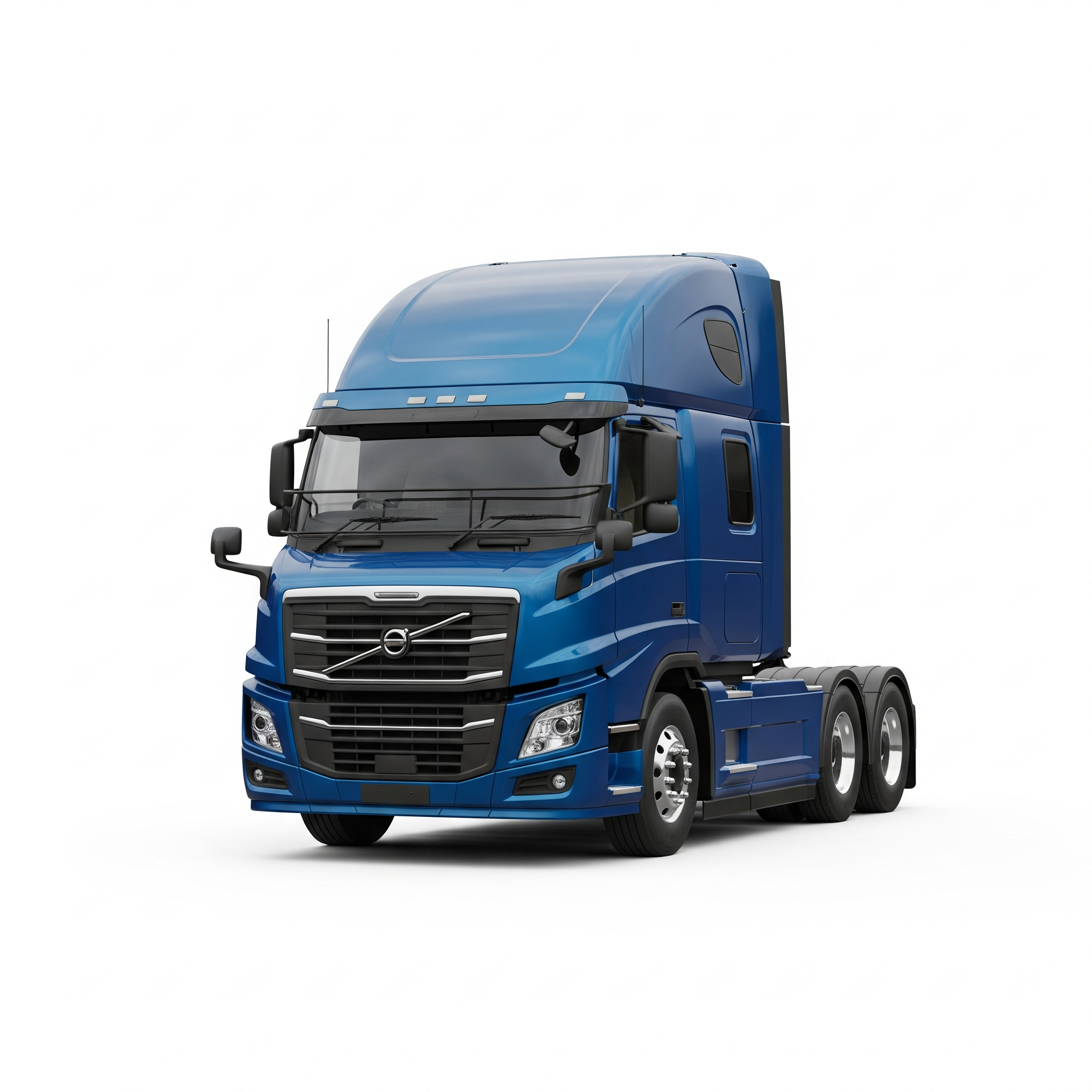
Archival print, museum-grade paper
Buy Poster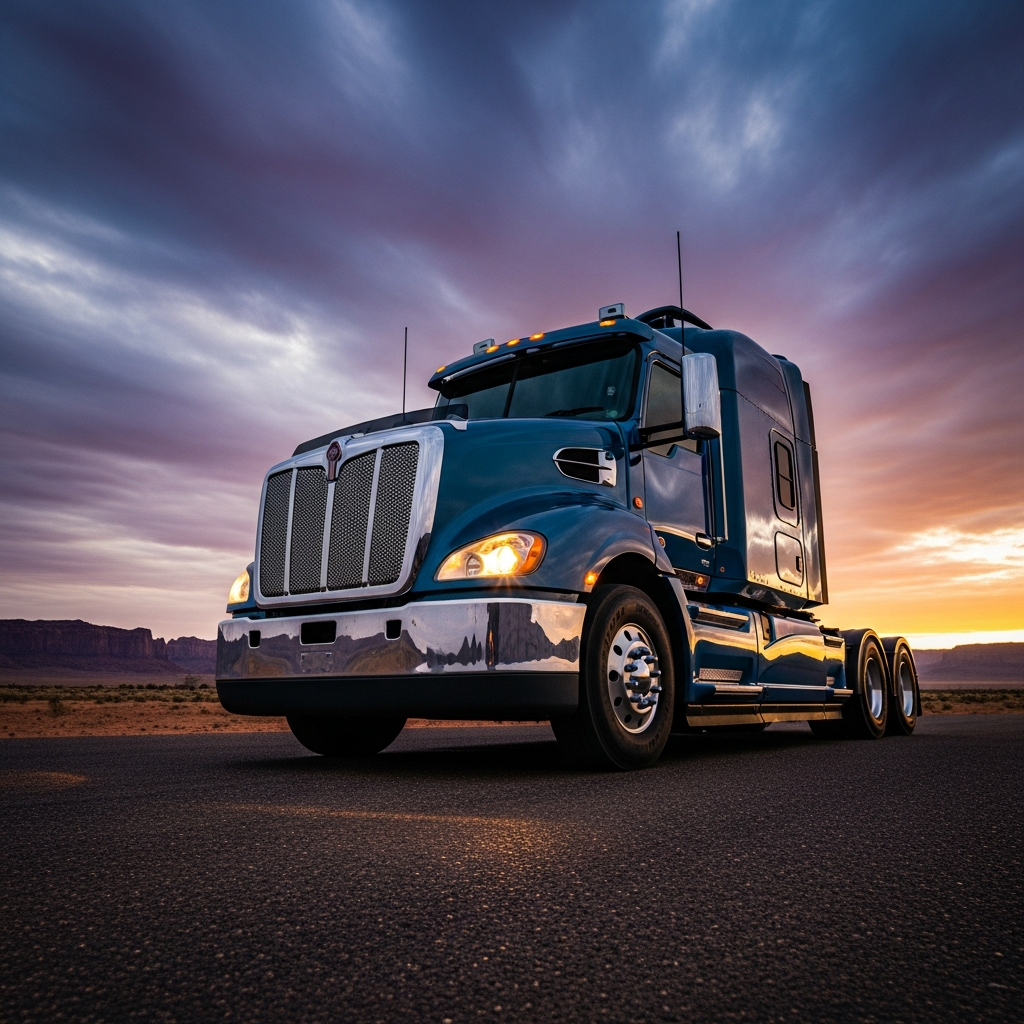
Stoneware mug, dishwasher safe
Buy Mug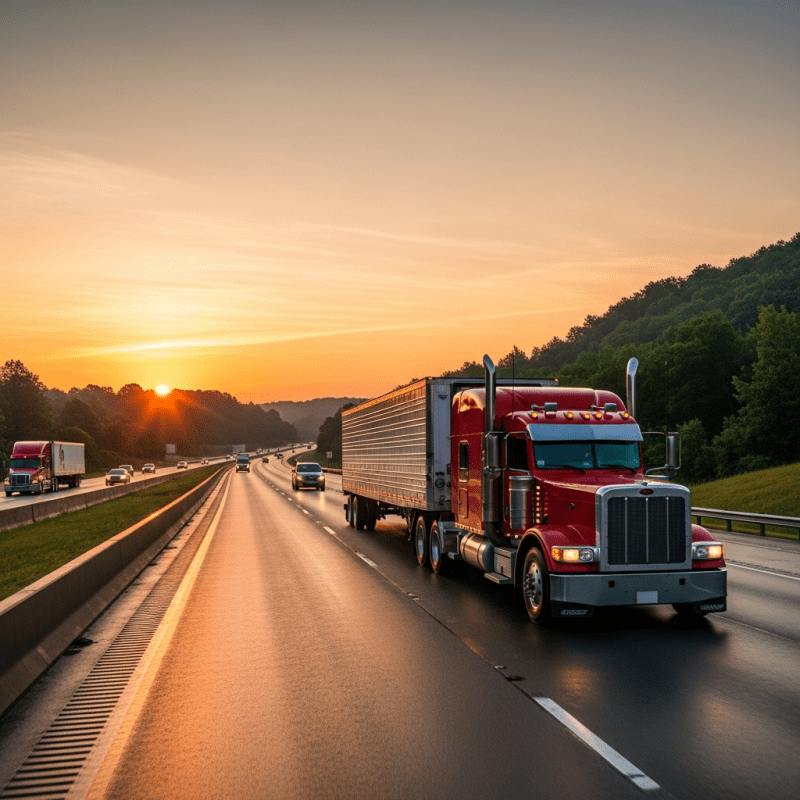
Soft cotton tee, unisex sizes
Buy ShirtTractor units have become iconic symbols of modern logistics and the trucking industry, frequently depicted in films, advertising, and popular culture as representations of freedom, endurance, and the vital flow of commerce. In regions like North America and Europe, they embody the spirit of long-haul trucking and have inspired communities and events celebrating truck drivers and their essential role in society.
⚙️ Tractor units typically have a gross vehicle weight rating (GVWR) between 15,000 and 27,000 kilograms. Engine displacements range from 6 to 16 liters, delivering 250 to over 600 horsepower. They usually have 2 to 3 axles and come in cab configurations such as day cab, sleeper cab, high-roof, and low-roof. Drivetrains include 4x2, 6x2, and 6x4 layouts. Safety features often encompass advanced driver assistance systems, air suspension, ABS and EBS braking systems, telematics, and aerodynamic enhancements.
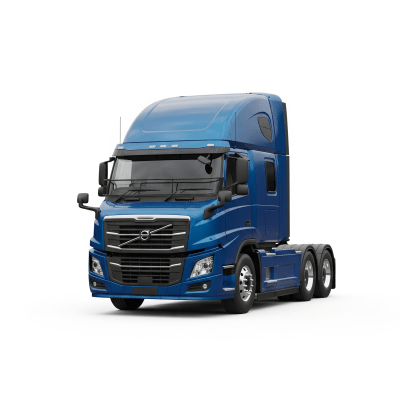
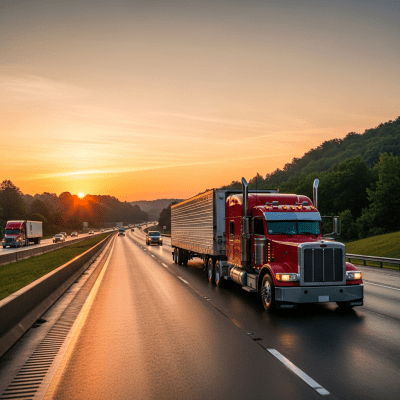
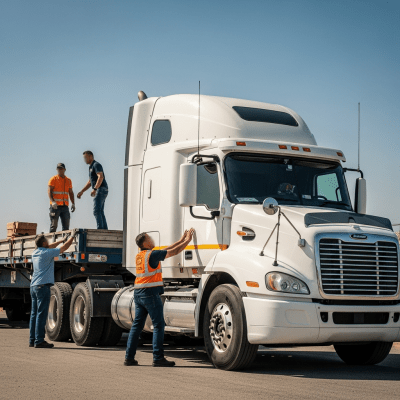
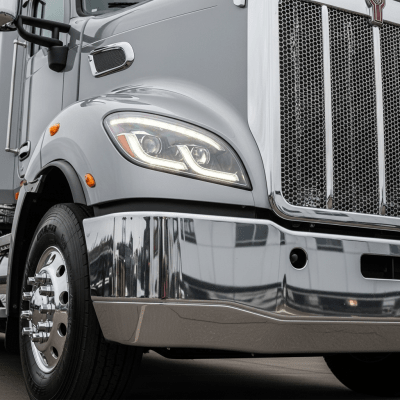
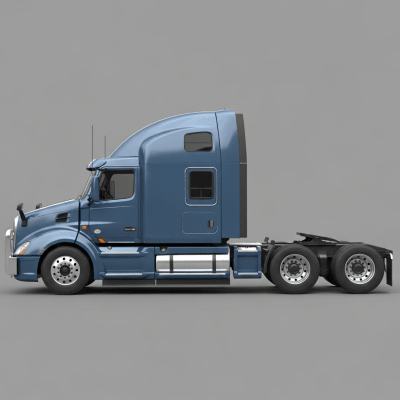
Popular tractor unit models include the Mercedes-Benz Actros, Volvo FH series, Scania R-series, MAN TGX, Kenworth W900, Peterbilt 579, Freightliner Cascadia, International LT, and Tata Prima. These models are renowned for their reliability, performance, and adaptability to various markets and regulatory environments.
Maintaining a tractor unit involves regular engine servicing, brake system inspections, and chassis checks to ensure safety and longevity. Attention to the fifth wheel coupling is critical for secure trailer attachment. Routine diagnostics of electronic systems, including driver assistance and telematics, help prevent downtime. Tire condition and suspension components require frequent monitoring due to heavy loads and long operating hours.
Tractor units contribute significantly to road freight emissions due to their size and diesel-powered engines. However, advances in cleaner powertrains—such as LNG, CNG, battery-electric, and hydrogen fuel cells—are reducing their environmental footprint. Aerodynamic improvements and driver assistance technologies also enhance fuel efficiency. Regulatory frameworks in North America, Europe, Australia, and Asia increasingly push for lower emissions and sustainable practices in tractor unit design and operation.