Origin Story

The modern garbage truck evolved from early 20th-century open-bed trucks, with major advancements in compaction technology and sanitation standards emerging from the 1930s onward. Manufacturers such as Mack Trucks in the USA, Mercedes-Benz in Europe, and Isuzu in Asia-Pacific have played key roles in its development, continuously adapting designs to meet evolving waste management and regulatory demands.

Classification

Garbage trucks belong to the broader category of refuse trucks within the truck taxonomy and are typically classified as medium- to heavy-duty vehicles. Depending on their gross vehicle weight rating, they fall under US DOT Classes 6 through 8 or European Union categories N2 and N3. Regional standards like Australia's Heavy Rigid and Heavy Combination classes and Japan's special-purpose vehicle classification also apply.

Appearance or Form

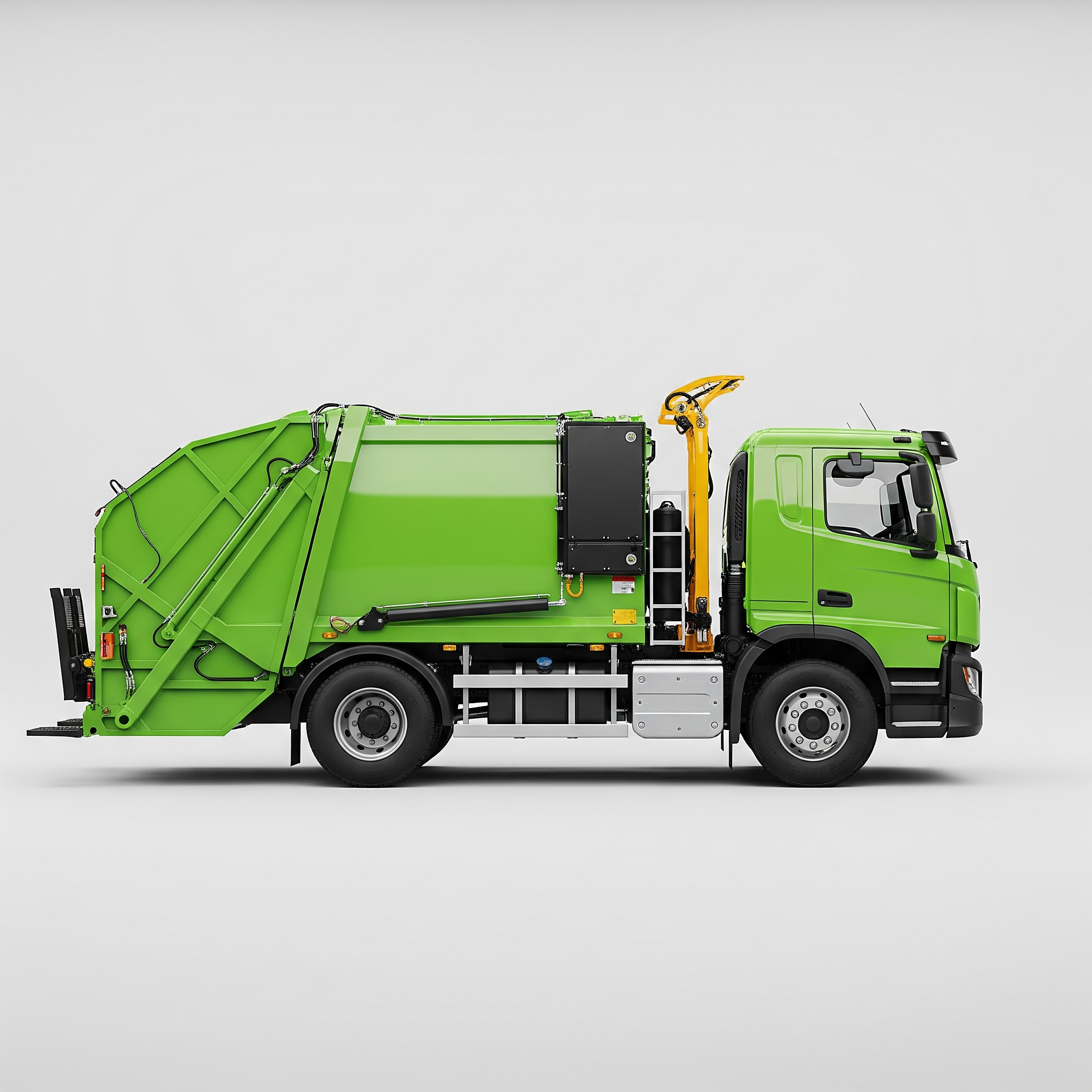
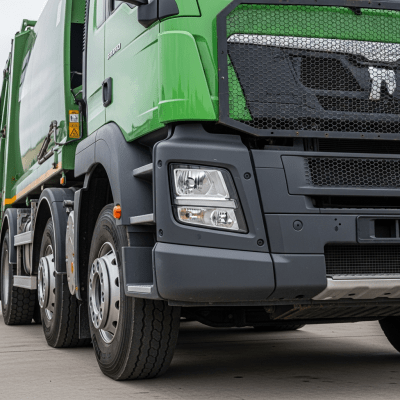
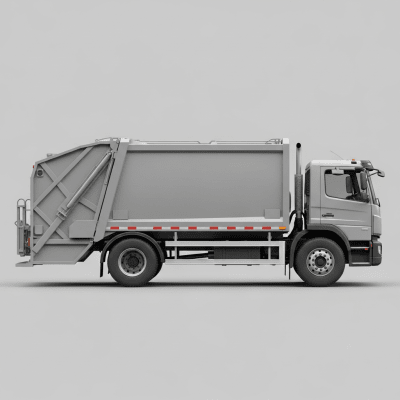
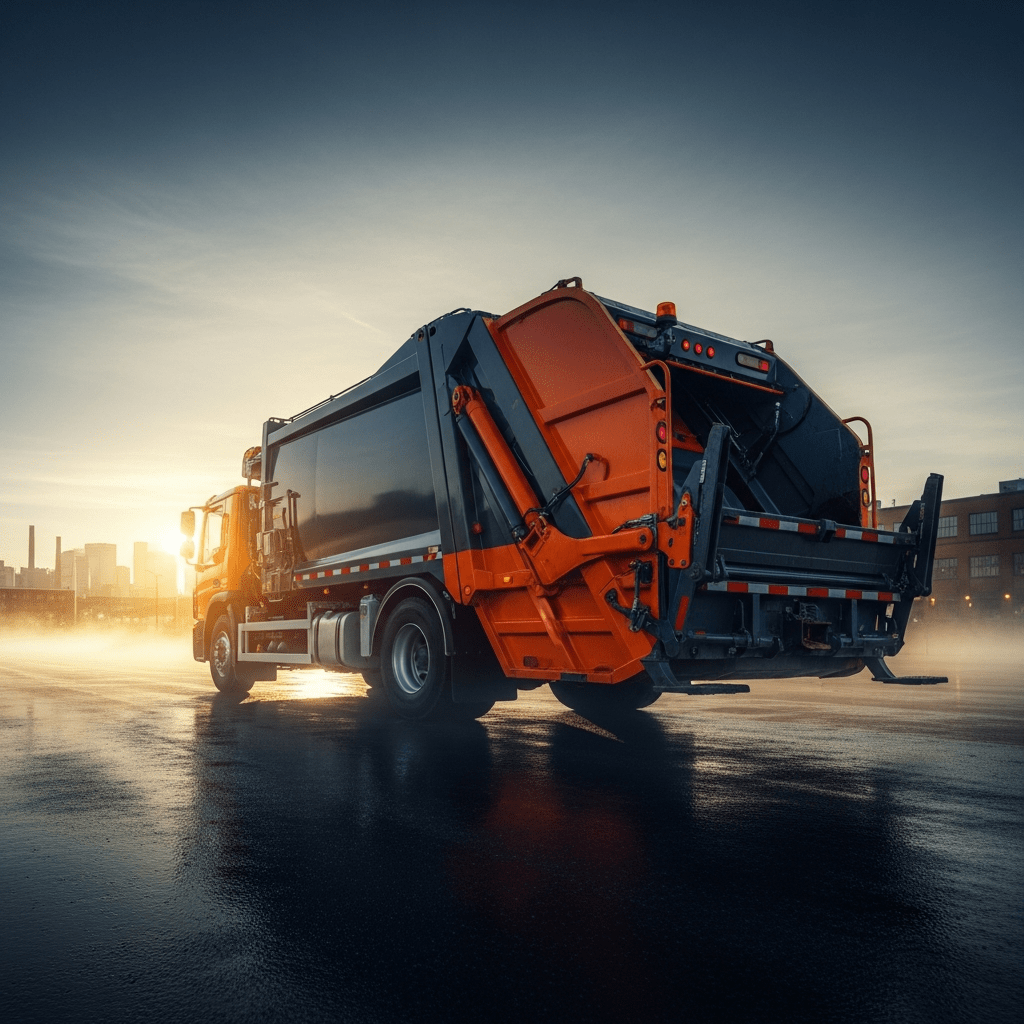
Visually, garbage trucks feature a sturdy chassis supporting an enclosed compactor body, often ranging from 6 to 12 meters in length and 2.4 to 2.6 meters in width. Heights vary between 3 and 4 meters depending on the body style. Cab designs include conventional, cab-over-engine, and low-entry configurations to facilitate frequent stops. Distinctive hydraulic or pneumatic compaction mechanisms and automated loading arms are common, along with safety elements like cameras and reflective markings.

Behavior or Usage

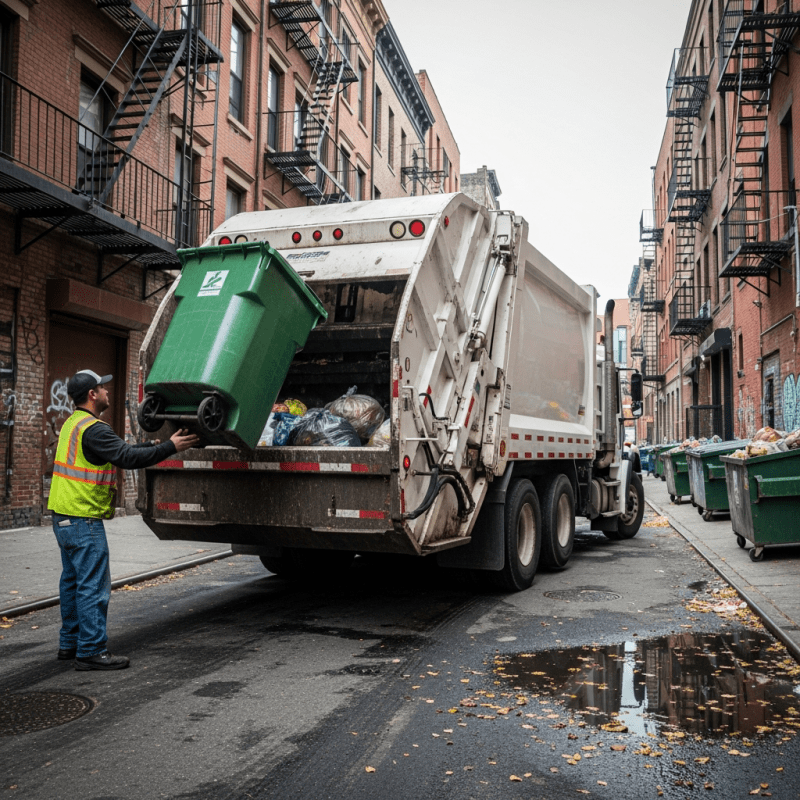
Garbage trucks serve the vital role of collecting municipal solid waste, recyclables, and organic materials from residential, commercial, and industrial sources. They transport this waste to transfer stations, landfills, or recycling centers, operating under strict regulations for emissions, noise, and safety. Variants such as rear loaders, front loaders, side loaders, and pneumatic collection trucks accommodate diverse waste management practices worldwide.

Merchandise & Prints

Bring this kind into your world � illustrated posters, mugs, and shirts.

Garbage Truck Garbage Truck Poster

Garbage Truck Poster

Archival print, museum-grade paper

Garbage Truck Garbage Truck Mug

Garbage Truck Mug

Stoneware mug, dishwasher safe

Garbage Truck Garbage Truck Shirt

Garbage Truck Shirt

Soft cotton tee, unisex sizes

Attributes & Insights

Taxon-Specific Insights

🌍Cultural Significance

Beyond their practical function, garbage trucks have become symbols of urban cleanliness and public health. They appear in children’s books, educational media, and community events, often celebrated for their role in maintaining safe and sanitary living environments. Regional nicknames like "dustcart" and "bin lorry" reflect cultural vernacular, while their presence underscores society’s commitment to environmental stewardship and waste management.

📌Notable Facts

  • Garbage trucks can compact waste at ratios between 2:1 and 6:1, significantly reducing volume for transport.
  • They commonly weigh between 7,000 and 15,000 kilograms when empty, with payload capacities up to 15,000 kilograms.
  • Emerging models increasingly use alternative fuels such as compressed natural gas (CNG), liquefied natural gas (LNG), and electric powertrains.
  • Cab designs are optimized for frequent stops, including low-entry cabs that enhance operator safety.
  • Specialized safety features like cameras, alarms, and reflective markings are standard to protect workers and pedestrians.

⚙️Technical Specifications

⚙️ Technical Specifications: Garbage trucks typically have 2 to 4 axles and measure 6 to 12 meters in length, 2.4 to 2.6 meters in width, and 3 to 4 meters in height. They are powered mainly by diesel engines compliant with Euro VI or EPA 2010 standards, though CNG, LNG, and electric variants are growing. Cab configurations include conventional, cab-over-engine, and low-entry designs. The cargo area features enclosed compactor bodies equipped with hydraulic or pneumatic compaction systems, automated loading arms, and hopper capacities ranging from 2 to 10 cubic meters. Safety features commonly include cameras, alarms, and reflective markings.

Visual Variations

High quality studio photograph of a single Garbage Truck from the trucks taxonomy
Photorealistic image of a Garbage Truck (trucks) in its typical working environment
Image of a Garbage Truck (trucks) being used by people in a real-world scenario
Close-up photograph focusing on distinctive details of a Garbage Truck from the trucks taxonomy
Clean side profile view of a Garbage Truck, part of the trucks

Composition & Context

Taxon-Specific Insights

🚛Common Models

Notable garbage truck models include the Mack LR Series popular in the United States, the Mercedes-Benz Econic widely used in Europe, and the Isuzu Forward favored across Asia-Pacific. Tata Motors also produces models tailored for emerging markets. These trucks reflect regional preferences in body styles and loading mechanisms, with ongoing innovations to improve efficiency and environmental performance.

🛠️Maintenance And Care

Maintaining a garbage truck involves regular inspection of the hydraulic and pneumatic compaction systems, engine servicing, and safety equipment checks. Frequent stops and heavy loads demand robust brake maintenance and tire monitoring. Operators must also ensure cleanliness to prevent odors and corrosion, while adherence to emissions standards requires periodic engine tuning or upgrades, especially for alternative fuel models.

🌿Environmental Impact

Garbage trucks play a crucial role in urban sanitation but also contribute to environmental challenges through fuel consumption and emissions. The shift toward cleaner powertrains like CNG, LNG, and electric motors is reducing their ecological footprint. Additionally, efficient compaction reduces the number of trips needed, lowering overall emissions. Regulatory frameworks worldwide increasingly mandate these improvements, promoting sustainable waste collection practices.

Faq

Q: What types of garbage trucks are there?
A: Common types include rear loaders, front loaders, side loaders, roll-off trucks, and pneumatic collection vehicles, each suited to different waste collection methods.

Q: Are garbage trucks environmentally friendly?
A: Many modern garbage trucks use cleaner fuels like CNG or electricity to reduce emissions, aligning with stricter environmental regulations.

Q: How heavy is a typical garbage truck?
A: They usually weigh between 7,000 and 15,000 kilograms when empty, with payload capacities up to 15,000 kilograms.