Origin Story

Originating in the early 20th century, livestock trucks evolved from simple flatbeds with makeshift enclosures into purpose-built vehicles. Major manufacturers like Daimler, Volvo Trucks, Scania, MAN, Kenworth, and Tata Motors have continuously refined these trucks to meet growing regulatory and welfare standards, adapting designs regionally to enhance animal safety and transport efficiency.

Classification

Classified as medium- to heavy-duty trucks, livestock trucks fall under regulatory categories such as US DOT Class 7 and 8, and EU Categories N2 and N3. They belong to the broader family of commercial cargo trucks but are distinguished by their specialized cargo areas designed specifically for live animal transport.

Appearance or Form

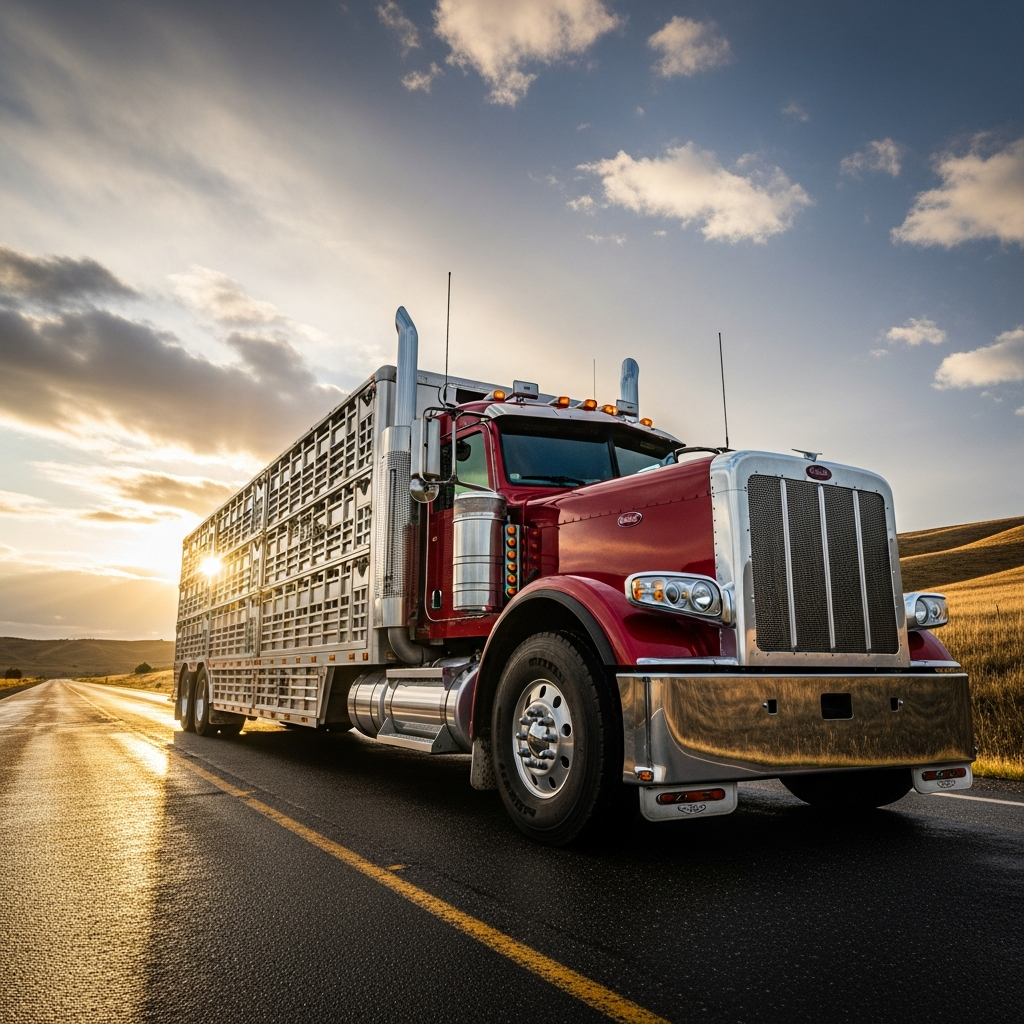
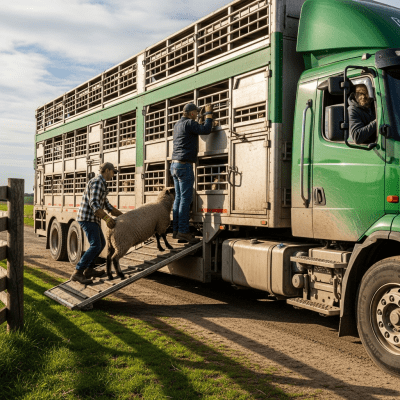
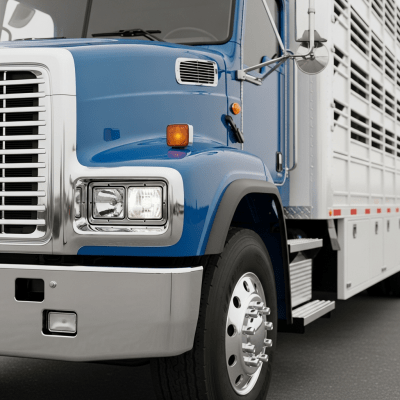
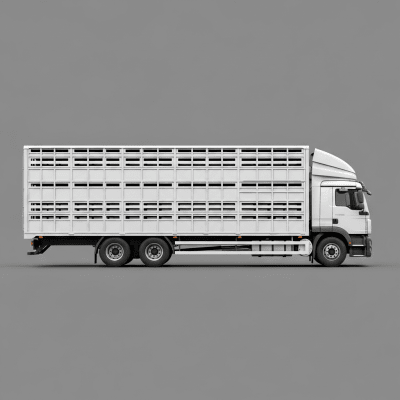
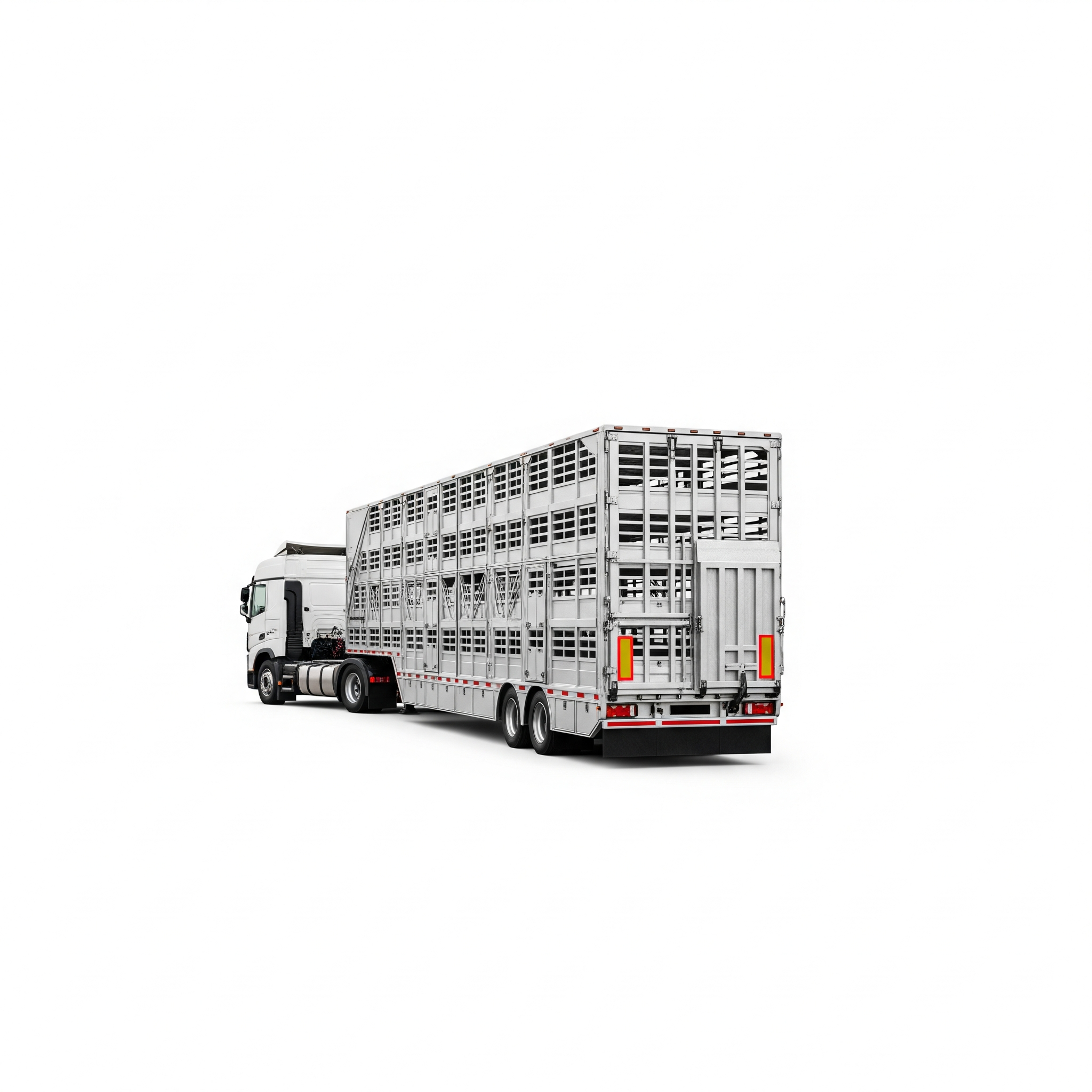
Livestock trucks typically range from 7 to 18 meters in length and feature ventilated enclosed cargo areas with slatted or perforated sides for airflow. Their reinforced chassis support 2 to 4 axles, and the cargo space includes non-slip flooring, internal partitions, ramps, and sometimes hydraulic lifts or temperature control systems to ensure animal comfort and safety.

Behavior or Usage

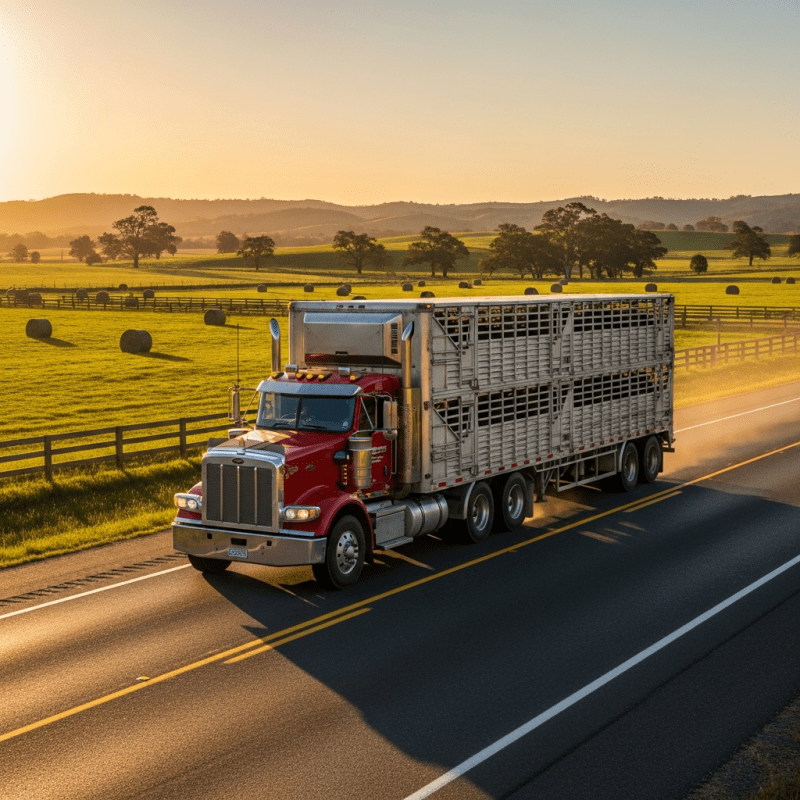
Primarily used to transport live animals between farms, markets, slaughterhouses, and exhibitions, livestock trucks operate within strict animal welfare and biosecurity regulations. They facilitate the agricultural supply chain by ensuring animals are moved efficiently and humanely, often equipped with GPS tracking and monitoring systems to comply with transport standards.

Merchandise & Prints

Bring this kind into your world � illustrated posters, mugs, and shirts.

Livestock Truck Livestock Truck Poster

Livestock Truck Poster

Archival print, museum-grade paper

Livestock Truck Livestock Truck Mug

Livestock Truck Mug

Stoneware mug, dishwasher safe

Livestock Truck Livestock Truck Shirt

Livestock Truck Shirt

Soft cotton tee, unisex sizes

Attributes & Insights

Taxon-Specific Insights

🌍Cultural Significance

Livestock trucks hold a significant place in agricultural communities worldwide, symbolizing the vital link between rural farming and urban markets. While not often featured in mainstream art or myth, they represent the modernization of animal husbandry and are recognized in regional vernaculars such as "stock truck" or "cattle truck," reflecting their cultural embeddedness in farming traditions.

📌Notable Facts

  • Livestock trucks are equipped with ventilated cargo areas featuring slatted sides to maintain airflow and animal comfort.
  • They commonly have 2 to 4 axles to support heavy payloads ranging from 5 to 25 metric tons.
  • Production spans over a century, with continuous improvements in animal welfare and safety features.
  • Regional adaptations include Australia's "road trains" designed for long-distance livestock haulage.
  • Advanced models incorporate GPS tracking and monitoring systems to ensure regulatory compliance during transport.

⚙️Technical Specifications

⚙️ Livestock trucks are medium- to heavy-duty vehicles with gross vehicle weight ratings starting at approximately 11,793 kg (US DOT Class 7 and 8, EU N2/N3). They typically measure between 7 and 18 meters in length and have 2 to 4 axles. Powered predominantly by diesel engines, their horsepower ranges from 150 to over 600. Cargo areas are ventilated with slatted or perforated sides, equipped with non-slip floors, internal partitions, ramps, hydraulic lifts, and sometimes temperature control systems. Cab configurations include day cabs, sleeper cabs, and crew cabs. Safety features often include GPS tracking and monitoring systems to ensure compliance with transport regulations.
Visual Variations

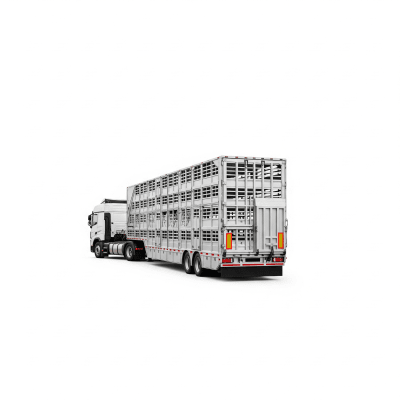
High quality studio photograph of a single Livestock Truck from the trucks taxonomy
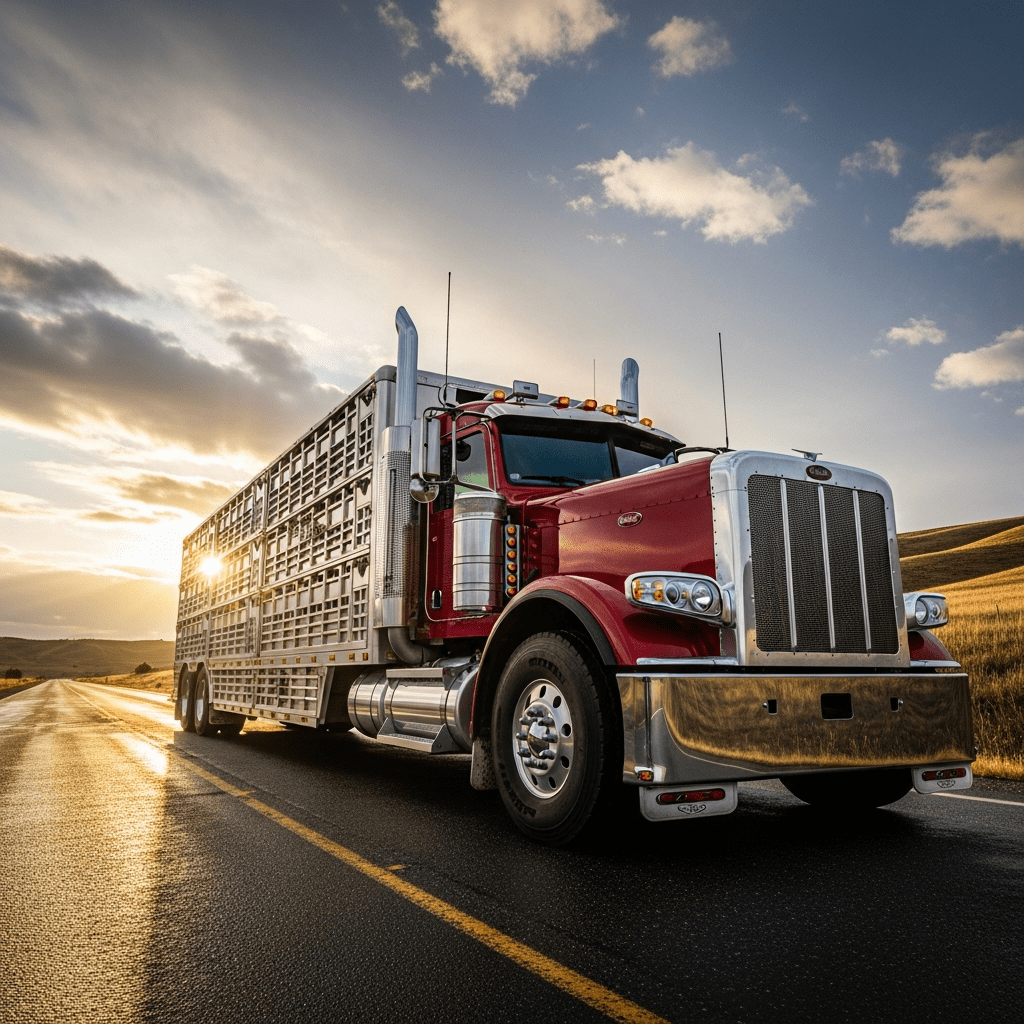
Photorealistic image of a Livestock Truck (trucks) in its typical working environment
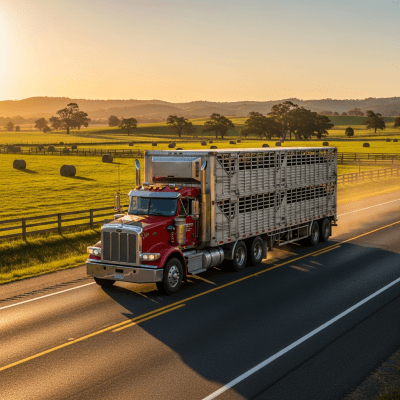
Image of a Livestock Truck (trucks) being used by people in a real-world scenario
Close-up photograph focusing on distinctive details of a Livestock Truck from the trucks taxonomy
Clean side profile view of a Livestock Truck, part of the trucks

Composition & Context

Taxon-Specific Insights

🚛Common Models

🚚 Prominent livestock truck models are produced by leading manufacturers such as Daimler (Mercedes-Benz), Volvo Trucks, Scania, MAN, Kenworth, and Tata Motors. While specific model names vary by region and production year, these manufacturers offer a range of medium- to heavy-duty trucks adapted for livestock transport, often customized to meet local regulatory and operational requirements.

🛠️Maintenance And Care

🛠️ Maintaining a livestock truck involves regular inspection of the ventilated cargo area to ensure slats and perforations remain clear for airflow. Non-slip flooring and partitions require upkeep to prevent wear that could harm animals. Hydraulic lifts and ramps must be serviced for safe operation. Engine and chassis maintenance follow standard heavy-duty truck protocols, with additional attention to biosecurity measures to prevent disease transmission between loads.

🌿Environmental Impact

🌿 Livestock trucks contribute to environmental impacts primarily through diesel engine emissions and the resources consumed during animal transport. However, advancements in engine technology and regulatory standards aim to reduce pollutants. Efficient routing and load optimization help minimize carbon footprints. Additionally, strict biosecurity and welfare regulations ensure that transport practices mitigate stress-related losses, indirectly supporting sustainable livestock management.

Faq

Q: What animals are typically transported in livestock trucks?
A: Commonly cattle, sheep, pigs, and horses.

Q: How do livestock trucks ensure animal welfare during transport?
A: They feature ventilated cargo areas, non-slip flooring, partitions, ramps, and sometimes temperature control systems to maintain comfort and safety.

Q: Are livestock trucks regulated?
A: Yes, they must comply with strict animal welfare and transport regulations such as the EU Council Regulation (EC) No 1/2005 and US FMCSA standards.