Pickup Truck
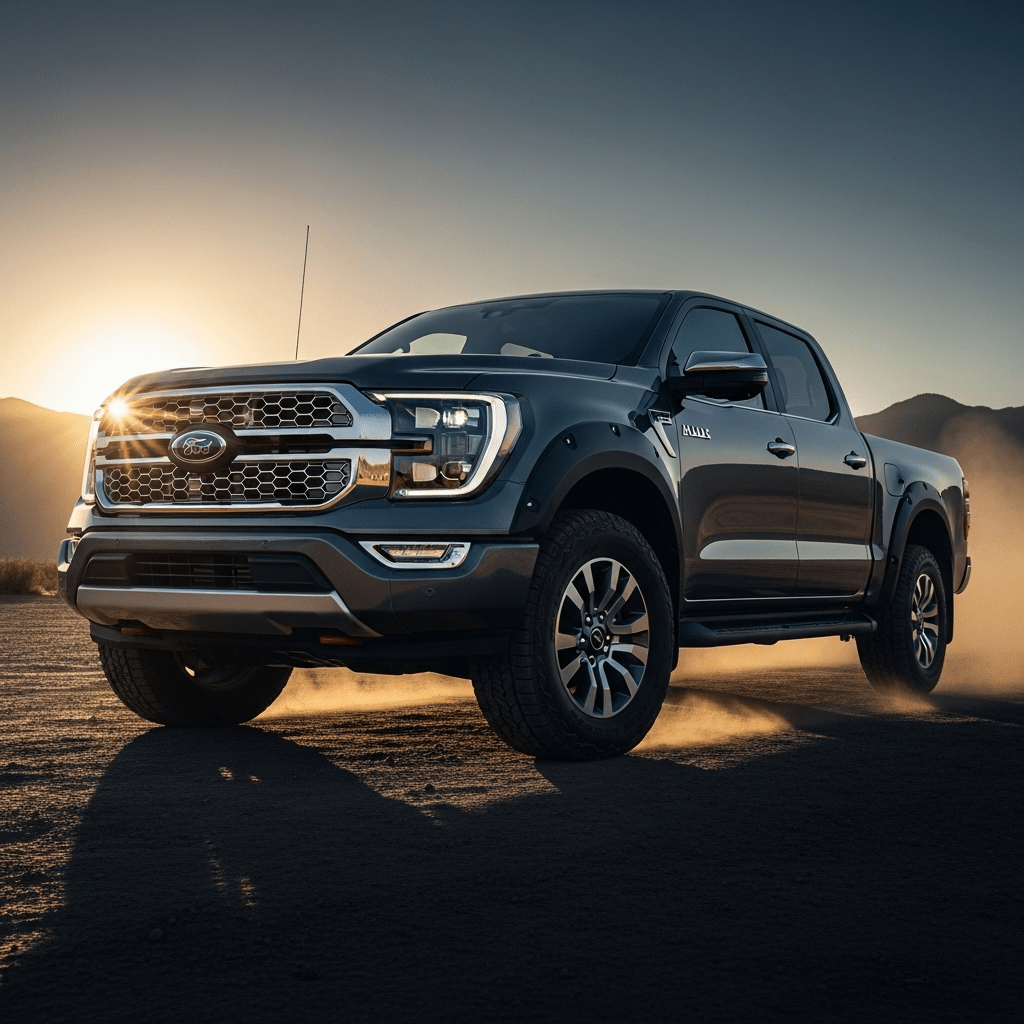
A pickup truck is a light-duty motor vehicle featuring an enclosed cab and an open cargo bed, designed primarily for transporting goods and equipment with versatility across commercial and personal uses.
A pickup truck is a light-duty motor vehicle featuring an enclosed cab and an open cargo bed, designed primarily for transporting goods and equipment with versatility across commercial and personal uses.
Pickup trucks originated in the United States in the early 20th century, with Ford pioneering factory-assembled models such as the 1925 Model T Runabout with Pickup Body. Since then, the segment has evolved through decades of innovation, with enduring models like the Ford F-Series, Chevrolet Silverado, and Toyota Hilux shaping its legacy.
Classified as light-duty trucks under standards like SAE J2807, US DOT Light Truck, and the EU N1 category, pickup trucks belong to the broader family of cargo vehicles designed for goods transport, distinguished by their open cargo beds and cab configurations.
Pickup trucks typically measure between 5.2 and 6.2 meters in length, 1.8 to 2.1 meters in width, and 1.7 to 2.0 meters in height. They combine an enclosed driver cab—available in single, extended, crew, or chassis cab layouts—with an open cargo bed ranging from 1.5 to 2.5 meters long, often equipped with tailgates, bed liners, and covers.
Designed for transporting cargo, tools, and equipment, pickup trucks serve diverse roles in agriculture, construction, emergency services, recreation, and personal mobility. Their drivetrains typically include rear-wheel, four-wheel, or all-wheel drive, enabling adaptability to various terrains and tasks.
Bring this kind into your world illustrated posters, mugs, and shirts.
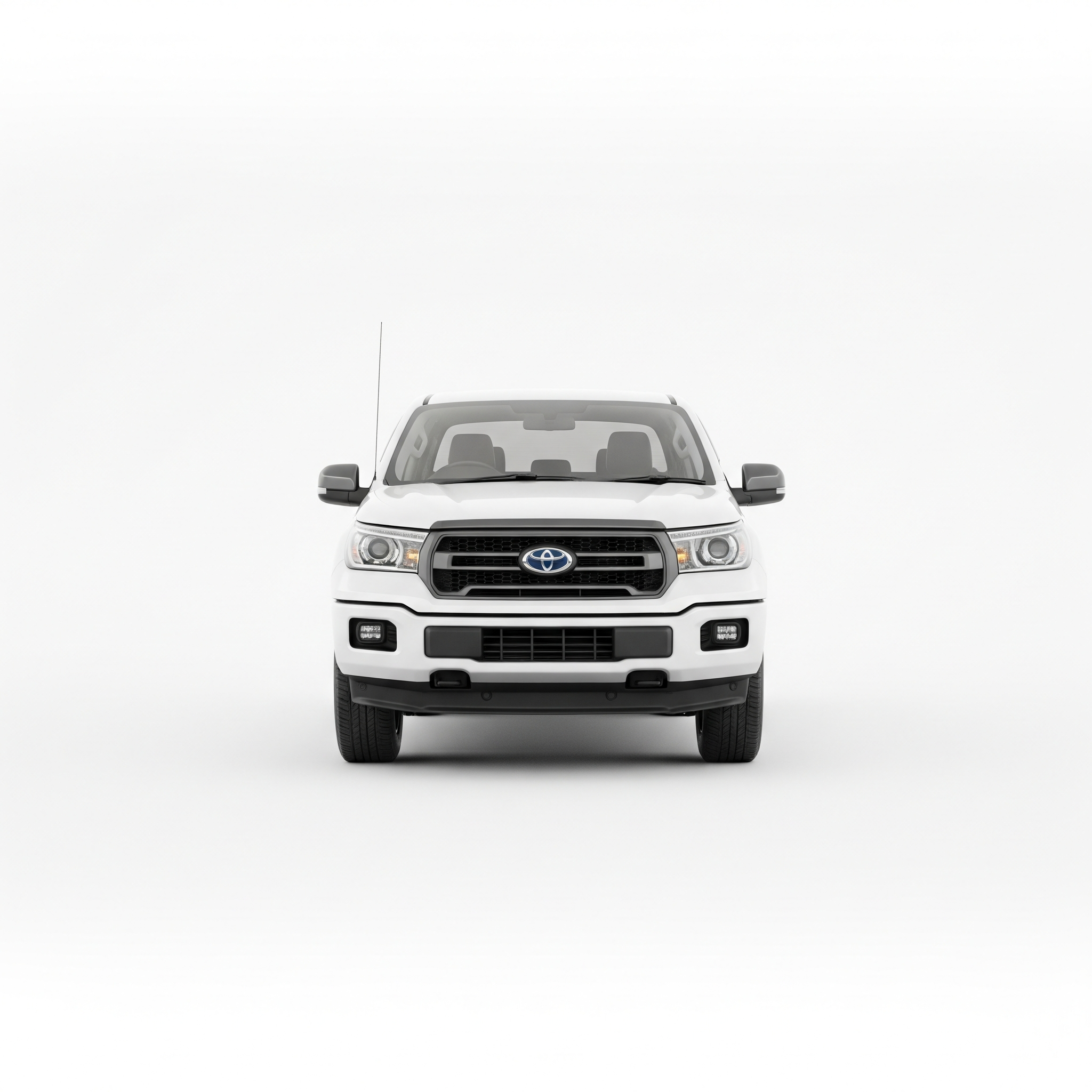
Archival print, museum-grade paper
Buy Poster
Stoneware mug, dishwasher safe
Buy Mug
Soft cotton tee, unisex sizes
Buy ShirtPickup trucks hold a prominent place in modern culture, especially in North America and regions like Australia and South Africa, symbolizing rugged utility and freedom. They appear frequently in media, advertising, and lifestyle imagery, embodying both workhorse reliability and recreational adventure.
Pickup trucks typically weigh between 1,500 and 3,500 kilograms curb weight, with gross vehicle weight ratings in the same range. Engines range from 2.0L inline-4 to 6.2L V8, producing 100 to 450 horsepower. They have two axles and come in cab configurations such as single, extended, crew, and chassis cab. Cargo beds are open and measure 1.5 to 2.5 meters in length, often featuring tailgates, liners, and covers. Drivetrains include rear-wheel, four-wheel, and all-wheel drive.
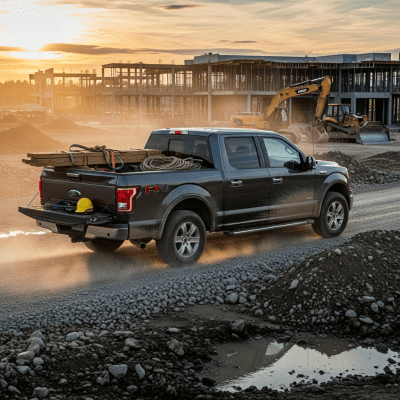

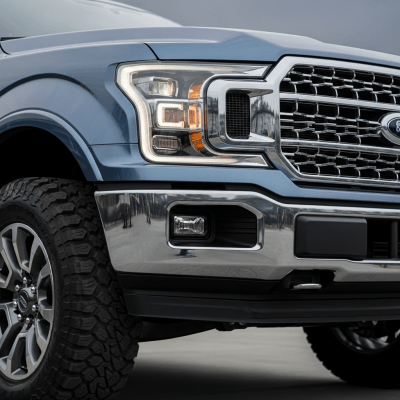
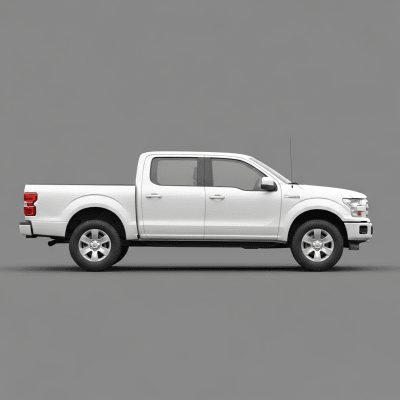
Popular and historically significant pickup truck models include the Ford F-Series, Chevrolet Silverado, Toyota Hilux, Nissan Frontier, Ram 1500, Isuzu D-Max, Tata Xenon, and Volkswagen Amarok. These models have shaped the segment globally with their durability and versatility.
Maintaining a pickup truck involves regular engine servicing, tire and brake inspections, and upkeep of the cargo bed components like tailgates and liners. Due to their frequent use in rugged environments, attention to suspension and drivetrain health is essential. Rust prevention and timely repairs extend vehicle longevity, especially in regions with harsh weather or off-road use.
Pickup trucks traditionally consume more fuel and emit higher pollutants than smaller vehicles due to their size and power. However, advances in hybrid and electric powertrains are reducing their environmental footprint. Regulatory classifications as light trucks subject pickups to emissions standards, and ongoing innovation aims to balance utility with sustainability.