Pita
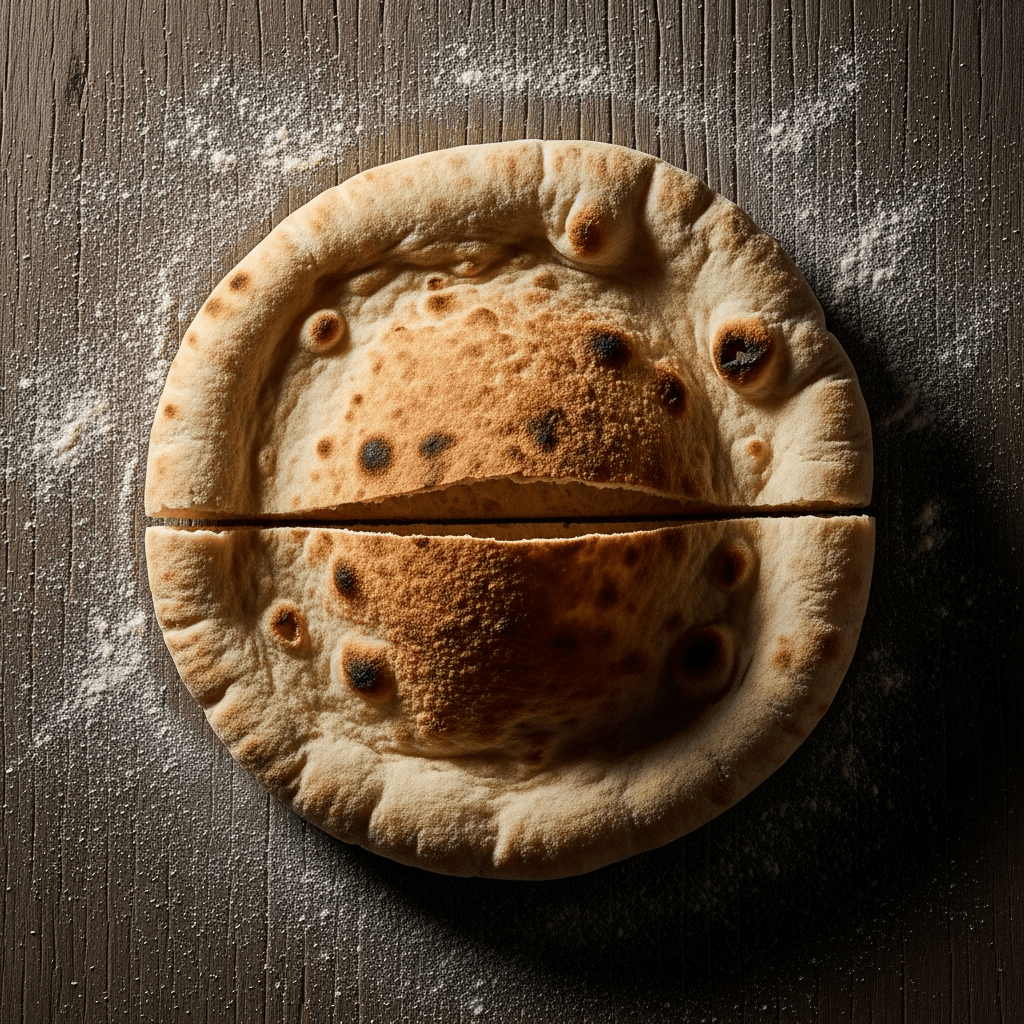
Pita is a round, yeast-leavened flatbread distinguished by its unique pocket, created during baking by steam expansion, making it ideal for stuffing and dipping.
Pita is a round, yeast-leavened flatbread distinguished by its unique pocket, created during baking by steam expansion, making it ideal for stuffing and dipping.
Pita traces its roots to ancient Middle Eastern civilizations, evolving over millennia from early wheat-based flatbreads baked in stone ovens. While no single inventor or institution claims its creation, pita emerged as a traditional staple across the Levant and surrounding regions, reflecting a shared culinary heritage.
Classified as a leavened flatbread within the broader bread family, pita belongs to the category of yeast-leavened breads baked at high temperatures. It stands apart from other flatbreads by its characteristic pocket, formed by steam during baking, which enables its versatile use as a vessel for fillings.
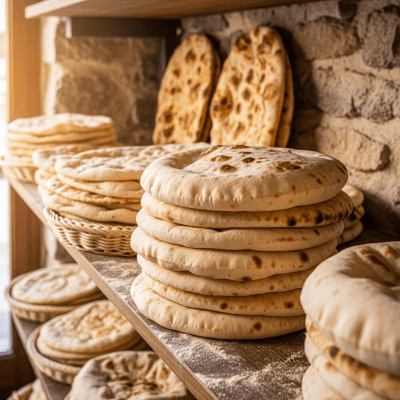
Pita is typically round, measuring 15 to 20 centimeters in diameter and about 0.5 to 1 centimeter thick before baking. Its soft, elastic crumb is enclosed by a thin crust that puffs up during baking, creating the signature hollow pocket. The bread’s texture is tender yet resilient, with a subtle golden hue from the baking process.
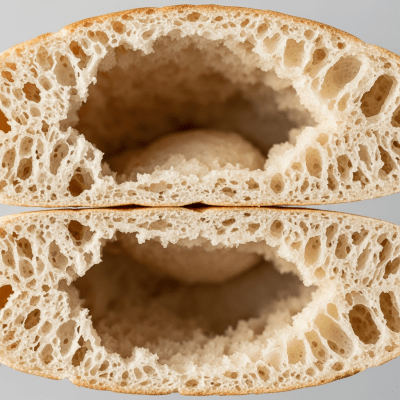
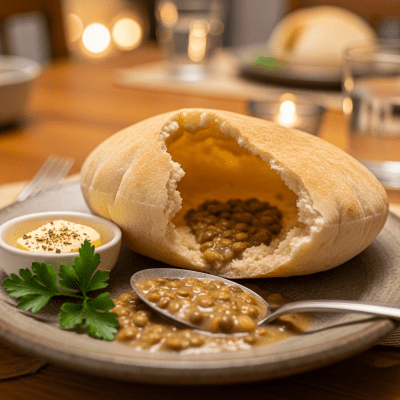
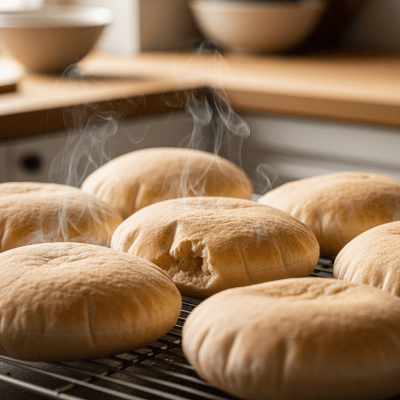
During baking at very high temperatures, steam causes the dough to puff and separate into two layers, forming the iconic pocket. This pocket allows pita to be easily sliced open and filled, making it a practical bread for wraps, sandwiches, and scooping dips. Its pliability and pocket structure enhance its utility in diverse culinary contexts.
Bring this kind into your world illustrated posters, mugs, and shirts.
Archival print, museum-grade paper
Buy Poster
Stoneware mug, dishwasher safe
Buy Mug
Soft cotton tee, unisex sizes
Buy ShirtPita holds a central place in Middle Eastern and Mediterranean food culture, symbolizing communal meals and traditional hospitality. It appears frequently in regional cuisines as a daily staple and is often associated with dishes like shawarma, falafel, and hummus. Its enduring presence reflects deep cultural continuity and culinary identity across several countries.
Primary ingredients include wheat flour, water, commercial yeast, and salt. Some recipes also incorporate olive oil and sugar to enrich the dough slightly.
Pita dough is leavened using commercial yeast, which ferments the dough to produce gas that helps it rise. While specific fermentation times vary, the process is generally short to maintain the dough’s elasticity and enable rapid baking at high temperatures.
Pita offers a soft, low-fat bread option primarily composed of wheat flour. While detailed nutritional data varies, it typically provides carbohydrates with moderate fiber content depending on flour type, making it a staple energy source in many diets.
Fresh pita is best consumed within one to two days to enjoy optimal softness and flavor. It can be stored at room temperature in sealed packaging to retain moisture or frozen for longer preservation. Like most breads, pita is susceptible to staling and mold if improperly stored.
Pita is widely used as a wrap for fillings such as shawarma and falafel, as a scoop for dips like hummus and baba ghanoush, and as a base for sandwiches. Its pocket allows for convenient stuffing, making it a versatile bread in Middle Eastern and Mediterranean cuisines.
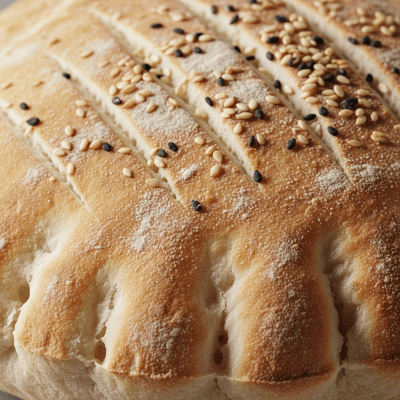
Regional variations include the Greek pita, which is often pocketless and used for souvlaki wraps, and North African breads like batbout and mekhmar that share similarities but differ in thickness and texture. Variations also exist in pocket formation and ingredient additions across Middle Eastern countries.
Pita is widely available in supermarkets and bakeries worldwide, commonly sold packaged in plastic to preserve freshness. Its global popularity has led to mass production alongside artisanal varieties, making it accessible in many urban and international markets.