
Damper
Damper is a traditional Australian bread known for its simple ingredients and rustic preparation, often baked in campfire ashes as a staple of bush cooking.
Damper is a traditional Australian bread known for its simple ingredients and rustic preparation, often baked in campfire ashes as a staple of bush cooking.
Damper originated in early 19th-century Australia, developed by European settlers and bushmen who adapted British soda bread recipes to local conditions. It became a practical staple for remote living and travel, reflecting a blend of colonial and indigenous food traditions.
Classified as a chemically leavened or unleavened bread, damper belongs to the family of simple wheat-based breads often baked without yeast. It fits within the broader category of rustic flatbreads and soda breads adapted for outdoor baking.
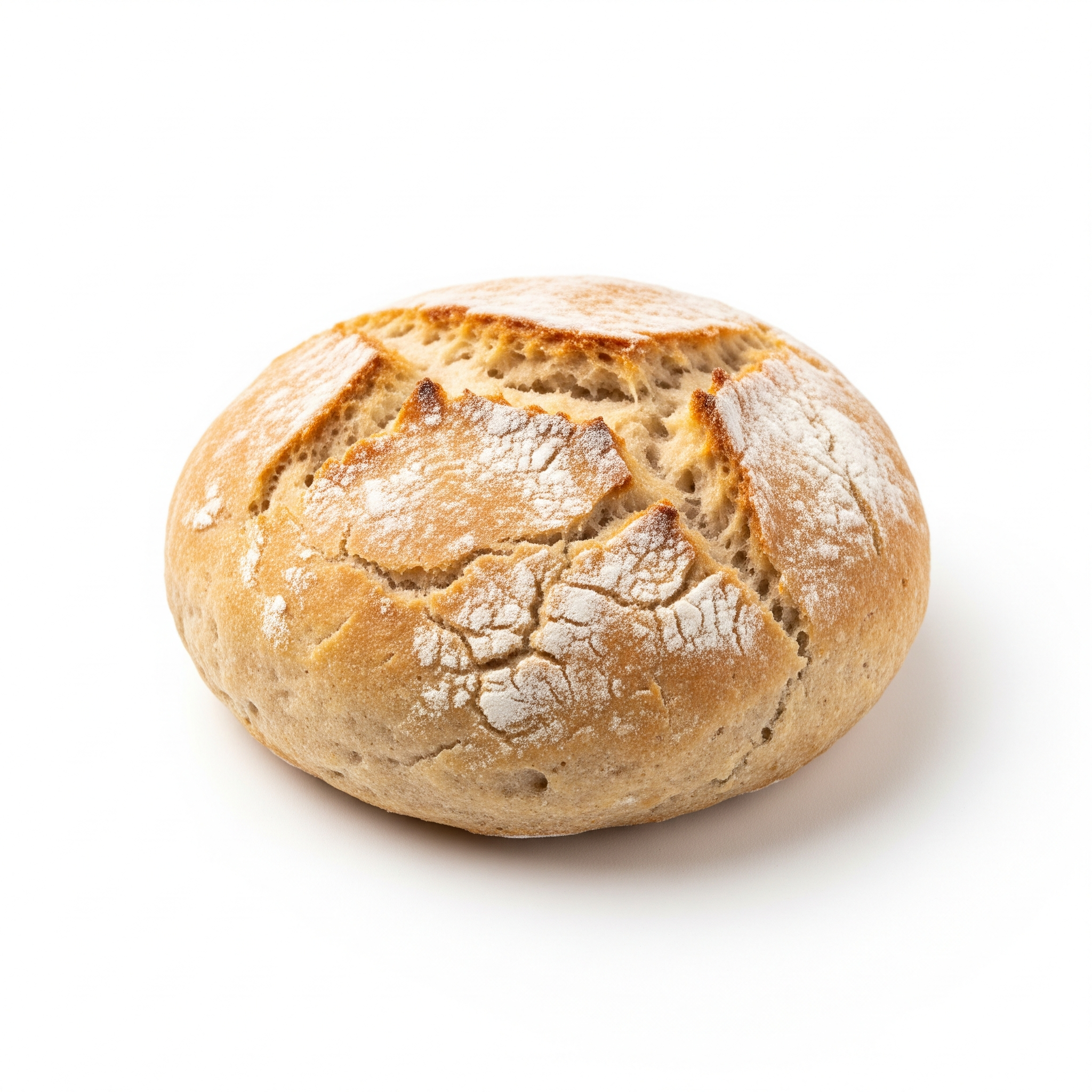
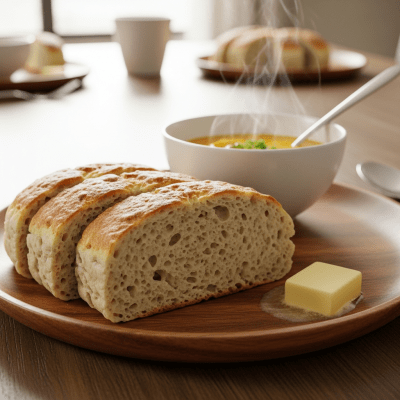
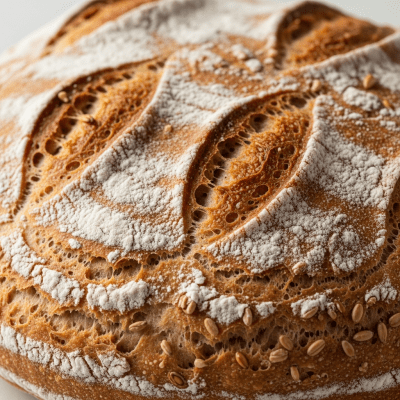
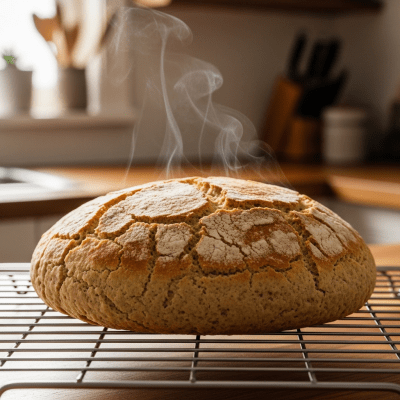
Damper typically takes a round or oval shape, measuring 15 to 25 centimeters in diameter. It features a dense, slightly crumbly crumb and a pale golden crust that is rustic and unadorned, reflecting its straightforward preparation.
Traditionally, damper is baked directly in the ashes or coals of a campfire, making it a practical bread for bush life. It serves as a staple or side bread, commonly enjoyed with golden syrup, jam, or hearty meat stews, embodying simplicity and adaptability.
Bring this kind into your world illustrated posters, mugs, and shirts.
Archival print, museum-grade paper
Buy Poster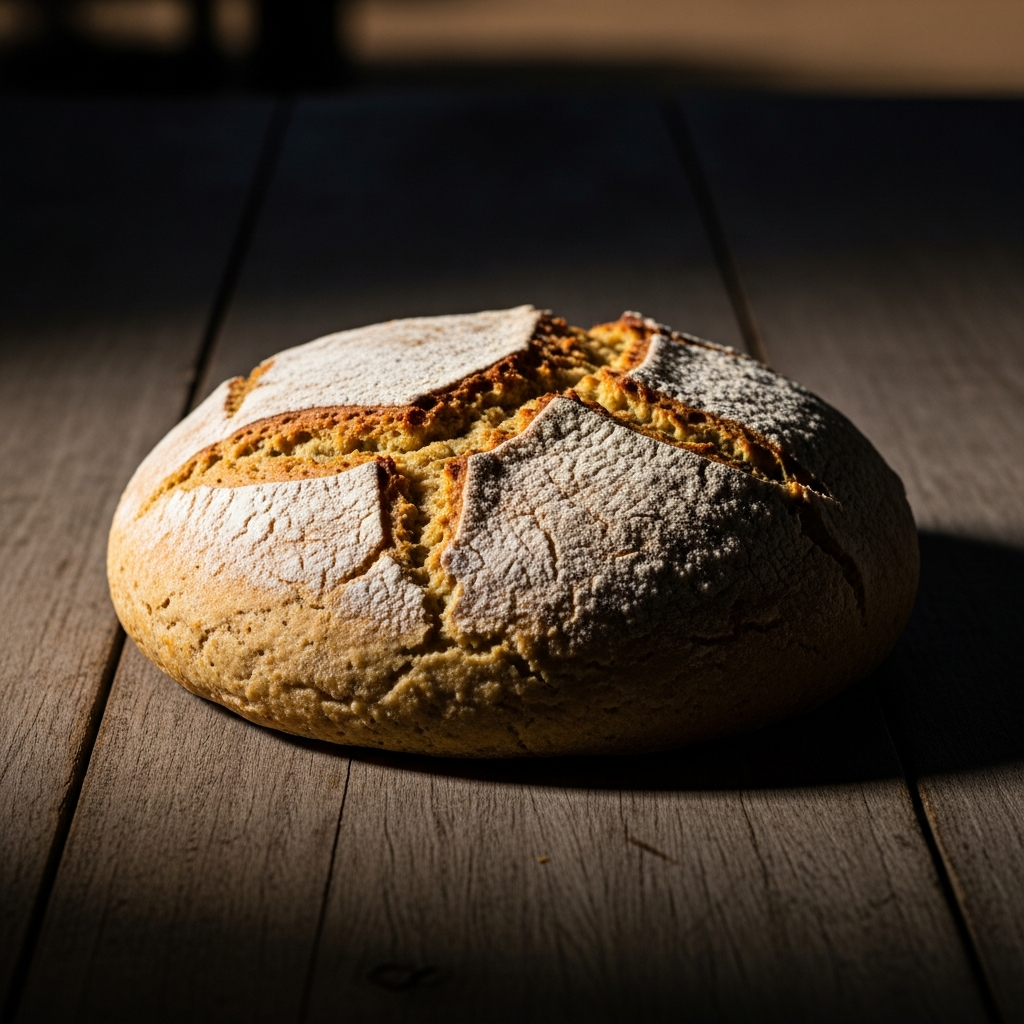
Stoneware mug, dishwasher safe
Buy Mug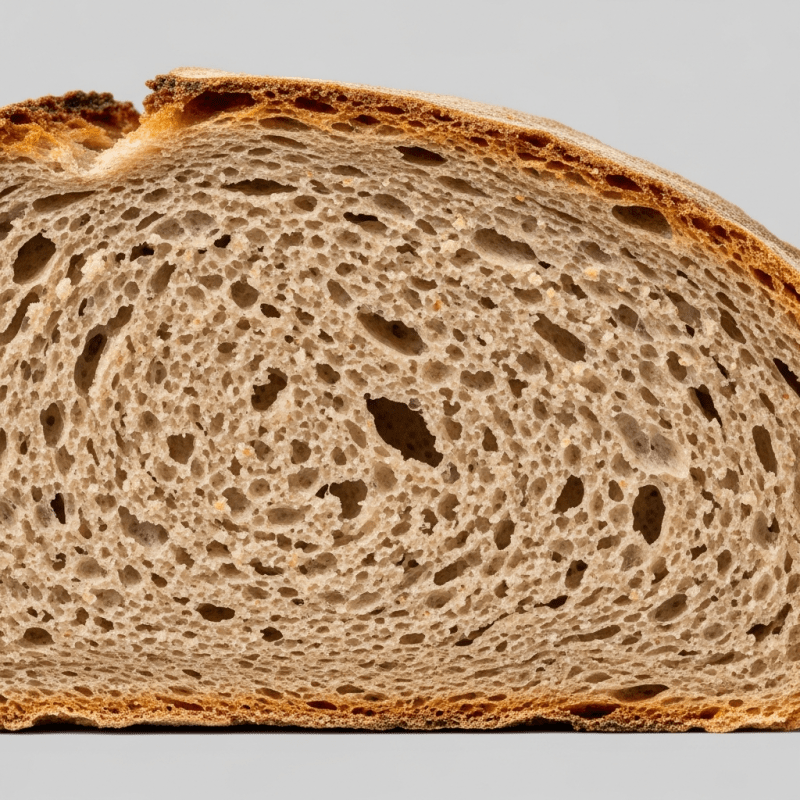
Soft cotton tee, unisex sizes
Buy ShirtDamper holds iconic status in Australian culture as a symbol of pioneer resilience and bush heritage. It features prominently in heritage events, tourism, and educational demonstrations, linking colonial settler history with indigenous Australian foodways.
🌾 Damper is made from simple, staple ingredients: wheat flour, water, salt, and occasionally baking soda as a leavening agent.


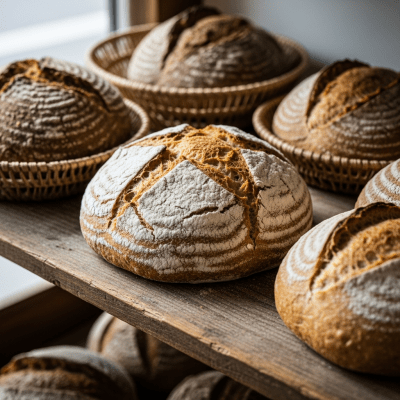
🧃 Damper typically uses chemical leavening through baking soda or no leavening at all, foregoing yeast or sourdough fermentation. This results in a quick bread that requires no fermentation time.
🍎 While specific nutritional data varies, damper is a basic wheat flour bread providing carbohydrates and some dietary fiber. Its simplicity means it lacks enrichment or fortification common in commercial breads.
🛖 Damper has a short shelf life and is best consumed fresh due to the absence of preservatives. It is typically stored at room temperature and does not keep well beyond a day or two.
🍞️ Damper is enjoyed as a staple or side bread, often paired with golden syrup, jams, or savory meat stews. Its traditional outdoor baking method makes it popular for camping and bush cooking experiences.
🌍 Variations of damper across Australia may include additions like milk, butter, or self-raising flour, reflecting local preferences and ingredient availability.
🛒 Damper is available in some commercial bakeries and featured at heritage events. It remains popular for outdoor cooking demonstrations and educational purposes, though it is less common in mainstream retail.