Bagel
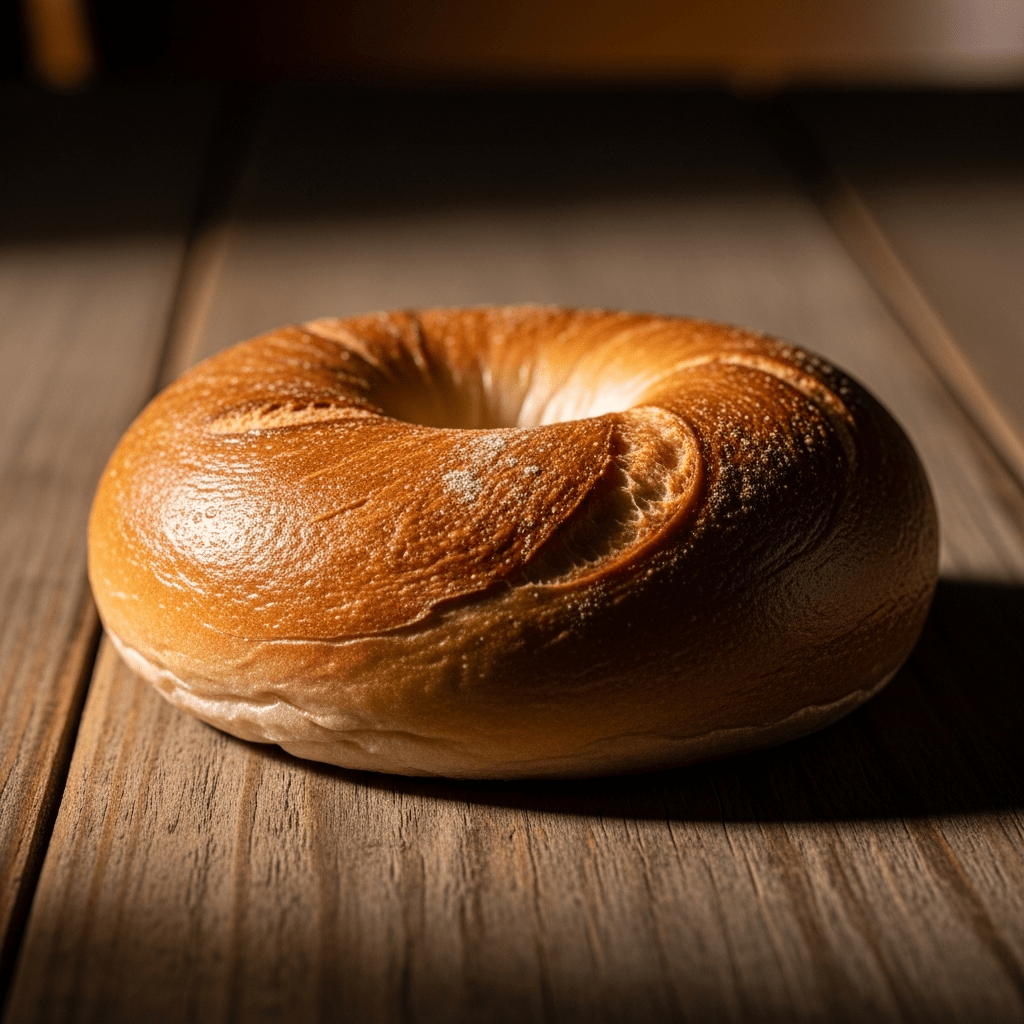
The bagel is a distinctive ring-shaped bread known for its dense, chewy crumb and glossy crust, achieved by boiling the dough before baking.
The bagel is a distinctive ring-shaped bread known for its dense, chewy crumb and glossy crust, achieved by boiling the dough before baking.
Originating in the early 17th century within Ashkenazi Jewish communities of Poland, the bagel was first documented around 1610 in Kraków. Rooted in traditional wheat-based breads, its unique preparation involving boiling before baking set it apart from other European breads.
Bagels belong to the leavened bread family, specifically classified as yeast-leavened breads that undergo a distinctive boiling step prior to baking, which differentiates them from typical baked breads.
Bagels are typically ring-shaped with a central hole, measuring about 10–12 cm in diameter and 3–4 cm thick. They feature a dense, chewy crumb and a firm, glossy golden-brown crust formed by boiling the dough before baking.
Bagels function as a versatile staple or snack bread, often sliced and enjoyed with spreads like cream cheese, butter, or smoked salmon. Their dense texture makes them ideal for toasting and layering, commonly featured in breakfast and brunch meals.
Bring this kind into your world illustrated posters, mugs, and shirts.

Archival print, museum-grade paper
Buy Poster
Stoneware mug, dishwasher safe
Buy Mug
Soft cotton tee, unisex sizes
Buy ShirtEmerging from Jewish culinary traditions, bagels have become cultural icons in North America and beyond, symbolizing heritage and community. They appear in art, literature, and popular culture as emblematic of Jewish identity and urban food culture.
Bagels are made primarily from high-gluten wheat flour, water, salt, yeast, and sometimes malt syrup to enhance flavor and crust color.

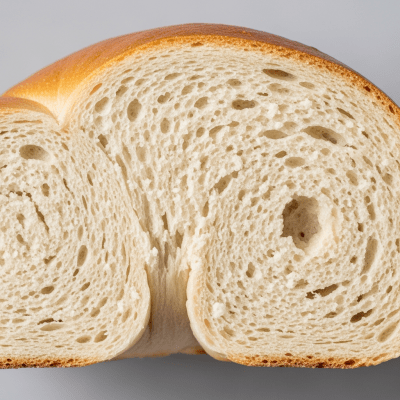




Bagels are leavened using commercial yeast, which ferments the dough before shaping. The fermentation time varies by recipe but is typically shorter than sourdough processes, focusing on achieving a dense, chewy texture.
While specific nutritional details vary, bagels generally provide a dense source of carbohydrates with moderate protein from wheat flour. Their low fat content contributes to a relatively lean profile, though fiber and micronutrient levels depend on flour type.
Bagels are best stored at room temperature and consumed within two days to avoid staling and drying. They freeze well, which helps preserve freshness and texture for longer periods.
Commonly enjoyed sliced and toasted, bagels serve as a base for spreads like cream cheese, butter, or smoked salmon. They are popular in breakfast and brunch menus and can be topped with seeds, onions, or other flavors before baking.
Notable regional variants include the Montreal-style bagel, which is smaller, sweeter, and baked in wood-fired ovens, and the New York-style bagel, larger and saltier, boiled in malted water. In Israel, the “beigel” differs slightly in texture and flavor from its North American counterparts.
Bagels are widely available in both artisanal and industrial bakeries worldwide, offered in numerous flavors and toppings to suit diverse tastes and preferences.