English Muffin
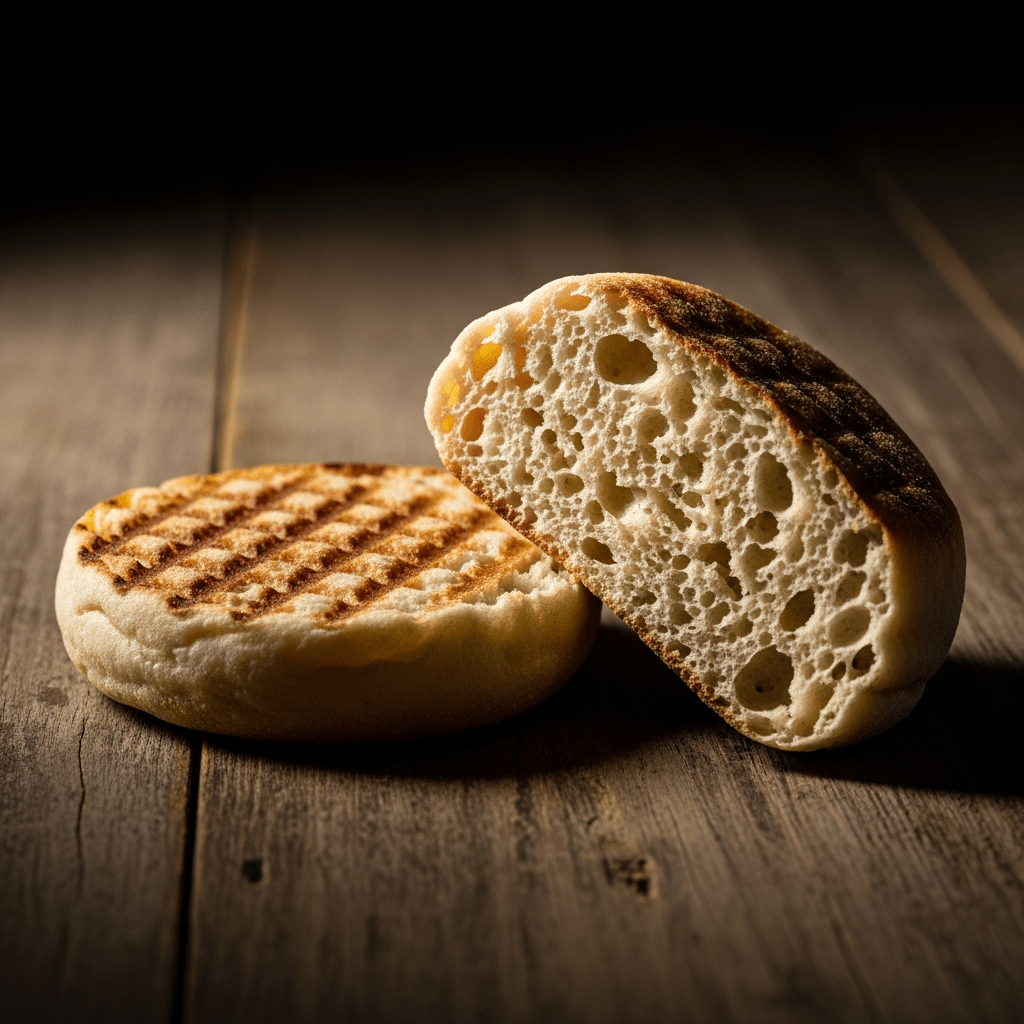
The English muffin is a small, round yeast-leavened bread known for its unique griddled cooking method and a signature porous interior often described as "nooks and crannies."
The English muffin is a small, round yeast-leavened bread known for its unique griddled cooking method and a signature porous interior often described as "nooks and crannies."
Originating in the United Kingdom in the early 18th century, the English muffin was popularized by baker Samuel Bath Thomas. He adapted traditional British yeast breads for griddle cooking, catering to urban households without ovens, before introducing the style to the United States in the late 19th century.
Classified as a yeast-leavened bread, the English muffin belongs to the family of breads cooked on a griddle rather than baked in an oven. It is distinct from sweet muffins and falls under the category of leavened, round breads with a characteristic open crumb.
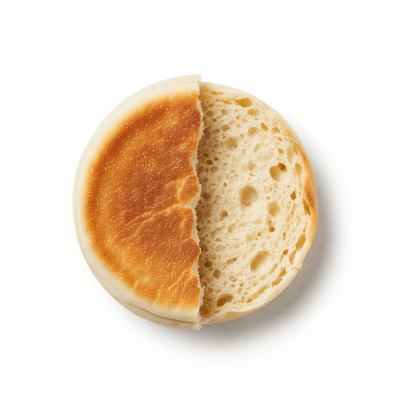
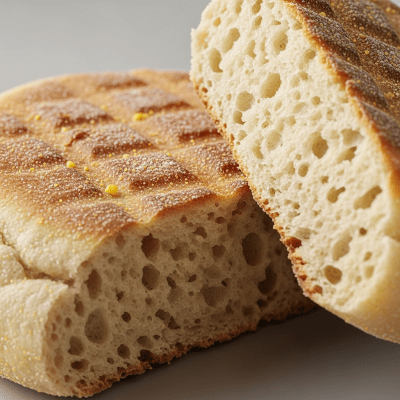
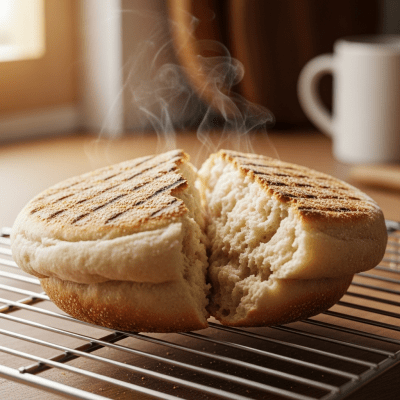
English muffins are typically round, measuring 8–10 cm in diameter and 2–3 cm thick. They feature a pale golden exterior with a slight crust formed by griddling. When split open, their interior reveals a porous crumb with numerous open holes, creating the famed "nooks and crannies" texture prized for holding butter and spreads.
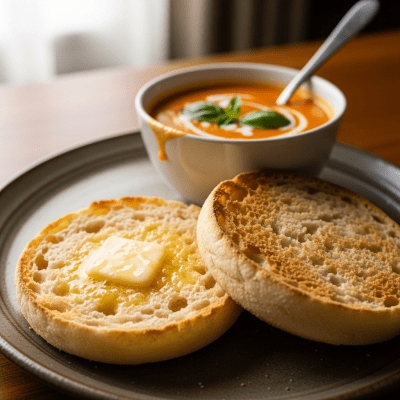
Primarily enjoyed as a breakfast bread, English muffins are split and toasted to enhance their texture and flavor. Their porous crumb absorbs butter, jams, and savory toppings effectively. They also serve as a foundational element in dishes like eggs Benedict, showcasing their versatility in both sweet and savory contexts.
Bring this kind into your world illustrated posters, mugs, and shirts.
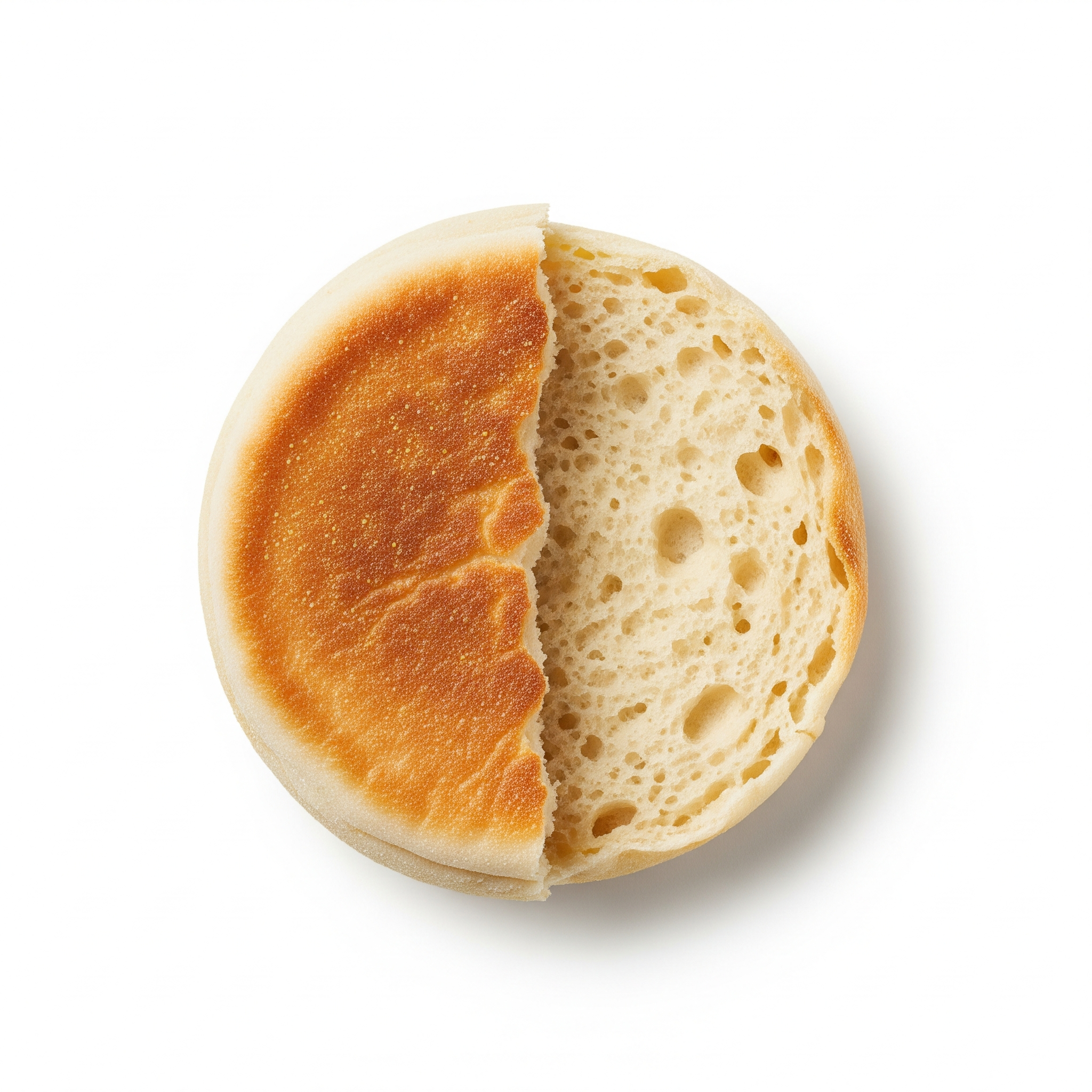
Archival print, museum-grade paper
Buy Poster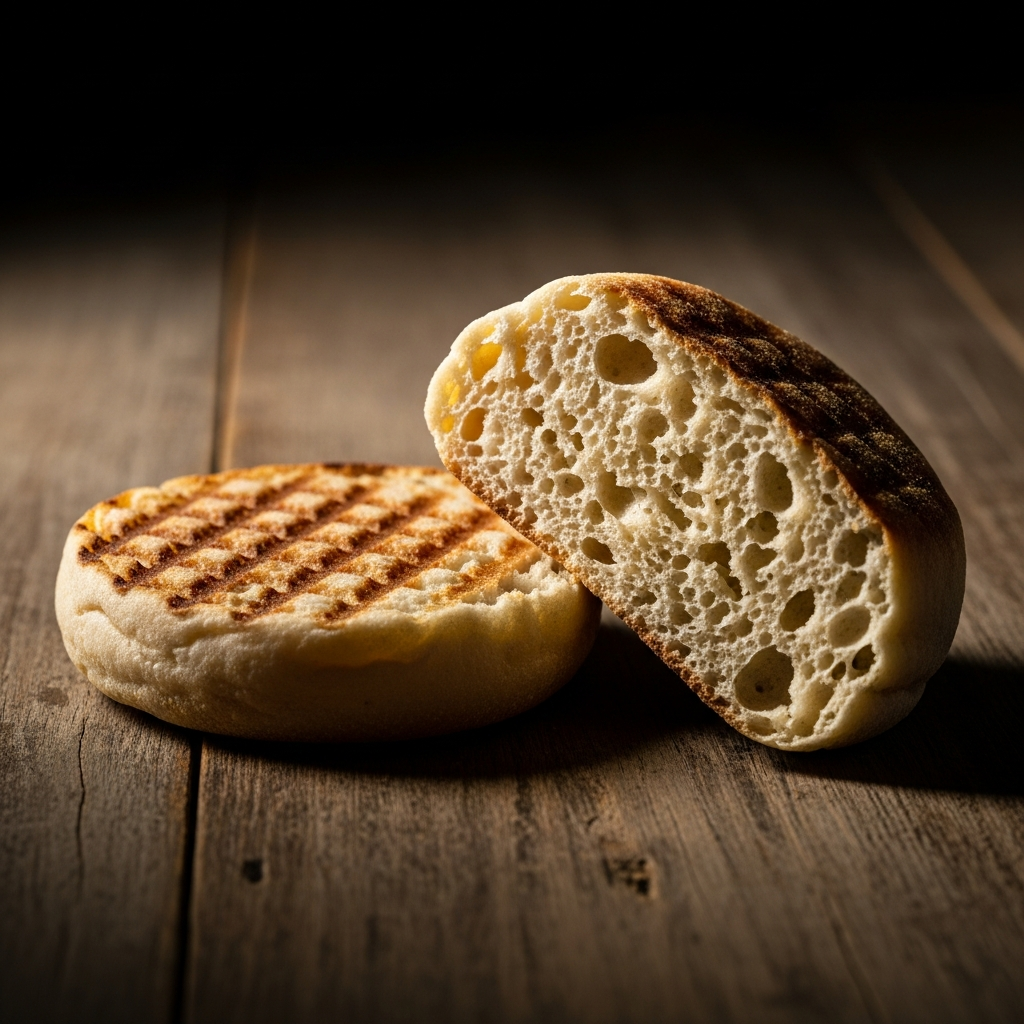
Stoneware mug, dishwasher safe
Buy Mug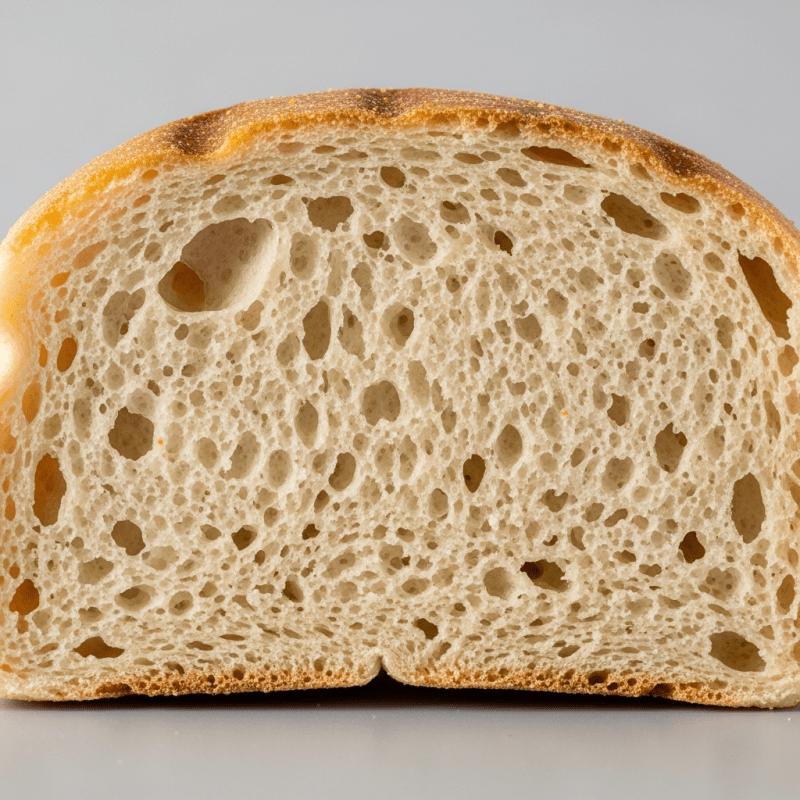
Soft cotton tee, unisex sizes
Buy ShirtThe English muffin holds a cherished place in British and North American breakfast traditions, symbolizing a comforting and familiar staple. Its role in iconic dishes such as eggs Benedict elevates it beyond simple bread, embedding it in culinary culture and brunch rituals across English-speaking countries.
English muffins are made from wheat flour, water, commercial yeast, salt, and often include milk, sugar, and fat to enrich the dough.


The dough is leavened using commercial yeast, which ferments the mixture to create gas bubbles that form the muffin's characteristic porous crumb. The fermentation time varies but is sufficient to develop the open texture before cooking on a griddle.
English muffins provide a source of carbohydrates from wheat flour, with moderate fiber content depending on the flour type used. They offer a balanced energy source suitable for breakfast but generally lack significant micronutrient fortification or specialized health claims.
Fresh English muffins typically remain good for 3 to 7 days when stored at room temperature. Packaging can extend shelf life, and refrigeration or freezing is recommended for longer storage to prevent staling and mold growth.
English muffins are most commonly served toasted with butter, jam, or savory spreads. They are essential in dishes like eggs Benedict and are also used as sandwich bases or alongside soups and salads for breakfast and brunch meals.
Regional variations include whole wheat, multigrain, and sourdough English muffins, each offering different flavors and textures while maintaining the classic griddled form and porous crumb.
English muffins are mass-produced and widely available in supermarkets across the United Kingdom, United States, Canada, and Australia. While artisanal and homemade versions exist, the market is dominated by industrial bakeries offering consistent quality and convenience.