Naan
Naan is a leavened flatbread from South Asia, celebrated for its soft, chewy texture and distinctive blistered surface achieved through traditional tandoor baking.
Naan is a leavened flatbread from South Asia, celebrated for its soft, chewy texture and distinctive blistered surface achieved through traditional tandoor baking.
Naan traces its roots to the 16th century, originating from Persian and Central Asian flatbreads that were adapted and popularized across the Indian subcontinent. Its earliest mentions appear in Persian texts, reflecting a rich history intertwined with regional culinary traditions spanning India, Pakistan, Bangladesh, and neighboring areas.
Classified as a leavened flatbread, naan belongs to the broader family of breads made from refined wheat flour and leavened with commercial yeast or sourdough starter. It stands apart from unleavened flatbreads by its enriched dough and characteristic puffed texture achieved through high-heat baking.
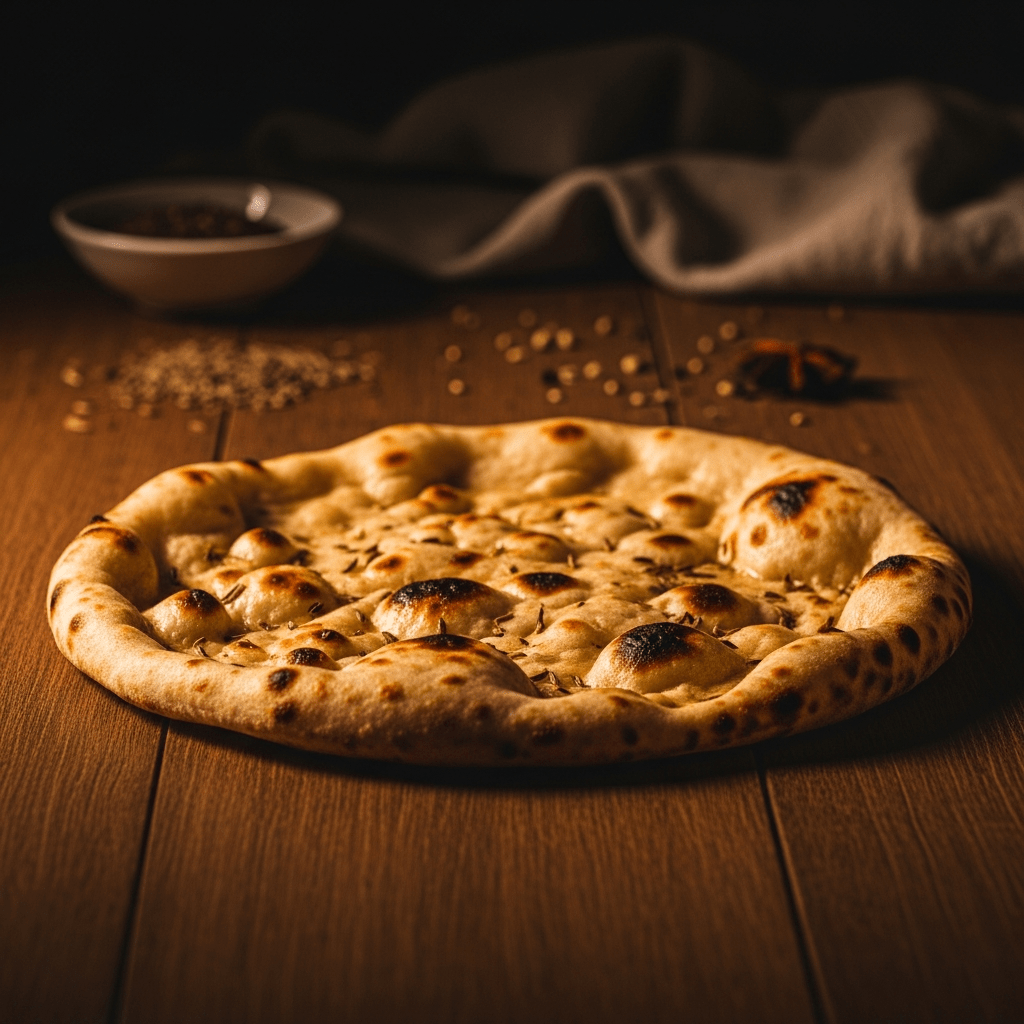
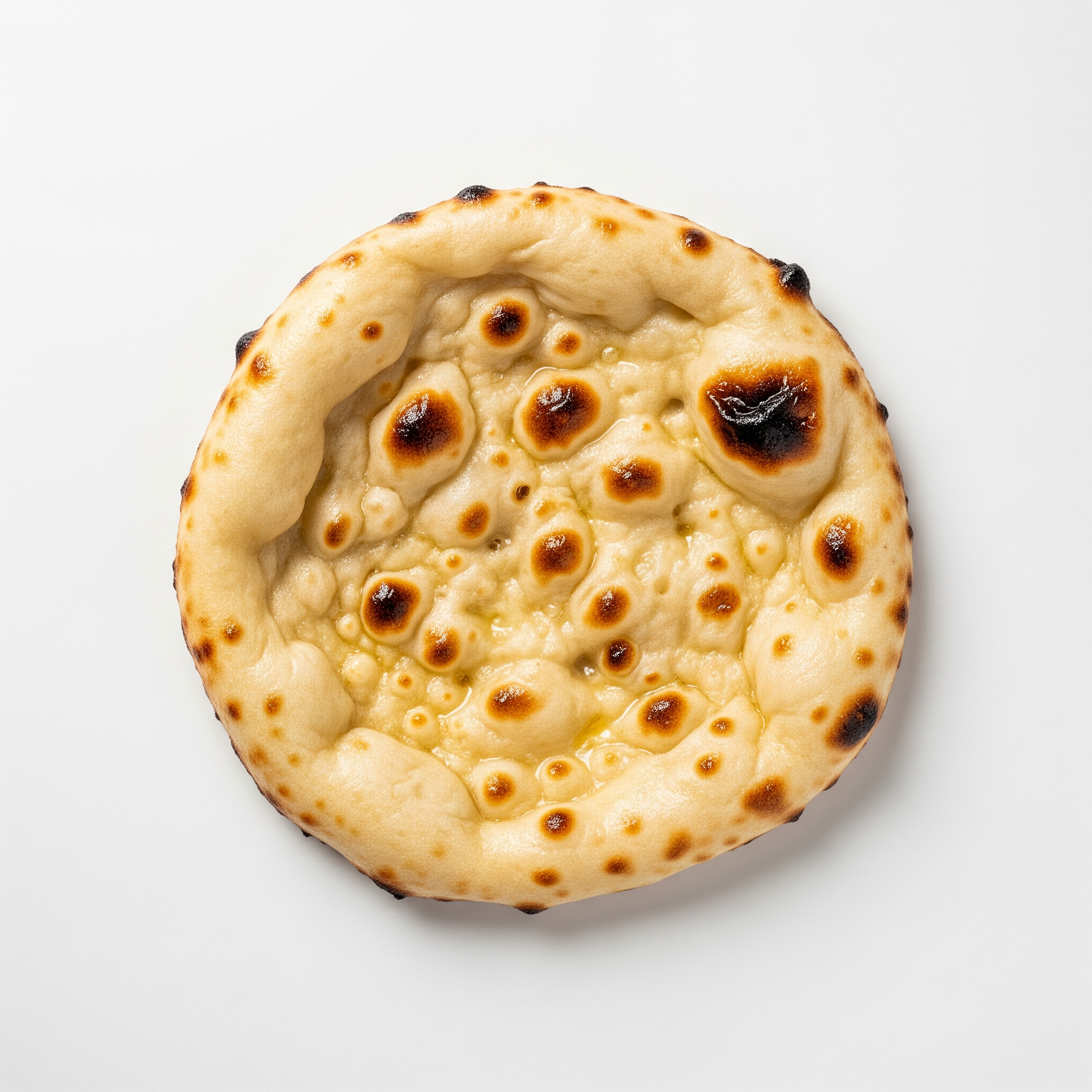
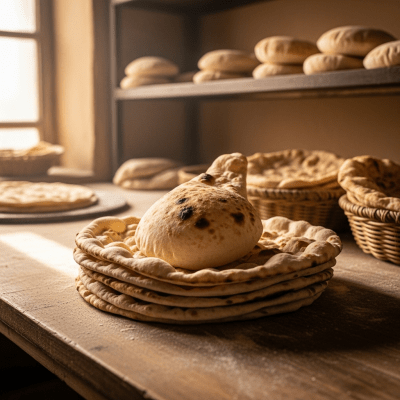
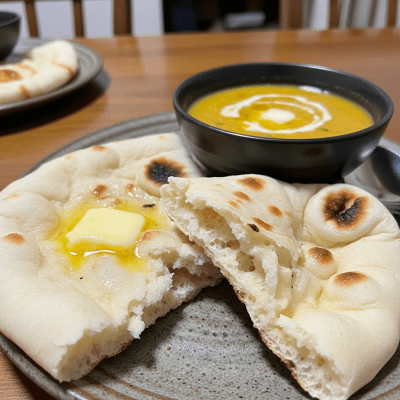
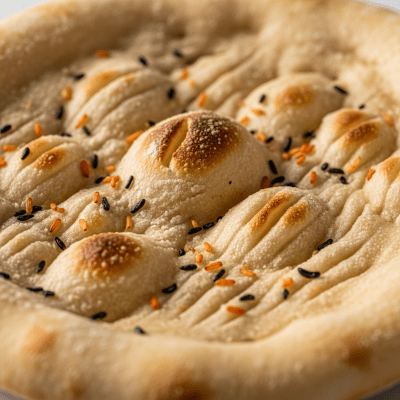
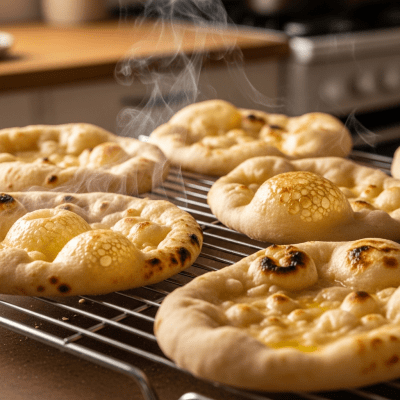
Naan typically presents an oval or tear-shaped form, measuring between 20 and 30 centimeters in length and about 1 to 2 centimeters thick. Its surface is marked by blistered, lightly charred spots from the tandoor oven, while the interior crumb remains soft and chewy, offering a tender bite that contrasts with the slightly crisp exterior.
Functioning primarily as a staple accompaniment, naan is traditionally slapped onto the inner walls of a hot tandoor oven, where it quickly bakes to develop its signature texture and flavor. It interacts with meals as a versatile bread, often used to scoop up curries, kebabs, and stews, enhancing the dining experience with its rich, buttery notes.
Bring this kind into your world illustrated posters, mugs, and shirts.
Archival print, museum-grade paper
Buy Poster
Stoneware mug, dishwasher safe
Buy Mug
Soft cotton tee, unisex sizes
Buy ShirtNaan holds a cherished place in South Asian culture, symbolizing hospitality and communal dining. It appears frequently in culinary art and regional festivities, embodying centuries of tradition. Its presence in modern global cuisine reflects the diaspora’s influence and the bread’s enduring appeal beyond its original cultural boundaries.
Primary ingredients of naan include refined wheat flour (maida), water, salt, commercial yeast or sourdough starter, and dairy enrichments such as yogurt or milk, often finished with ghee for added richness.
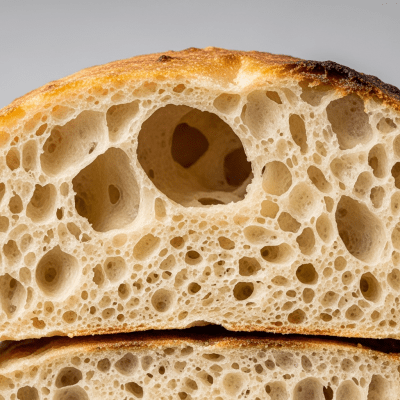
Naan dough is leavened primarily with commercial yeast, which facilitates a relatively quick fermentation. This process allows the dough to rise and develop a soft, airy texture before baking. Occasionally, sourdough starters are used, introducing natural wild yeasts and bacteria for subtle flavor complexity.
While specific nutritional details vary, naan generally provides carbohydrates from refined wheat flour and fats from dairy enrichments like ghee and yogurt. It is a source of energy and offers a soft texture that is easy to digest, though it may have a moderate glycemic index typical of refined grain breads.
Naan is best consumed fresh for optimal texture and flavor. When stored at room temperature, it remains fresh for a day or two but can be refrigerated or frozen to extend shelf life. Reheating gently helps restore softness, while prolonged storage may lead to staling or mold.
Naan serves as a versatile side bread in South Asian cuisine, commonly paired with rich curries, grilled kebabs, and hearty stews. It is often brushed with ghee or butter and garnished with garlic, herbs, or seeds. Stuffed and flavored variants expand its culinary applications, making it a popular choice for both casual and festive meals.
Across India, Pakistan, Bangladesh, Afghanistan, and Iran, naan exhibits regional variations in ingredients and preparation. These include differences in stuffing, thickness, and baking methods, reflecting local tastes and culinary traditions while maintaining the bread’s essential character.
Naan is widely available in South Asian restaurants worldwide and increasingly found in packaged forms within supermarkets, especially in areas with significant South Asian communities. Commercial production employs both traditional tandoor baking and modern ovens or griddles to meet diverse consumer demands.