Rye Bread
Rye bread is a dense, dark bread made primarily from rye flour, prized for its robust flavor and long-lasting freshness.
Rye bread is a dense, dark bread made primarily from rye flour, prized for its robust flavor and long-lasting freshness.
Rye bread originated in Central and Eastern Europe during the Middle Ages, evolving from ancient rye cultivation suited to cooler climates and poor soils. It developed over centuries without a single inventor, with regional adaptations like Westphalian pumpernickel and Russian Borodinsky emerging as distinctive local specialties.
Classified within the family of leavened breads, rye bread belongs to the sourdough style due to its natural fermentation process. It stands apart from wheat breads by its primary use of rye flour, resulting in a denser texture and unique flavor profile.
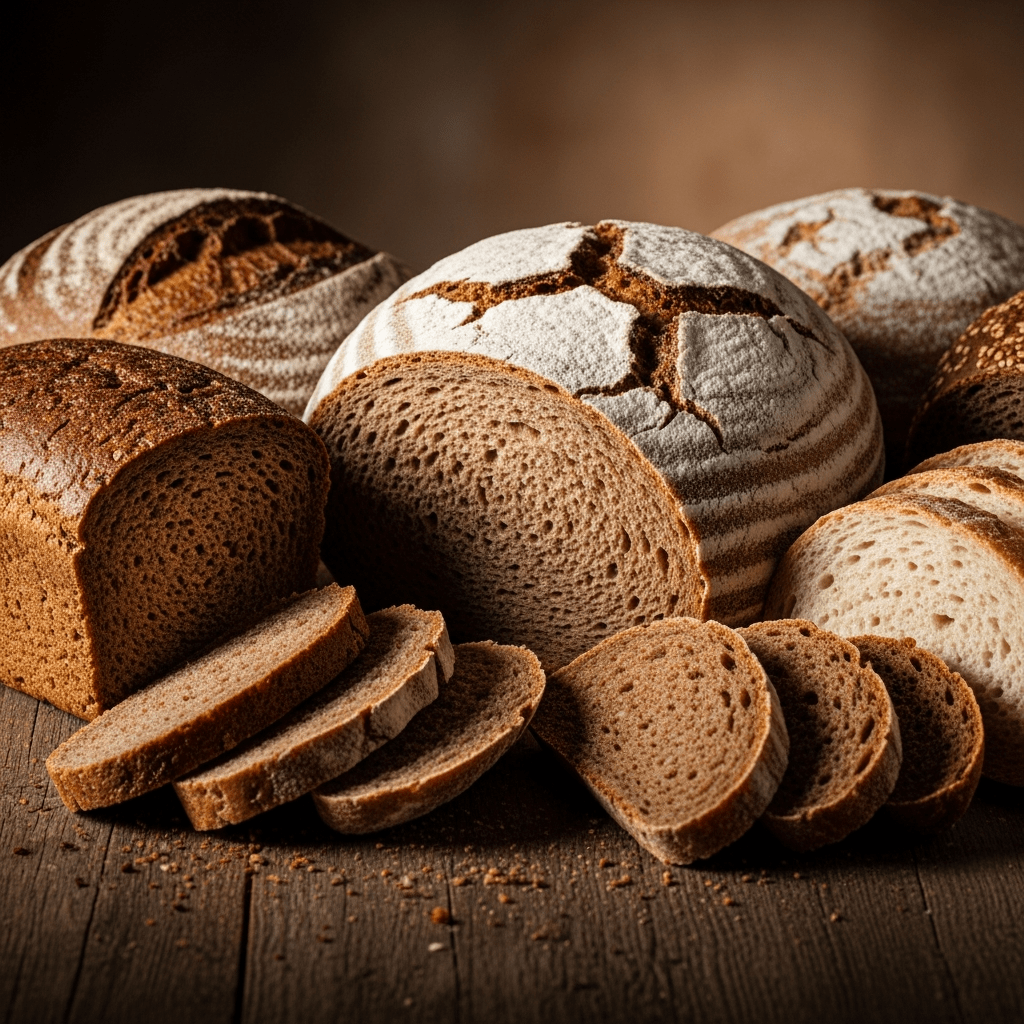
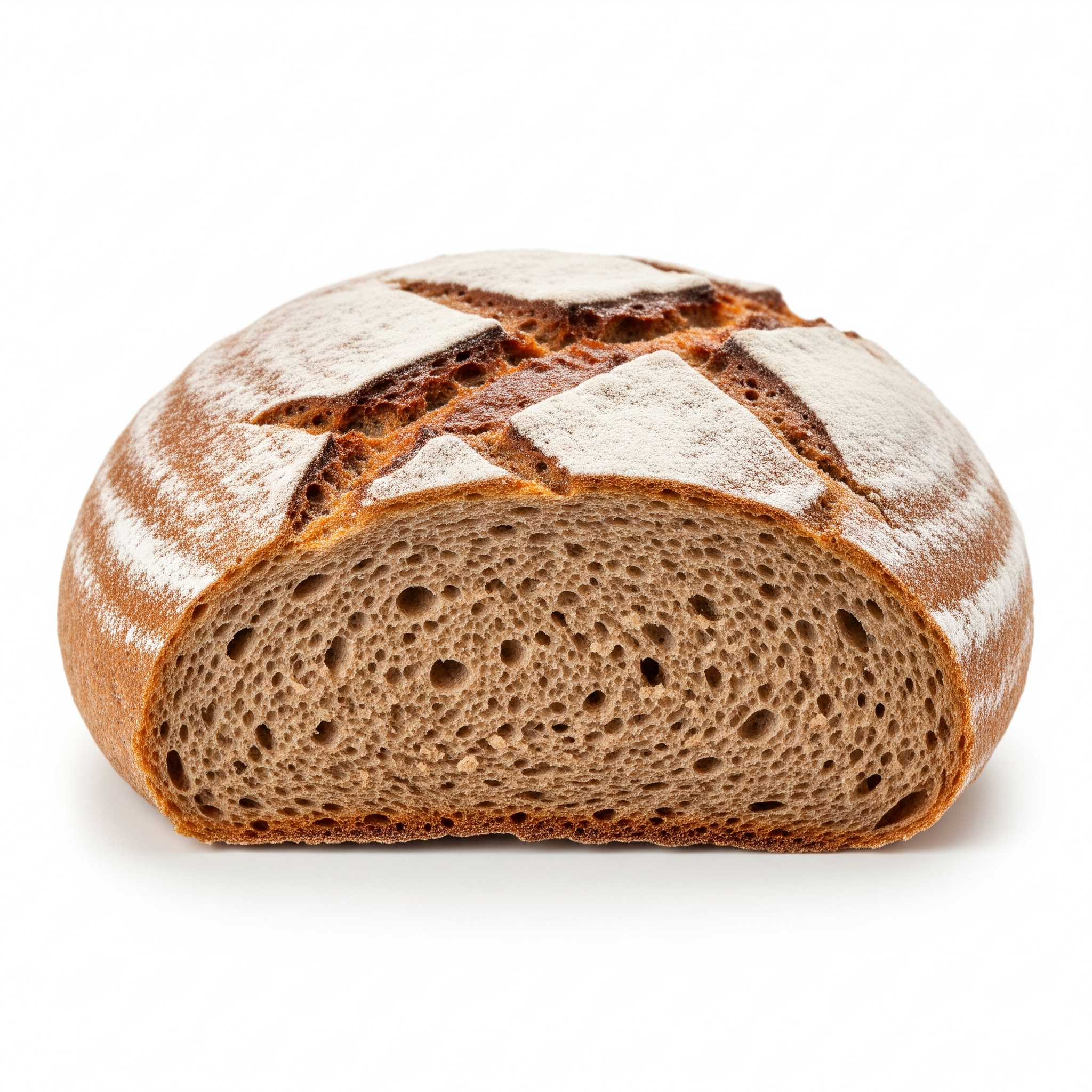
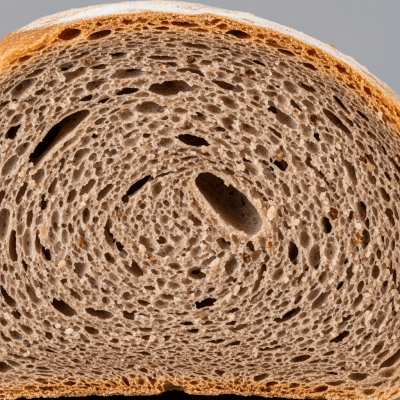
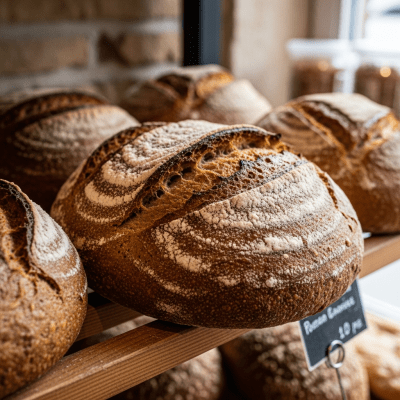
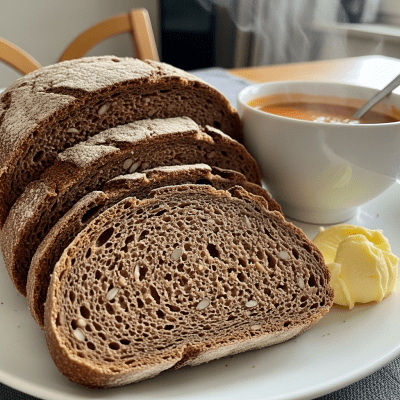
Rye bread typically appears as rectangular, round, or oblong loaves with a thick crust that aids preservation. Its crumb is dense, moist, and compact, ranging in color from dark brown to nearly black, reflecting the high rye flour content and baking method.
Rye bread functions as a staple food and versatile accompaniment, commonly used as a sandwich base or side dish. Its dense texture and sour notes make it ideal for pairing with cured meats, cheeses, and fish, while its sturdy structure lends itself to croutons, breadcrumbs, and open-faced sandwiches.
Bring this kind into your world illustrated posters, mugs, and shirts.
Archival print, museum-grade paper
Buy Poster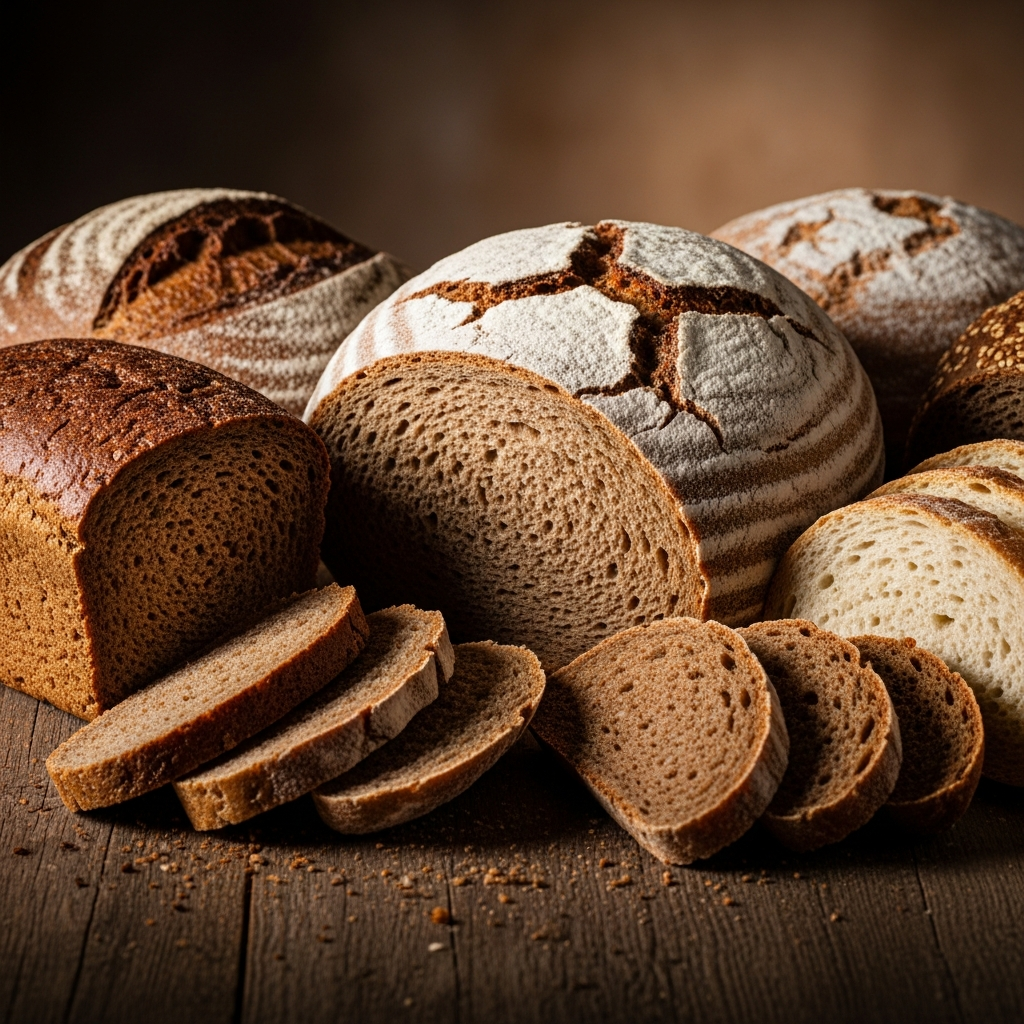
Stoneware mug, dishwasher safe
Buy Mug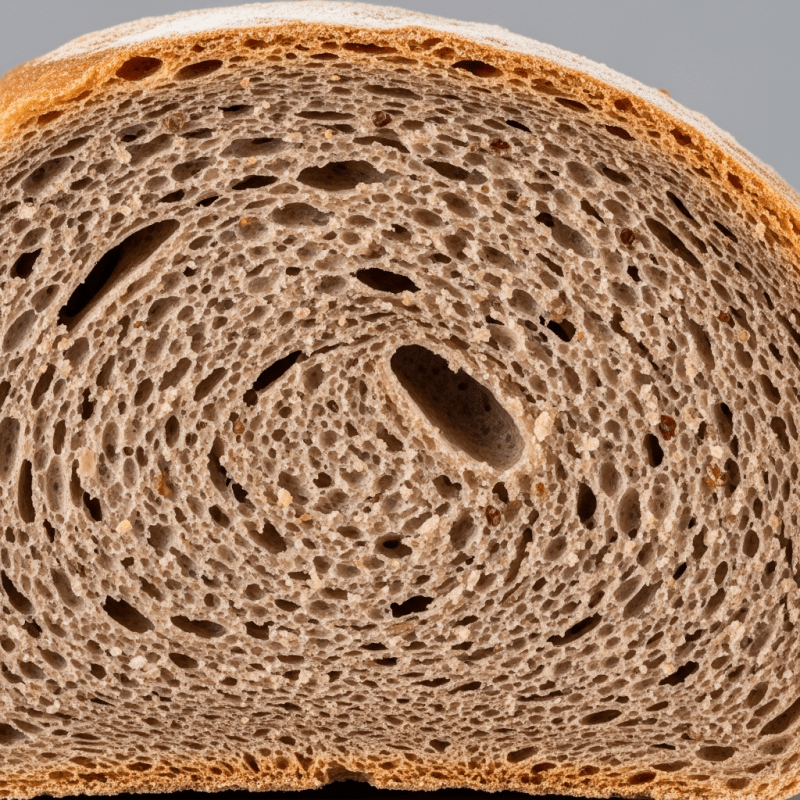
Soft cotton tee, unisex sizes
Buy ShirtDeeply rooted in Northern and Eastern European culinary traditions, rye bread symbolizes resilience and sustenance in regions where rye cultivation thrived. It features prominently in cultural dishes and rituals, reflecting the agricultural heritage and dietary customs of countries like Germany, Russia, and the Baltic states.
Rye bread is primarily made from rye flour, water, and naturally occurring sourdough starter cultures that facilitate fermentation.



Rye bread is traditionally leavened using a sourdough starter, which harnesses wild yeast and lactic acid bacteria. This natural fermentation imparts a characteristic sour flavor and improves shelf life and digestibility.
Rich in dietary fiber and minerals like magnesium and iron, rye bread offers improved digestibility and a longer-lasting feeling of fullness compared to wheat breads. Its lower glycemic impact supports balanced blood sugar levels.
Thanks to its thick crust and sourdough fermentation, rye bread resists spoilage and staling, remaining fresh for extended periods. Proper storage at room temperature in a breathable container preserves its quality, with some varieties lasting several weeks.
Rye bread serves as a staple food and side dish across Northern and Eastern Europe. It is commonly used for sandwiches, especially with cured meats and cheeses, and forms the base for open-faced sandwiches like Danish smørrebrød. Additionally, it is processed into croutons and breadcrumbs.
Notable regional variants include German pumpernickel, known for its long, slow baking; Russian Borodinsky bread, often flavored with coriander; Danish Rugbrød, a dense whole-grain rye; French Seigle; and Jewish rye bread, frequently seasoned with caraway seeds.
Rye bread is widely available commercially in artisan bakeries, industrial production, and packaged retail forms. Varieties range from light rye blends mixed with wheat to dense, pure rye loaves, catering to diverse consumer preferences.