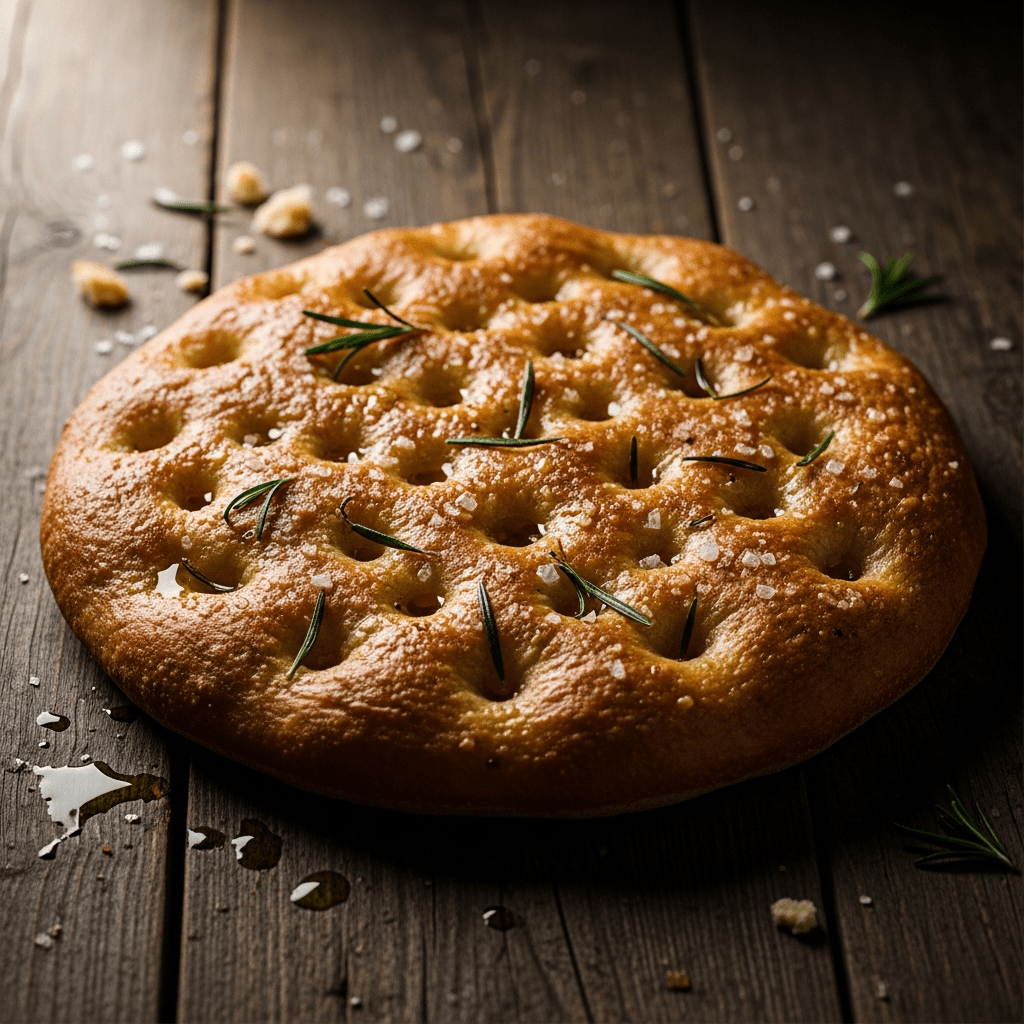
Focaccia
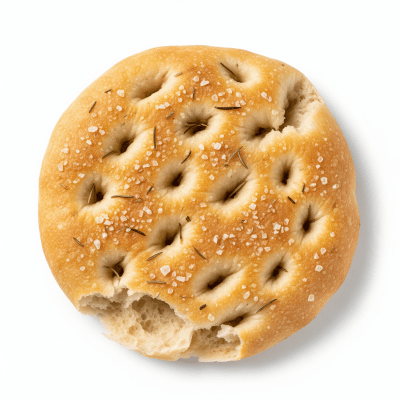
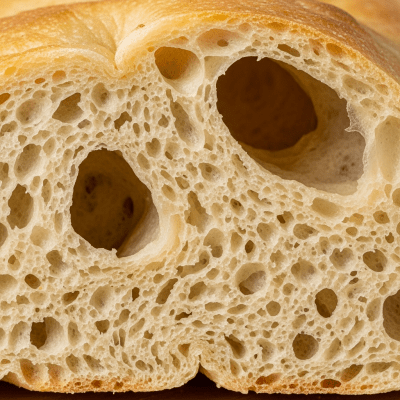
Focaccia is a traditional Italian flatbread known for its soft, airy crumb and golden, crisp crust, enriched generously with olive oil and often adorned with herbs or toppings.
Focaccia is a traditional Italian flatbread known for its soft, airy crumb and golden, crisp crust, enriched generously with olive oil and often adorned with herbs or toppings.
Originating from the Liguria region of northwestern Italy, focaccia traces its roots back to ancient Roman times. Its name derives from the Latin word focus, meaning hearth, reflecting its early preparation on open fires or hearths. Over centuries, focaccia evolved through regional baking traditions without a single identifiable creator, embodying a rich cultural heritage of Italian breadmaking.
Focaccia belongs to the family of leavened, baked breads, specifically classified as an Italian flatbread. It is yeast-leavened and distinguished by its flat, dimpled form, placing it among artisan breads that emphasize texture and flavor through traditional fermentation and baking methods.
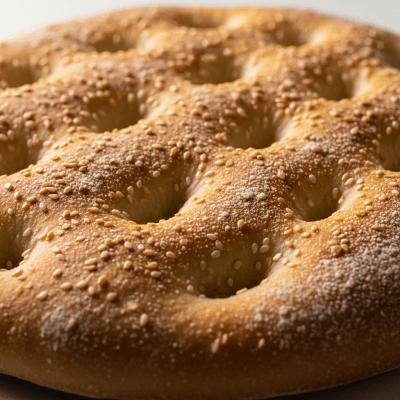
Typically rectangular or round and ranging from 2 to 5 centimeters thick, focaccia features a golden, crisp crust with a soft, airy crumb inside. Its characteristic dimpled surface helps retain olive oil and toppings, giving it a moist, tender texture and an inviting rustic appearance.
Focaccia serves multiple culinary roles: as a table bread, a snack, a sandwich base, or an accompaniment to soups and salads. Its pliable yet sturdy texture allows it to absorb flavors from herbs, coarse salt, and various toppings, making it both versatile and flavorful in everyday dining.
Bring this kind into your world illustrated posters, mugs, and shirts.
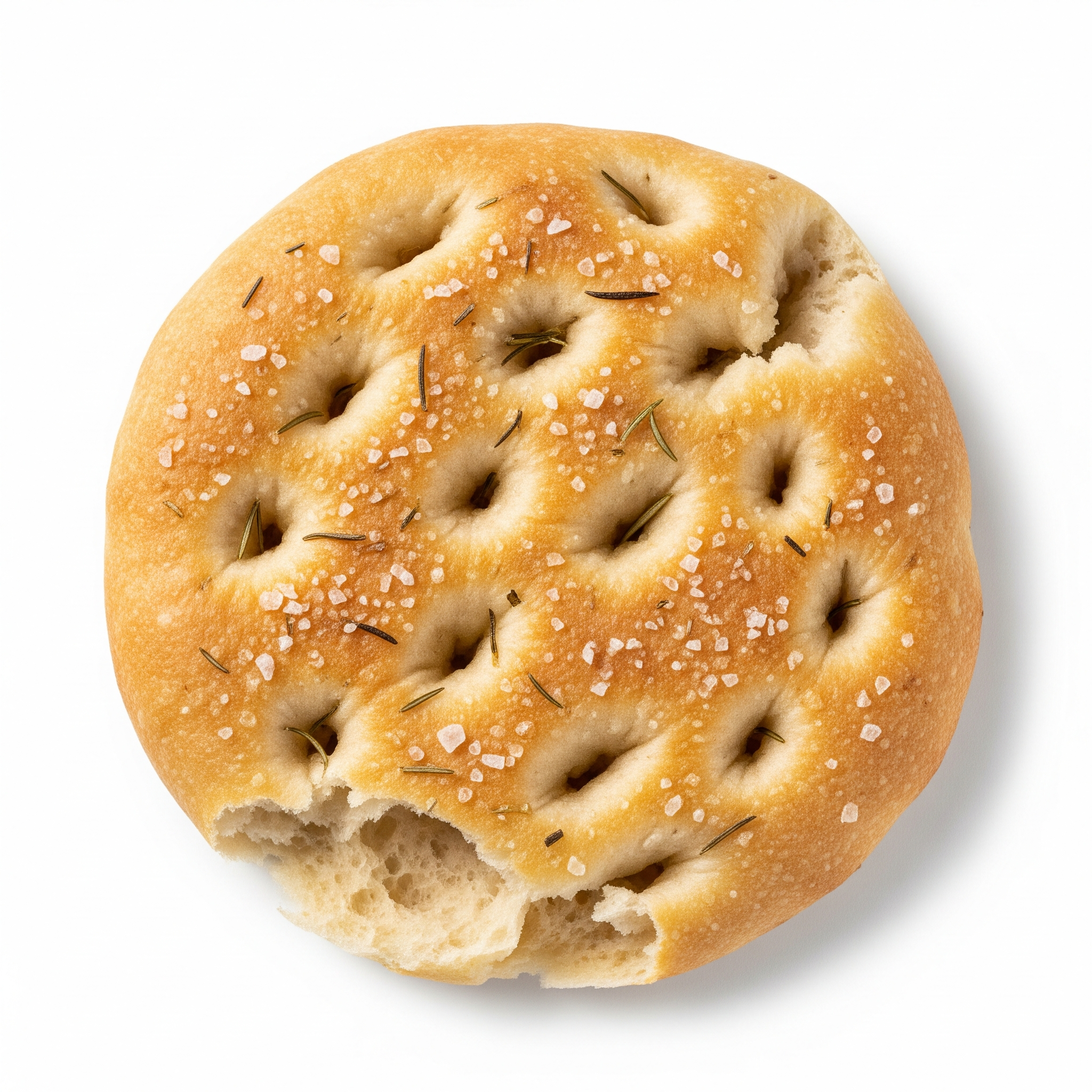
Archival print, museum-grade paper
Buy Poster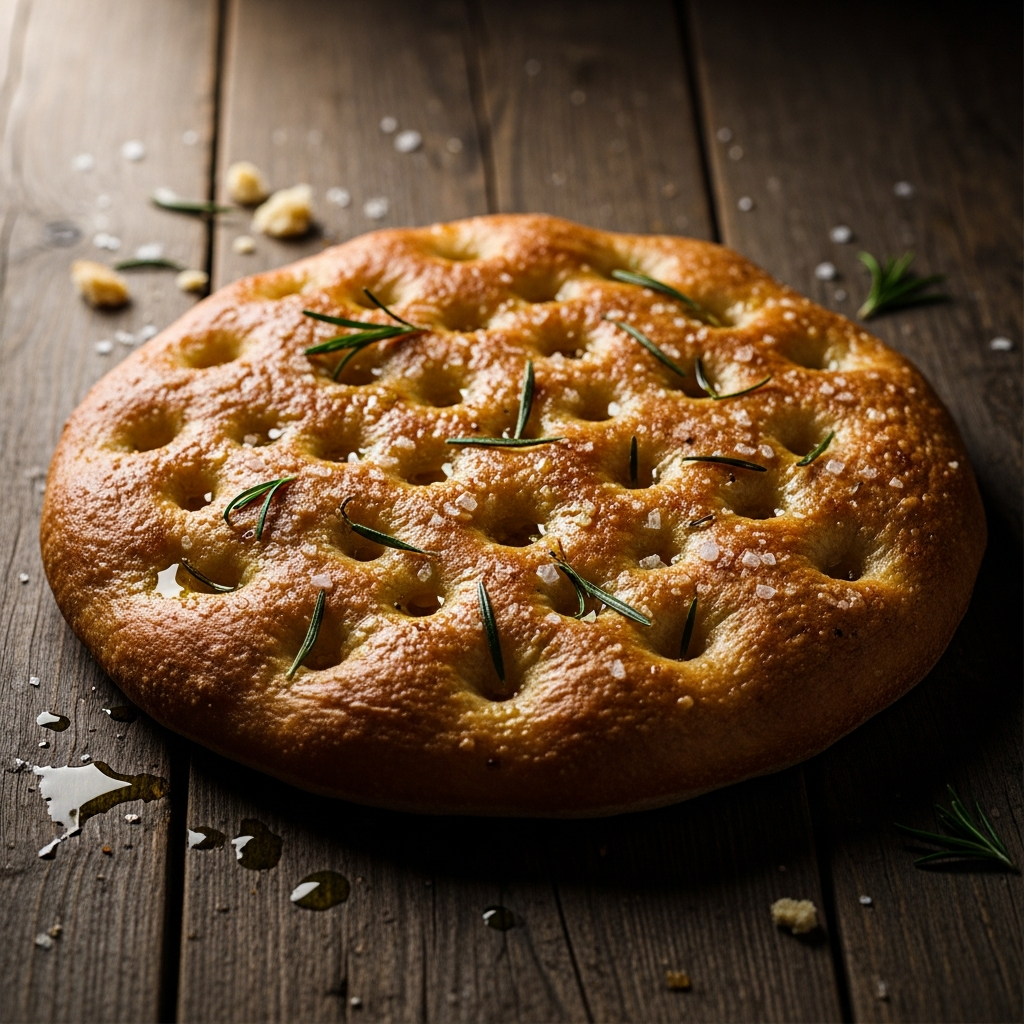
Stoneware mug, dishwasher safe
Buy Mug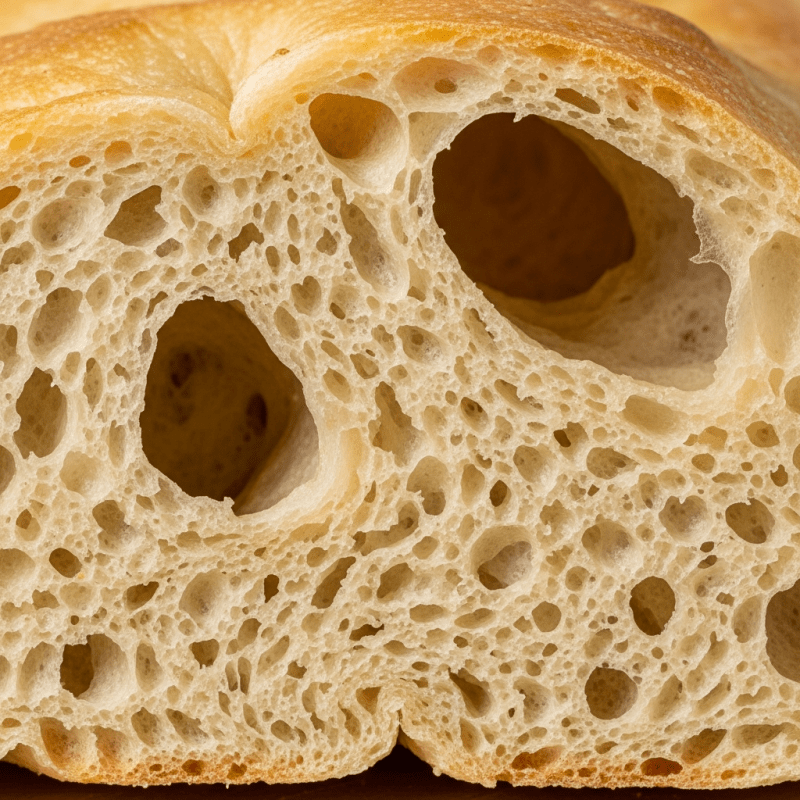
Soft cotton tee, unisex sizes
Buy ShirtFocaccia holds a cherished place in Italian culture, symbolizing regional identity and traditional baking artistry. It appears in local festivals, family meals, and artisan bakeries, reflecting Italy's deep connection to bread as both sustenance and cultural expression.
Primary ingredients include wheat flour, water, commercial yeast, salt, and a generous amount of olive oil, which enriches the dough and enhances flavor and texture.

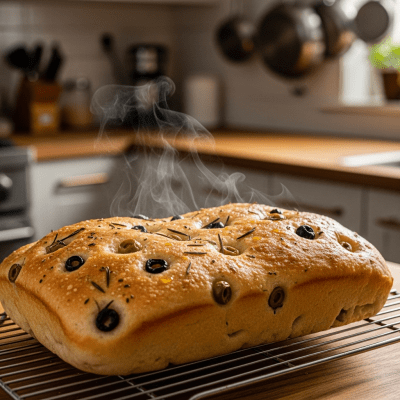
Focaccia is leavened using commercial yeast, which ferments the dough to create its characteristic airy crumb. While specific fermentation times vary by recipe, the process typically involves proofing the dough until it rises adequately before baking.
Focaccia offers energy primarily from carbohydrates and fats, especially due to its olive oil content, which also contributes beneficial monounsaturated fats. While fiber and micronutrient levels depend on flour type and toppings, focaccia is generally a flavorful source of sustenance rather than a dietary staple focused on nutrition.
Focaccia is best stored at room temperature and consumed within two days for optimal freshness. For longer preservation, it can be frozen. Typical spoilage concerns include staling and mold if kept beyond recommended periods or in humid conditions.
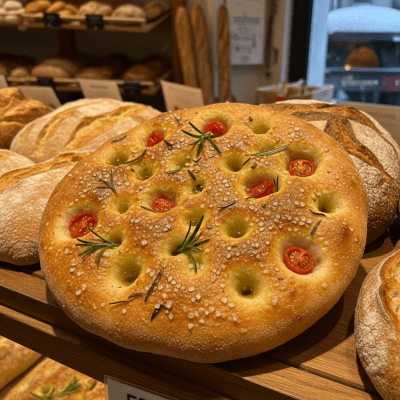
Widely enjoyed as table bread, focaccia is also popular as a snack or sandwich base. It pairs well with soups and salads and is often topped with herbs like rosemary, coarse salt, olives, onions, or tomatoes, enhancing its flavor and versatility.
Regional variations include Focaccia Genovese from Liguria, known for its simplicity and olive oil richness; Focaccia Barese from Apulia, which incorporates potatoes into the dough; Schiacciata from Tuscany, a thinner, crispier style; and sweet versions like Focaccia dolce topped with grapes.
Focaccia is widely available through artisan bakeries, supermarkets, and restaurants, offered in both traditional and contemporary styles. Its popularity ensures it is a common item in Italian markets and increasingly found in international food outlets.