Pan De Muerto
Pan de Muerto is a traditional Mexican sweet bread, uniquely shaped and decorated to honor the deceased during Día de los Muertos (Day of the Dead) celebrations.
Pan de Muerto is a traditional Mexican sweet bread, uniquely shaped and decorated to honor the deceased during Día de los Muertos (Day of the Dead) celebrations.
Originating in colonial-era Mexico, Pan de Muerto evolved from Spanish pan dulce traditions, blending indigenous symbolism and local ingredients to create a bread deeply tied to Mexican cultural and spiritual practices.
Classified as an enriched, yeast-leavened bread, Pan de Muerto belongs to the broader family of sweet breads (pan dulce) and is characterized by its ceremonial role and distinctive decorative form.
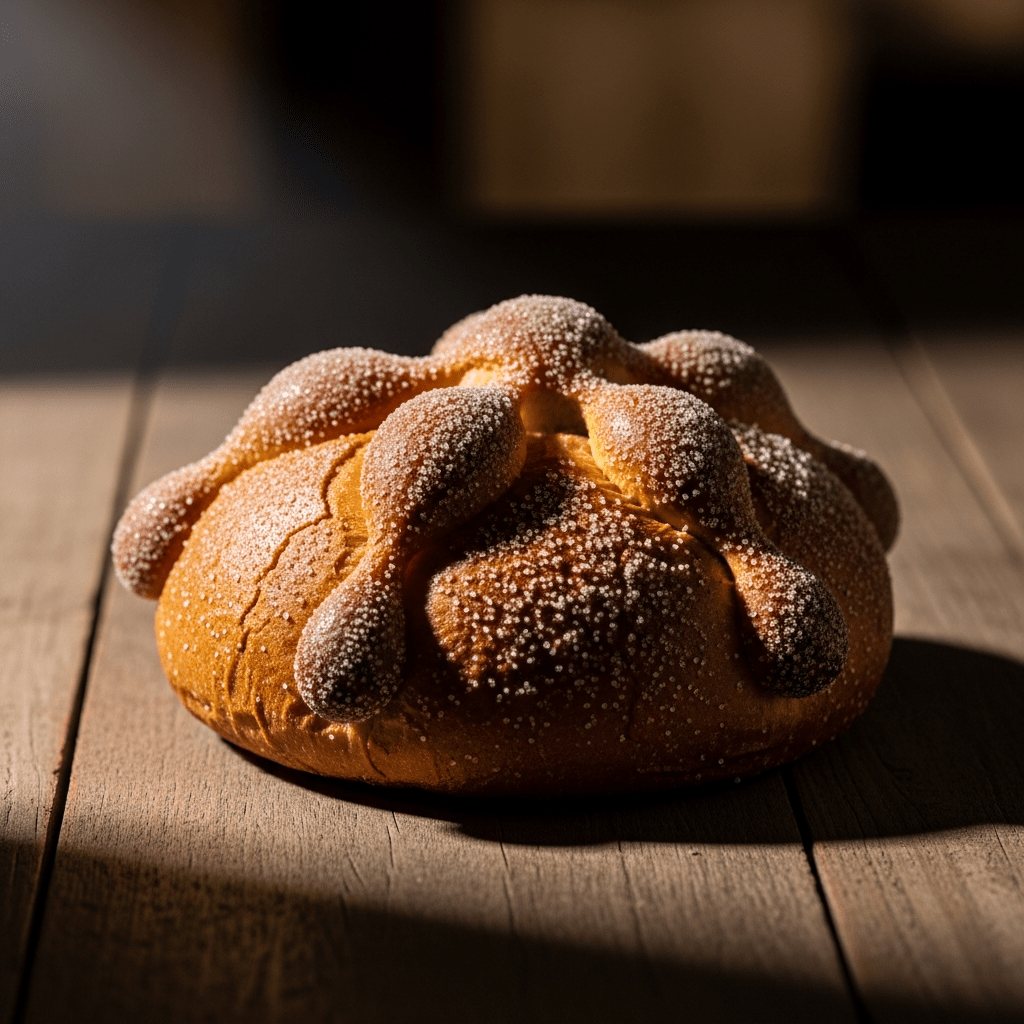
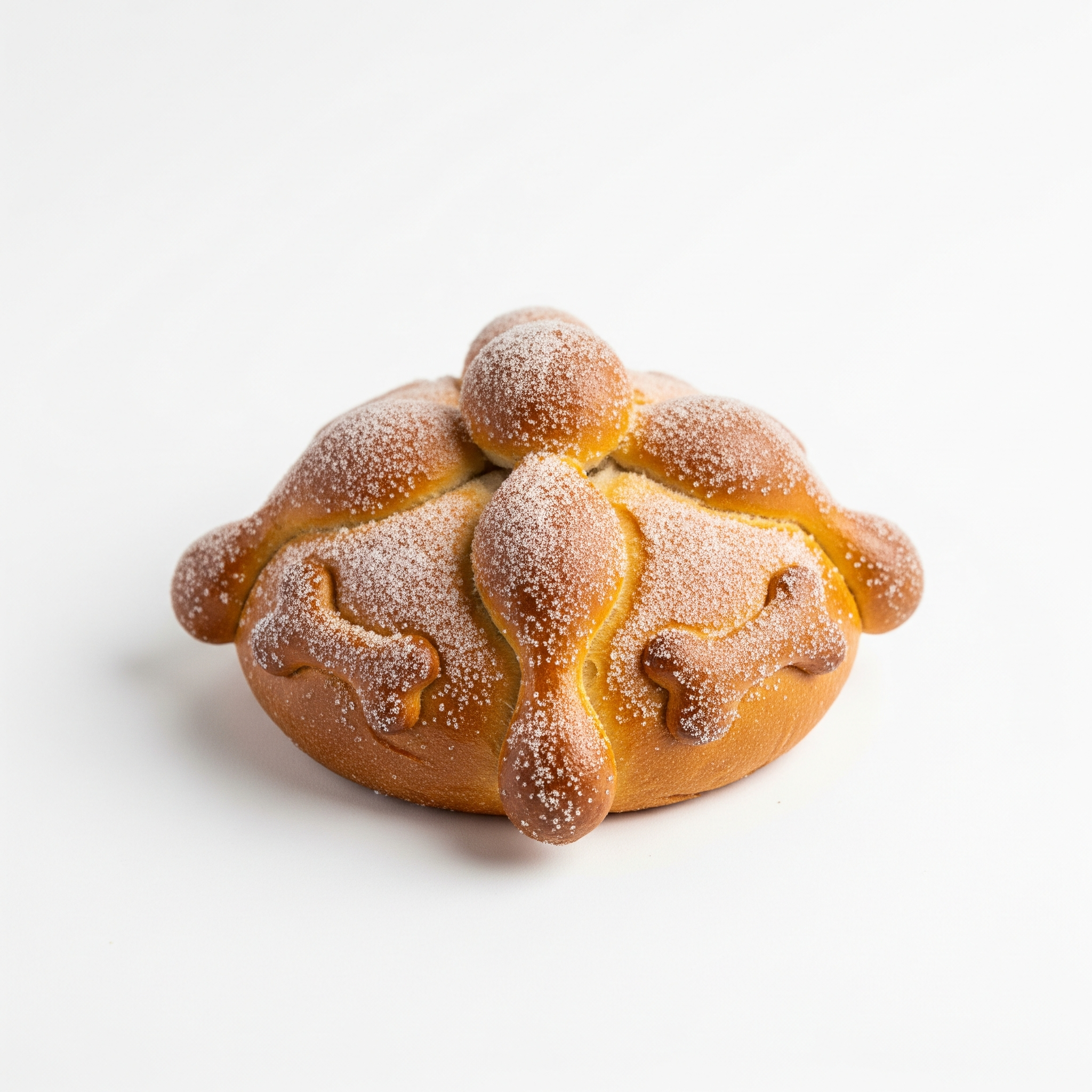
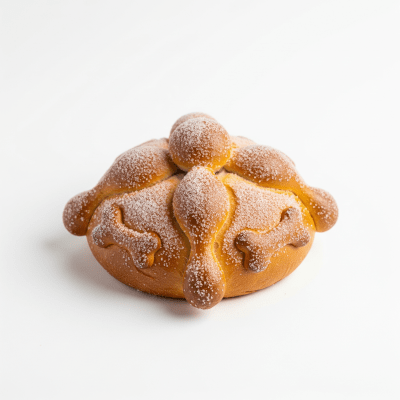
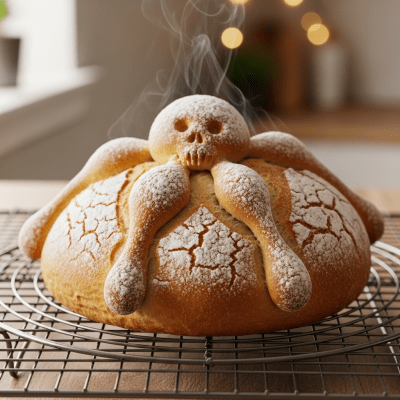
This bread typically takes a round shape, measuring 15 to 25 centimeters in diameter, with a golden-brown crust often dusted with sugar. Its surface is adorned with strips or knobs of dough fashioned to resemble bones and skulls, symbolizing mortality. The crumb inside is pale to golden, complementing the rich, sweet crust.
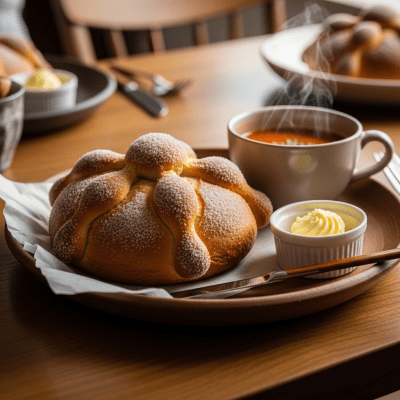
Pan de Muerto serves both as a festive food and a ceremonial offering. It is traditionally placed on altars (ofrendas) during Día de los Muertos to honor departed loved ones. The bread is commonly enjoyed alongside hot chocolate or atole, sometimes enhanced with flavors like orange blossom water or anise.
Bring this kind into your world illustrated posters, mugs, and shirts.
Archival print, museum-grade paper
Buy Poster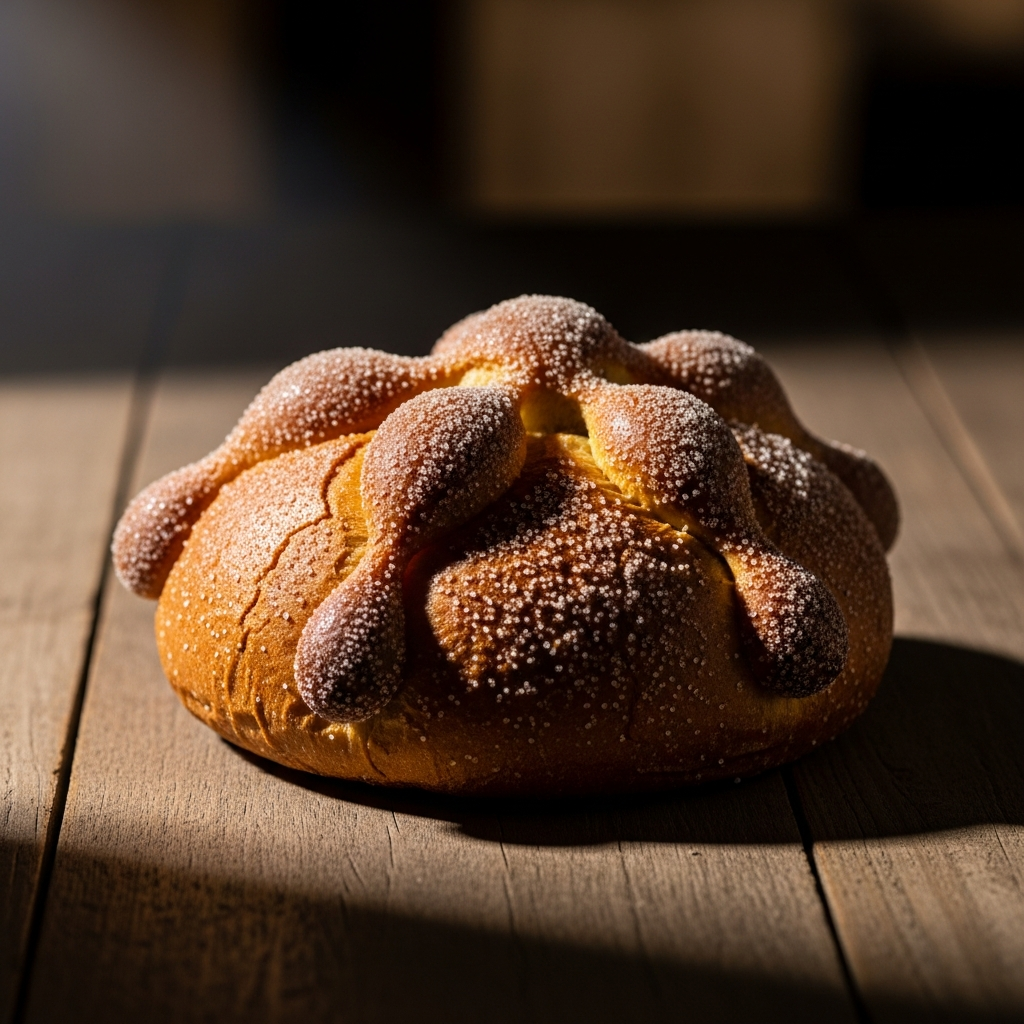
Stoneware mug, dishwasher safe
Buy Mug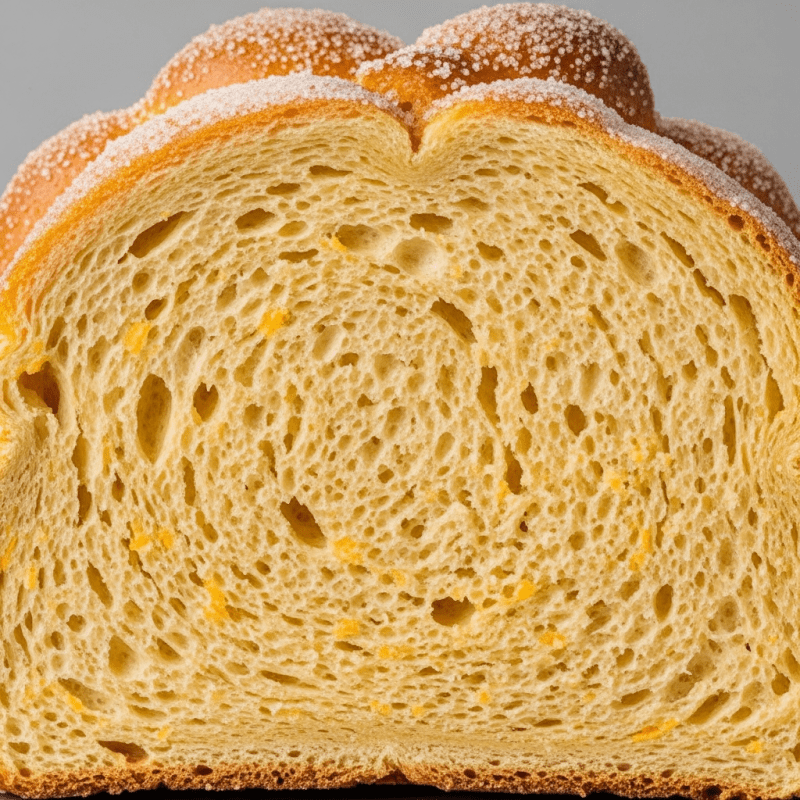
Soft cotton tee, unisex sizes
Buy ShirtMore than a bread, Pan de Muerto is a powerful symbol of Mexican heritage and remembrance. Its bone-shaped decorations evoke themes of death and rebirth, reflecting the syncretic blend of indigenous and Spanish beliefs celebrated during Día de los Muertos. It appears in art, literature, and public festivities as an emblem of cultural identity.
Key ingredients include wheat flour, sugar, commercial yeast, butter or fat, eggs, with optional flavorings such as orange blossom water and anise.
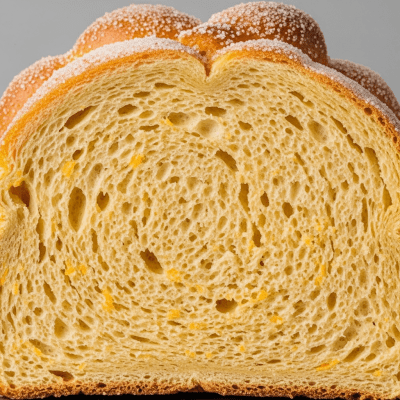

Pan de Muerto is leavened using commercial yeast, which ferments the enriched dough to produce a soft, slightly airy texture. Specific fermentation times vary by baker but follow standard yeast bread proofing practices.
This enriched bread is typically higher in sugar and fat compared to plain breads, contributing to its rich flavor and tender crumb. While specific nutritional values vary, it is generally a calorie-dense treat best enjoyed in moderation.
Best consumed fresh, Pan de Muerto keeps well for 2 to 3 days at room temperature. Its enriched dough delays staling somewhat, but the bread is prone to drying out and becoming stale if stored longer or improperly.
Primarily a festive bread, Pan de Muerto is served during Día de los Muertos celebrations as both an offering and a sweet treat. It pairs beautifully with warm beverages like hot chocolate and atole, enhancing the seasonal experience.
Regional differences include variations in flavoring—some areas add anise or orange zest—and in decorative shapes, with some loaves molded into skulls or animal forms, reflecting local customs and artistic expression.
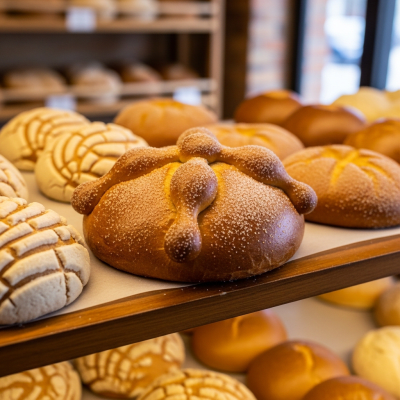
Pan de Muerto is widely available in Mexican bakeries and supermarkets during the Día de los Muertos season. Both artisanal hand-crafted versions and mass-produced industrial breads are common, catering to diverse consumer preferences.