Tortilla
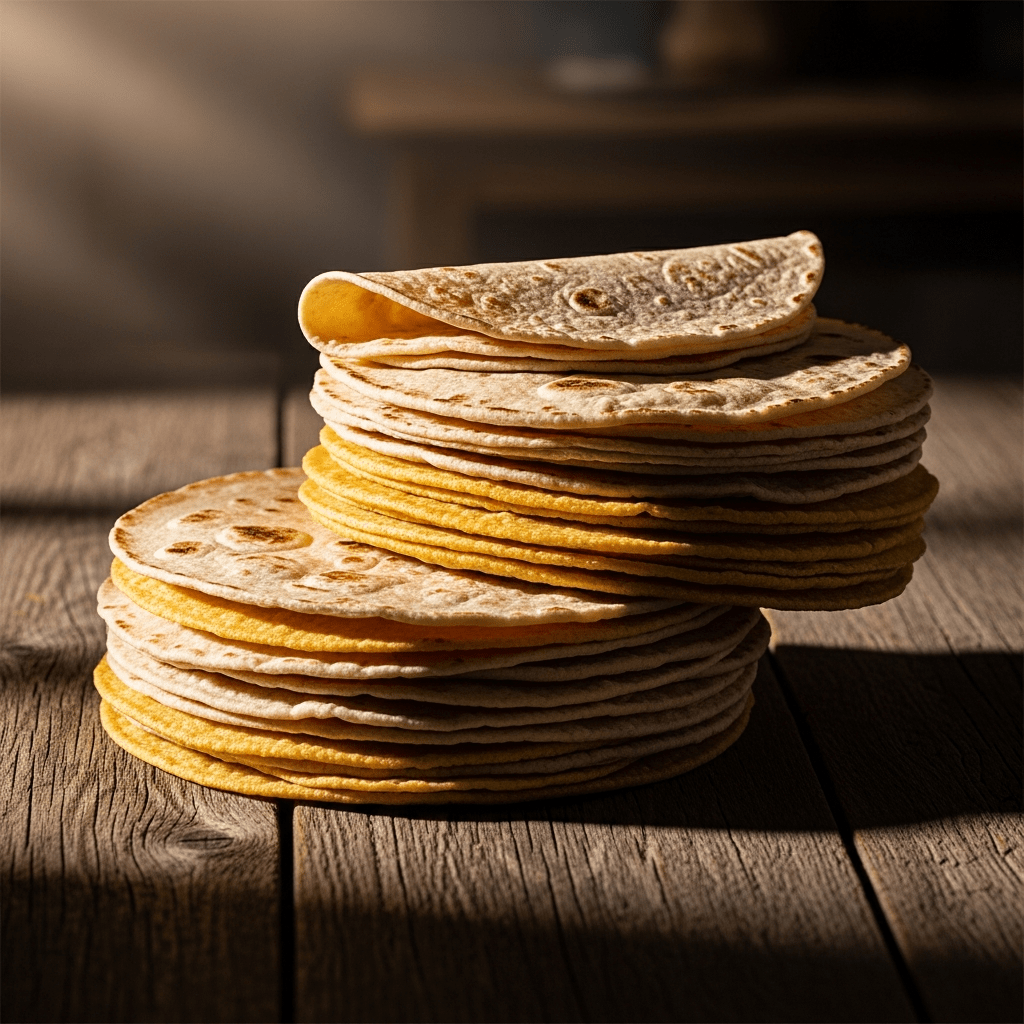
Tortilla is a thin, round, unleavened flatbread originating from Mesoamerica, made primarily from maize or wheat flour and serving as a staple bread in Latin American cuisine.
Tortilla is a thin, round, unleavened flatbread originating from Mesoamerica, made primarily from maize or wheat flour and serving as a staple bread in Latin American cuisine.
The corn tortilla dates back to pre-Columbian Mesoamerican civilizations, with archaeological evidence placing its use as early as 500 BCE in present-day Mexico and Central America. Wheat tortillas developed later, following the Spanish introduction of wheat to the Americas in the 16th century. The tortilla evolved organically through indigenous and colonial culinary traditions rather than being attributed to a specific breeder or institution.
Tortillas belong to the flatbread family within the broader bread taxonomy. They are unleavened breads, distinguished by their thin, round form and absence of rising agents. Corn tortillas and wheat tortillas represent two primary types, reflecting their main grain ingredient and cultural lineage.
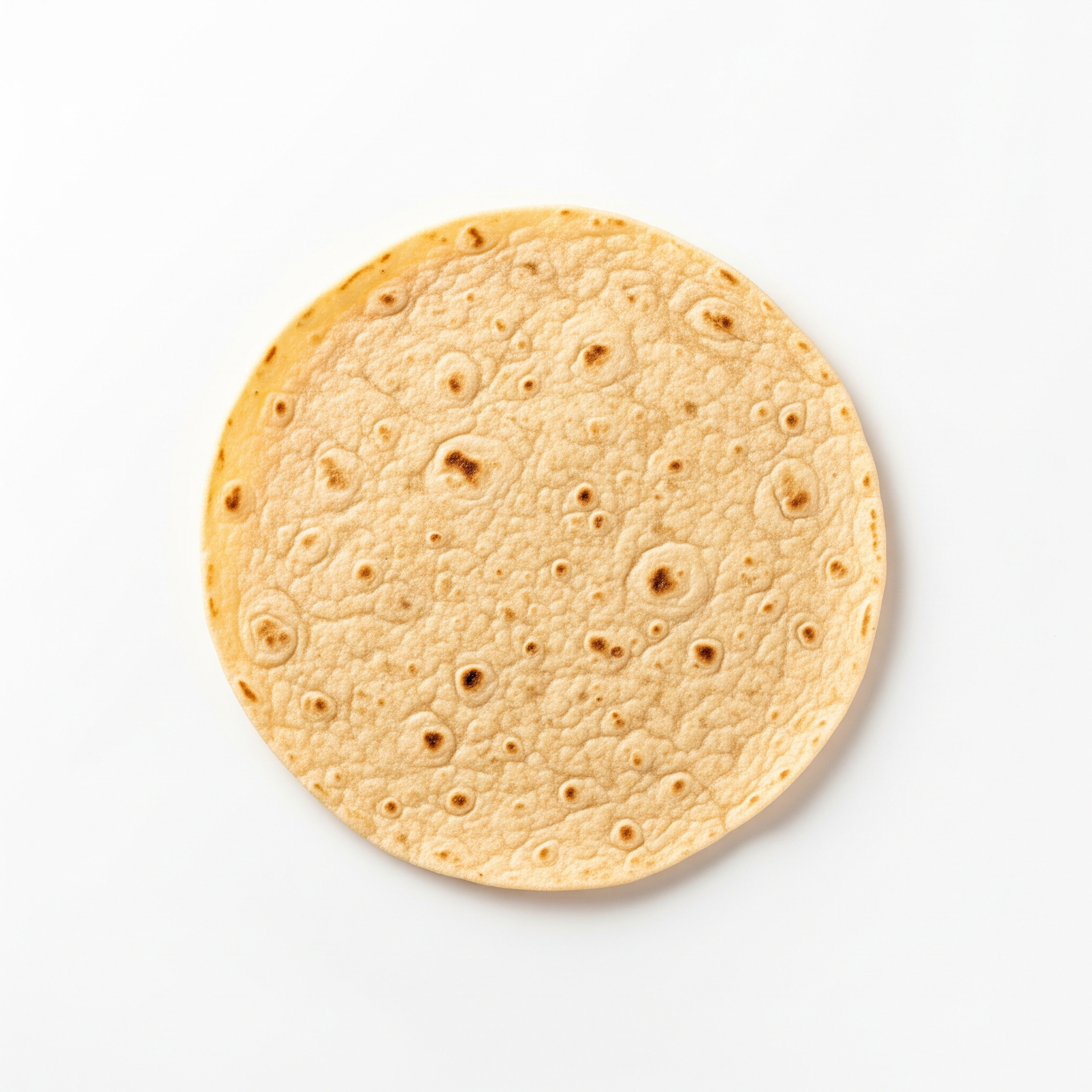
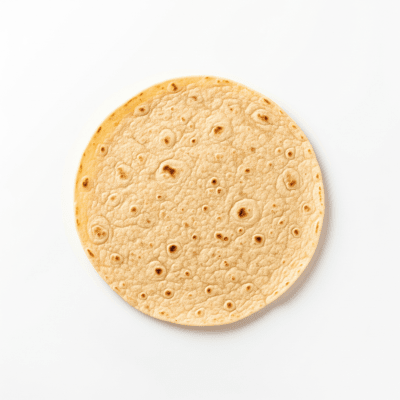
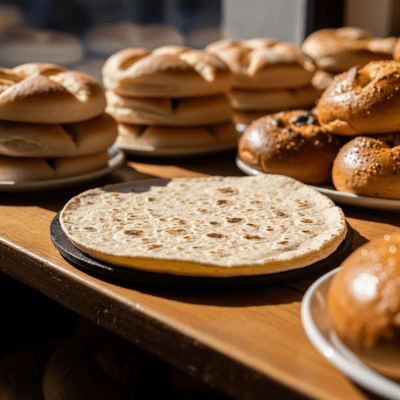
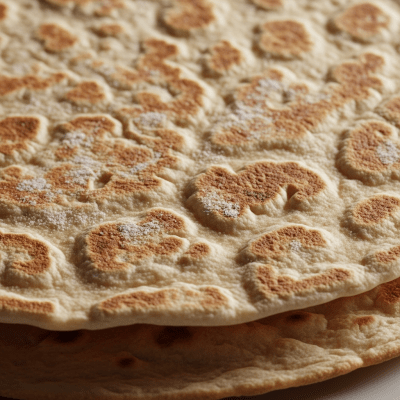
Tortillas are characteristically thin, round, and flat, typically ranging from 12 to 30 centimeters in diameter. Corn tortillas display a pale yellow to white hue depending on the maize variety, while wheat tortillas tend to be off-white. Their texture is pliable, with corn tortillas being slightly more brittle and wheat tortillas softer and more flexible.
Tortillas function as versatile edible vessels and accompaniments in Latin American cuisine. They are commonly used to wrap or hold fillings in dishes such as tacos, burritos, quesadillas, enchiladas, and tostadas. Their pliability and neutral flavor make them ideal for a wide range of culinary applications.
Bring this kind into your world illustrated posters, mugs, and shirts.
Archival print, museum-grade paper
Buy Poster
Stoneware mug, dishwasher safe
Buy Mug
Soft cotton tee, unisex sizes
Buy ShirtTortillas hold deep cultural importance in Mexican and Central American societies, symbolizing culinary heritage and daily sustenance. They appear in traditional celebrations and have influenced global food culture through the international popularity of dishes like tacos and burritos. The corn tortilla, in particular, is linked to indigenous identity and agricultural practices dating back millennia.
Primary ingredients: maize (corn) for traditional corn tortillas, wheat flour for wheat tortillas.
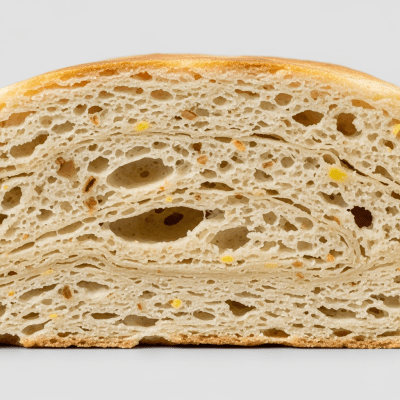

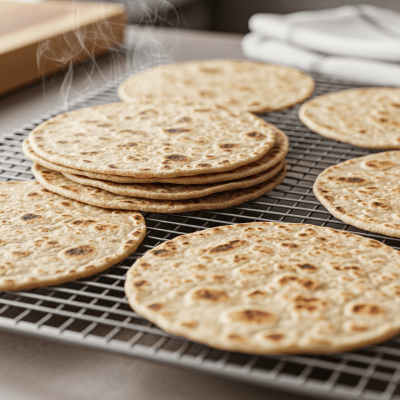
Tortillas are unleavened breads and do not undergo fermentation or leavening. Corn tortillas are made from nixtamalized maize dough without rising agents, and wheat tortillas use plain wheat flour dough without yeast or chemical leavening.
Tortillas provide a staple source of carbohydrates and vary nutritionally depending on the grain. Corn tortillas are naturally gluten-free and benefit from nixtamalization, which improves nutrient availability. Wheat tortillas contain gluten and tend to be softer but may have a higher glycemic index. Both types offer dietary fiber, though exact amounts vary by recipe.
Fresh tortillas are best consumed within hours of preparation to maintain pliability and flavor. They can be refrigerated for several days to extend freshness. Commercially produced tortillas often include preservatives, allowing for longer shelf life. Corn tortillas tend to dry out quickly, while wheat tortillas retain moisture longer but contain gluten, which may affect storage preferences.
Tortillas serve as the foundational bread in Mexican and Central American cuisines. Corn tortillas are essential for tacos, enchiladas, and tostadas, while wheat tortillas are favored for burritos and quesadillas. They function as wraps, plates, or scoops for a variety of fillings and toppings, showcasing remarkable versatility.
Regional variations include the corn-based tortilla de maíz and the wheat-based tortilla de trigo common throughout Central America. In the United States, both corn and wheat tortillas are widely consumed and commercially produced. Notably, in Spain, the term "tortilla" refers to an egg-based omelette rather than bread, highlighting regional linguistic differences.
Tortillas are widely available commercially in fresh and packaged forms across Latin America, the United States, and increasingly worldwide. Both corn and wheat varieties are mass-produced to meet growing global demand, with artisanal and industrial options catering to diverse consumer preferences.