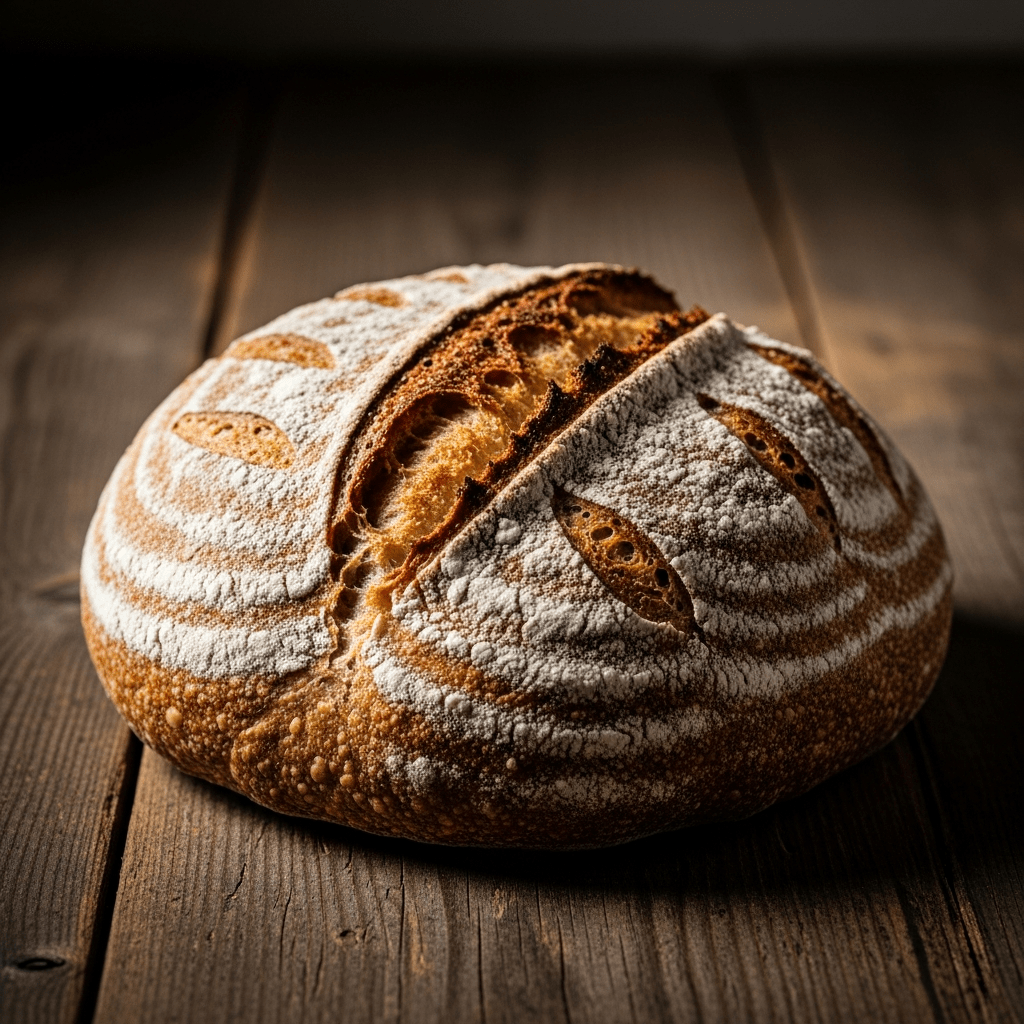
Pain Au Levain
Pain au Levain is a traditional French sourdough bread known for its naturally leavened dough, crusty exterior, and tangy, complex flavor.
Pain au Levain is a traditional French sourdough bread known for its naturally leavened dough, crusty exterior, and tangy, complex flavor.
Originating in France, Pain au Levain has centuries-old roots as a staple bread in both rural and urban French baking. It evolved organically through generations, relying on a levain— a natural sourdough starter—rather than commercial yeast, embodying the heritage of artisan fermentation traditions.
This bread belongs to the leavened bread family, specifically classified as a sourdough style. It is naturally fermented using wild yeast and lactic acid bacteria, distinguishing it from breads made with commercial yeast or chemical leavening agents.
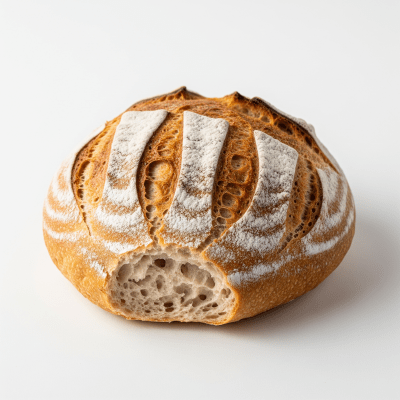
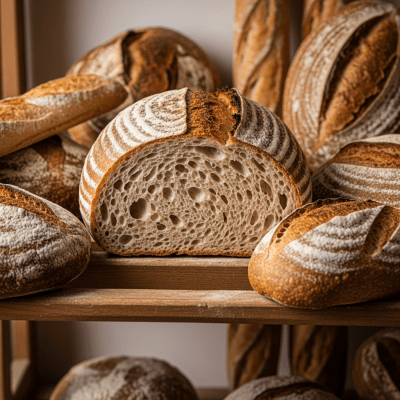
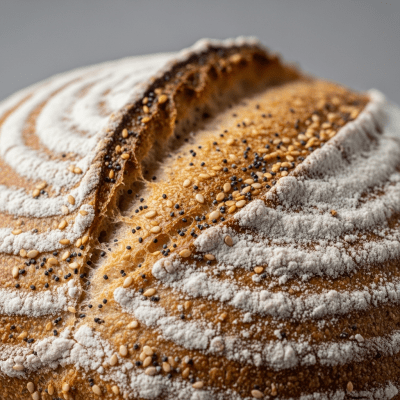
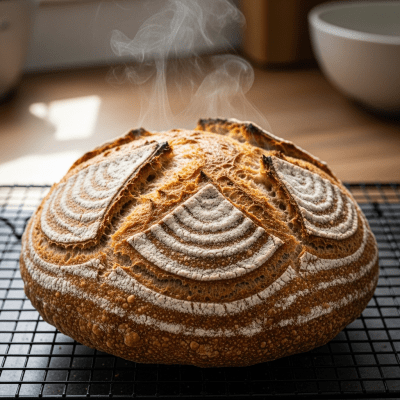
Pain au Levain typically takes a round or oval shape with a deep golden-brown, blistered crust that is crisp to the touch. Inside, it reveals an open, irregular crumb texture that is chewy and moist, reflecting its slow fermentation and artisan baking methods. Loaf sizes commonly range from 500 grams to 1 kilogram.
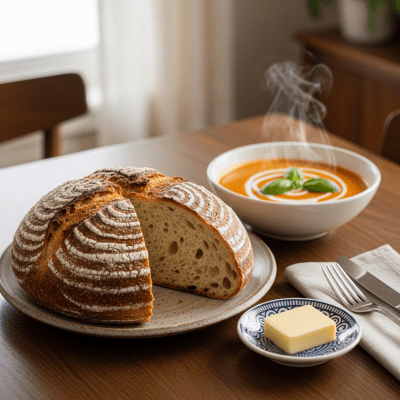
Functioning as a versatile table bread, Pain au Levain is enjoyed alongside meals or used for sandwiches. Its robust flavor and chewy texture complement cheeses, charcuterie, and soups, making it a favored choice for both everyday and gourmet dining experiences.
Bring this kind into your world illustrated posters, mugs, and shirts.
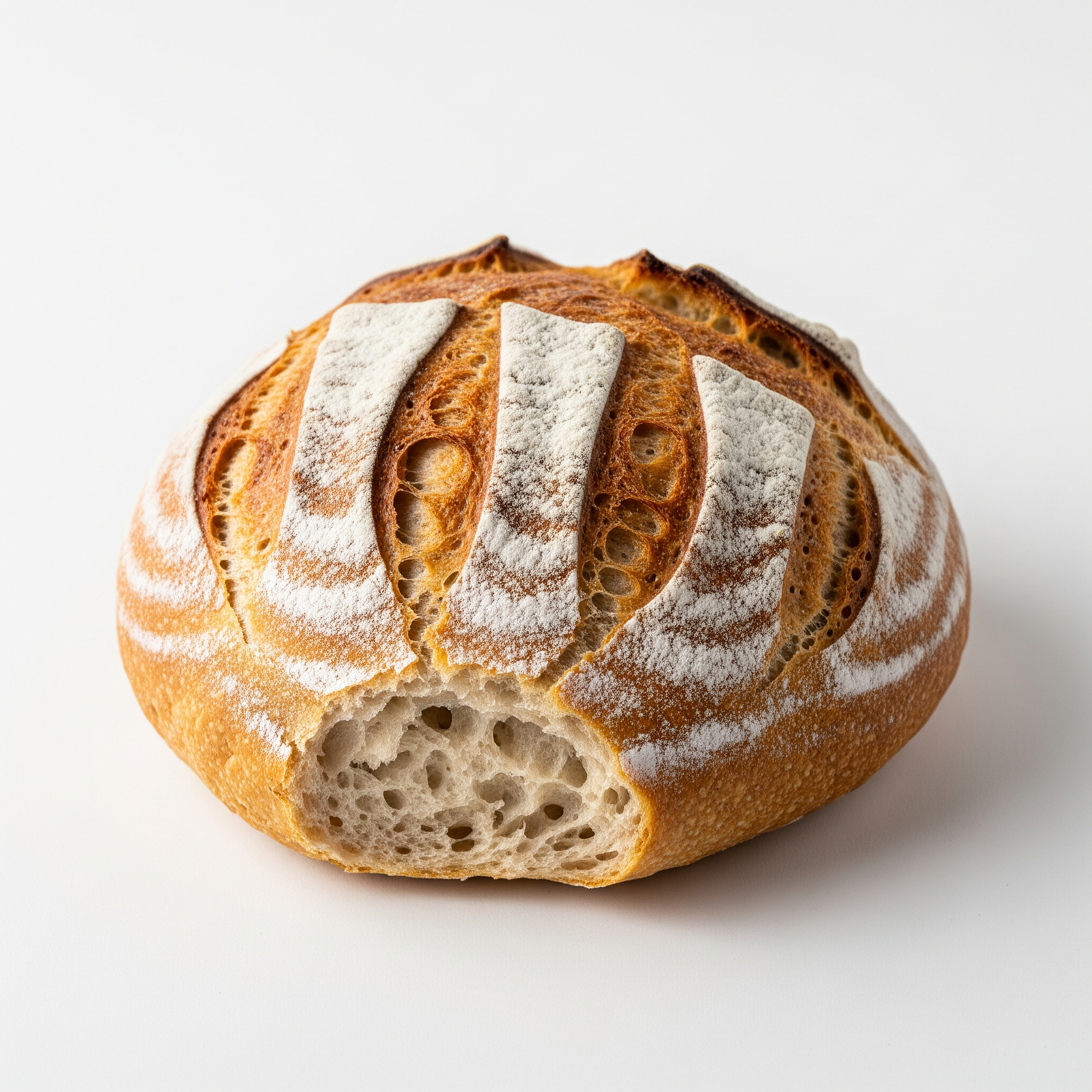
Archival print, museum-grade paper
Buy Poster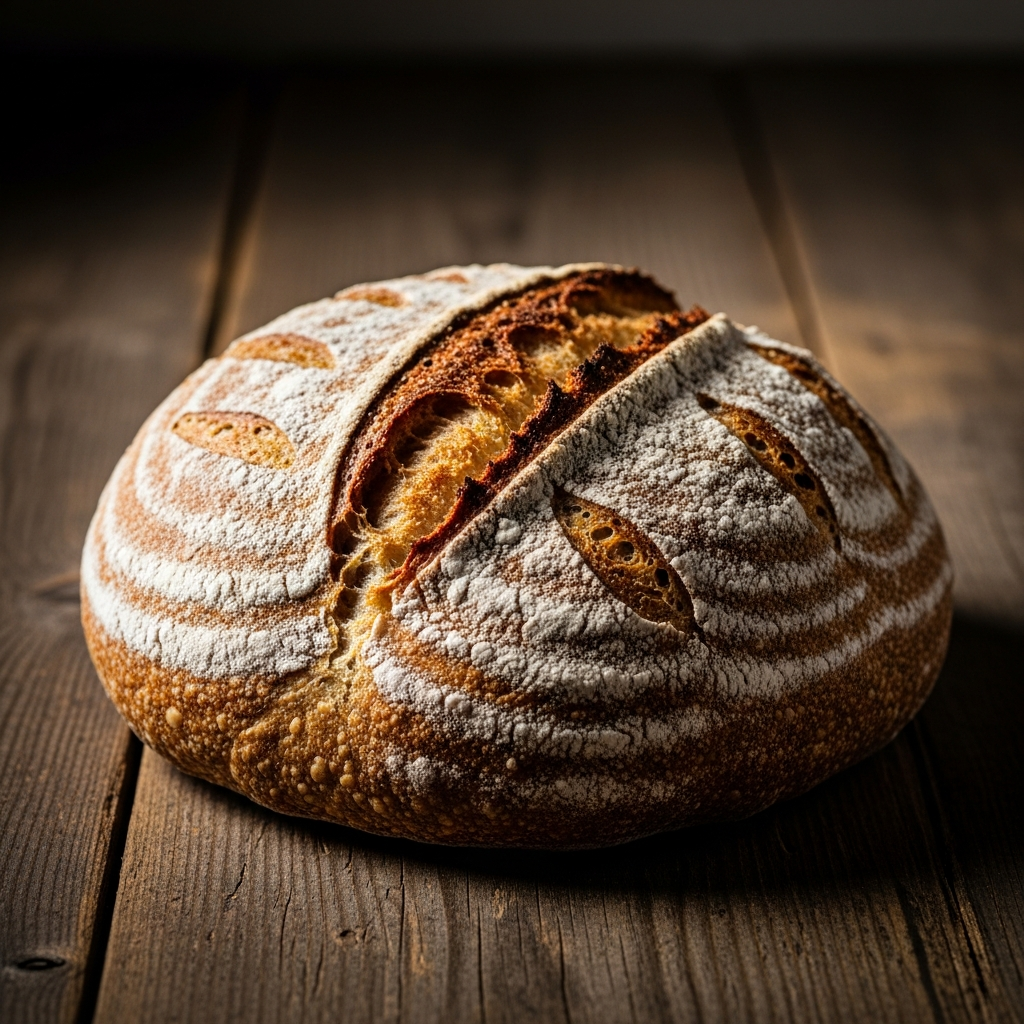
Stoneware mug, dishwasher safe
Buy Mug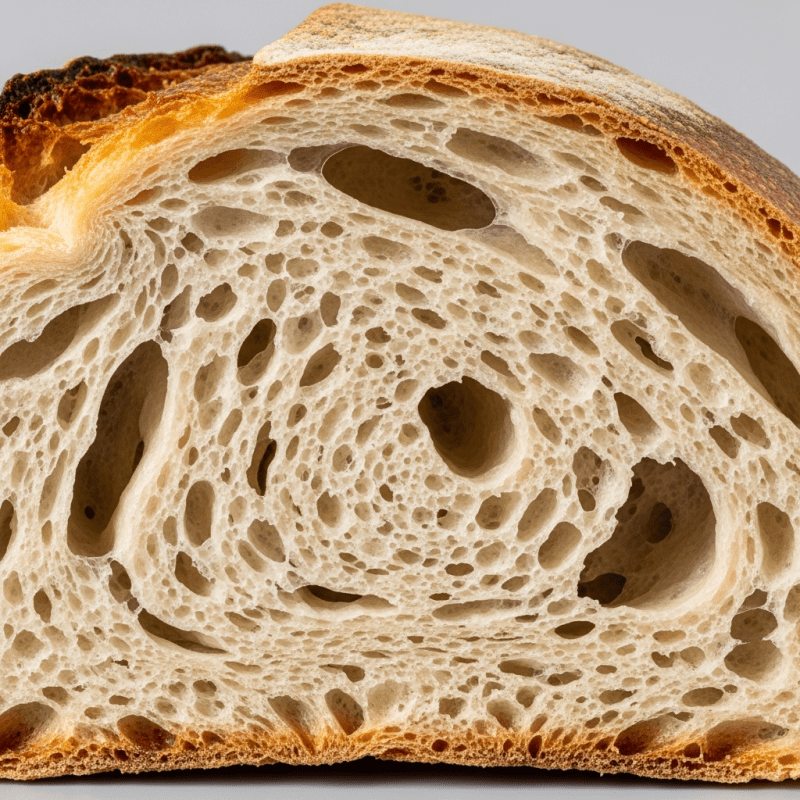
Soft cotton tee, unisex sizes
Buy ShirtAs a hallmark of French boulangeries, Pain au Levain embodies the cultural artistry of traditional French baking. Its natural fermentation process and artisanal production celebrate heritage techniques that have influenced sourdough baking worldwide, symbolizing craftsmanship and culinary authenticity.
Primary ingredients include wheat flour and optionally rye flour, combined with water and salt. The natural levain starter provides the wild yeast and bacteria necessary for fermentation.
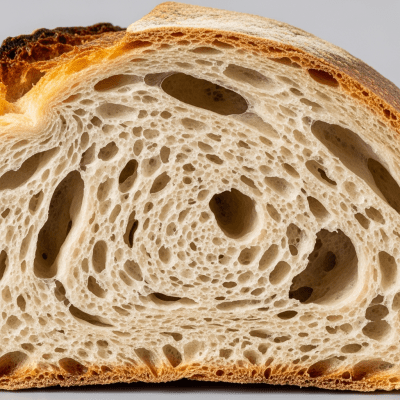
Pain au Levain is leavened through a natural fermentation process using a levain starter composed of wild yeast and lactic acid bacteria. This slow fermentation develops its characteristic tangy flavor and open crumb structure, distinguishing it from breads made with commercial yeast.
Thanks to its natural fermentation, Pain au Levain is prized for improved digestibility and potential health benefits. While specific fiber and micronutrient contents vary, the bread’s slow fermentation may contribute to a lower glycemic response compared to conventional yeasted breads.
Pain au Levain typically enjoys an extended shelf life relative to yeasted breads, retaining moisture and freshness longer. It is best stored at room temperature in breathable packaging like paper bags to maintain crust quality, avoiding refrigeration which can accelerate staling.
This bread is commonly served as a table staple, perfect for slicing alongside meals or crafting hearty sandwiches. Its robust flavor pairs exceptionally well with cheeses, cured meats, and soups, making it a versatile choice in both casual and refined dining.
Regional variations of Pain au Levain may incorporate different flour blends, such as mixing wheat with rye, and adjust hydration and fermentation times to influence texture and flavor. In France, the designation is protected to ensure breads labeled as such are naturally leavened exclusively with sourdough starters.
Pain au Levain is widely produced by artisan bakeries and remains a staple in French boulangeries. Its growing international popularity has brought it into specialty bread markets worldwide, where it is celebrated for its traditional craftsmanship and distinctive taste.