
White Bread
White bread is a soft, leavened wheat bread made from refined flour, known for its pale crumb, mild flavor, and widespread use as a staple for sandwiches and toasting worldwide.
White bread is a soft, leavened wheat bread made from refined flour, known for its pale crumb, mild flavor, and widespread use as a staple for sandwiches and toasting worldwide.
Emerging in the late 19th to early 20th century, white bread was popularized through the advent of roller milling technology that enabled mass production of refined wheat flour. Its development was driven primarily in Europe and North America, with no single inventor credited, but rather a collective industrial refinement supported by commercial bakeries and baking institutions.
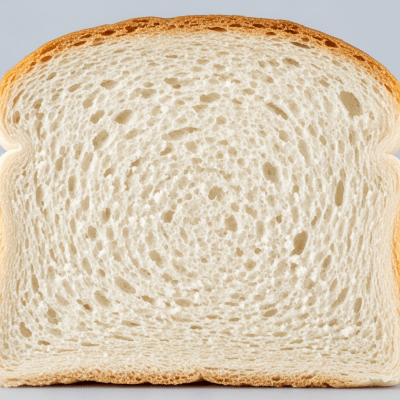
Classified as a leavened wheat bread within the broader bread family, white bread belongs to the category of refined flour breads. It is distinguished from whole grain breads by its use of flour stripped of bran and germ, resulting in a lighter texture and color.
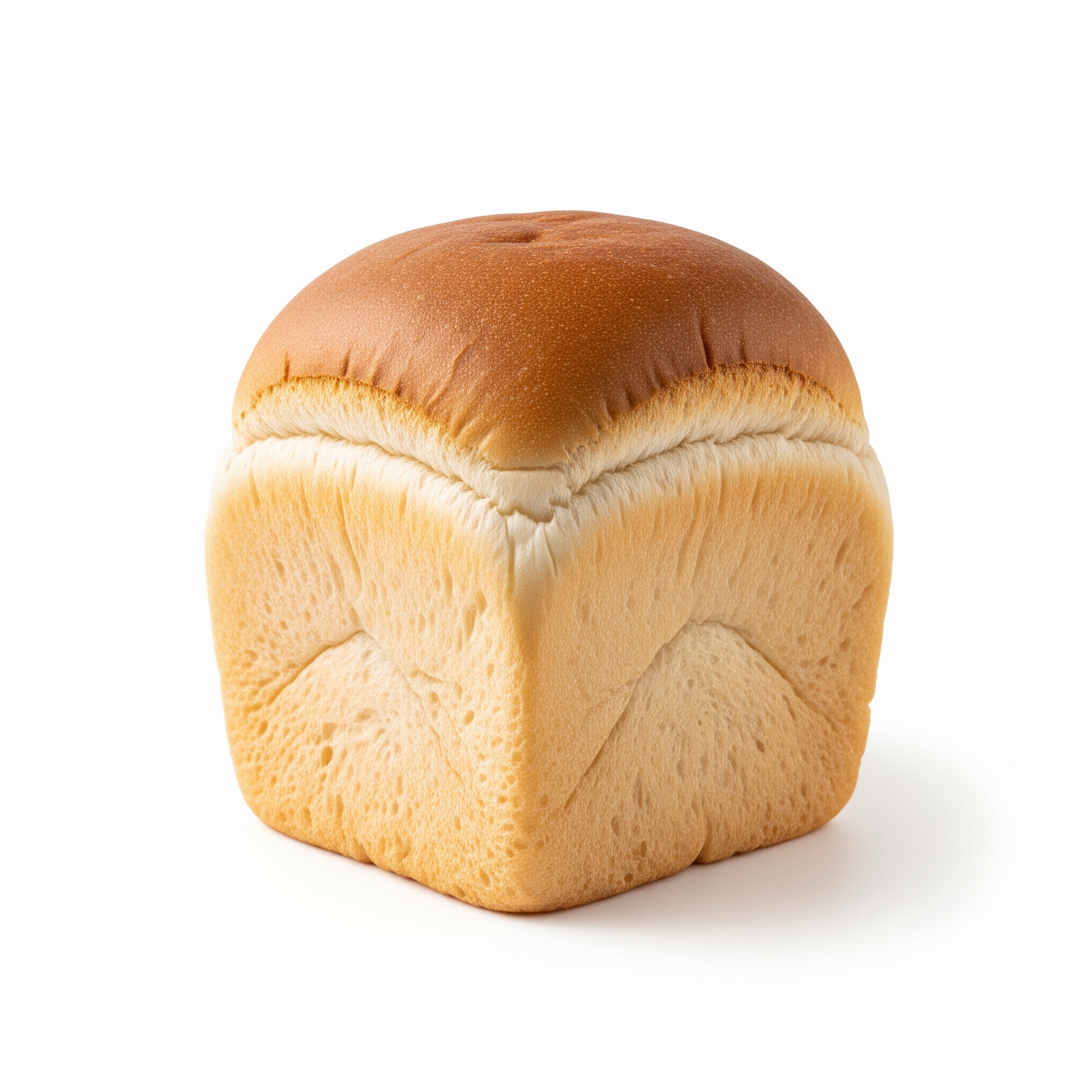
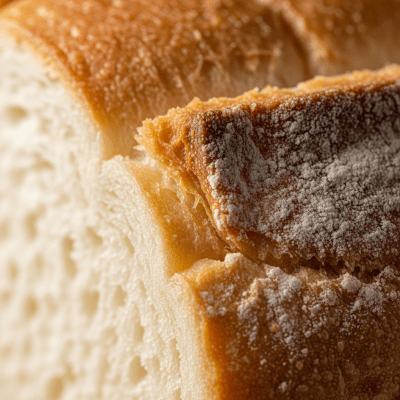
Typically baked as a rectangular loaf, white bread features a soft, fine-grained crumb with a pale interior and a thin, golden-brown crust. Standard loaves weigh between 400 and 900 grams, designed for uniform slicing and a tender mouthfeel.
White bread serves primarily as a versatile base for sandwiches, toast, and accompaniments to soups and stews. Its neutral flavor and soft texture make it ideal for absorbing spreads and fillings, while its uniform slices facilitate easy handling and consumption.
Bring this kind into your world illustrated posters, mugs, and shirts.
Archival print, museum-grade paper
Buy Poster
Stoneware mug, dishwasher safe
Buy Mug
Soft cotton tee, unisex sizes
Buy ShirtAs a symbol of modern industrial baking, white bread has become emblematic of convenience and everyday sustenance in many cultures. It appears frequently in culinary traditions, advertising, and popular culture as the archetypal sandwich bread, reflecting both accessibility and mass food production.
Primary ingredients: refined wheat flour, water, yeast, and salt.



White bread is leavened using commercial yeast, which ferments the dough to produce carbon dioxide, causing it to rise. The fermentation time varies by recipe but typically allows for a soft, extensible dough suited for high-volume baking.
White bread is low in dietary fiber due to the removal of bran and germ during milling. It is often fortified with vitamins and minerals to enhance its nutritional value. While generally less nutrient-dense than whole grain breads, it provides a readily digestible source of carbohydrates.
White bread is best stored at room temperature and typically remains fresh for 3 to 7 days. It is prone to staling and mold growth, so proper sealing and timely consumption are recommended to maintain quality.
Widely used for sandwiches and toast, white bread also serves as a side for soups and stews. Additionally, it forms the base for bread crumbs, croutons, and bread puddings, showcasing its culinary versatility.
Regional variations include enriched versions with milk, sugar, or fats to enhance softness and flavor. In France, a similar bread is known as pain de mie, while in Japan, the soft white bread variant is called shokupan.
Produced at scale by industrial bakeries, white bread is widely available in supermarkets, convenience stores, and food service outlets worldwide. Its mass production and standardized form make it one of the most accessible bread types globally.