Bun
A bun is a small, typically round bread known for its soft texture and individual serving size, commonly used as a versatile base for sandwiches and fillings.
A bun is a small, typically round bread known for its soft texture and individual serving size, commonly used as a versatile base for sandwiches and fillings.
The bun's precise origin is not attributed to a single source but has evolved over centuries across various cultures, with roots tracing back to both European and Asian bread traditions.
Buns belong to the broader family of leavened breads, classified as small, individual rolls within the staple bread category, distinguished by their soft crumb and round or oval shape.
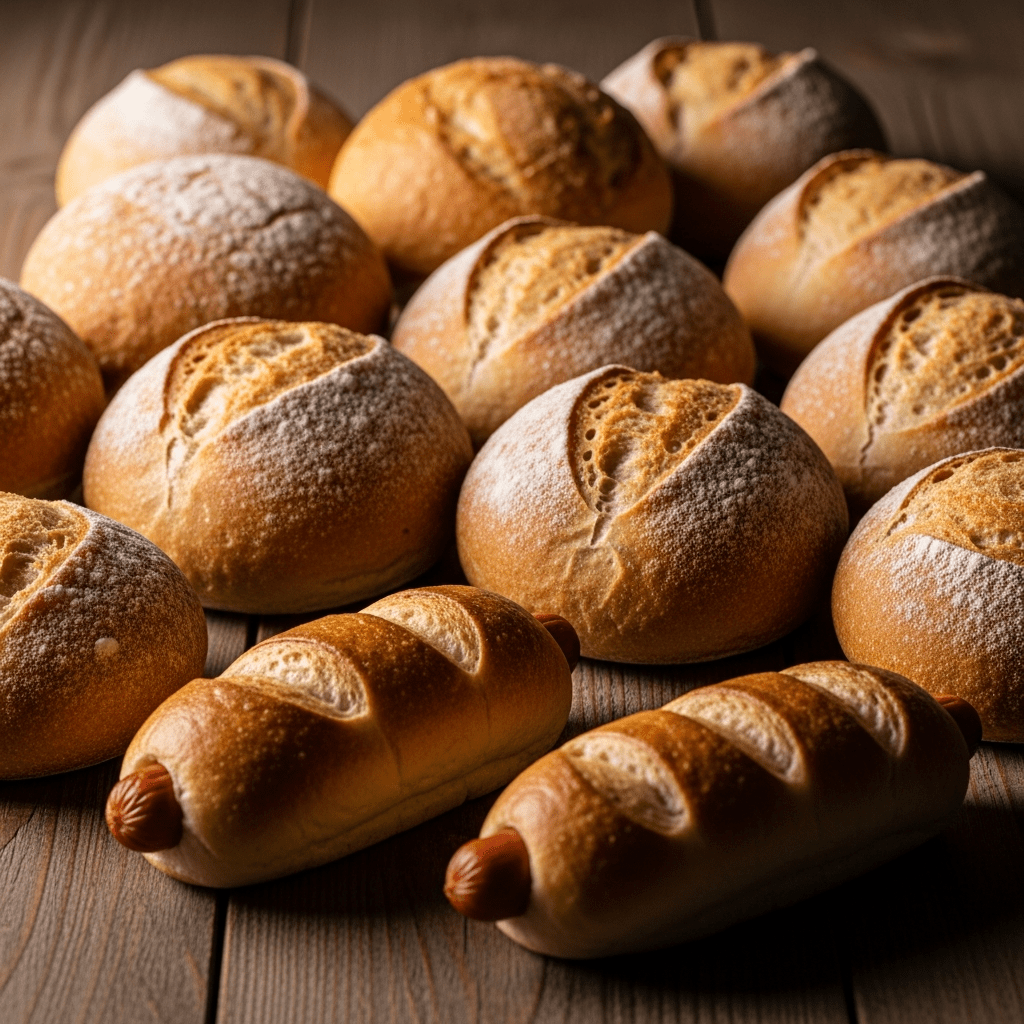
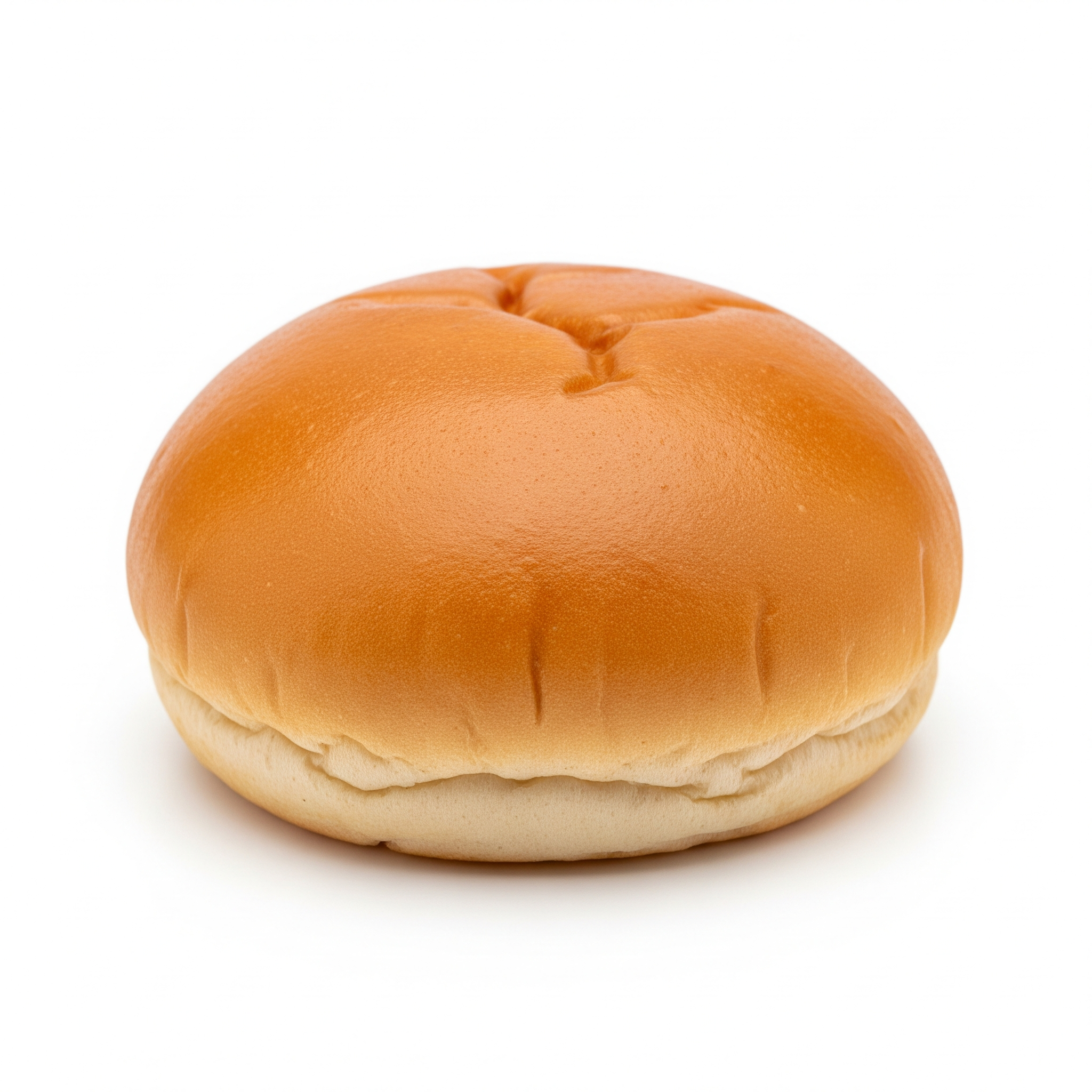
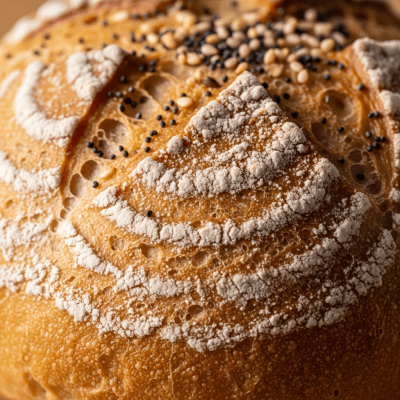
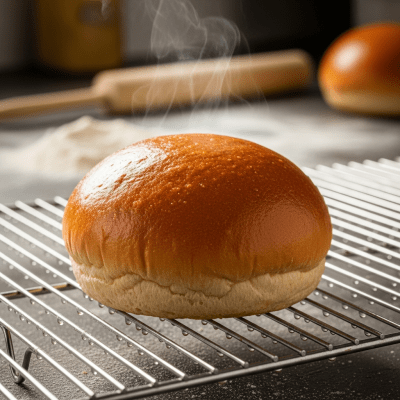
Buns are typically small, round or oval breads measuring 5 to 12 centimeters in diameter. They feature a soft, tender crumb and a pale golden-brown crust that is often slightly sweetened, offering a delicate and inviting texture.
Buns function primarily as carriers for fillings such as hamburgers and hot dogs but are also enjoyed plain or with spreads. Their convenient size and soft texture make them a staple in fast food, convenience markets, and traditional meals alike.
Bring this kind into your world illustrated posters, mugs, and shirts.
Archival print, museum-grade paper
Buy Poster
Stoneware mug, dishwasher safe
Buy Mug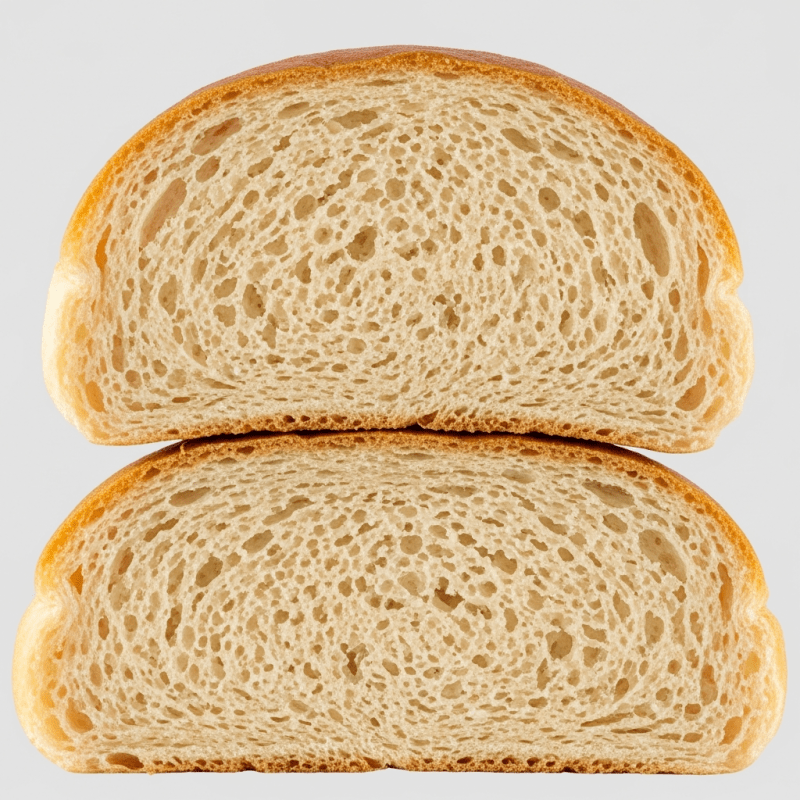
Soft cotton tee, unisex sizes
Buy ShirtBuns hold a prominent place in global food culture, appearing in fast food iconography and traditional dining alike. They symbolize convenience and comfort, often featured in culinary arts as essential components of beloved sandwiches and snacks.
Primary ingredients include wheat flour, water, commercial yeast, salt, milk, eggs, sugar, and fat such as butter or oil to enhance softness and flavor.



Buns are typically leavened using commercial yeast, which provides a reliable and consistent rise during baking. The fermentation time may vary depending on the recipe but generally involves a standard proofing period to develop the soft crumb.
Buns generally provide a source of carbohydrates with moderate calories. Their fiber content and micronutrients depend on the flour type and added ingredients, while glycemic impact varies accordingly. Enriched buns may contain additional fats and sugars.
Buns maintain good shelf stability when packaged commercially, often lasting several days at room temperature. Homemade buns are more prone to staling and should be consumed quickly or stored in airtight conditions to preserve freshness.
Buns are widely used as sandwich bases, especially for hamburgers and hot dogs, and are also served as dinner rolls or snack breads. They can be eaten plain, toasted, or with various spreads and toppings, making them a versatile component in many meals.
Regional variations include hamburger buns, hot dog buns, dinner rolls, and milk buns. In some Asian cuisines, the term 'bun' refers to filled steamed breads like bao, which are classified separately from baked buns in Western taxonomy.
Buns are extensively available in commercial markets, ranging from mass-produced packaged products to artisanal bakery offerings. Their widespread presence reflects their importance in fast food, retail, and traditional culinary contexts worldwide.