Pumpernickel
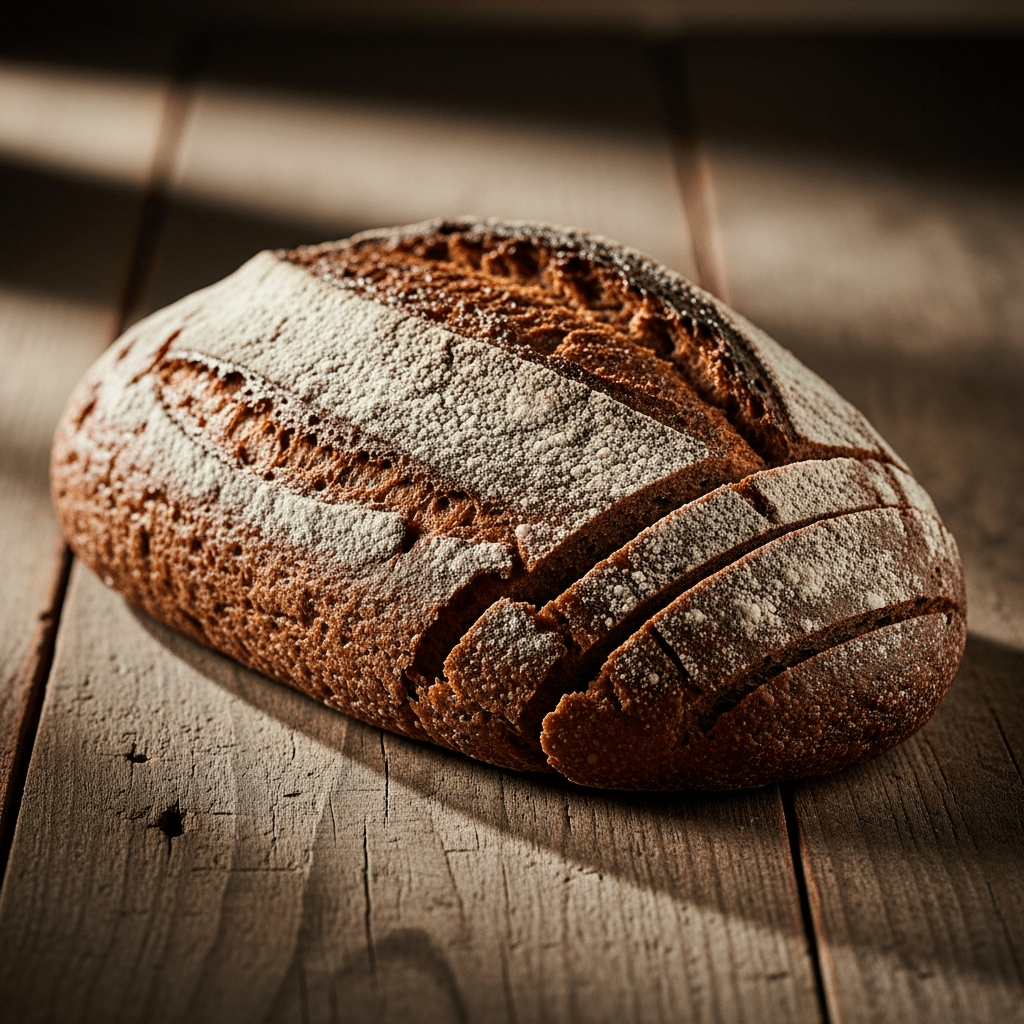
Pumpernickel is a traditional German rye bread known for its dense texture, very dark color, and mildly sweet, robust flavor developed through a long, slow baking process.
Pumpernickel is a traditional German rye bread known for its dense texture, very dark color, and mildly sweet, robust flavor developed through a long, slow baking process.
Originating in the Westphalia region of Germany, pumpernickel dates back to at least the 17th century. It evolved from rural rye bread traditions, with no single inventor, reflecting local methods of baking coarse rye loaves over extended periods.
Classified within the family of rye breads, pumpernickel belongs to the broader category of dense, sourdough-leavened German breads. It is a subtype distinguished by its coarse rye flour base and unique baking technique.
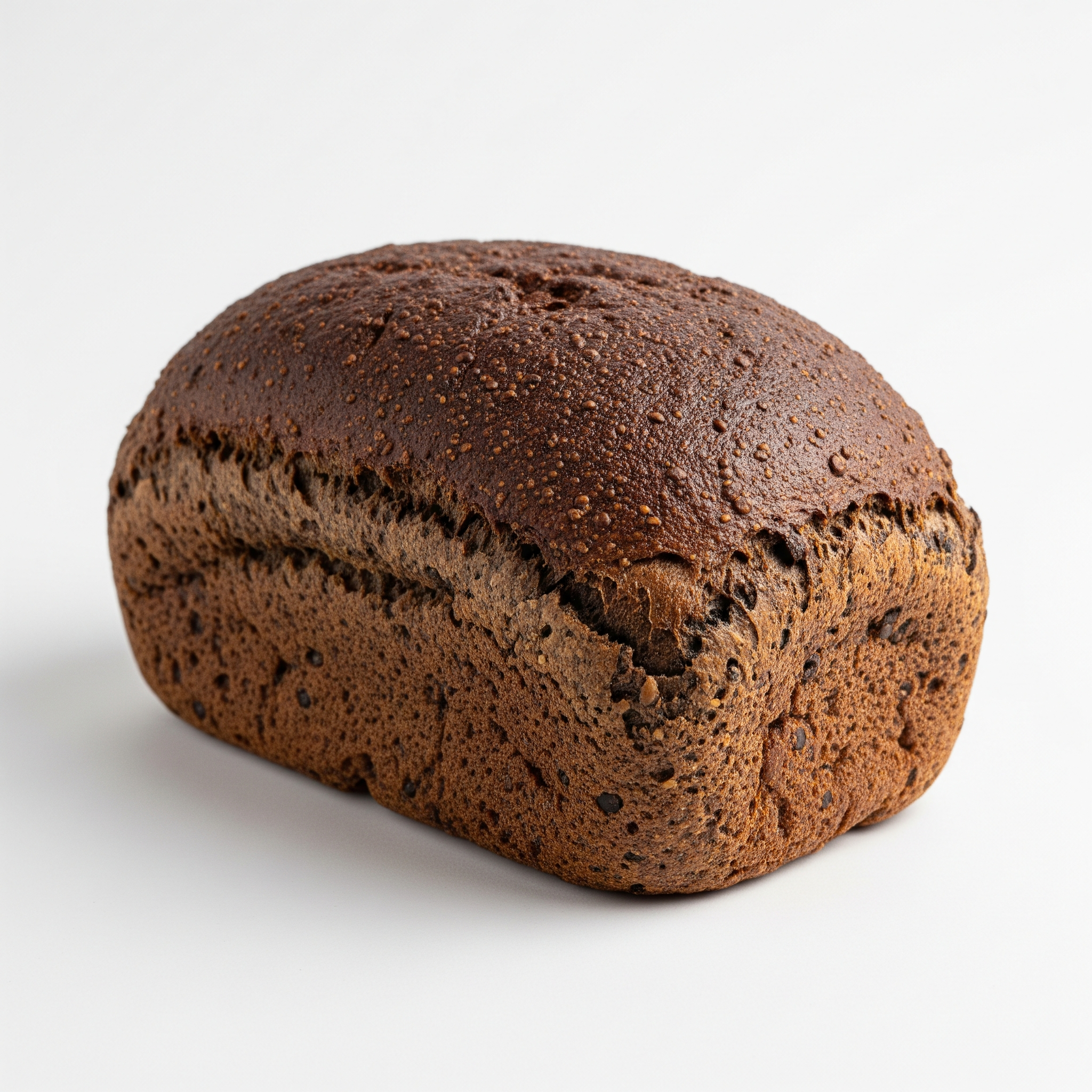
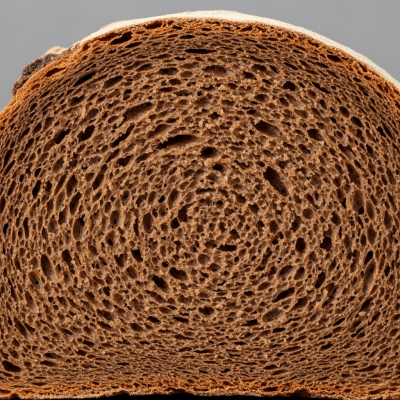
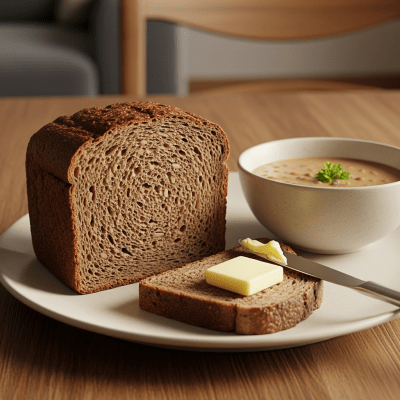
Pumpernickel typically takes a rectangular or brick-shaped form, featuring a dense and moist crumb. Its crust and crumb are very dark brown to almost black, a result of prolonged low-temperature baking that develops deep color and subtle sweetness.
This bread functions as a hearty staple, often sliced thin for open-faced sandwiches. Its robust flavor pairs well with smoked fish, cured meats, and cheeses, making it a favored choice in German cuisine, especially in Westphalia.
Bring this kind into your world illustrated posters, mugs, and shirts.
Archival print, museum-grade paper
Buy Poster
Stoneware mug, dishwasher safe
Buy Mug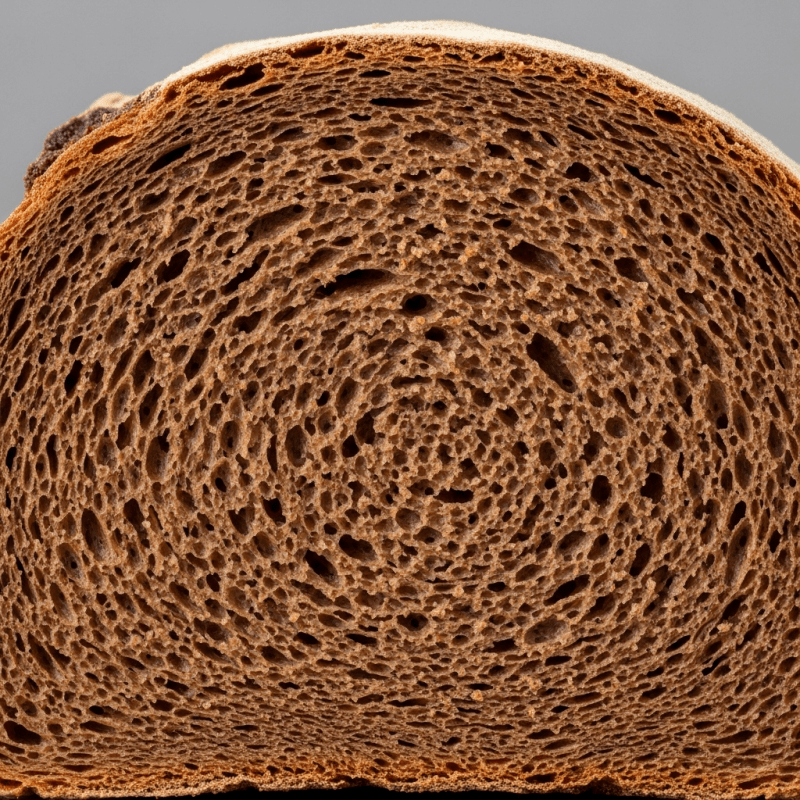
Soft cotton tee, unisex sizes
Buy ShirtPumpernickel holds a cherished place in German culinary heritage, symbolizing traditional rye bread craftsmanship. Its distinctive taste and appearance have made it an iconic representation of Westphalian baking culture and a staple in regional foodways.
Primary ingredients include coarsely ground rye flour, whole rye grains, and often a sourdough starter or yeast to leaven the dough.


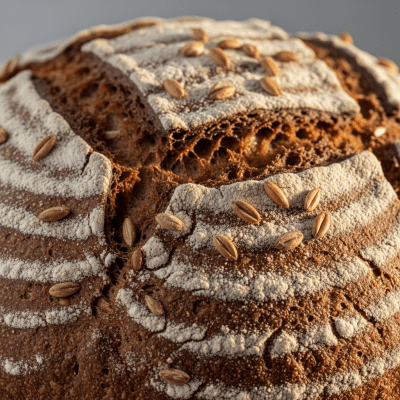
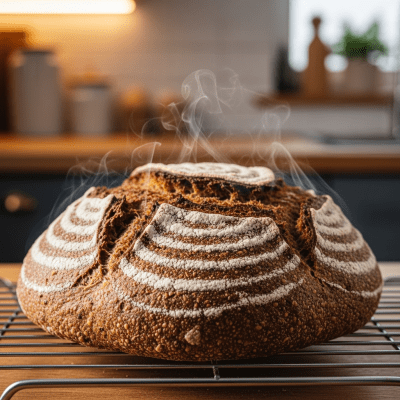
Pumpernickel is traditionally leavened using a sourdough starter, which introduces wild yeast and bacteria. The fermentation process complements the long baking time, enhancing flavor and texture.
Rich in dietary fiber, pumpernickel offers nutritional benefits such as improved digestion and sustained energy release. Its low pH contributes to mold resistance, extending freshness naturally.
Pumpernickel boasts a long shelf life due to its moisture and acidity. To maintain freshness, it should be stored in a cool, dry place and protected from air exposure to prevent staling.
Commonly served thinly sliced as a base for open-faced sandwiches, pumpernickel pairs excellently with smoked fish, cured meats, and cheeses. It is a staple accompaniment in traditional German meals.
While regional variants of pumpernickel exist within Germany, the Westphalian style is regarded as the classic form. Variations may differ slightly in grain coarseness or fermentation details but maintain the characteristic dense, dark profile.
Authentic pumpernickel is produced primarily in Germany and exported worldwide. Outside Germany, many commercial versions imitate its appearance and flavor using molasses or coloring agents, differing from the traditional slow-baked rye loaf.