Origin Story
The origins of cake trace back to ancient civilizations where early forms of sweetened bread were made using honey and nuts. Over centuries, the craft evolved notably in Europe, with refined techniques emerging during the Middle Ages and Renaissance, particularly in France and Central Europe. The term "cake" itself derives from Old Norse, reflecting its deep roots in Northern European baking traditions. As global trade expanded, ingredients like sugar and refined flour became more accessible, allowing cakes to flourish as celebratory desserts worldwide.
Classification
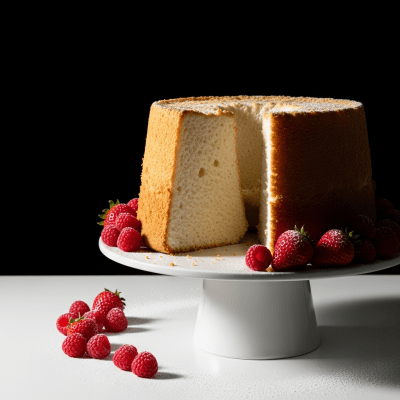
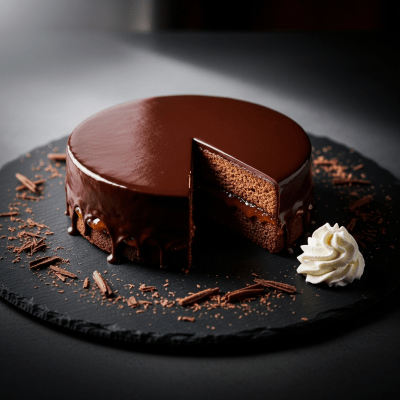
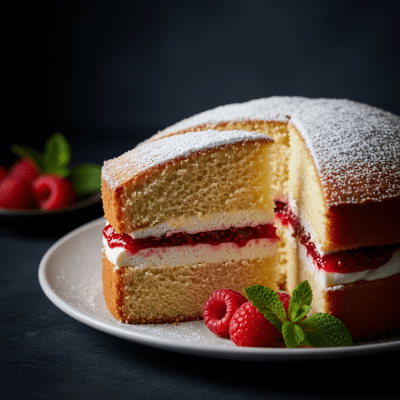
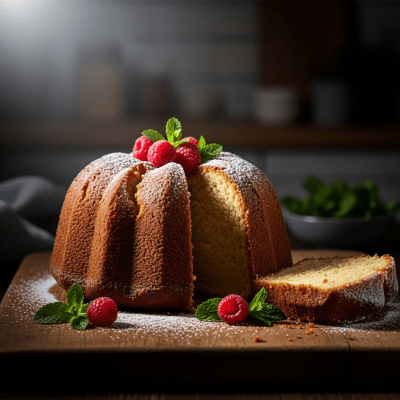
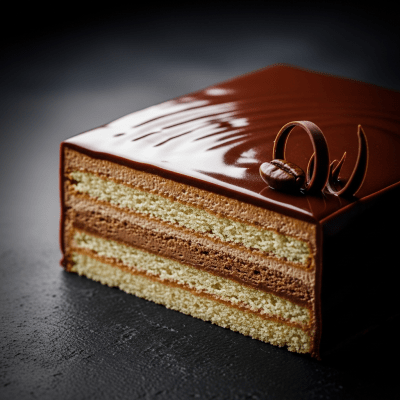
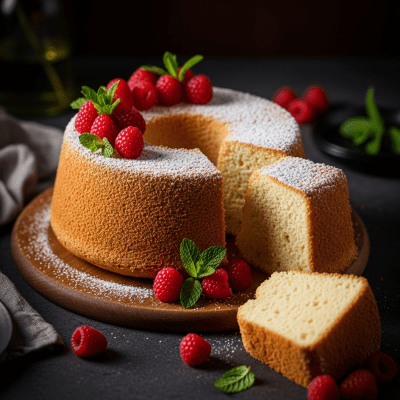
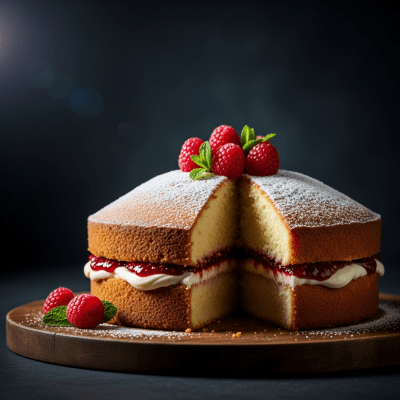
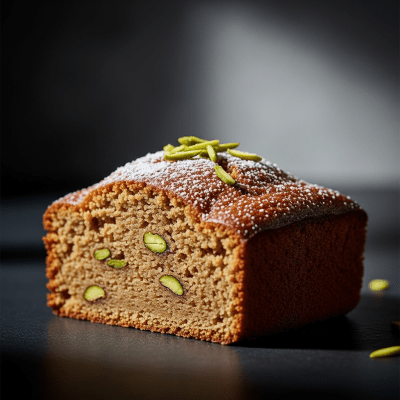
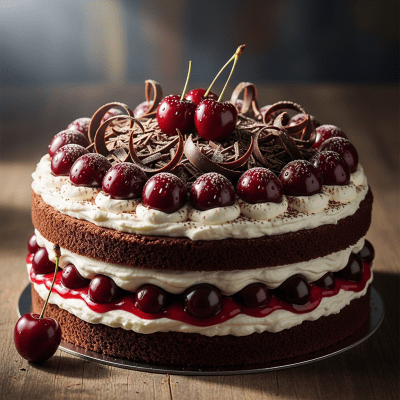
Cakes are classified primarily by their preparation methods and ingredient profiles, falling into broad families such as sponge cakes, butter cakes, foam cakes, oil cakes, and flourless cakes. Within these families, types like Genoise, Angel Food, Pound Cake, and Chiffon represent distinct techniques and textures. Further classification includes named varieties—such as Black Forest Cake or Sachertorte—and sub-varieties that highlight regional or recipe-specific twists. This hierarchical taxonomy aids culinary professionals and enthusiasts in understanding the diversity and complexity of cakes.
Appearance or Form
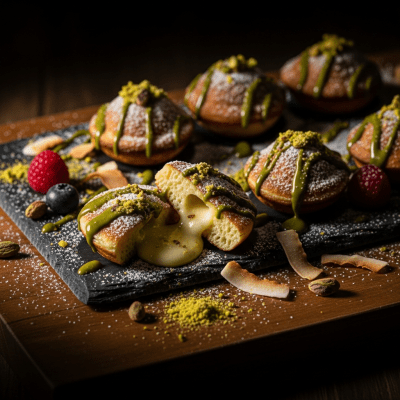
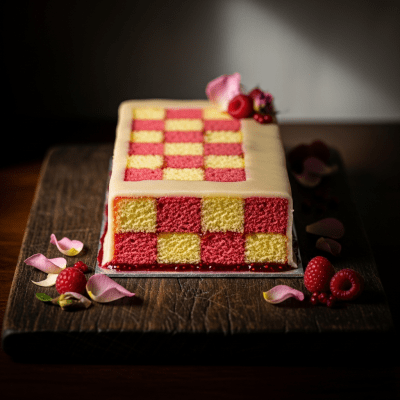
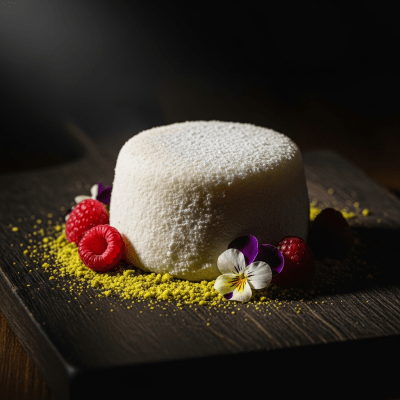
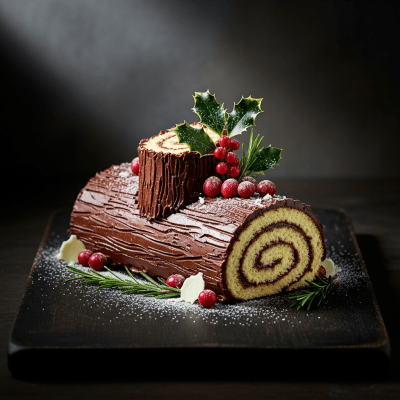
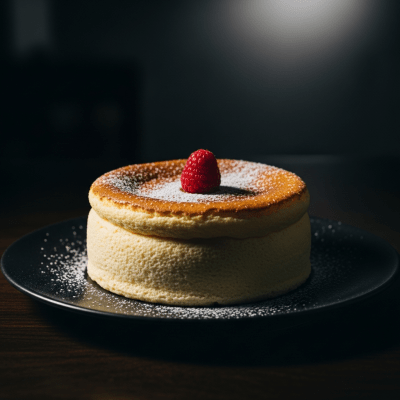
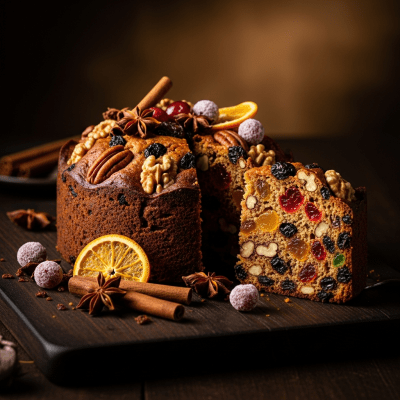
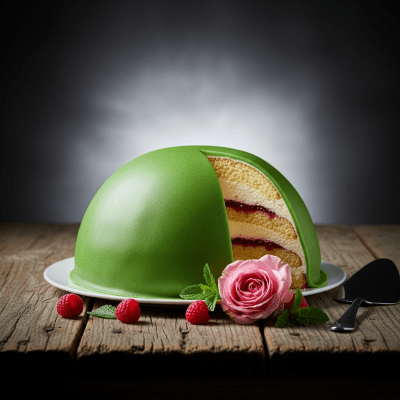
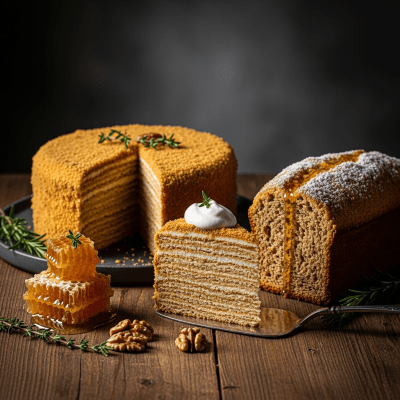
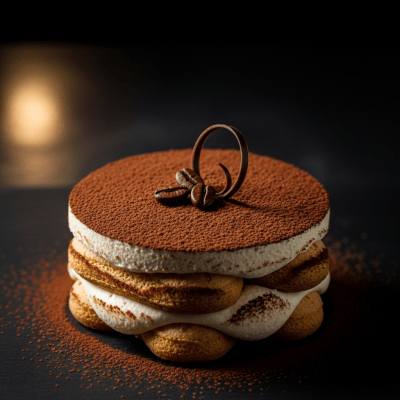
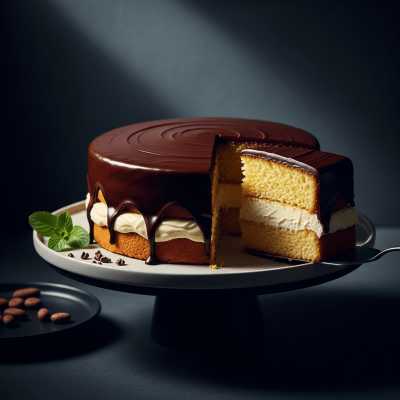
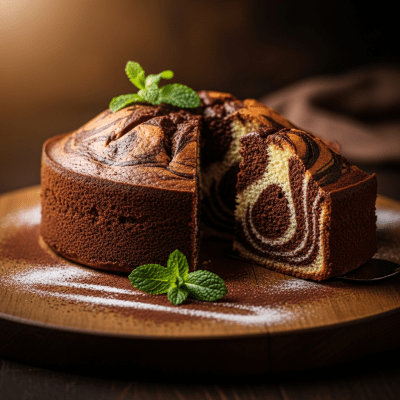
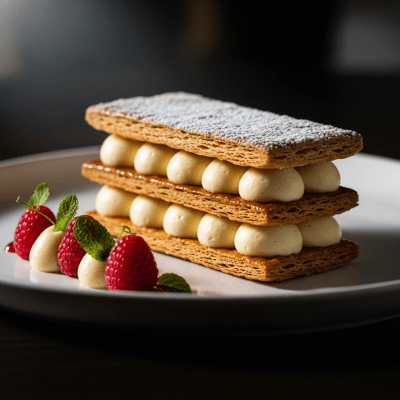
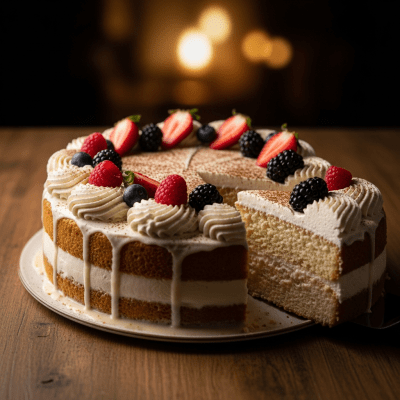
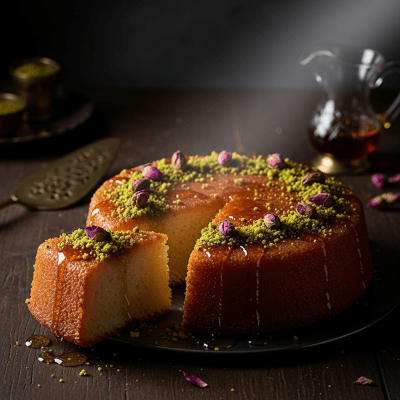
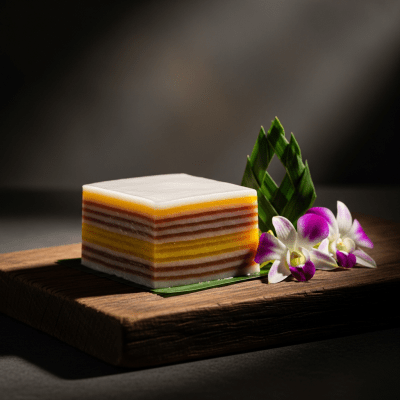
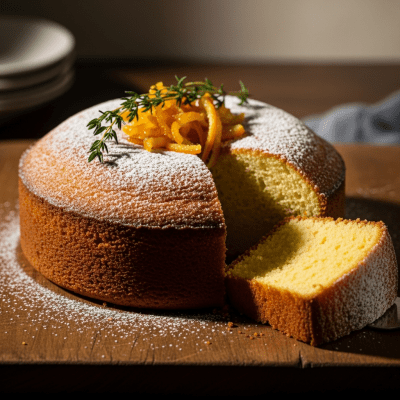
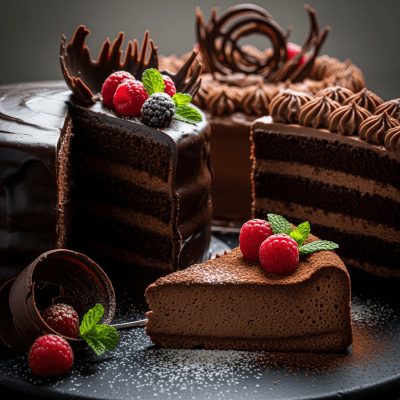
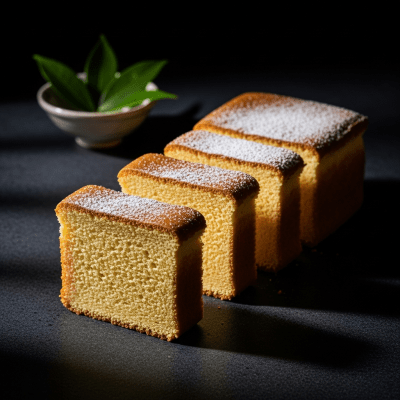
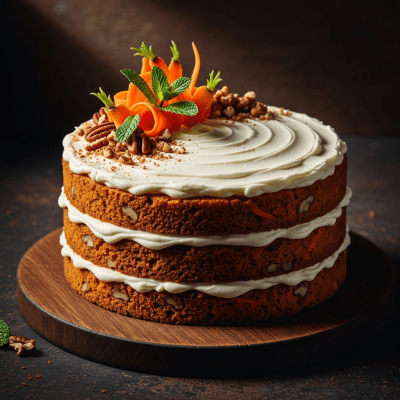
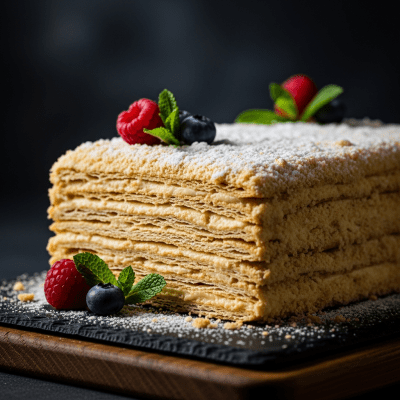
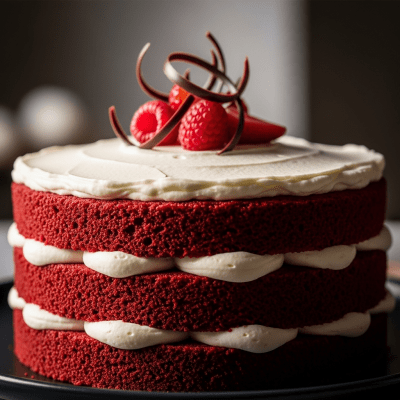
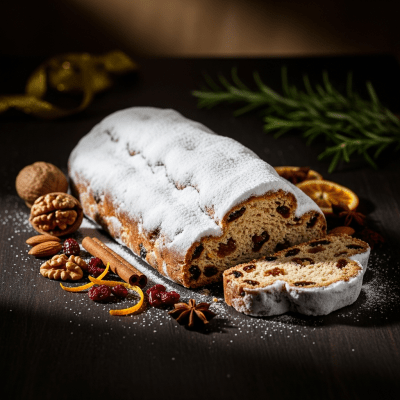
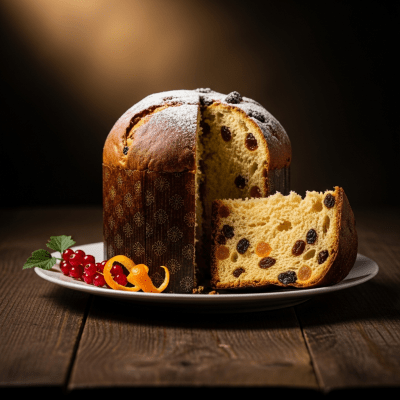
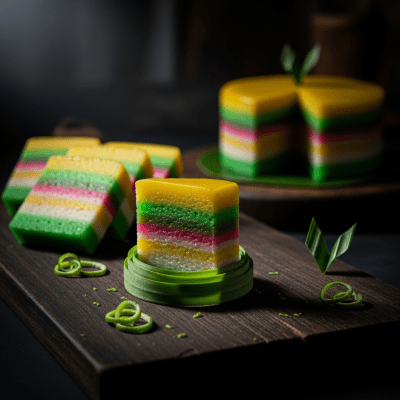
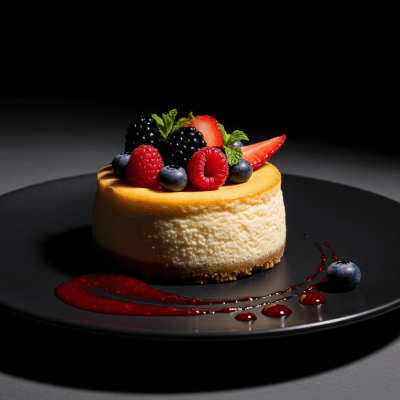
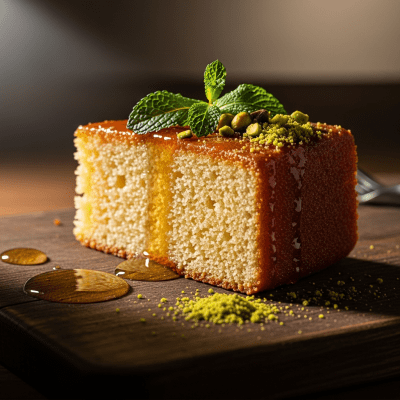
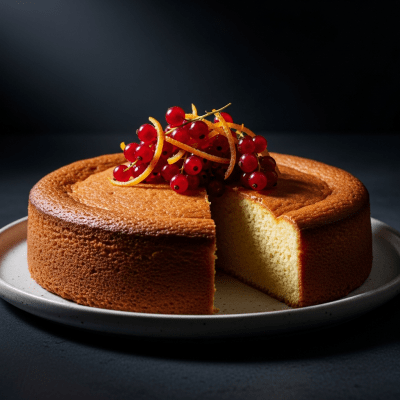
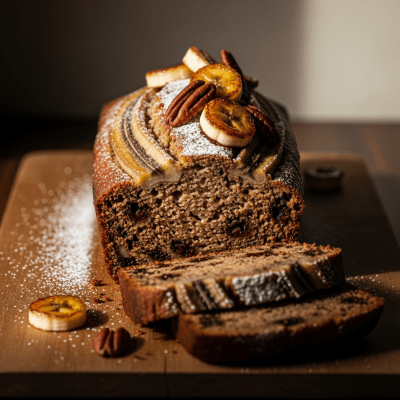
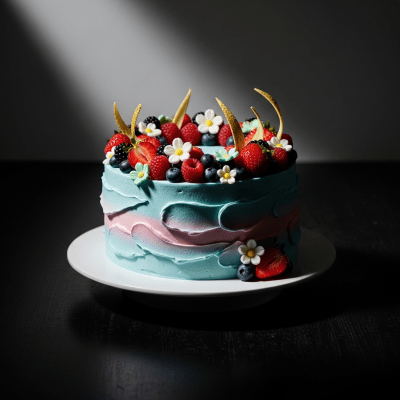
Cakes exhibit a wide range of appearances, from the delicate, airy layers of a sponge cake to the dense, rich textures of a torte. Visually, they often feature smooth or textured surfaces, sometimes adorned with icings, glazes, or decorative elements like fruit and nuts. Their forms vary from simple round or rectangular shapes to elaborate multi-tiered structures. Sensory qualities include moist crumb, tender bite, and a balance of sweetness and flavor, making cakes as pleasing to the eye as to the palate.
Behavior or Usage
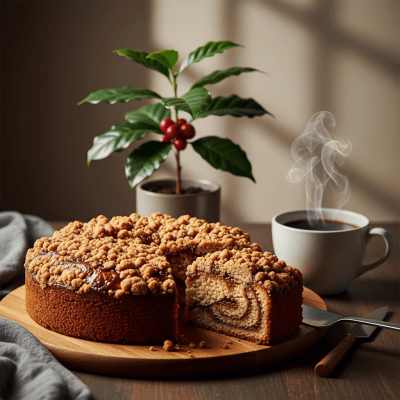
Cakes serve primarily as desserts and celebratory foods, enjoyed during birthdays, weddings, holidays, and other special occasions. Their preparation involves baking, steaming, or chilling, depending on the type. Cakes can be sliced and shared, often accompanied by beverages like tea or coffee. Beyond consumption, cakes function as cultural symbols, gifts, and artistic expressions through their decoration and presentation. In commercial settings, they are produced at scale for retail, while home baking preserves traditional recipes and personal creativity.