Baozi
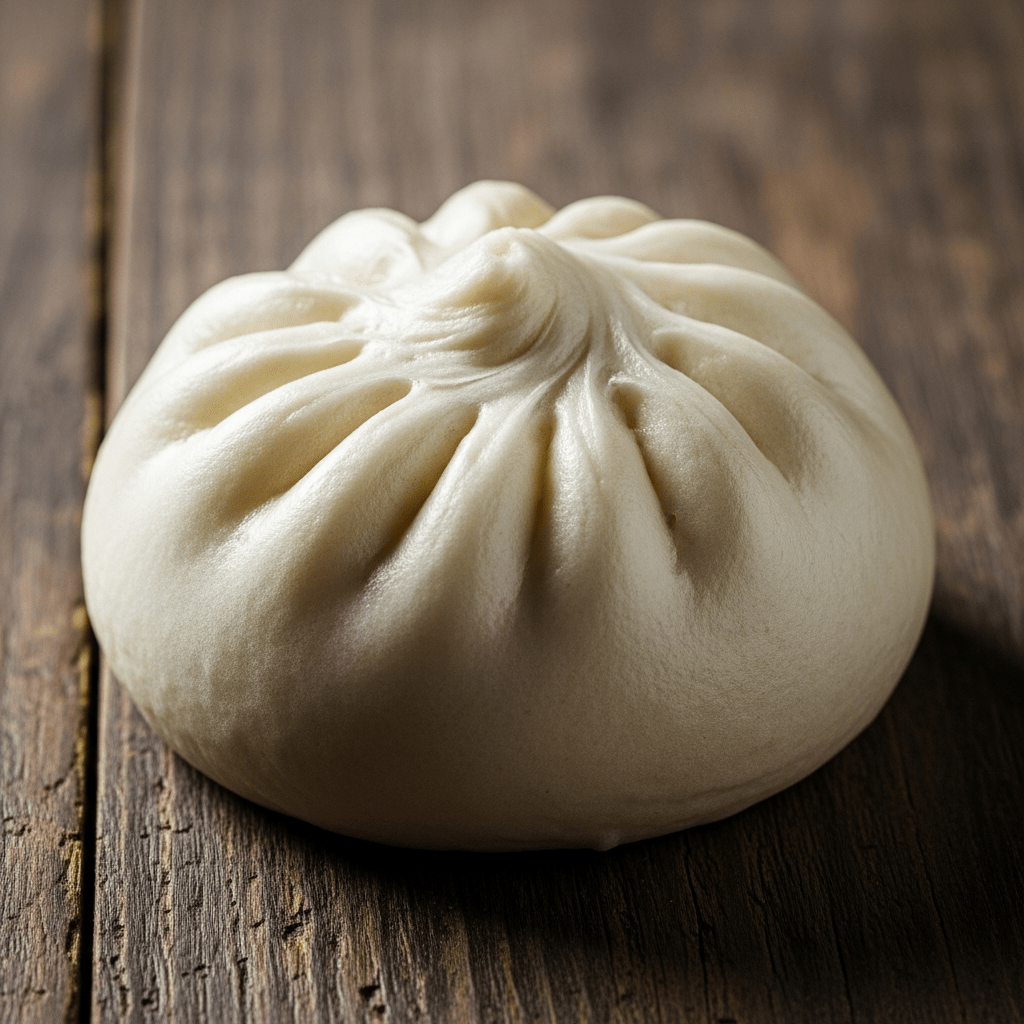
Baozi is a traditional Chinese steamed bread bun known for its soft, fluffy texture and round, closed shape, typically filled with savory or sweet ingredients.
Baozi is a traditional Chinese steamed bread bun known for its soft, fluffy texture and round, closed shape, typically filled with savory or sweet ingredients.
Baozi originated in China during the Three Kingdoms period (c. 220–280 CE), evolving from earlier wheat-based steamed breads such as mantou. Its exact inventor remains unknown, but it has long been a staple of Chinese culinary tradition.
Classified within the steamed bread family, baozi belongs to wheat-based breads that are leavened with yeast and cooked by steaming rather than baking. It is a distinct subtype characterized by its filled, enclosed form.
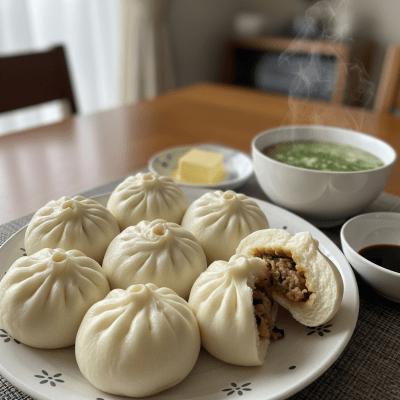
Baozi are typically round buns measuring 5 to 10 centimeters in diameter, featuring a smooth, white exterior created by steaming. The dough is soft, elastic, and light, producing an airy crumb inside that contrasts with the tender crust.
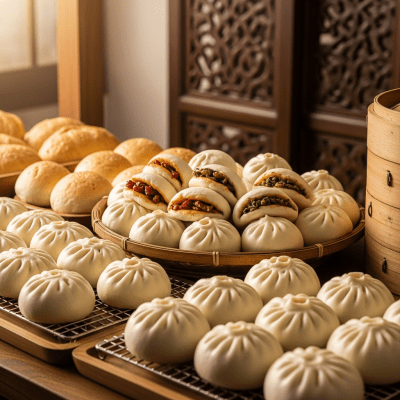
Consumed widely as breakfast, snacks, or part of meals, baozi serve as a portable and versatile food. They are often filled with a variety of ingredients, from meats and vegetables to sweet pastes, making them adaptable to many tastes and occasions.
Bring this kind into your world illustrated posters, mugs, and shirts.
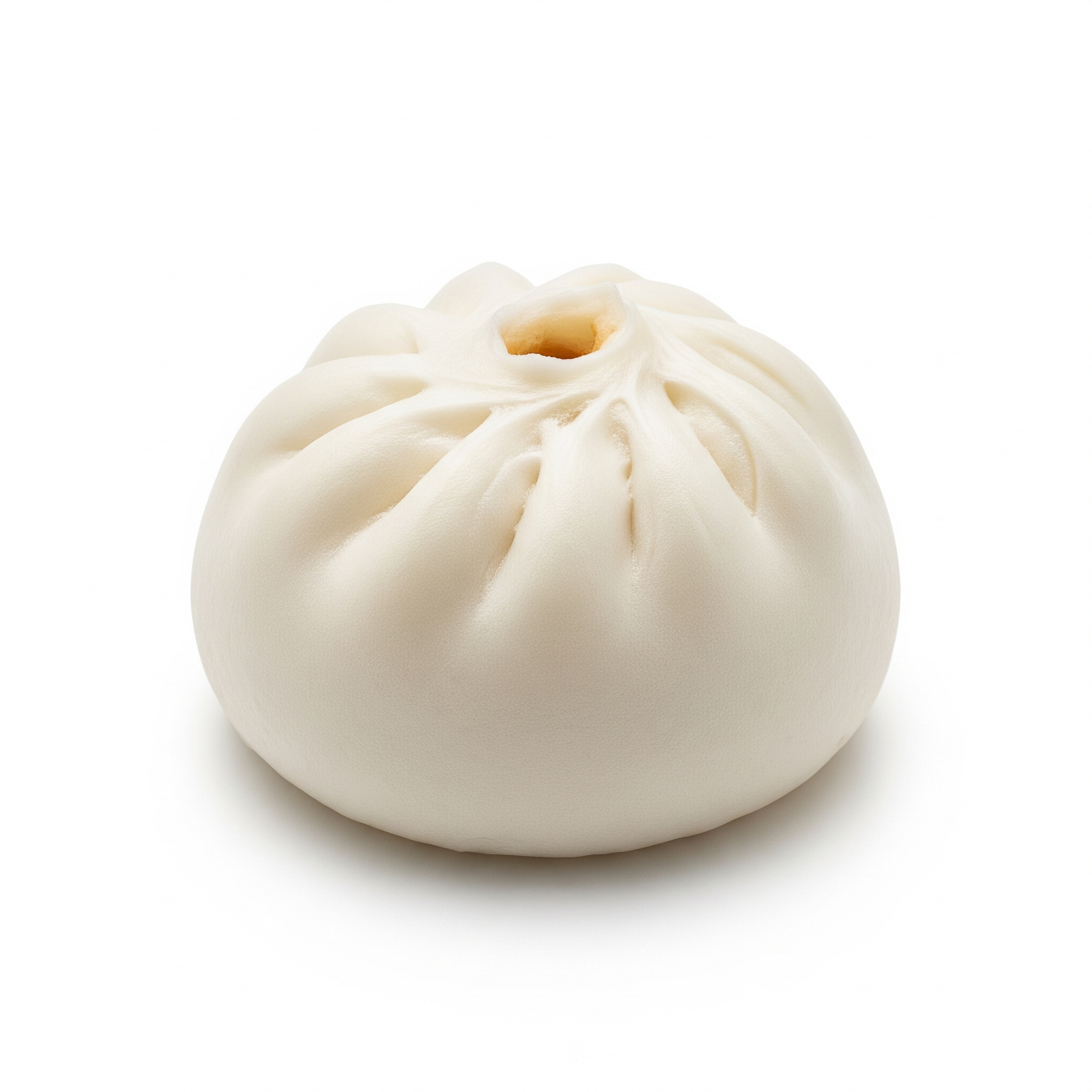
Archival print, museum-grade paper
Buy Poster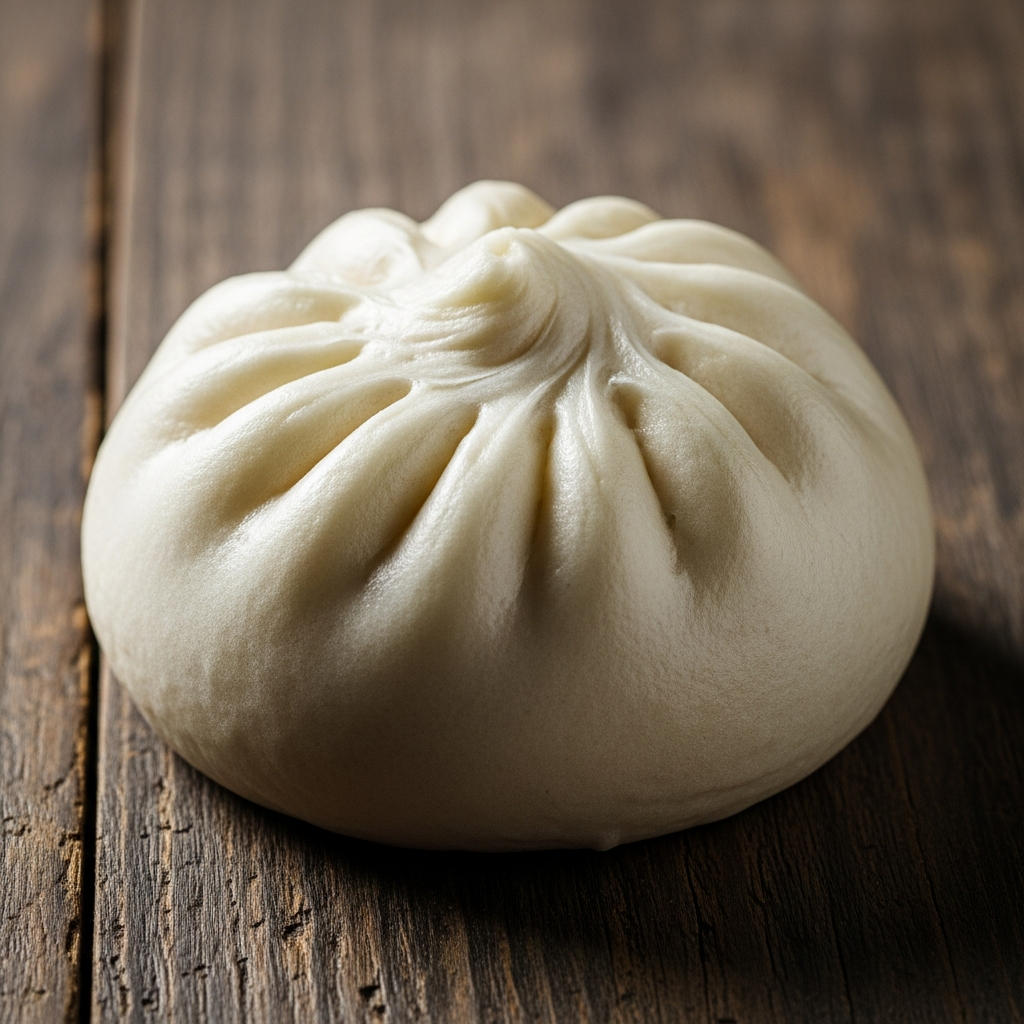
Stoneware mug, dishwasher safe
Buy Mug
Soft cotton tee, unisex sizes
Buy ShirtBaozi holds a significant place in Chinese culture and cuisine, symbolizing comfort and tradition. It appears in daily life, street food culture, and festive occasions, reflecting regional diversity and culinary heritage across East Asia.
Primary ingredients of baozi include wheat flour, water, commercial yeast, and sometimes sugar or oil to enrich the dough.
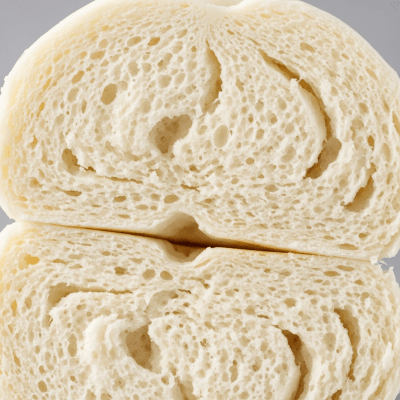

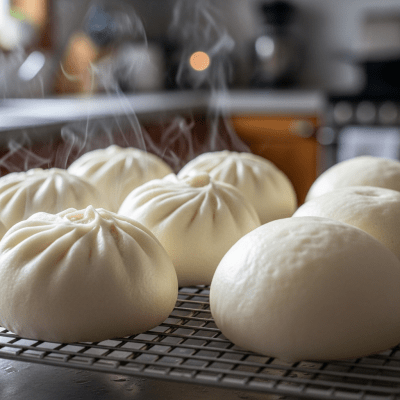
Baozi dough is leavened using commercial yeast, which helps the dough rise and develop its characteristic soft and airy texture before steaming.
While specific nutritional details vary by filling, baozi generally provide a source of carbohydrates from wheat flour and moderate calories. The fiber content and micronutrients depend largely on the type of filling used.
Baozi are best enjoyed fresh but can be refrigerated and reheated. They are prone to drying out and losing their soft texture if stored improperly.
Baozi are enjoyed as a convenient breakfast item, snack, or meal component. Their mild dough pairs well with diverse fillings, making them suitable for a wide range of savory and sweet culinary applications.
Notable regional variants include xiaolongbao, small soup-filled buns; shengjianbao, pan-fried buns with a crispy bottom; and tangbao, large soup-filled buns. In northern China, plain baozi are sometimes called mantou.
Baozi are widely available in restaurants, street stalls, and supermarkets across China and internationally. They are sold fresh and frozen, representing a significant segment of the Chinese bakery market and growing global demand.