
Challah
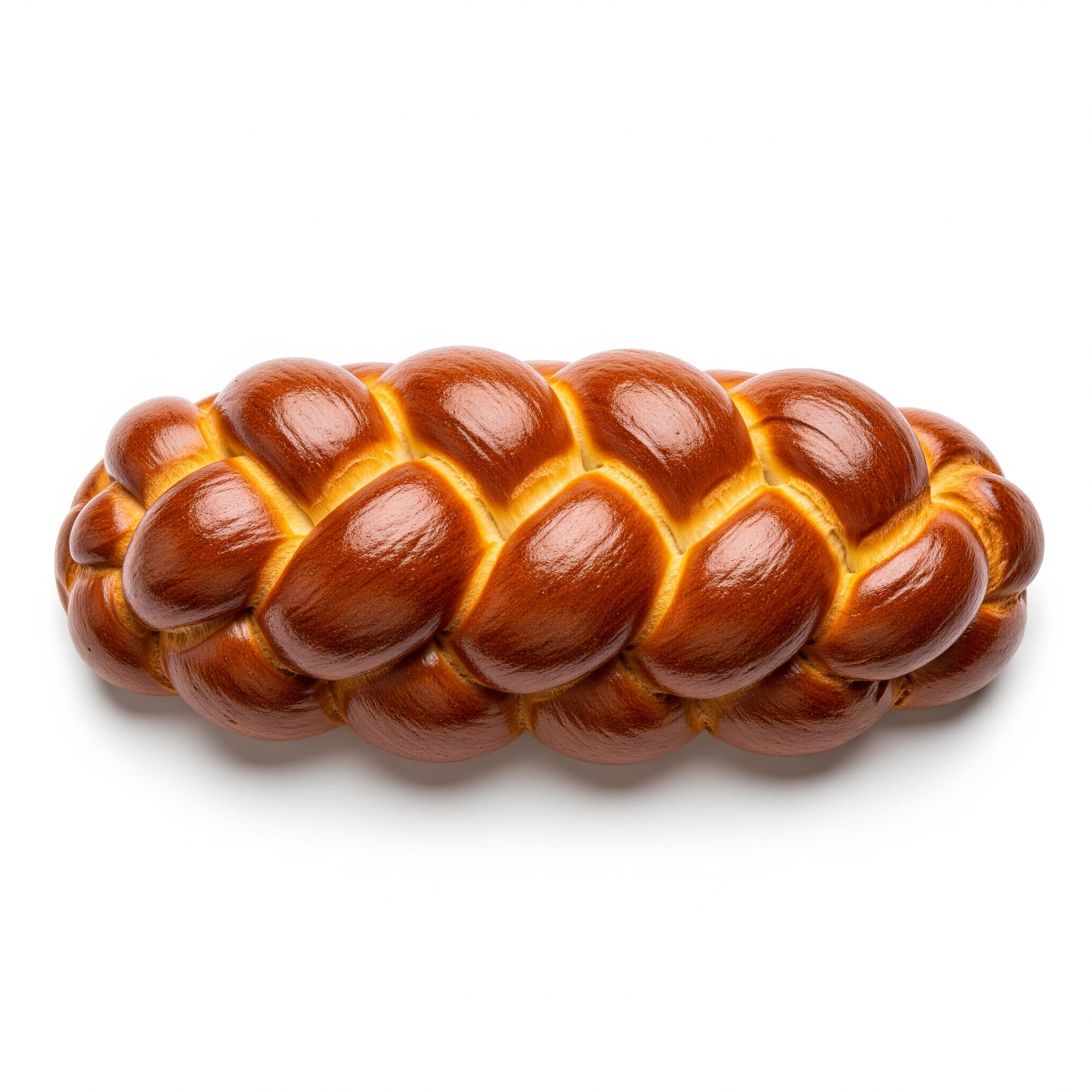
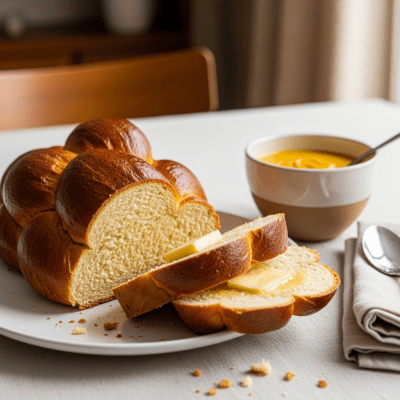
Challah is a traditional Jewish ceremonial bread, recognized for its braided shape, rich golden crust, and soft, slightly sweet crumb.
Challah is a traditional Jewish ceremonial bread, recognized for its braided shape, rich golden crust, and soft, slightly sweet crumb.
Originating in Ashkenazi Jewish communities of Central and Eastern Europe, challah has been integral to religious rituals since at least the Middle Ages. Its name derives from the Hebrew word for "portion," reflecting the biblical practice of setting aside a piece of dough for priests. Rather than a single inventor, challah evolved communally as a ritual bread within Jewish households, adapted from regional wheat breads to meet religious customs.
Challah belongs to the family of enriched, yeast-leavened breads. It is classified as a ceremonial bread within the broader category of leavened wheat breads, distinguished by its use of eggs and sugar which enrich the dough and impart a tender texture.
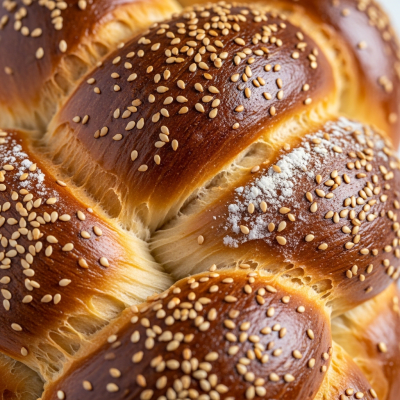
Typically shaped into a braided loaf, challah displays a glossy, golden-brown crust achieved through an egg wash before baking. The crumb is soft, airy, and slightly sweet, with sizes commonly ranging from 12 to 18 inches in length and weighing between 400 and 800 grams. For certain holidays like Rosh Hashanah, round forms of challah are also traditional.
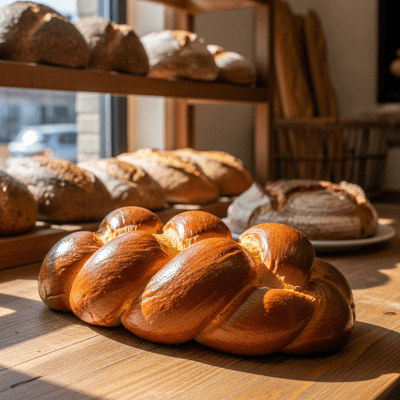
Challah serves primarily as a ceremonial bread for the Jewish Sabbath and holidays, where it is blessed and shared during ritual meals. Beyond its religious role, it is enjoyed plain or with spreads, and often repurposed in dishes such as French toast and bread pudding, showcasing its versatility in both sacred and everyday contexts.
Bring this kind into your world illustrated posters, mugs, and shirts.
Archival print, museum-grade paper
Buy Poster
Stoneware mug, dishwasher safe
Buy Mug
Soft cotton tee, unisex sizes
Buy ShirtDeeply embedded in Jewish tradition, challah symbolizes community, faith, and continuity. Its braided form represents unity and connection, while its presence on the Sabbath table honors religious commandments and cultural heritage. Variations like round challah for Rosh Hashanah embody wishes for a cyclical, prosperous year, underscoring its rich symbolic resonance.
Challah is made from wheat flour, eggs, vegetable or canola oil, sugar, water, and commercial yeast, combining to create its distinctive enriched dough.
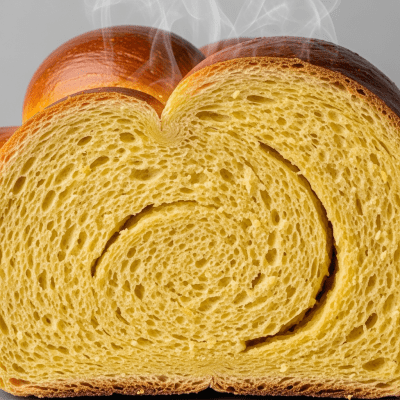
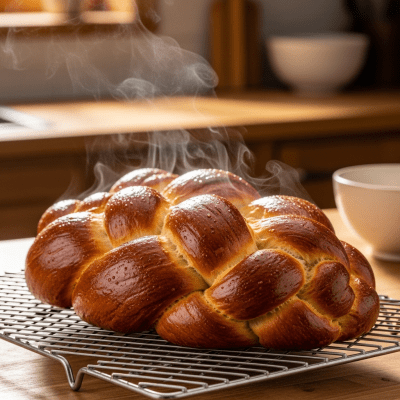
Challah dough is leavened using commercial yeast, undergoing one or two rises before shaping and baking to develop its soft, airy texture.
While specific nutritional details vary, challah’s enrichment with eggs and oil contributes to a richer calorie and fat content than lean breads, with a tender crumb that offers moderate fiber depending on flour choice.
Best enjoyed fresh, challah can be stored at room temperature for several days, staling slowly due to its enriched ingredients. Care should be taken to avoid drying out, especially if overbaked or improperly stored.
Challah is traditionally served during Jewish Sabbath and holiday meals, eaten plain or with spreads. Its slightly sweet, tender crumb also makes it ideal for dishes like French toast and bread pudding, highlighting its culinary versatility.
Regional variations include round challah for Rosh Hashanah and "water challah," which omits eggs in some traditions. Sephardic and Mizrahi Jewish communities have similar ceremonial breads, though they may differ in name and preparation.
Challah is widely available in bakeries around the world, particularly in communities with Jewish populations. It is also produced industrially for mass markets, making it accessible beyond its traditional cultural settings.