
Arepa
Arepa is a traditional round, flatbread made primarily from ground maize, serving as a versatile staple in Venezuelan and Colombian cuisine.
Arepa is a traditional round, flatbread made primarily from ground maize, serving as a versatile staple in Venezuelan and Colombian cuisine.
Originating from pre-Columbian indigenous cultures in the regions now known as Venezuela and Colombia, the arepa traces its roots to native peoples who cultivated maize and developed maize-based breads centuries before European contact. Over time, it evolved regionally, reflecting local ingredients and culinary traditions.
Arepa belongs to the family of unleavened maize-based breads, distinct from wheat breads by its primary use of pre-cooked cornmeal and its typical cooking methods, which include griddling, baking, and frying.
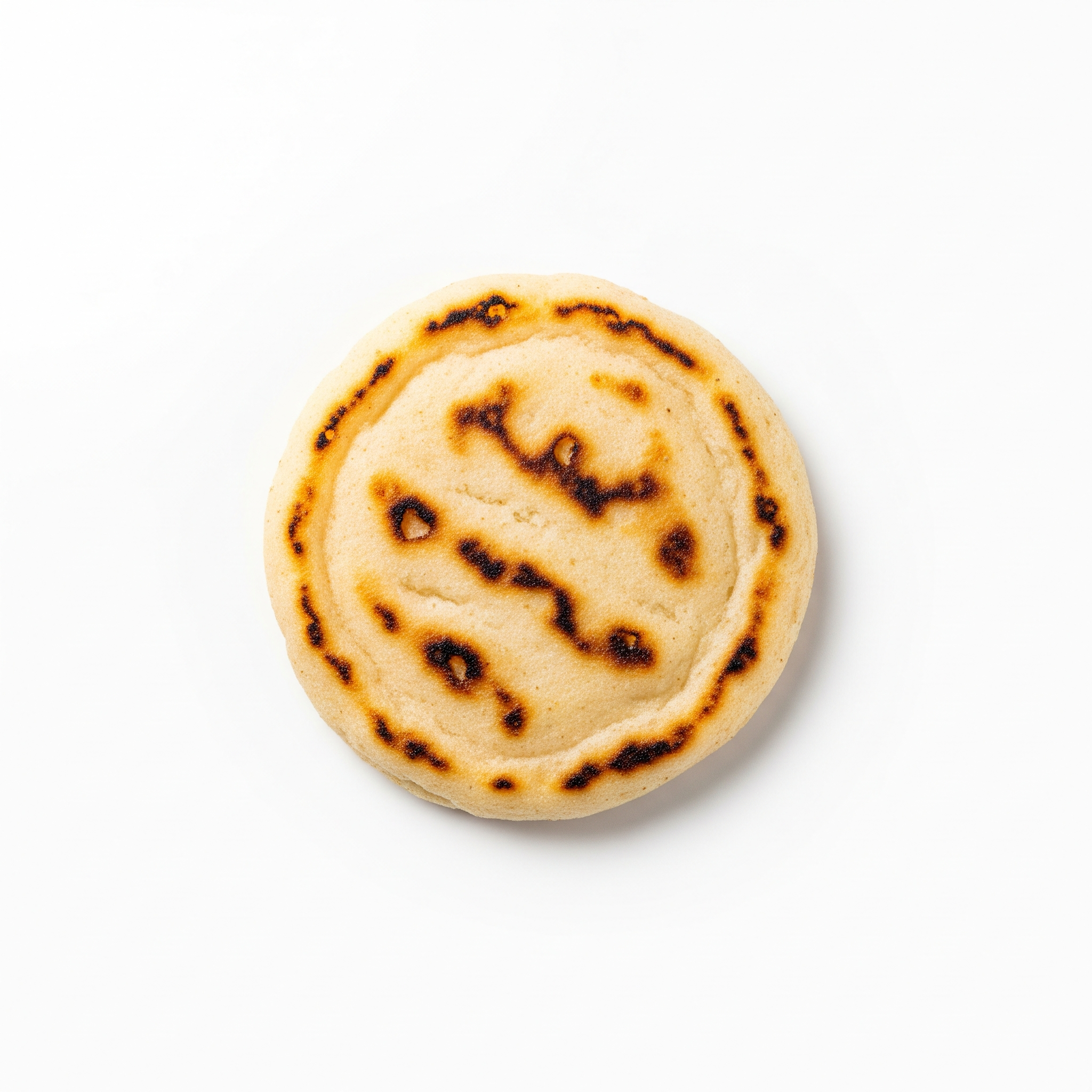
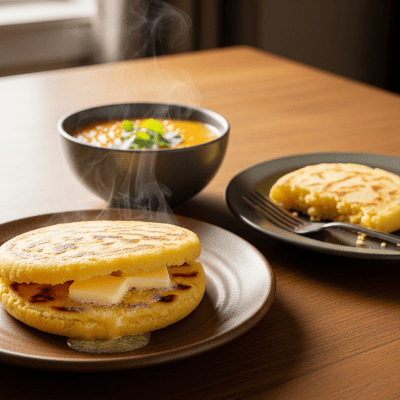
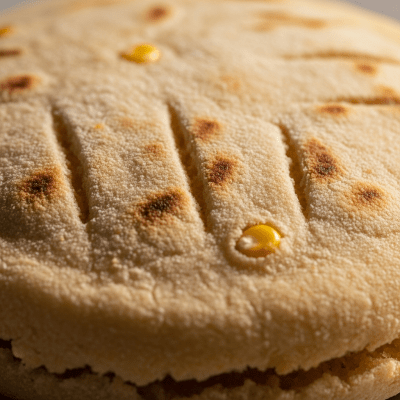
Arepas are typically round and flat, measuring between 8 to 15 centimeters in diameter and about 1 to 2 centimeters thick. Their crumb is dense and moist, with a thin crust that varies depending on whether they are griddled, baked, or fried. The color ranges from pale yellow to golden, influenced by the type of maize used.
Functioning as a staple food, arepas are consumed throughout the day in Venezuelan and Colombian households. They are often split open and filled with a variety of ingredients such as cheese, meats, beans, or eggs, adapting easily to diverse meals and tastes. Arepas can be served plain or with toppings, making them highly versatile in everyday cuisine.
Bring this kind into your world illustrated posters, mugs, and shirts.
Archival print, museum-grade paper
Buy Poster
Stoneware mug, dishwasher safe
Buy Mug
Soft cotton tee, unisex sizes
Buy ShirtArepas hold deep cultural importance in Venezuela and Colombia, symbolizing indigenous heritage and culinary identity. They appear frequently in traditional meals and celebrations, reflecting regional pride and social customs. Their presence in art and popular culture underscores their role as a unifying emblem of local foodways.
🌾 The primary ingredients of arepas include pre-cooked cornmeal (masarepa or harina precocida), water, salt, and occasionally oil or butter to improve texture.
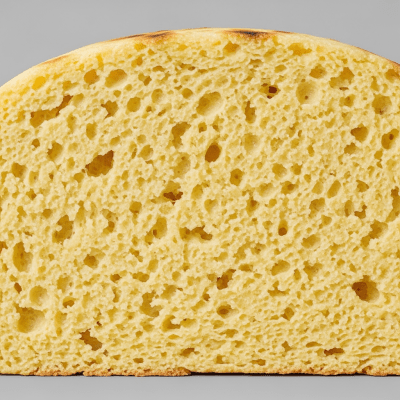
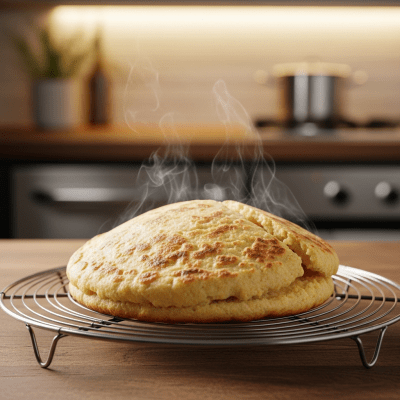
🫕 Arepas are unleavened and do not undergo fermentation or use leavening agents, resulting in a dense, moist crumb without rising.
🥦 While specific nutritional details vary, arepas provide a gluten-free source of carbohydrates from maize. They are typically low in fiber and micronutrients unless enriched or combined with nutrient-rich fillings.
🧲 Arepas are best consumed fresh as they dry out quickly. They have a short shelf life and are typically stored at room temperature for immediate use, with refrigeration or freezing used only for longer preservation.
🍩️ Arepas serve as a versatile base in Venezuelan and Colombian cuisine, eaten at any meal. They are often split and filled with cheese, meats, beans, or eggs, or served plain with toppings, adapting to a wide range of savory preparations.
🌍 Notable regional variants include the Colombian arepa paisa, the Venezuelan arepa andina made with wheat flour, and the egg-filled arepa de huevo popular along Colombia’s Caribbean coast, each reflecting local tastes and ingredients.
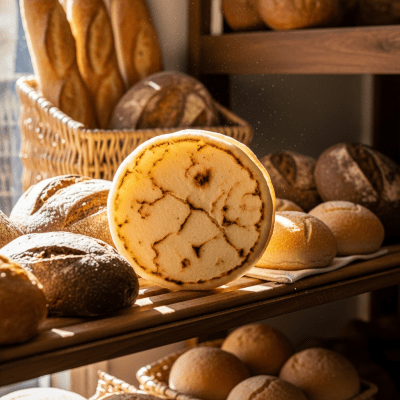
🛒 Arepas are widely available in local markets, bakeries, and Latin American restaurants. Commercial pre-cooked cornmeal brands have standardized arepa production, facilitating their growing presence in international markets.