Matzo
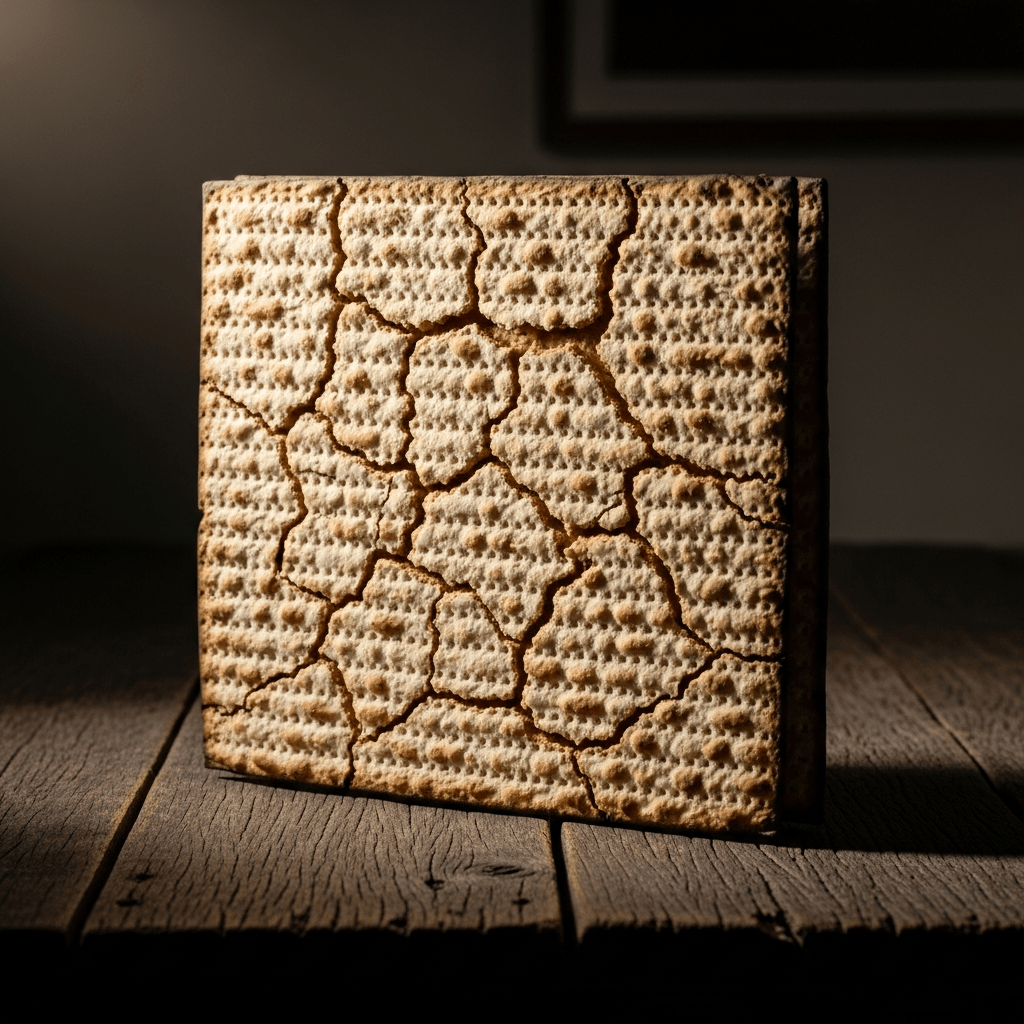
Matzo is a traditional Jewish unleavened bread characterized by its thin, crisp, cracker-like texture and central role in Passover observances.
Matzo is a traditional Jewish unleavened bread characterized by its thin, crisp, cracker-like texture and central role in Passover observances.
Originating from ancient Jewish communities in the Levant, matzo's ceremonial use dates back to biblical times around the 13th century BCE. Its preparation and consumption are deeply rooted in religious law (halakha), symbolizing the haste of the Exodus from Egypt.
Matzo belongs to the family of unleavened breads, distinguished by the absence of leavening agents and rapid baking to prevent fermentation. It is a flatbread, often classified among ritual breads due to its specific cultural and religious significance.
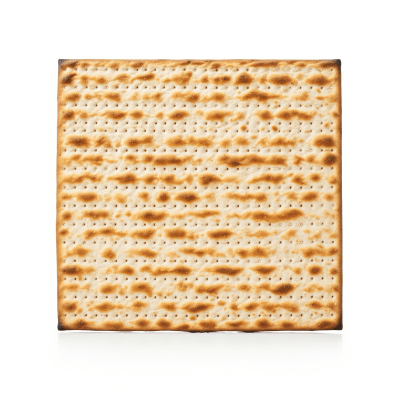
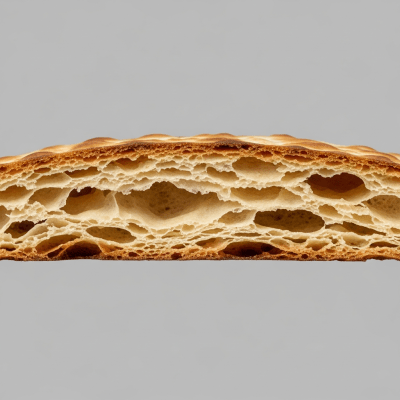
Matzo is typically flat and thin, measuring about 20 by 20 centimeters and less than 2 millimeters thick in commercial forms. It has a pale color with a dry, brittle crumb and a thin, crisp crust, resembling a cracker in texture.
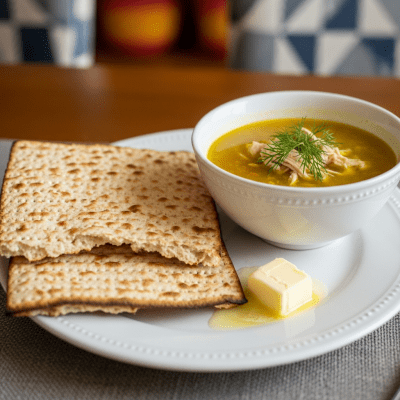
Matzo functions primarily as a staple and ceremonial bread during Passover, consumed to fulfill religious requirements forbidding leavened bread. It is also incorporated into traditional dishes such as matzo ball soup and matzo brei, serving both ritual and culinary purposes.
Bring this kind into your world illustrated posters, mugs, and shirts.
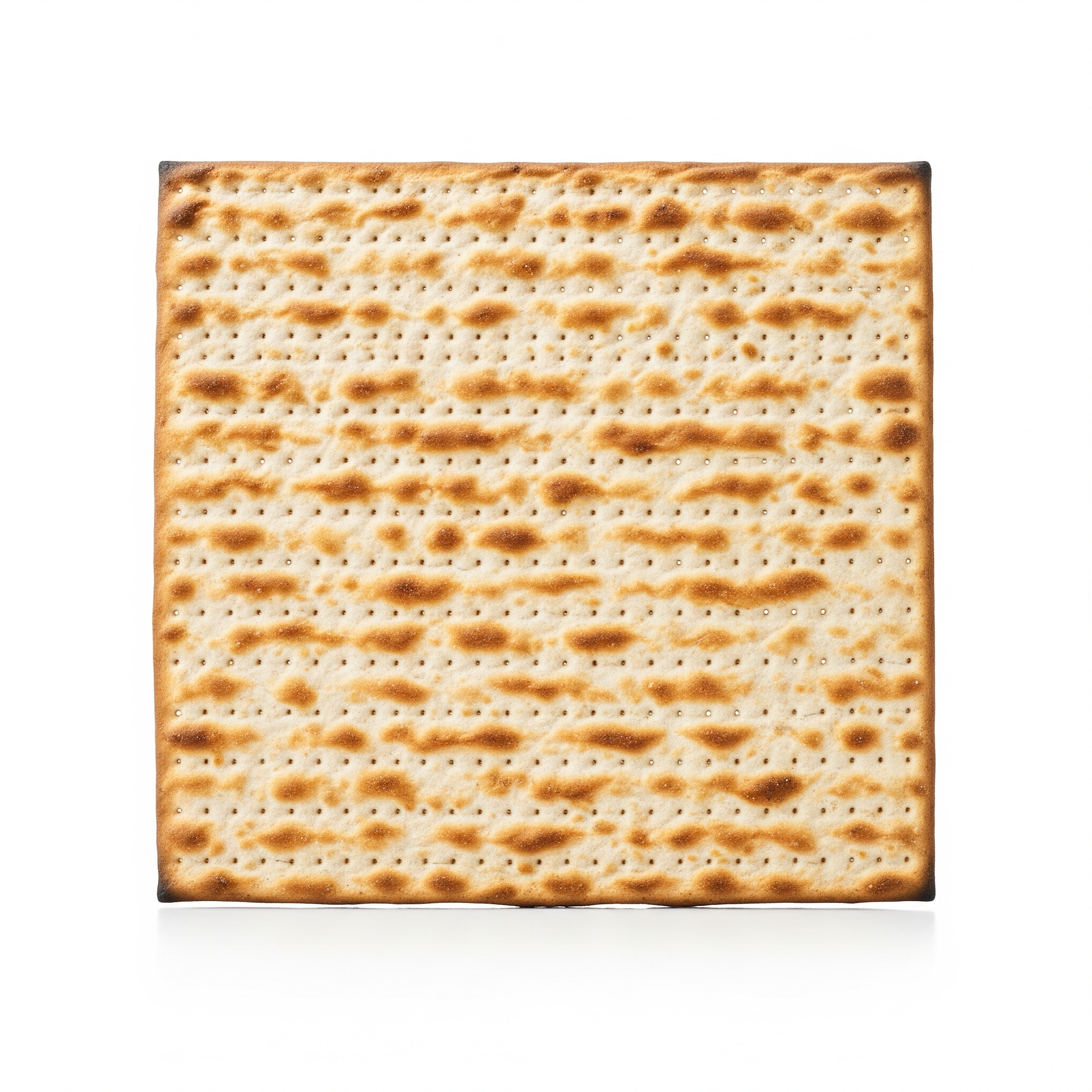
Archival print, museum-grade paper
Buy Poster
Stoneware mug, dishwasher safe
Buy Mug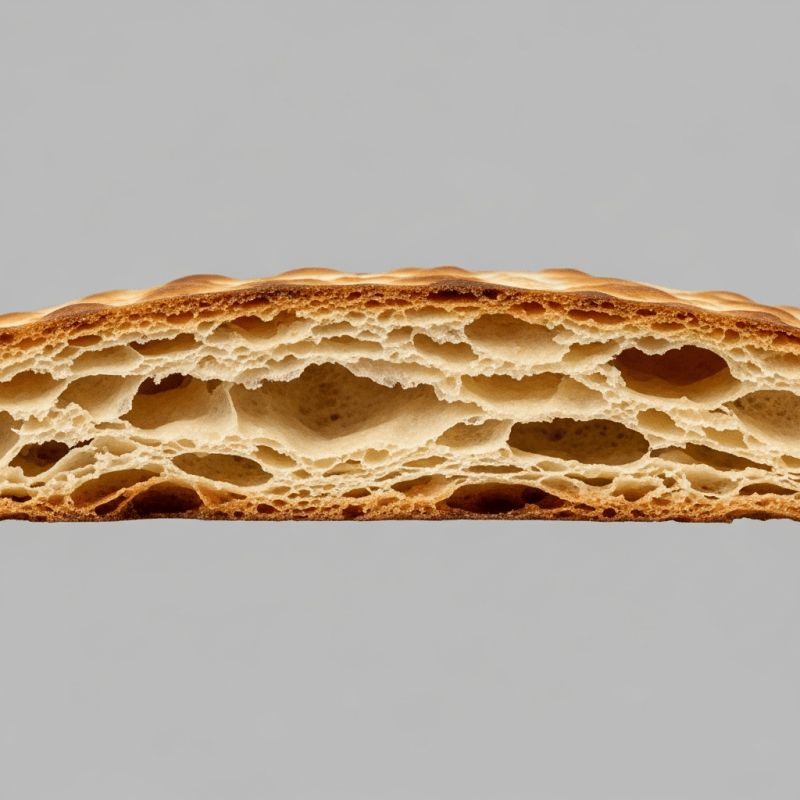
Soft cotton tee, unisex sizes
Buy ShirtMatzo holds profound cultural and religious importance in Jewish tradition, symbolizing freedom and the swift departure from slavery. It features prominently in Passover rituals, especially the Seder meal, and reflects centuries of heritage codified in Jewish law and practice.
Primary ingredients: wheat flour and water.

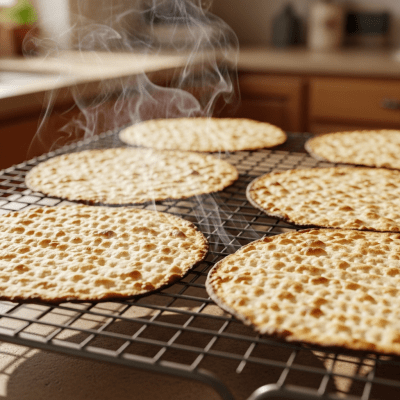
Matzo is an unleavened bread with no fermentation or leavening agents used. The dough is mixed and baked rapidly—typically within 18 minutes—to prevent any rising or fermentation.
Matzo is low in moisture and typically provides carbohydrates from wheat flour. Its dry, crisp nature contributes to a long shelf life, though specific fiber or micronutrient content varies by flour type and preparation.
Thanks to its low moisture content, matzo is shelf-stable and can be stored for extended periods without refrigeration. It is best kept in a dry environment to maintain crispness and prevent spoilage.
Matzo is central to Passover meals and rituals, eaten plain or used in traditional dishes such as matzo ball soup and matzo brei. Its crisp texture also makes it suitable as a cracker substitute in various culinary contexts.
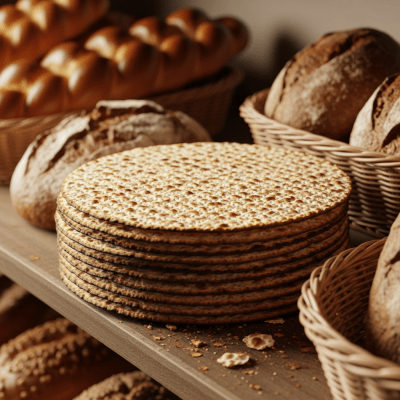
Regional variations include handmade "shmurah matzo," which is carefully supervised to avoid moisture contact, and "egg matzo," incorporating eggs for dietary or ritual reasons. Sephardic and Ashkenazi Jewish communities differ in permissible grains and preparation methods.
Matzo is widely available in kosher-certified bakeries and supermarkets, especially in areas with significant Jewish populations. Commercial production ensures consistent quality and adherence to religious standards.