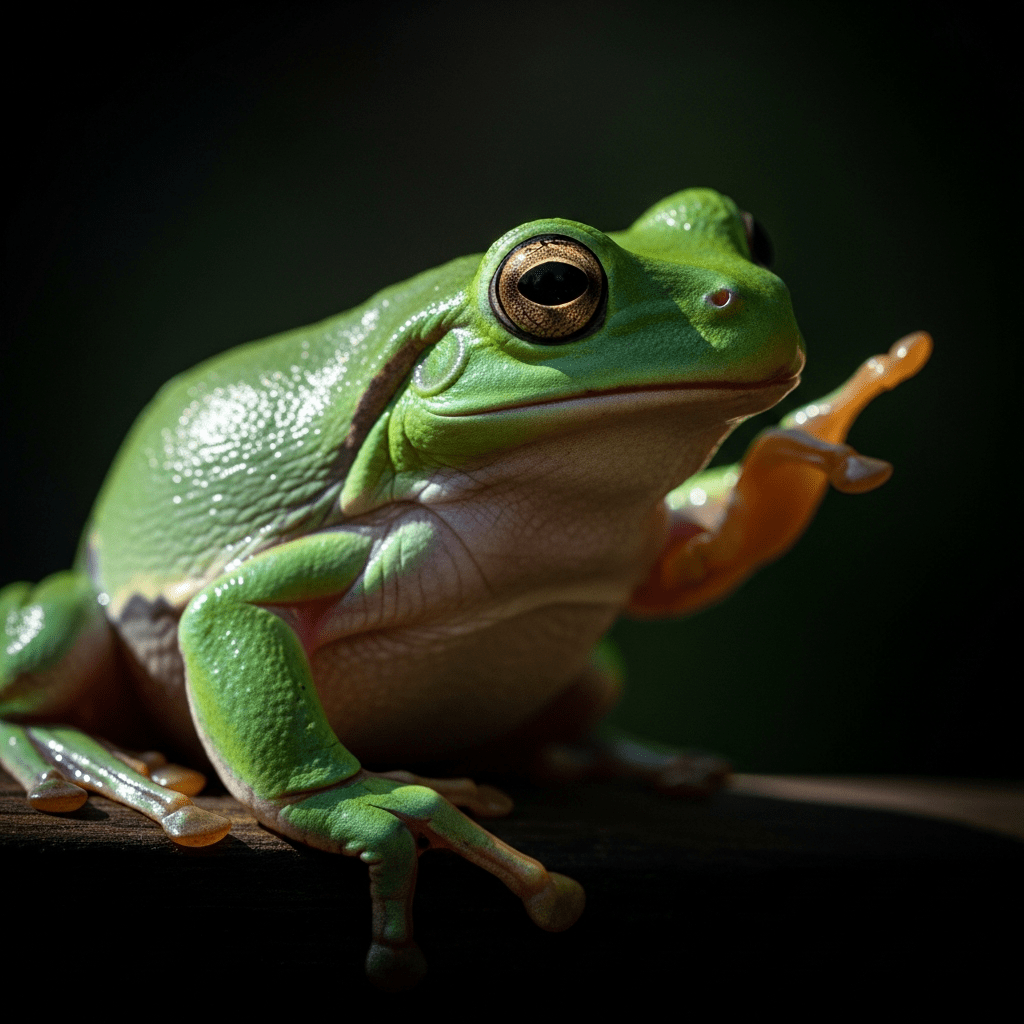
European Tree Frog
The European Tree Frog (Hyla arborea) is a small, vibrantly green amphibian renowned for its climbing ability and its role as a vital bioindicator of wetland health across Europe and western Asia.
The European Tree Frog (Hyla arborea) is a small, vibrantly green amphibian renowned for its climbing ability and its role as a vital bioindicator of wetland health across Europe and western Asia.
First described by Carl Linnaeus in 1758, the European Tree Frog is native to much of continental Europe and stretches into parts of western Asia. This species evolved naturally, thriving in regions where wetlands and lush vegetation provide ideal conditions for its arboreal lifestyle. Its presence signals a long-standing connection to healthy aquatic and terrestrial environments, with no history of domestication or artificial selection.
The European Tree Frog belongs to the class Amphibia, order Anura (frogs and toads), and family Hylidae, which encompasses tree frogs worldwide. Its scientific name is Hyla arborea, and it is grouped with other agile, climbing frogs that share adhesive toe pads and a preference for living among vegetation. This species is a classic representative of the genus Hyla, known for their arboreal habits and distinctive calls.
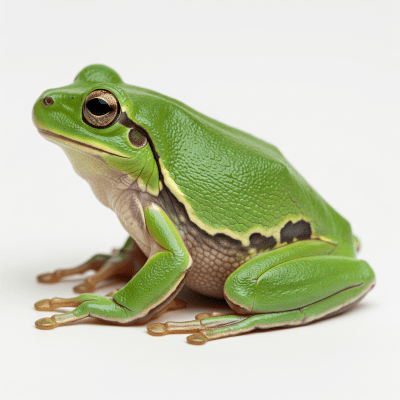
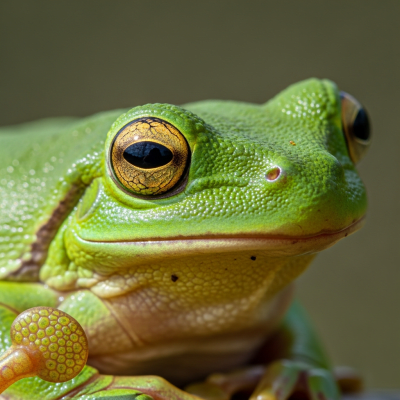
Small and striking, the European Tree Frog measures just 3.2–4.2 cm in length. Its smooth, bright green dorsal skin may show hints of yellow or brown, while the underside is pale. A dark stripe runs from the nostril through the eye to the groin, accentuating its lively appearance. The frog’s large, adhesive toe pads are especially notable, allowing it to cling effortlessly to leaves, branches, and reeds. Its delicate form and vivid color make it a visual gem in its natural habitat.
Primarily nocturnal and highly agile, the European Tree Frog spends most of its life among shrubs and trees near water. During spring, males gather and produce loud, melodious calls to attract mates, often forming choruses that echo across wetlands. Its climbing prowess enables it to forage for insects and avoid predators. While not used commercially, the species is sometimes kept in educational or research settings, valued for its sensitivity to environmental changes.
Bring this kind into your world illustrated posters, mugs, and shirts.
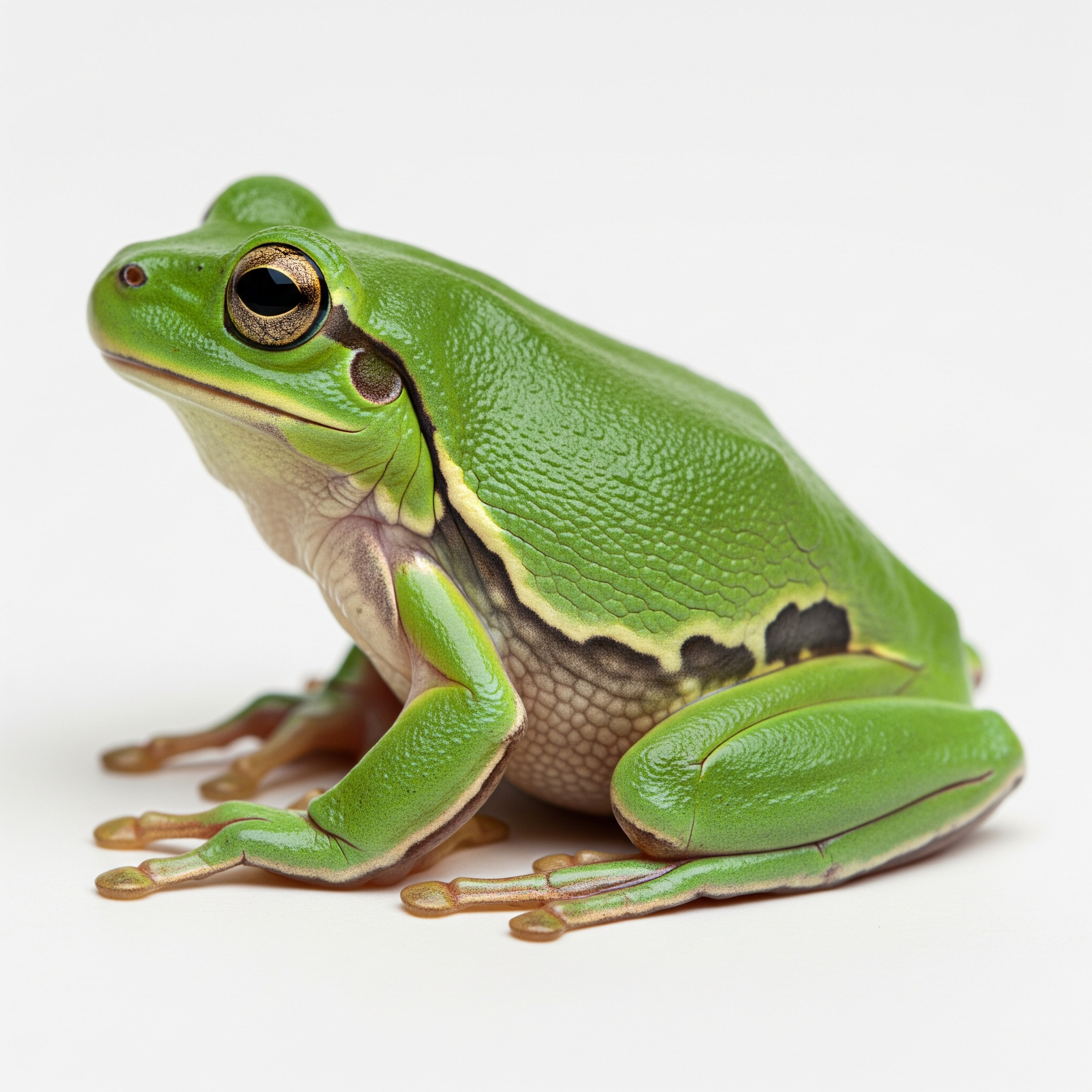
Archival print, museum-grade paper
Buy Poster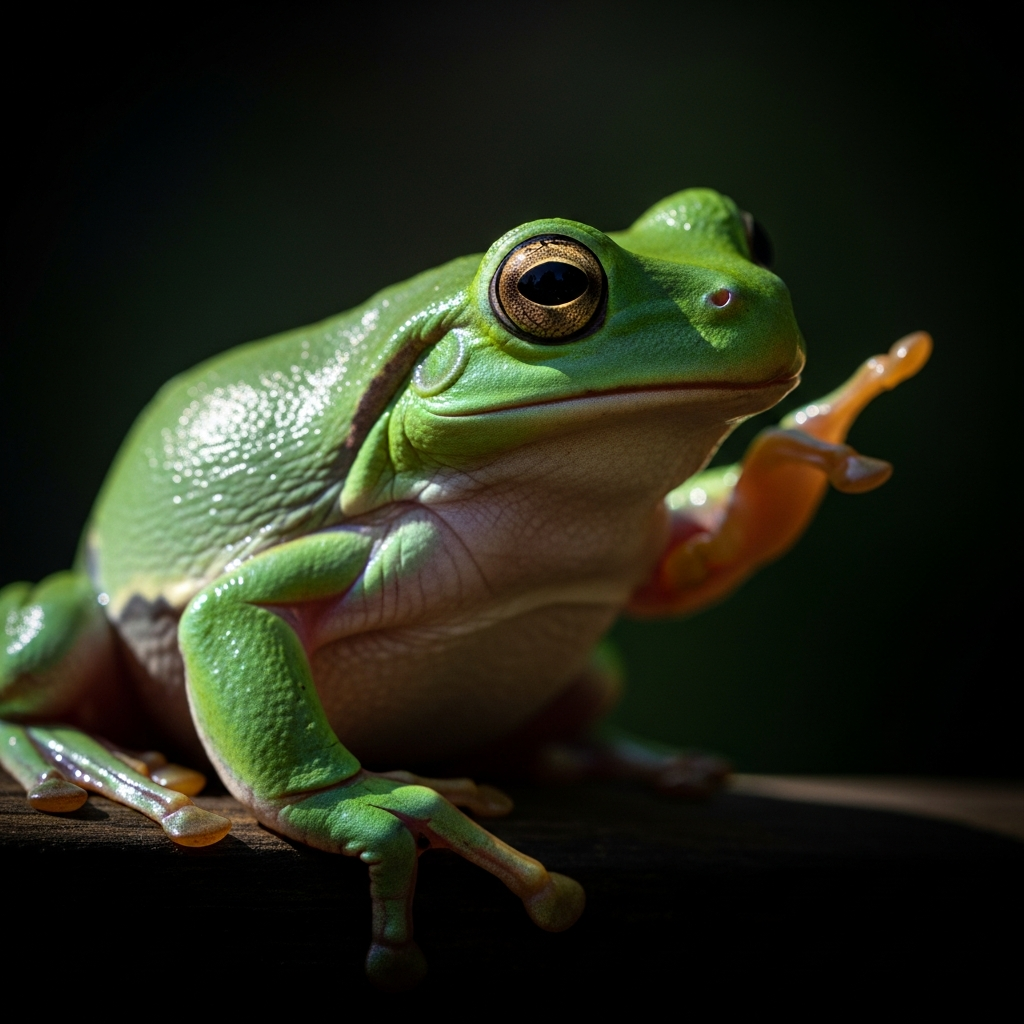
Stoneware mug, dishwasher safe
Buy Mug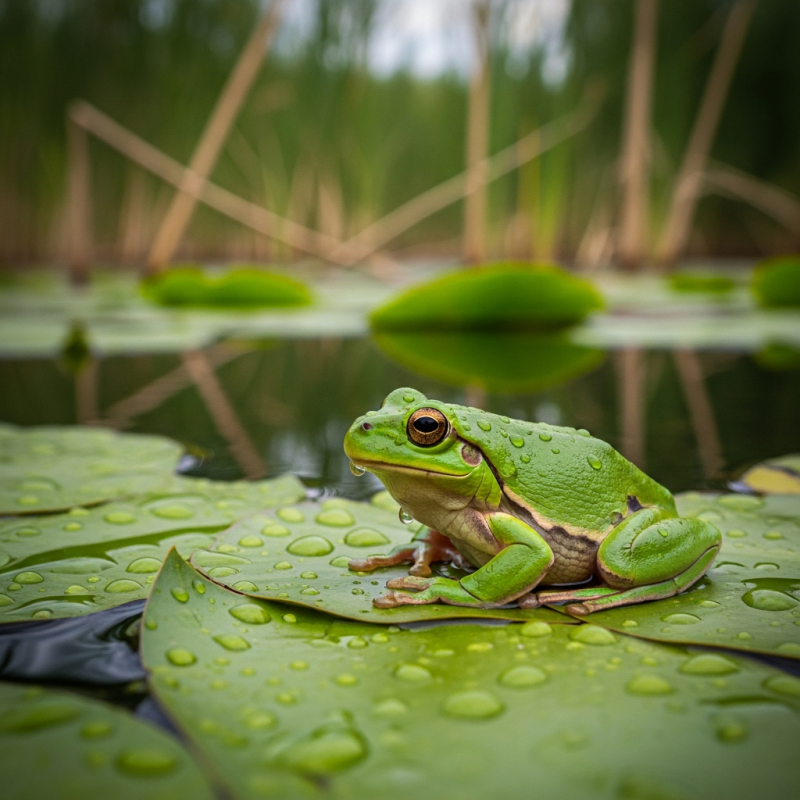
Soft cotton tee, unisex sizes
Buy ShirtThroughout Europe, the European Tree Frog features in folklore, local traditions, and even art, often symbolizing purity, renewal, and the arrival of spring. Its distinctive calls are celebrated in rural communities, and its vivid green color is a motif in children’s stories and nature illustrations. Regional names such as "Laubfrosch" in German and "Rainette verte" in French reflect its cultural resonance and popularity.
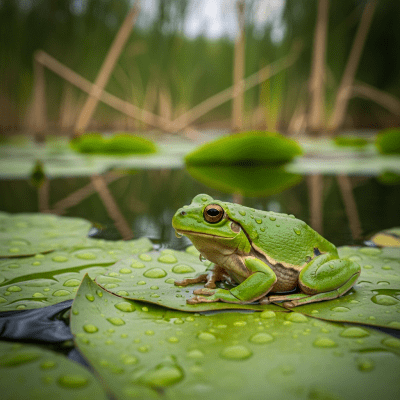
European Tree Frogs inhabit a wide range of environments across Europe and into western Asia, favoring wetlands, ponds, and areas with dense vegetation close to water. They thrive in regions where aquatic plants and shrubs provide shelter and breeding sites, and their distribution reflects the availability of healthy, unpolluted habitats.

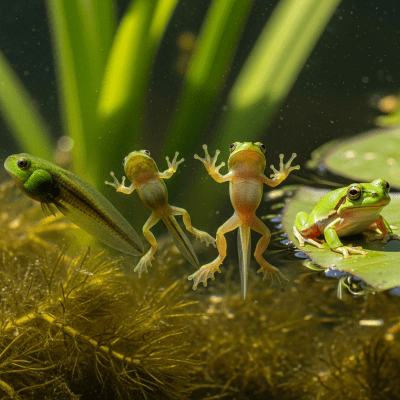

Breeding takes place in spring, when males call from vegetation near water to attract females. Eggs are laid in small clusters attached to aquatic plants, and tadpoles hatch and develop over several weeks before undergoing metamorphosis into juvenile frogs. This transformation from aquatic larva to terrestrial adult is a hallmark of amphibian life cycles.
European Tree Frogs primarily feed on small insects and other invertebrates, which they hunt among foliage using their agility and keen eyesight. Their nocturnal habits help them avoid predators and exploit the abundance of prey in their lush, vegetated habitats.
As a key bioindicator, the European Tree Frog reflects the health of wetland ecosystems. Its sensitivity to pollution, habitat loss, and disease makes it an important species for monitoring environmental changes. By controlling insect populations and serving as prey for larger animals, it helps maintain ecological balance.
While the European Tree Frog remains widespread, its populations are vulnerable to habitat destruction, pollution, and climate change. Conservation efforts focus on protecting wetlands, reducing pollutants, and monitoring disease outbreaks to ensure the species’ long-term survival.
This species is highly sensitive to environmental threats such as habitat loss, water pollution, and emerging amphibian diseases like chytridiomycosis. Despite these vulnerabilities, European Tree Frogs can persist in suitable habitats, provided that wetlands are preserved and environmental stressors are minimized.
Humans interact with European Tree Frogs primarily through scientific research and conservation. Their presence is celebrated in local culture, and they are sometimes kept in captivity for educational purposes. The species is not harvested for food or trade, but its role as a bioindicator makes it invaluable for ecological monitoring and public awareness campaigns.
The European Tree Frog is not considered invasive outside its native range, and there are no significant regulatory concerns regarding its spread. Its populations are managed primarily through conservation rather than containment.