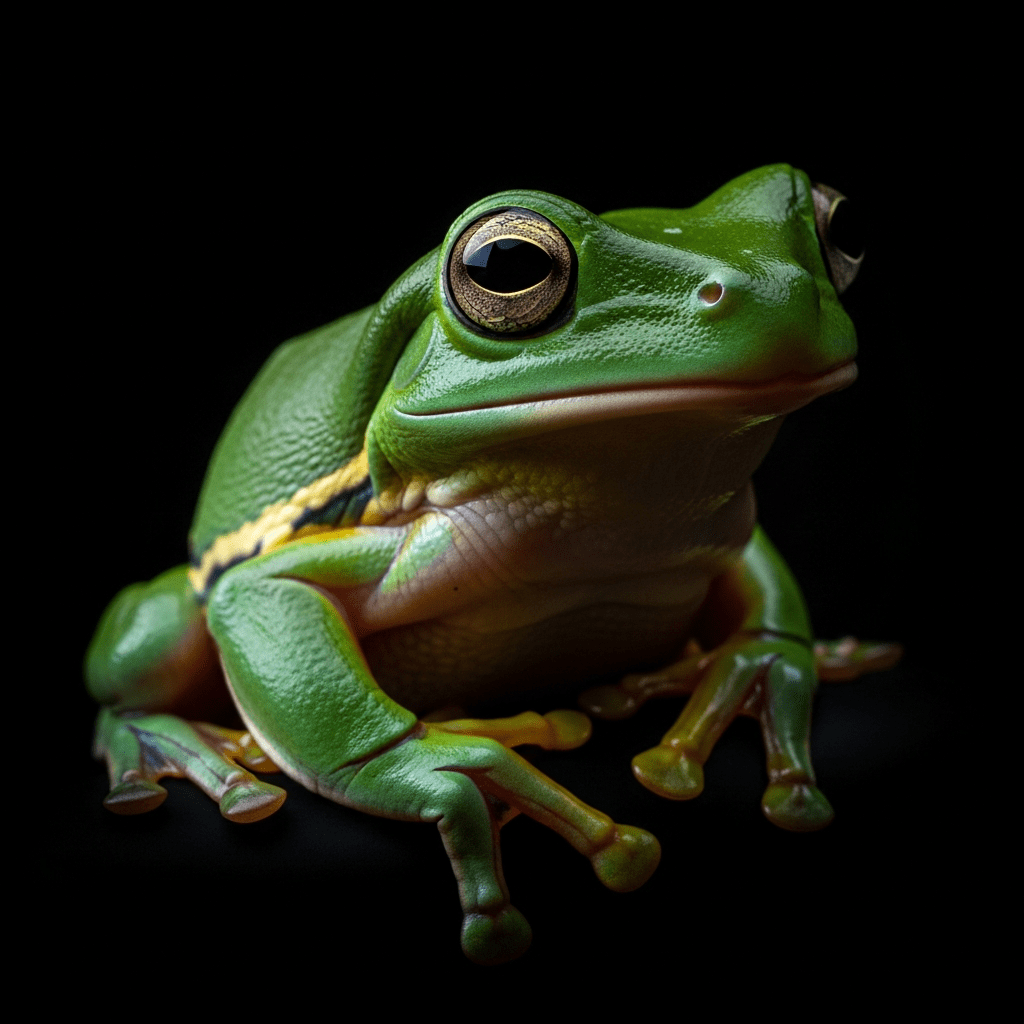
Green Tree Frog
The Green Tree Frog (Hyla cinerea) is a vibrant, arboreal amphibian native to the southeastern United States, celebrated for its striking green coloration and role as a wetland indicator species.
The Green Tree Frog (Hyla cinerea) is a vibrant, arboreal amphibian native to the southeastern United States, celebrated for its striking green coloration and role as a wetland indicator species.
First described by Johann Gottlob Theaenus Schneider in 1799, the Green Tree Frog originates from the lush wetlands and forests of the southeastern United States. Its formal recognition was based on specimens collected from this region, where it continues to thrive in humid, temperate habitats.
Belonging to the class Amphibia, order Anura (frogs and toads), and family Hylidae, the Green Tree Frog is grouped with other tree-dwelling frogs. Its scientific name, Hyla cinerea, reflects its placement among the true tree frogs, distinguished by their climbing adaptations and preference for arboreal environments.
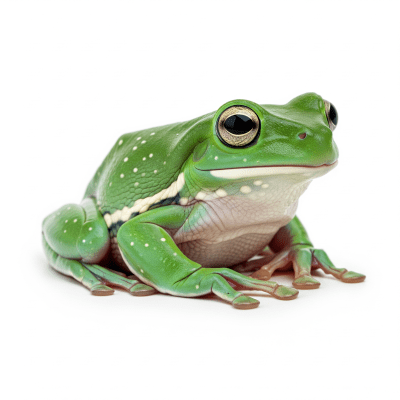
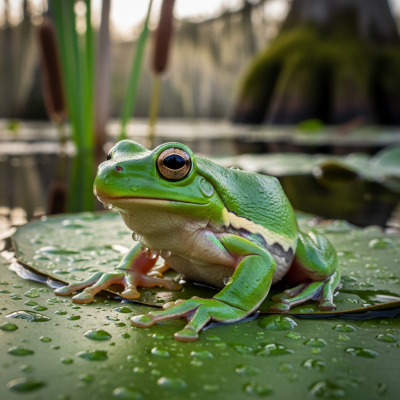
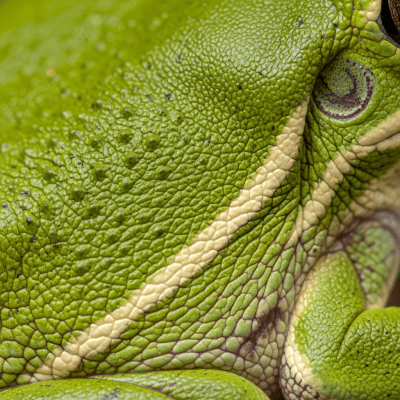
Green Tree Frogs are petite, measuring 3.2–6.4 cm in length. Their smooth, bright green skin sometimes glimmers with golden flecks, while a crisp white or yellowish stripe runs from jaw to groin. Well-developed toe pads enable agile climbing, and their pale underside contrasts with the vivid dorsal surface, making them instantly recognizable among North American amphibians.
Primarily nocturnal and arboreal, Green Tree Frogs are most active on warm, humid nights. They breed in shallow, still waters, laying eggs on vegetation. Their insectivorous diet helps control local pest populations, and their sensitivity to environmental changes makes them valuable bioindicators for wetland health.
Bring this kind into your world illustrated posters, mugs, and shirts.
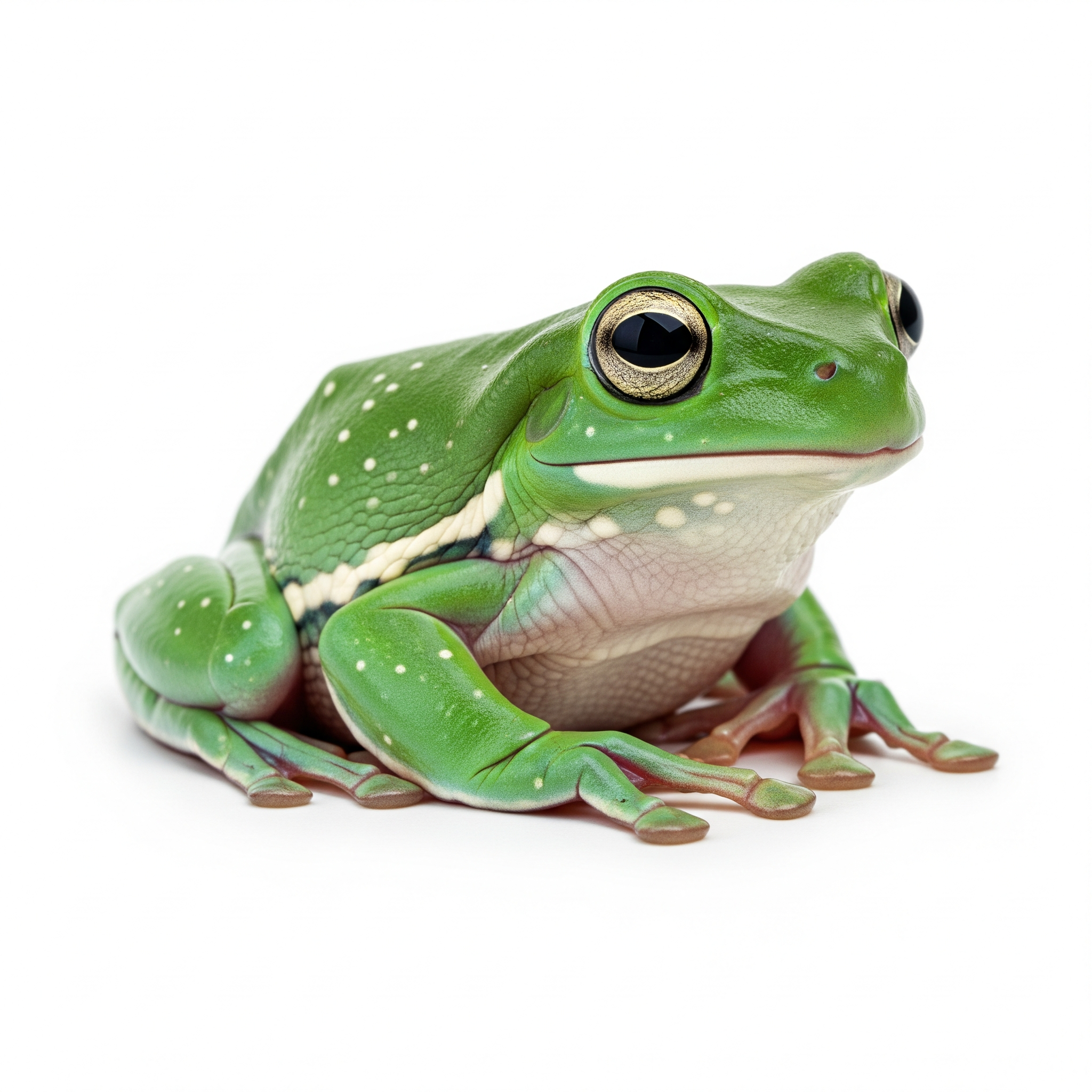
Archival print, museum-grade paper
Buy Poster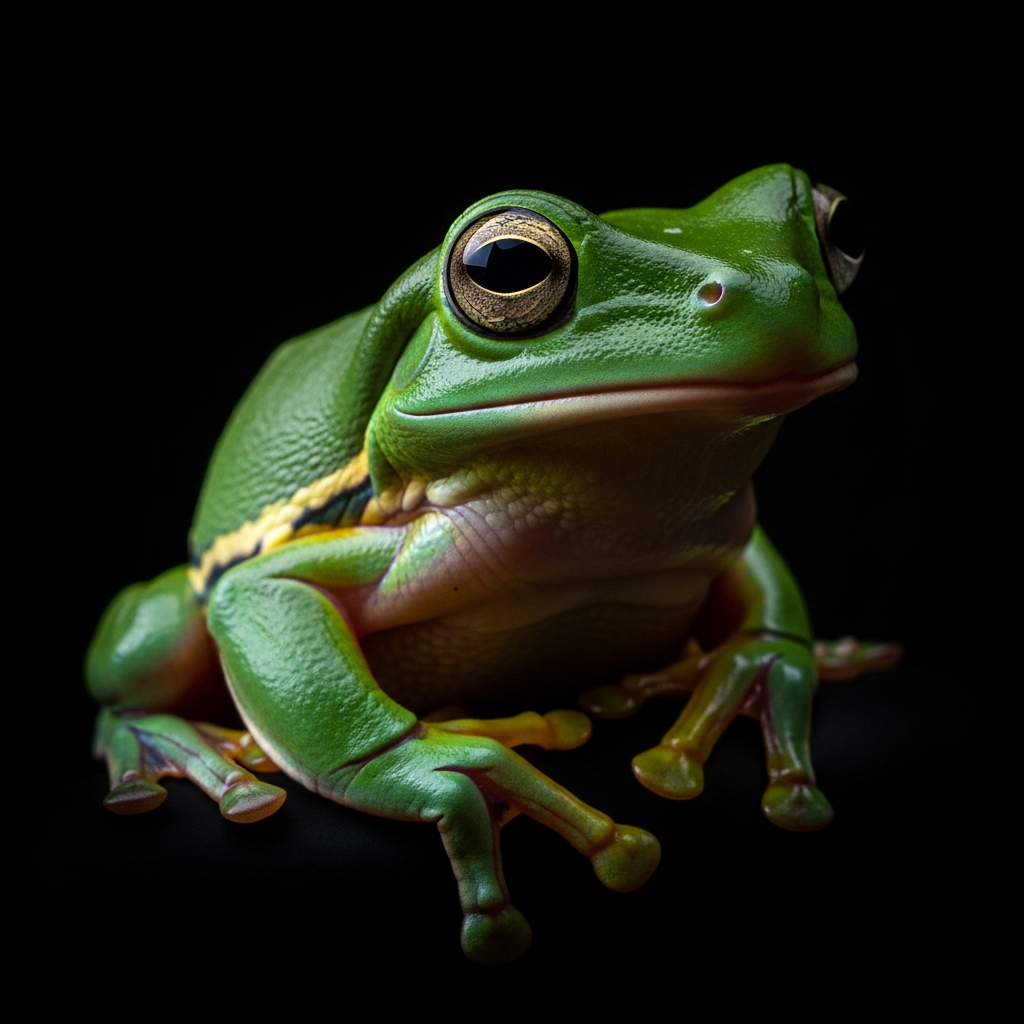
Stoneware mug, dishwasher safe
Buy Mug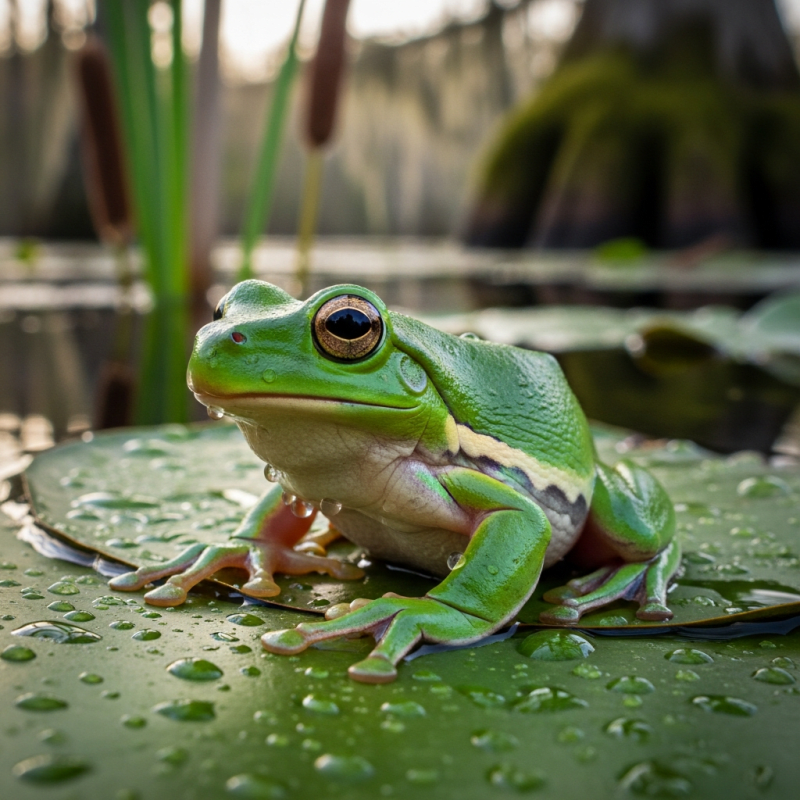
Soft cotton tee, unisex sizes
Buy ShirtWith their cheerful appearance and distinctive call, Green Tree Frogs are often featured in educational programs and regional iconography throughout the southeastern United States. Their presence in local folklore and as symbols of healthy wetlands has made them a beloved ambassador for amphibian conservation and environmental awareness.
Green Tree Frogs inhabit arboreal environments, especially in wetlands, marshes, and areas with shallow, still waters. Their native range spans the southeastern United States, where warm, humid conditions and abundant vegetation provide ideal shelter and breeding sites.
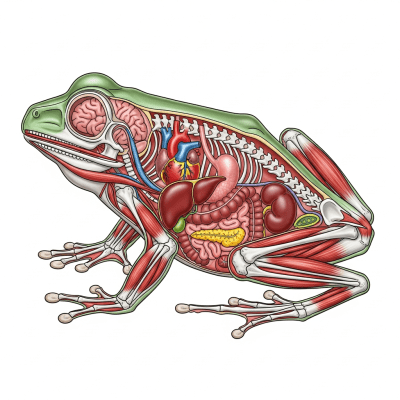
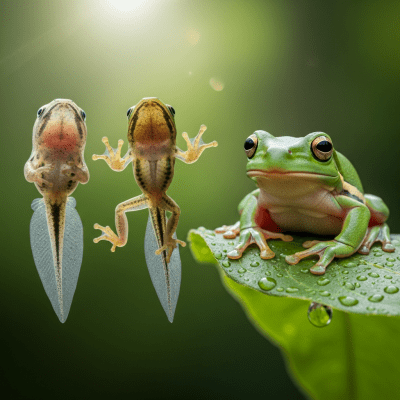
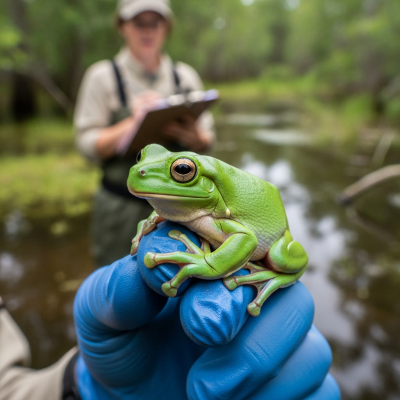
These frogs undergo a classic amphibian life cycle: eggs are laid on aquatic vegetation in shallow water, hatch into tadpoles, and metamorphose into terrestrial adults. Breeding is triggered by warm, rainy nights, and adults return to water each season to reproduce, continuing the cycle.
Green Tree Frogs are insectivores, feeding on a variety of small invertebrates such as flies, moths, and beetles. They hunt primarily at night, using their sticky tongues to catch prey among foliage and wetland plants.
As both predator and prey, Green Tree Frogs play a vital role in wetland ecosystems. They help regulate insect populations and serve as a food source for birds, snakes, and larger amphibians. Their sensitivity to environmental changes makes them important bioindicators, signaling the health of their habitats.
The Green Tree Frog is currently listed as a species of Least Concern by the IUCN, reflecting stable populations across its native range. Ongoing conservation efforts focus on preserving wetland habitats and monitoring environmental health to ensure long-term viability.
While generally resilient, Green Tree Frogs are vulnerable to habitat loss, water pollution, and diseases such as chytridiomycosis. Their dependence on clean, stable wetlands makes them susceptible to environmental disturbances, but their adaptability to various arboreal habitats offers some protection against localized threats.
Green Tree Frogs are popular in the pet trade due to their attractive appearance and ease of care. They are also featured in educational initiatives and serve as regional mascots, promoting conservation and ecological awareness. Their presence in gardens and natural spaces is valued for insect control and as a sign of healthy environments.
The Green Tree Frog is not considered invasive outside its native range and is not subject to regulatory restrictions. There are no significant reports of established non-native populations causing ecological disruption.