Axolotl
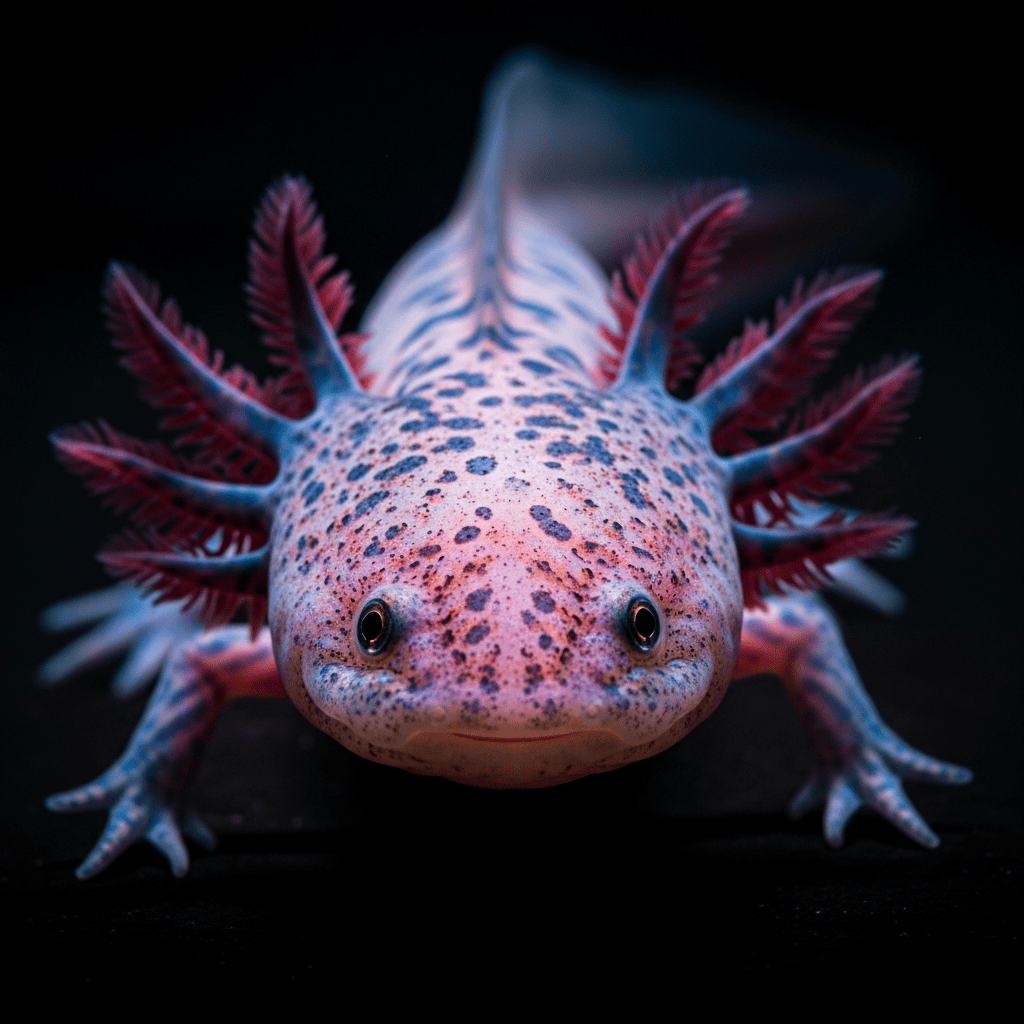
The axolotl (Ambystoma mexicanum) is a remarkable neotenic salamander native to central Mexico, famed for its lifelong juvenile features and unparalleled ability to regenerate limbs and organs.
The axolotl (Ambystoma mexicanum) is a remarkable neotenic salamander native to central Mexico, famed for its lifelong juvenile features and unparalleled ability to regenerate limbs and organs.
Originating in the ancient high-altitude lakes of the Valley of Mexico, particularly Lake Xochimilco and formerly Lake Chalco, the axolotl was first described by George Shaw in 1789. Its wild populations are now restricted to remnant canals and wetlands in central Mexico, with most captive axolotls tracing their lineage to early 20th-century specimens bred for research and aquaria. The draining of Lake Chalco and urban expansion have dramatically reduced its native habitat, making the axolotl a symbol of both natural wonder and urgent conservation.
The axolotl belongs to the class Amphibia, order Caudata (salamanders and newts), family Ambystomatidae, and genus Ambystoma. Its scientific name is Ambystoma mexicanum Shaw, 1789. Unlike most amphibians, axolotls retain their larval form throughout life—a trait known as neoteny—setting them apart within their family and making them a unique subject for evolutionary and developmental studies.
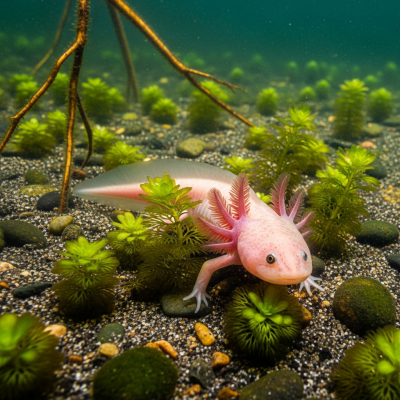
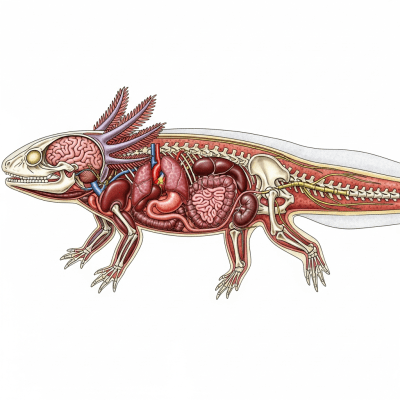
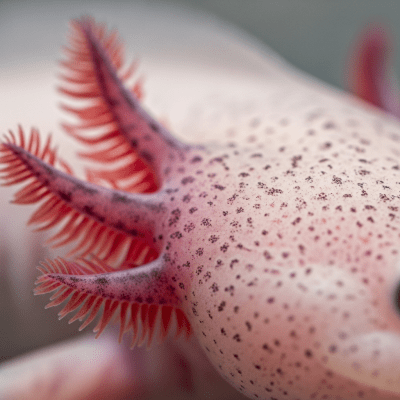
Axolotls are medium-sized salamanders, typically measuring 23–30 cm in length. Their most striking features include feathery external gills that fan out from each side of the head, a dorsal fin running from the nape to the tail, and a broad, expressive face. Wild axolotls display dark coloration with gold flecks, while captive-bred individuals may be leucistic (pale pink with black eyes), albino, golden, or melanoid. Their smooth, moist skin and perpetual juvenile appearance evoke both curiosity and charm.
Axolotls are obligate aquatic creatures, spending their entire lives in cool, freshwater environments rich in vegetation. They are solitary and relatively sedentary, hunting by ambush and using suction to capture prey. In captivity, axolotls are celebrated for their docile nature and adaptability, thriving in aquaria when provided with stable water conditions. Their extraordinary regenerative abilities make them invaluable for scientific research, especially in the fields of developmental biology and genetics.
Bring this kind into your world illustrated posters, mugs, and shirts.
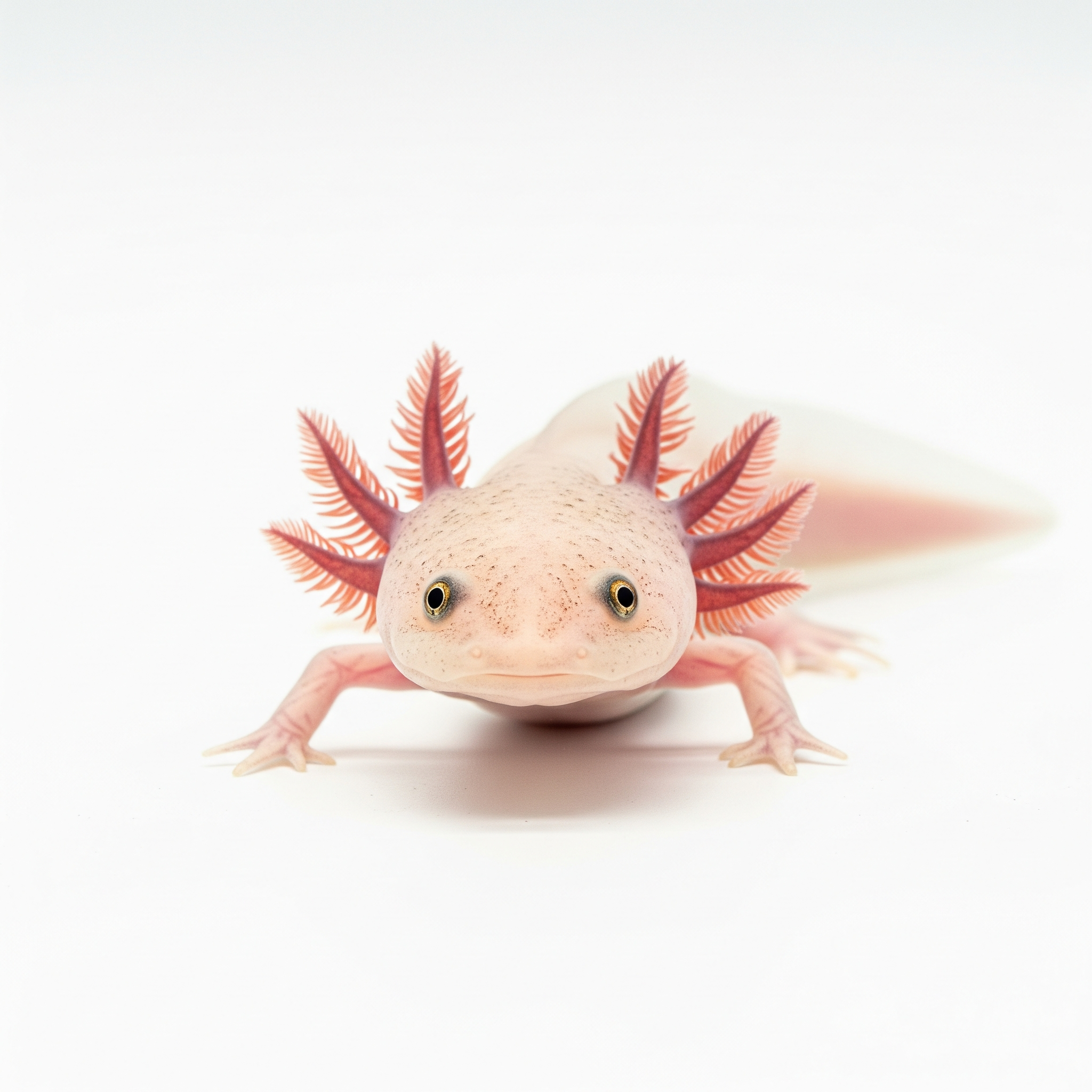
Archival print, museum-grade paper
Buy Poster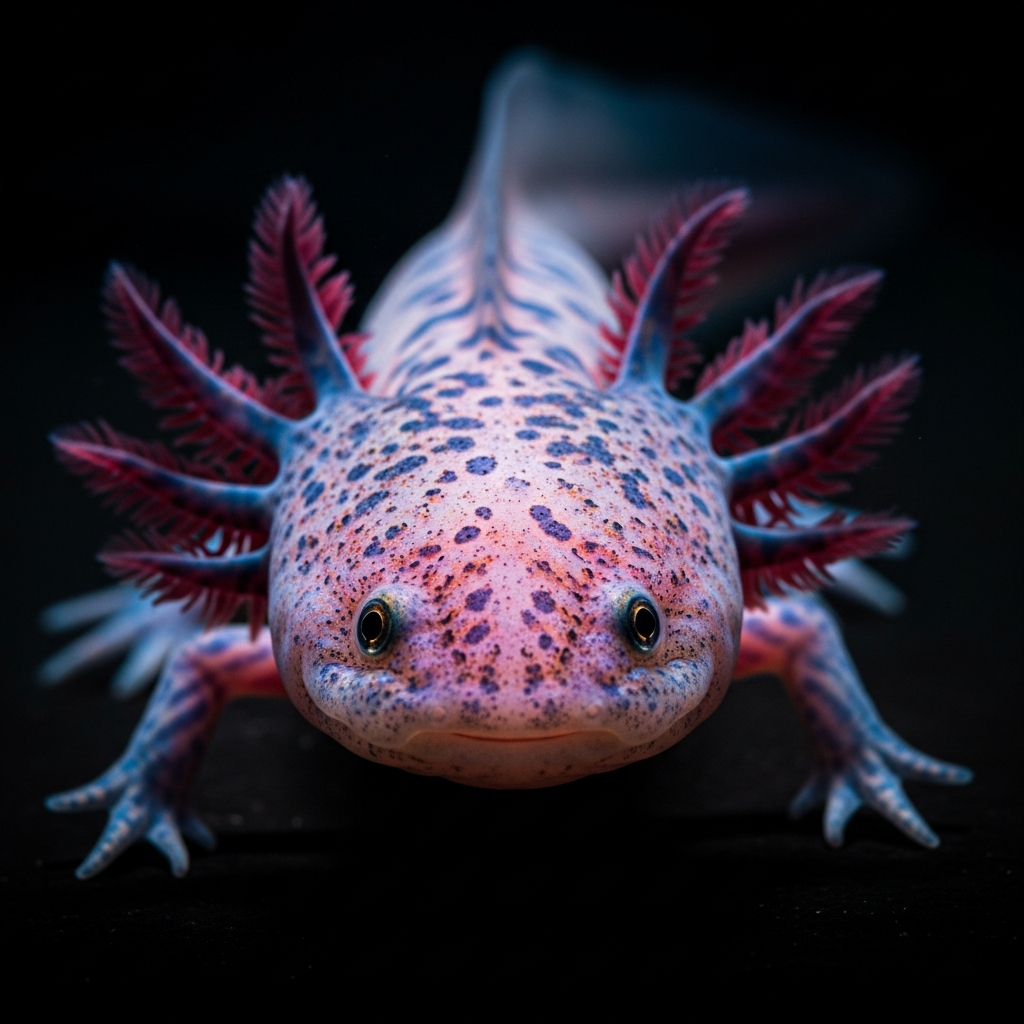
Stoneware mug, dishwasher safe
Buy Mug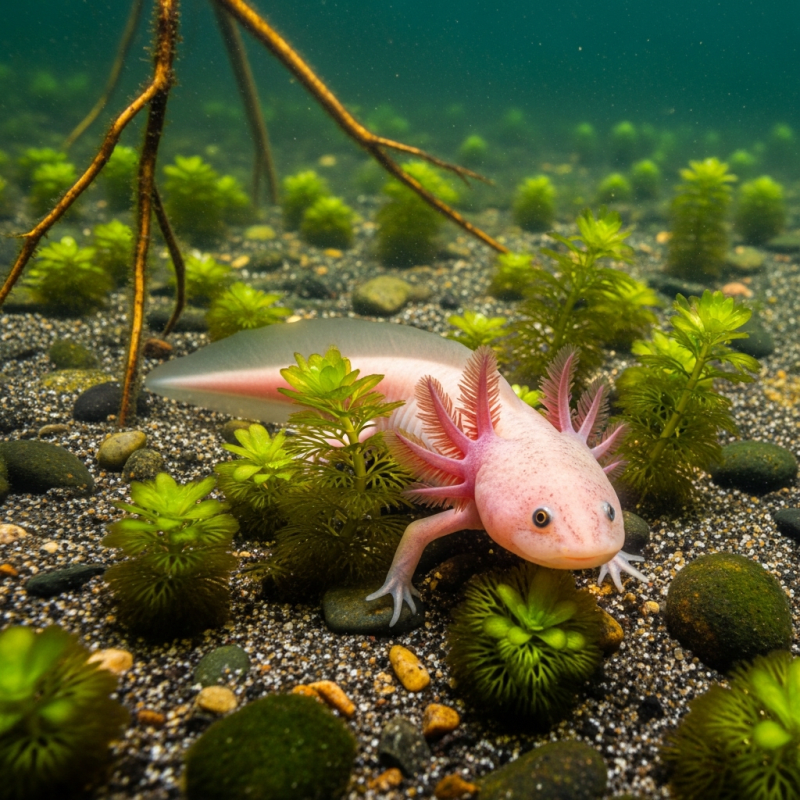
Soft cotton tee, unisex sizes
Buy ShirtDeeply rooted in Aztec mythology, the axolotl was associated with the god Xolotl and revered as a symbol of transformation and survival. Historically consumed as a delicacy, today the axolotl serves as an icon of Mexican biodiversity and conservation. Its unique appearance and regenerative powers have inspired countless works of art, literature, and popular media, making it a beloved figure among scientists, educators, and pet enthusiasts worldwide.
Axolotls are native to the high-altitude lakes and canals of central Mexico, specifically Lake Xochimilco and formerly Lake Chalco. They thrive in cool, freshwater habitats with abundant vegetation. Today, wild populations are restricted to small, fragmented areas due to habitat loss, while captive axolotls are found worldwide in research labs, aquaria, and homes.

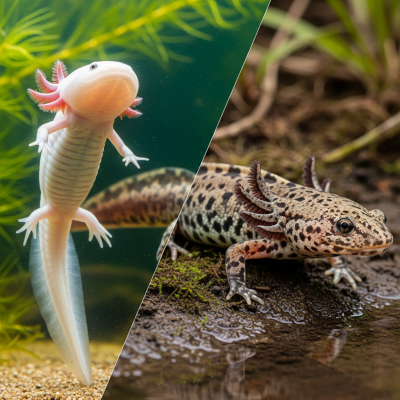
Axolotls are neotenic, meaning they retain their larval characteristics throughout life and do not metamorphose into terrestrial adults. Reproduction occurs entirely in water, with females laying hundreds of eggs per clutch. The eggs hatch into aquatic larvae that grow and mature without undergoing the typical amphibian metamorphosis. Axolotls breed readily in captivity, making them accessible for research and education.
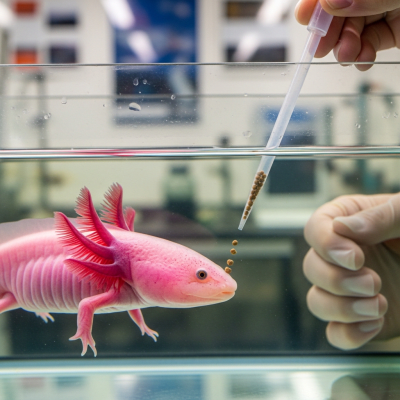
Axolotls are carnivorous, feeding on worms, insects, small fish, and other aquatic invertebrates. They hunt by ambush, using rapid suction to draw prey into their mouths. In captivity, axolotls accept a variety of foods, including specially formulated pellets, earthworms, and small pieces of fish or shrimp.
In their native habitat, axolotls serve as apex aquatic predators, helping to regulate populations of invertebrates and small fish. They are also important bioindicators, reflecting the health of freshwater ecosystems. As a flagship species for conservation and scientific research, axolotls highlight the importance of preserving aquatic habitats and understanding regenerative biology.
The axolotl is classified as Critically Endangered by the IUCN Red List, with wild populations facing severe decline due to habitat destruction, pollution, and invasive species. Conservation efforts focus on habitat restoration in Lake Xochimilco, captive breeding programs, and public education to raise awareness of their plight.
Axolotls are highly sensitive to changes in water quality and temperature, making them vulnerable to pollution, habitat loss, and disease. While their regenerative abilities offer remarkable resilience to physical injury, they remain susceptible to fungal and bacterial infections when stressed. Conservation is challenged by urbanization and invasive species in their native range.
Humans interact with axolotls primarily through scientific research, the pet trade, and educational displays. Their use in developmental biology and genetics has advanced understanding of regeneration and healing. Historically, axolotls were consumed as food, but this practice is now rare and discouraged. Commercial use is strictly regulated to protect remaining wild populations.
Axolotls are not considered invasive outside their native range. Wild capture is prohibited due to their critically endangered status, and commercial use is tightly regulated. There are no known populations of axolotls causing ecological disruption in non-native habitats.