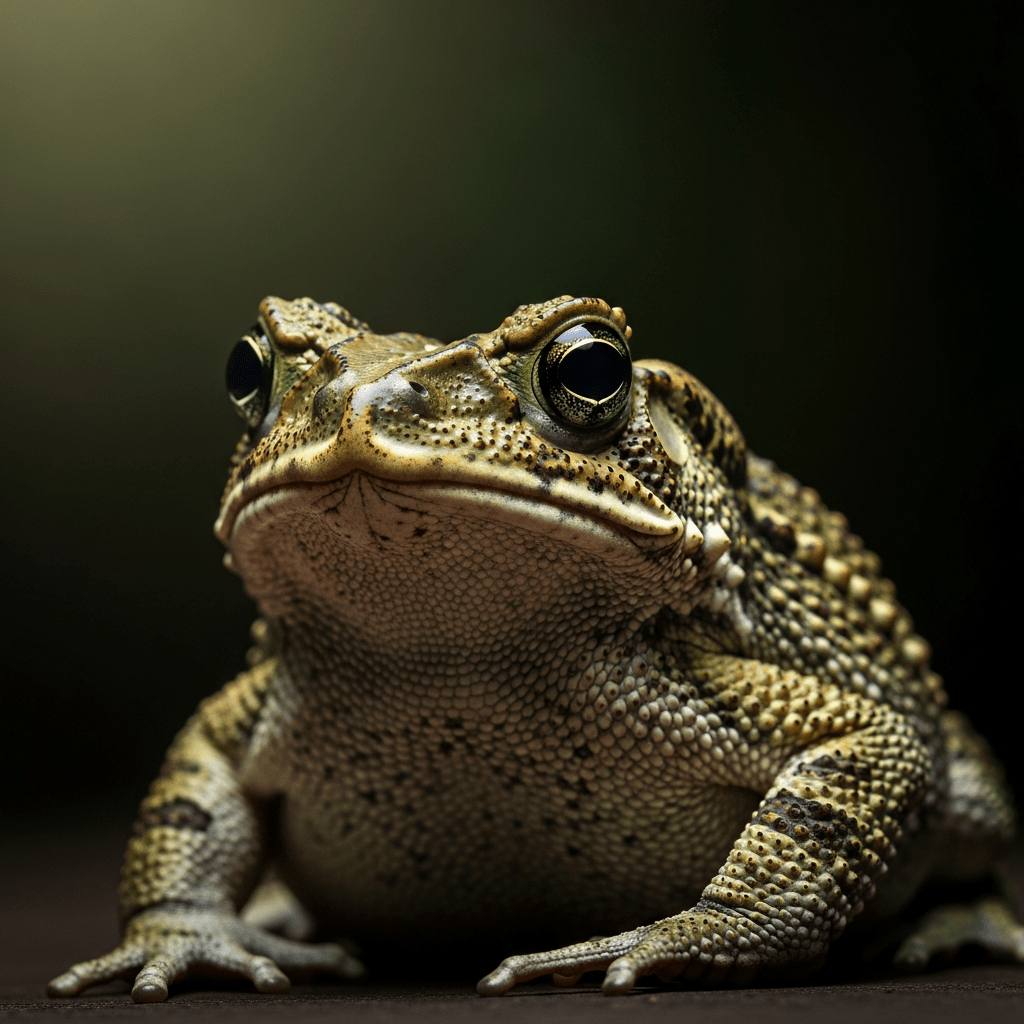
Surinam Toad
The Surinam Toad (Pipa pipa) is a remarkable aquatic amphibian from northern South America, famed for its flat, leaf-like body and unique reproductive strategy in which young develop within pockets on the female’s back.
The Surinam Toad (Pipa pipa) is a remarkable aquatic amphibian from northern South America, famed for its flat, leaf-like body and unique reproductive strategy in which young develop within pockets on the female’s back.
First described by Carl Linnaeus in 1758, the Surinam Toad originates from the slow-moving freshwater habitats of northern South America. Its lineage traces back to the family Pipidae within the order Anura, and it has been recognized in scientific literature for centuries due to its unusual biology and distinctive appearance.
Belonging to the class Amphibia, the Surinam Toad is classified under the order Anura (frogs and toads), family Pipidae, and genus Pipa. As a member of Pipidae, it is part of a group of fully aquatic frogs distinguished by their morphological adaptations and lack of tongues. This places the Surinam Toad among the most specialized amphibians, adapted for an entirely aquatic lifestyle.
The Surinam Toad is instantly recognizable by its broad, flattened body—reaching up to 20 cm in length—and mottled brown coloration that blends seamlessly with leaf litter. Its triangular head lacks both tongue and teeth, while the small, dorsally positioned eyes and short, webbed limbs are perfectly suited for life underwater. The overall form evokes a living leaf, providing both camouflage and a sense of otherworldly strangeness.
Entirely aquatic, the Surinam Toad spends its life in slow-moving streams, ponds, and swamps, rarely venturing onto land. Its behavior is defined by stealth and adaptation: it relies on camouflage to avoid predators and uses its webbed limbs for efficient swimming. The species is best known for its extraordinary reproductive method, where fertilized eggs are embedded in the female’s back and develop safely until emergence. While not used commercially, it is occasionally kept in public aquaria for educational and research purposes, captivating audiences with its singular life cycle.
Bring this kind into your world illustrated posters, mugs, and shirts.
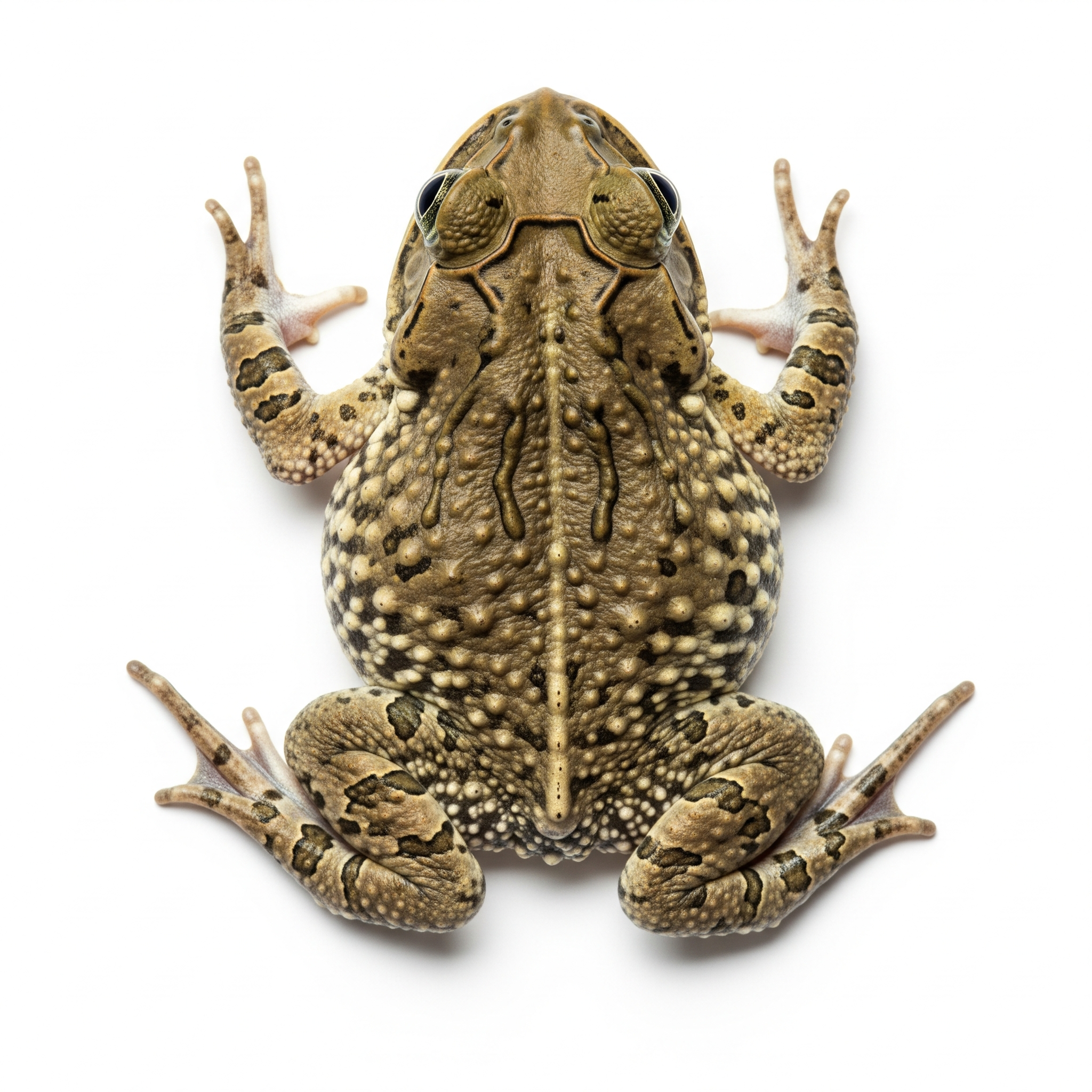
Archival print, museum-grade paper
Buy Poster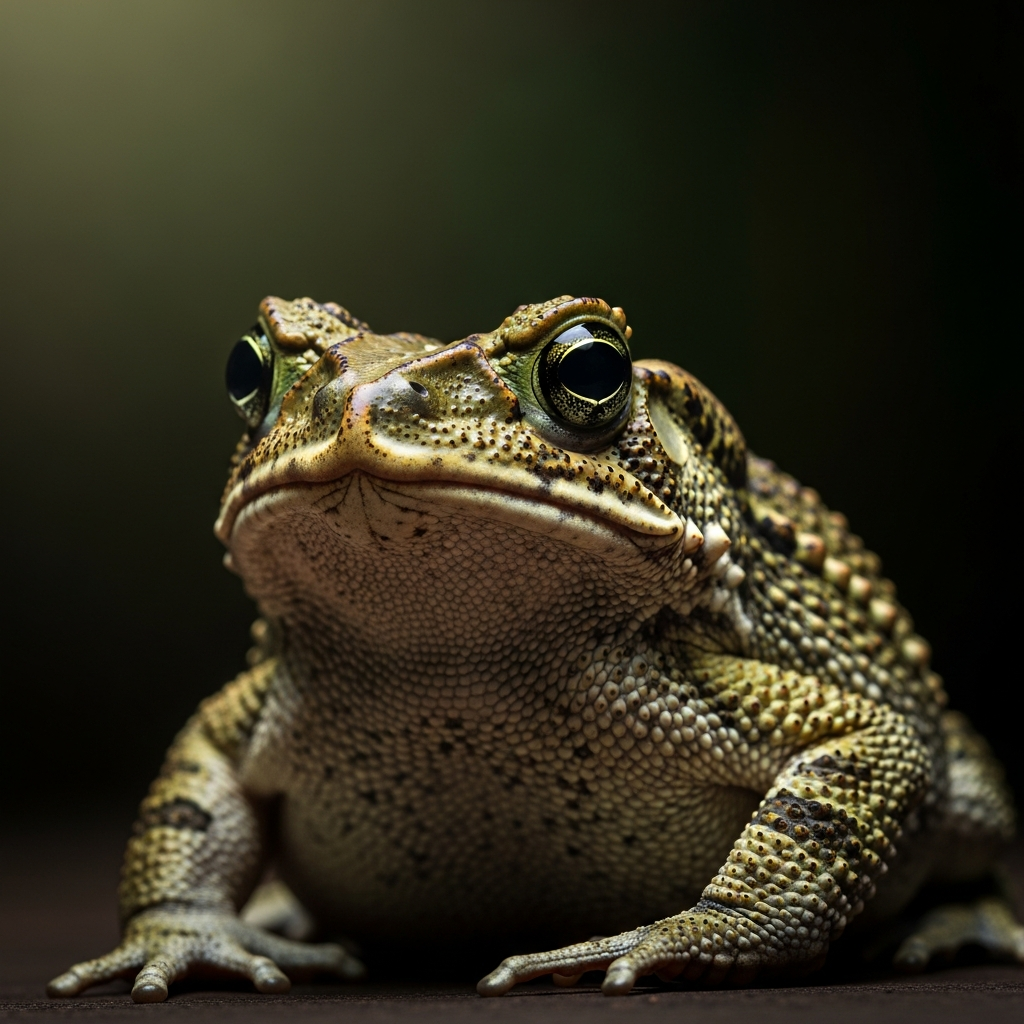
Stoneware mug, dishwasher safe
Buy Mug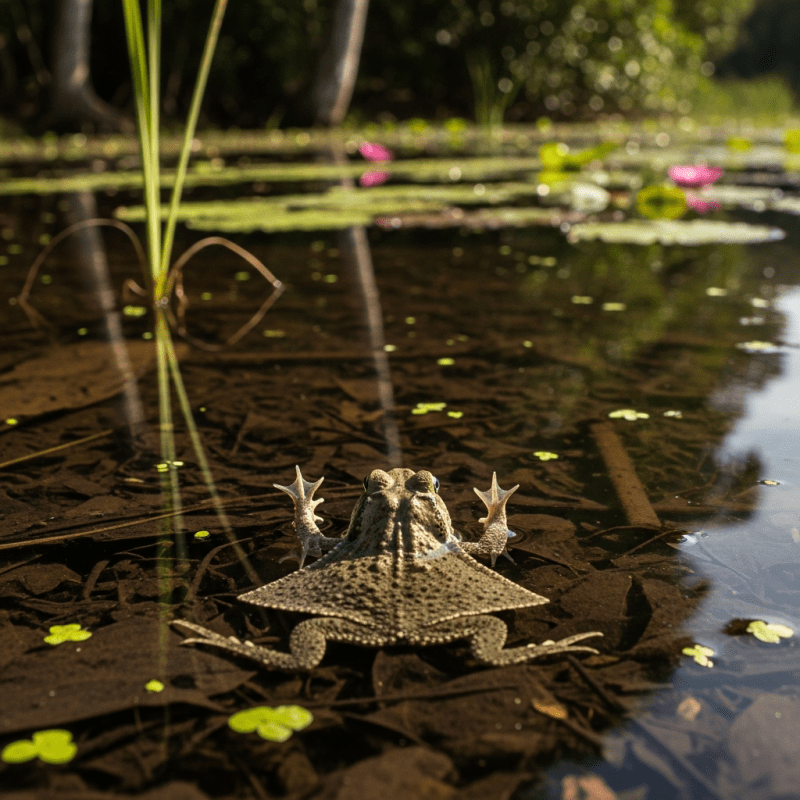
Soft cotton tee, unisex sizes
Buy ShirtAlthough not a prominent figure in folklore or art, the Surinam Toad’s bizarre reproductive habits have made it a subject of fascination in natural history exhibits, documentaries, and educational settings. Its unusual appearance and life cycle often inspire curiosity and wonder, serving as a symbol of nature’s ingenuity and the diversity of amphibian reproduction.
The Surinam Toad is native to northern South America, thriving in fully aquatic environments such as slow-moving streams, ponds, and swamps. Its range encompasses regions where water is calm and rich in leaf litter, providing both shelter and camouflage.
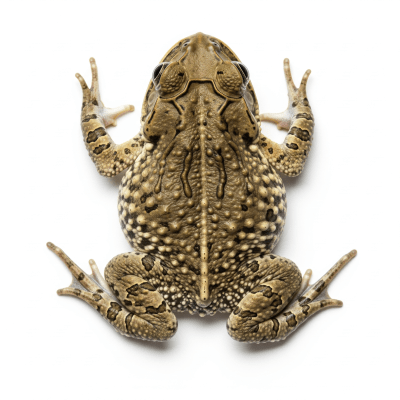
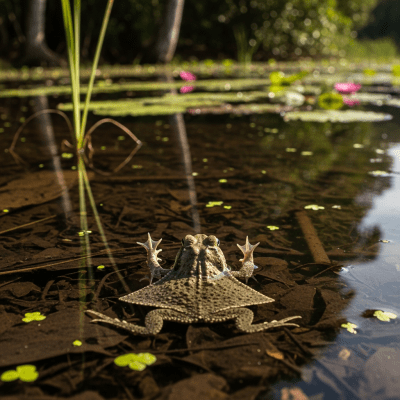
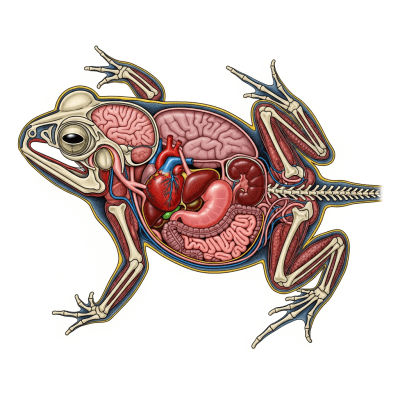
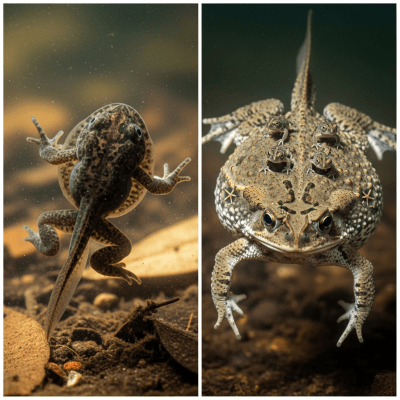

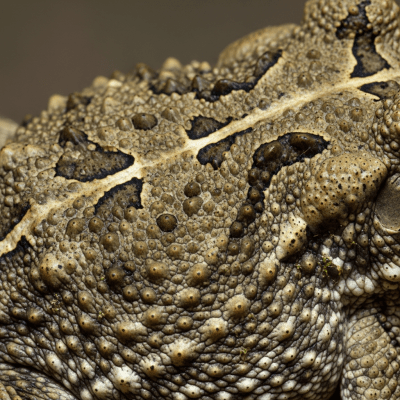
The Surinam Toad’s life cycle is among the most unusual in the amphibian world. After mating, fertilized eggs are embedded into the female’s dorsal skin, forming protective pockets. Within these, the embryos develop from eggs to tadpoles and finally to fully formed froglets, which then emerge from the mother’s back ready for independent life. This adaptation offers remarkable protection during the vulnerable early stages of development.
While specific details on the Surinam Toad’s diet are limited, members of Pipidae typically feed on small aquatic invertebrates and organic debris. They use suction feeding, drawing prey into their mouths by rapidly opening their jaws underwater, compensating for the absence of a tongue.
As a fully aquatic amphibian, the Surinam Toad plays a vital role in freshwater ecosystems. It helps regulate populations of small aquatic invertebrates and serves as both predator and prey within its habitat. Its presence can indicate healthy, undisturbed water systems, making it a valuable bioindicator for environmental monitoring.
The Surinam Toad is not currently listed as threatened, but its populations are sensitive to changes in water quality and habitat disturbance. Conservation efforts focus on preserving wetland habitats and maintaining clean freshwater systems to ensure the species’ continued survival.
Major threats to the Surinam Toad include water pollution, habitat destruction, and disturbance of slow-moving aquatic environments. The species is highly sensitive to changes in water quality, making it vulnerable to environmental stressors. Its resilience depends on the stability and cleanliness of its habitat, with little tolerance for significant ecological disruption.
Humans interact with the Surinam Toad primarily through scientific study and public education. Its extraordinary reproductive biology makes it a popular subject in research and natural history museums. Occasionally, individuals are kept in public aquaria, where they serve as living examples of amphibian diversity and adaptation. The species has no known culinary or commercial use.
The Surinam Toad is not known to be invasive or regulated outside its native range. There are no reports of established populations beyond northern South America, and it does not pose an ecological threat in other regions.