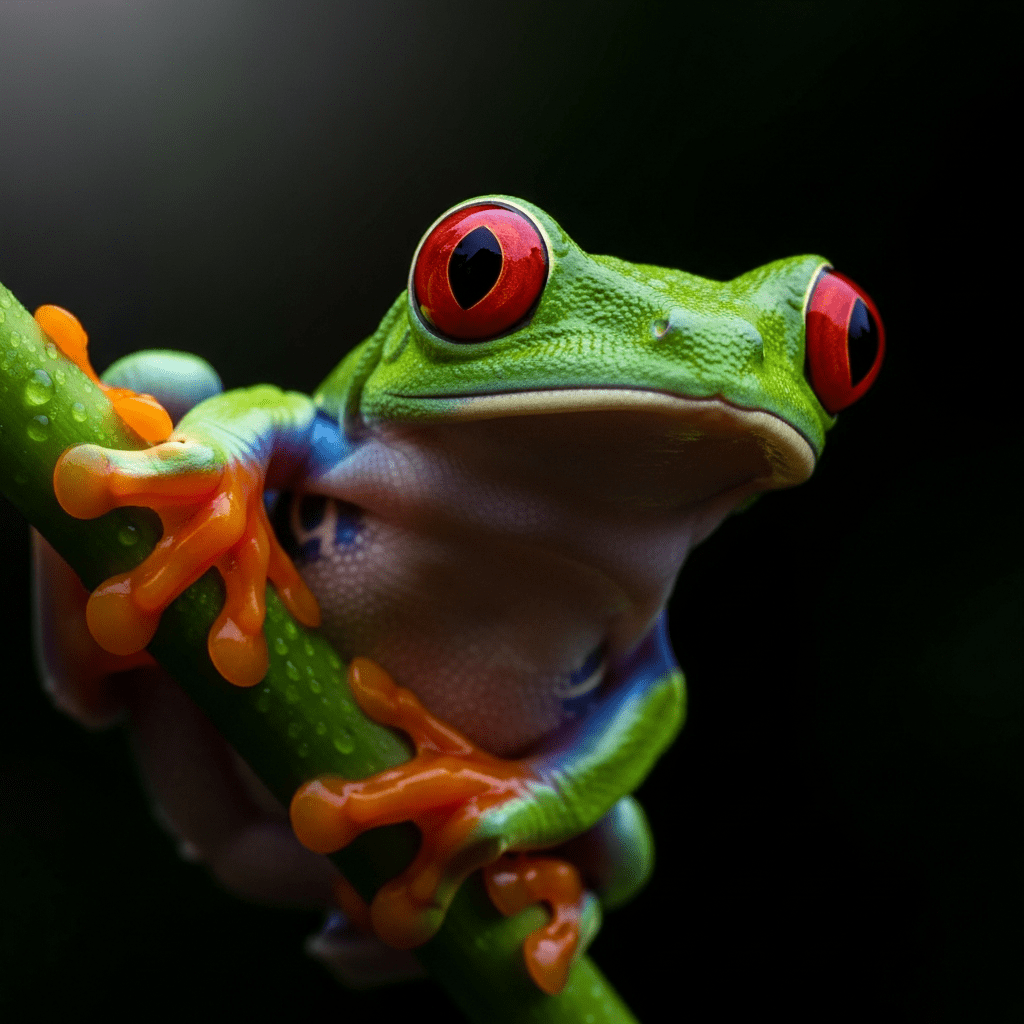
Red-Eyed Tree Frog
The Red-eyed Tree Frog (Agalychnis callidryas) is a vividly colored, arboreal amphibian native to Central America's tropical rainforests, instantly recognizable by its striking red eyes and vibrant green body.
The Red-eyed Tree Frog (Agalychnis callidryas) is a vividly colored, arboreal amphibian native to Central America's tropical rainforests, instantly recognizable by its striking red eyes and vibrant green body.
First described by Edward Drinker Cope in 1862, the Red-eyed Tree Frog hails from the lush rainforests of Central America. Its discovery marked a milestone in amphibian taxonomy, with the species quickly becoming emblematic of the region's rich biodiversity. The type locality is rooted in Central America, where these frogs have thrived for generations among the canopy and foliage near water sources.
Belonging to the class Amphibia and order Anura, the Red-eyed Tree Frog is classified within the family Phyllomedusidae and genus Agalychnis. This places it among the true tree frogs, a group renowned for their adaptations to arboreal life. Its scientific name, Agalychnis callidryas, reflects its lineage and distinguishes it from other visually similar species within the diverse amphibian taxonomy.
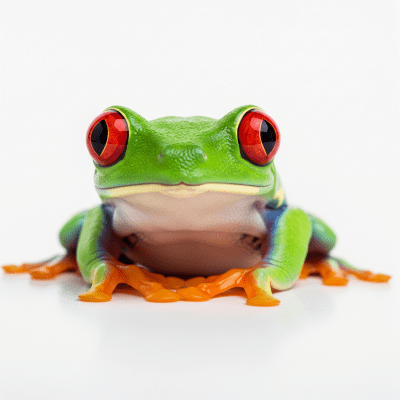
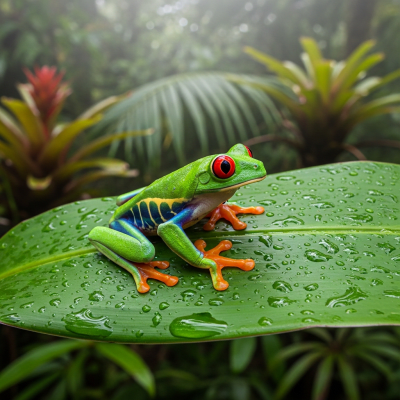
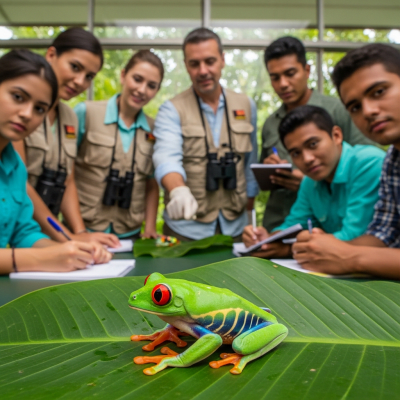
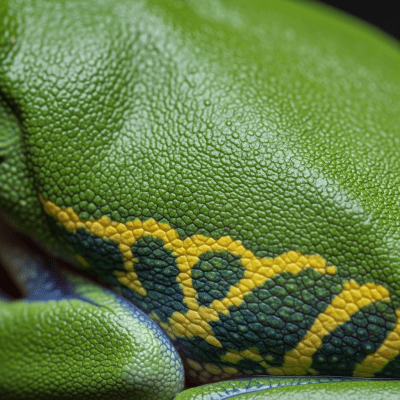
The Red-eyed Tree Frog dazzles with its bright green dorsal coloration, accented by bold blue and yellow stripes along its flanks. Its large, ruby-red eyes with vertical pupils are its most iconic feature, serving both as a defense mechanism and a visual marvel. Orange or red toes grip branches with agility, and adults typically measure 4–7.5 cm in length. Juveniles display subtler hues, but all stages exude a sense of tropical vibrancy and delicate beauty.
Primarily nocturnal and arboreal, Red-eyed Tree Frogs spend their nights hunting insects among the rainforest canopy and their days concealed on leaves. Their behavior is closely tied to water, especially during breeding season, when females lay eggs on foliage above ponds or streams. Upon disturbance, they flash their red eyes and colorful sides to startle predators—a classic example of deimatic behavior. While not directly utilized by humans for food, they are popular in ecotourism, education, and the regulated pet trade.
Bring this kind into your world illustrated posters, mugs, and shirts.
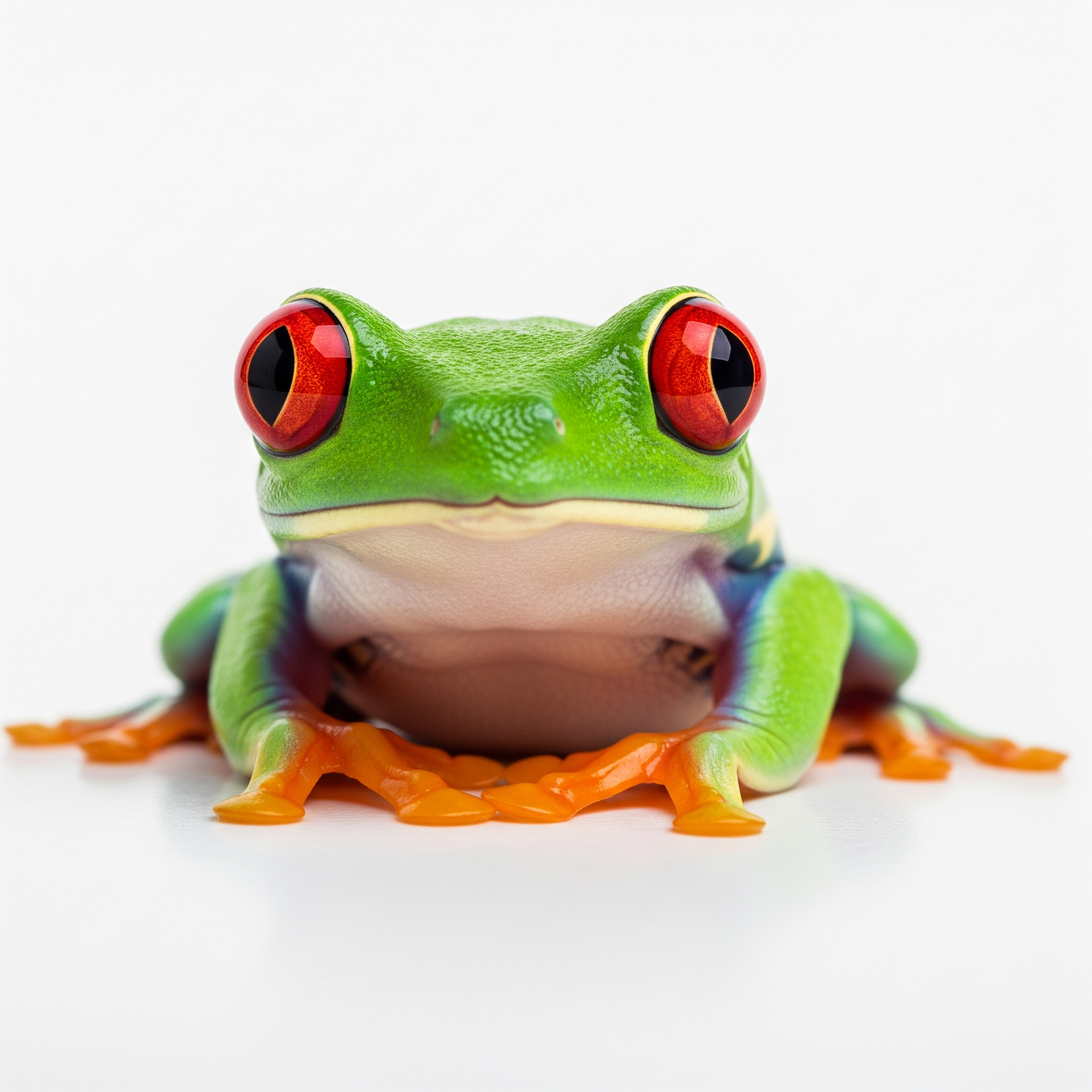
Archival print, museum-grade paper
Buy Poster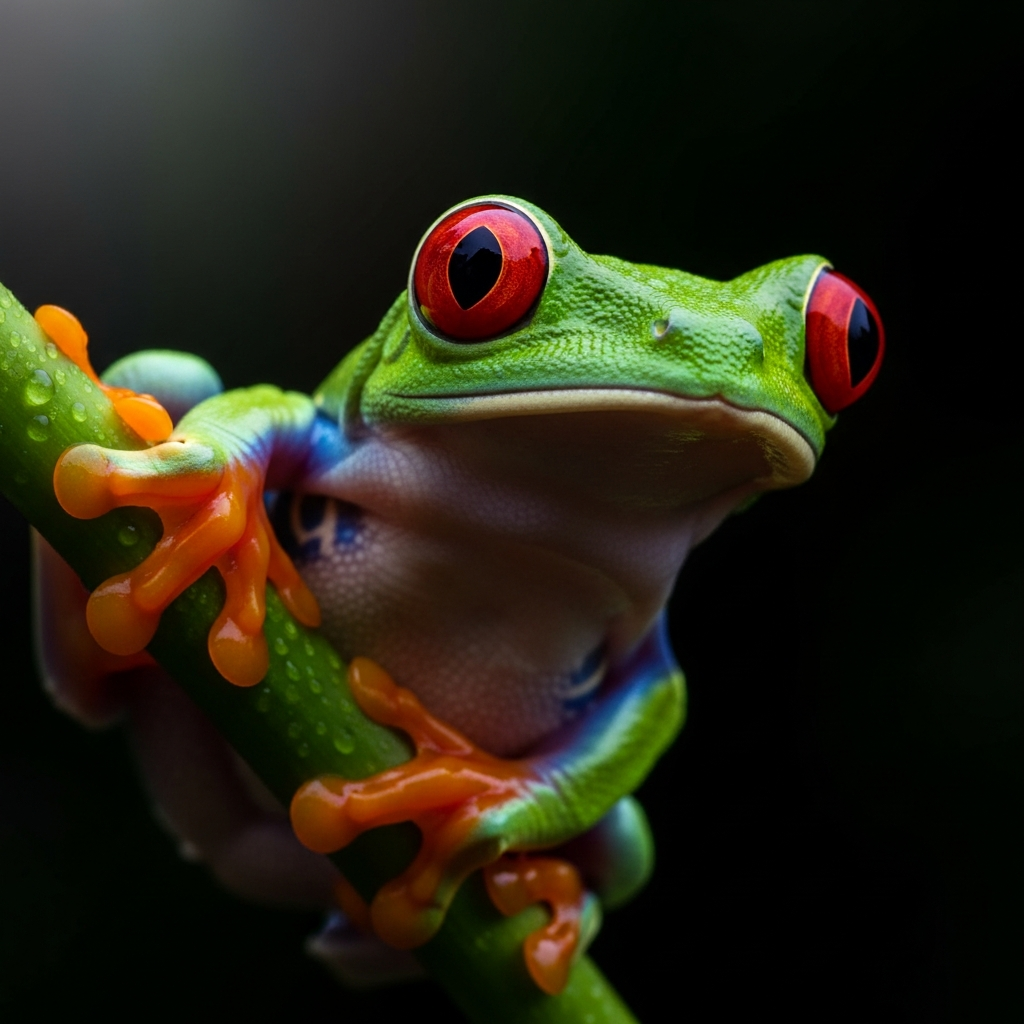
Stoneware mug, dishwasher safe
Buy Mug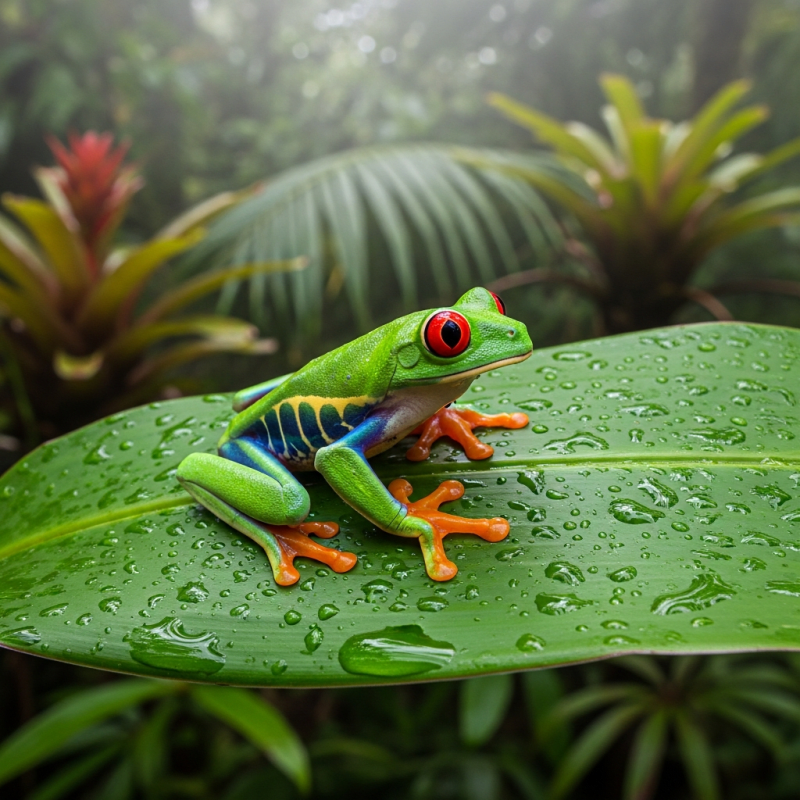
Soft cotton tee, unisex sizes
Buy ShirtWith their charismatic appearance, Red-eyed Tree Frogs have become symbols of tropical biodiversity and rainforest conservation. They frequently appear in advertising, educational materials, and ecotourism campaigns, representing the vibrant life of Central American forests. Their image is used to inspire environmental stewardship and is featured in art, media, and even children’s literature worldwide.
Red-eyed Tree Frogs inhabit the humid, tropical rainforests of Central America, ranging from southern Mexico through Belize, Honduras, Nicaragua, Costa Rica, and Panama. They prefer arboreal environments, living in trees and shrubs near water sources such as ponds and slow-moving streams, where humidity and foliage provide ideal conditions for survival and reproduction.
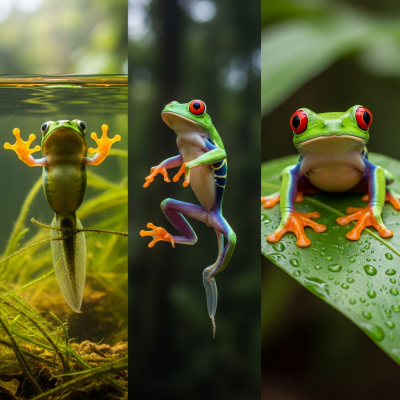
During the rainy season, females lay clusters of eggs on leaves that overhang water. After several days, the tadpoles hatch and drop directly into the water below, where they continue their development. The metamorphosis from aquatic tadpole to terrestrial froglet takes several weeks, culminating in the emergence of young frogs ready to ascend into the canopy. This dual life cycle—water-bound larvae and land-dwelling adults—is a hallmark of amphibian biology.
Red-eyed Tree Frogs are primarily insectivores, feeding on a variety of small invertebrates such as moths, flies, crickets, and other insects. Their nocturnal hunting is aided by keen eyesight and agile movements among the branches, helping control insect populations within their rainforest habitat.
As a flagship species for rainforest conservation, Red-eyed Tree Frogs play a vital role in maintaining ecosystem health. They help regulate insect populations and serve as bioindicators—species whose presence and well-being reflect the overall condition of their environment. Their sensitivity to pollutants and habitat changes makes them crucial for monitoring ecological integrity.
While not currently endangered, Red-eyed Tree Frogs face ongoing threats from habitat loss, pollution, and disease. Conservation efforts focus on preserving rainforest habitats and monitoring populations, with organizations such as the IUCN and AmphibiaWeb tracking their status and advocating for protective measures. Their popularity in education and ecotourism further supports conservation awareness.
Red-eyed Tree Frogs are highly sensitive to environmental disturbances, including deforestation, water pollution, and the spread of chytrid fungus. Despite these vulnerabilities, their adaptability to arboreal life and reproductive strategies offer some resilience. However, sustained habitat loss and disease outbreaks remain significant challenges to their long-term survival.
Humans interact with Red-eyed Tree Frogs primarily through ecotourism, educational outreach, and the regulated pet trade. Their striking appearance makes them popular in media and conservation campaigns, helping raise awareness about rainforest preservation. Strict regulations govern their collection and sale to ensure ethical practices and species protection.
Red-eyed Tree Frogs are not considered invasive outside their native range, and there are no significant reports of established populations beyond Central America. Regulatory measures focus on preventing unsustainable collection and ensuring responsible trade rather than managing invasiveness.