Olm
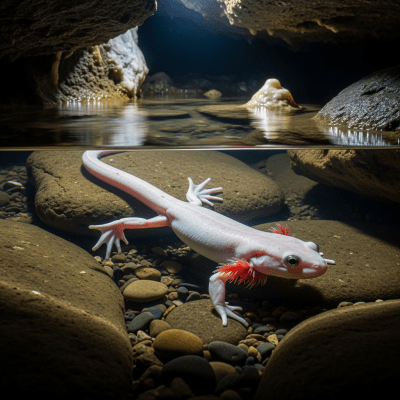
The olm (Proteus anguinus) is a blind, cave-dwelling salamander native to the subterranean waters of the Dinaric Alps in southeastern Europe, uniquely adapted to life in complete darkness.
The olm (Proteus anguinus) is a blind, cave-dwelling salamander native to the subterranean waters of the Dinaric Alps in southeastern Europe, uniquely adapted to life in complete darkness.
First described in 1768 by Josephus Nicolaus Laurenti, the olm traces its origins to the cold, oxygen-rich underground waters of the Dinaric Alps. It is the only European vertebrate fully adapted to cave life, evolving remarkable traits to thrive in this isolated environment.
The olm belongs to the class Amphibia, order Caudata, and family Proteidae. It is the sole species in the genus Proteus and stands out as the only cave-adapted member of its family, which also includes North American mudpuppies.
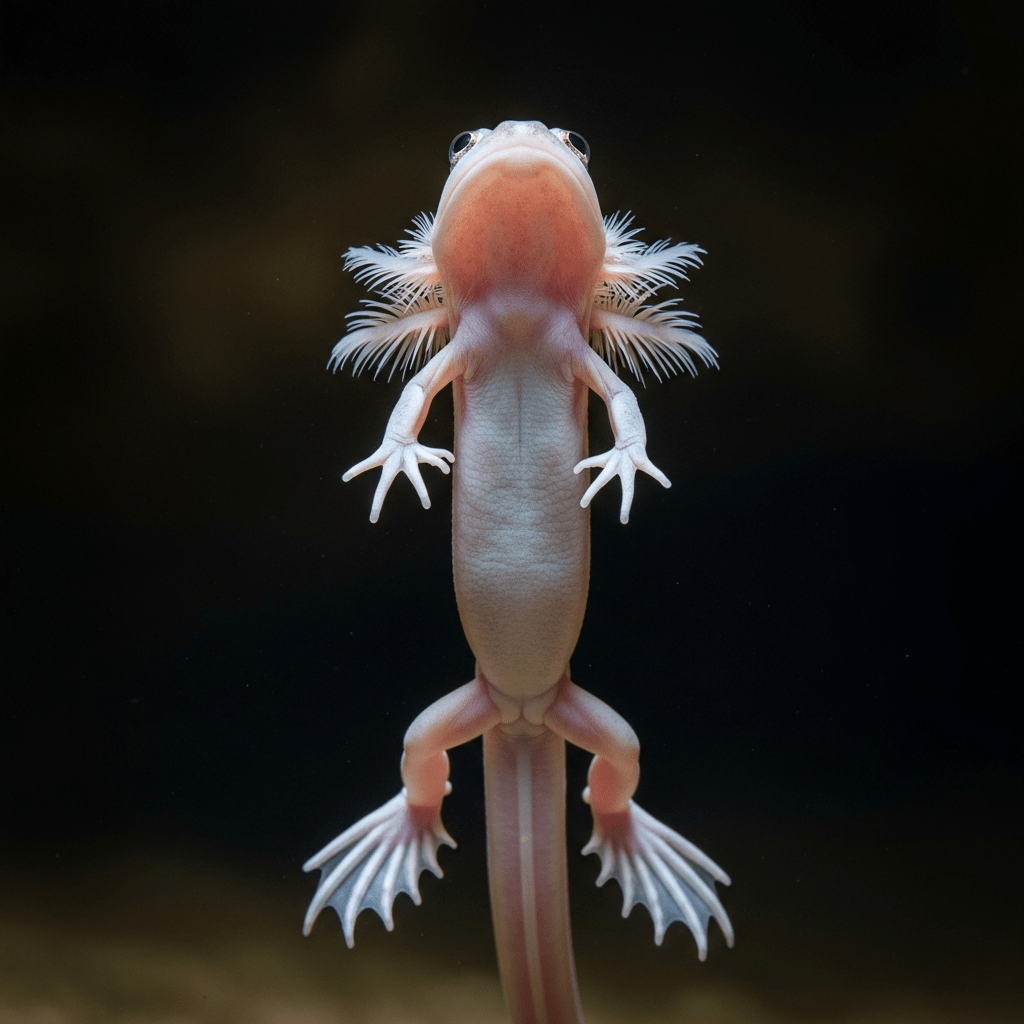
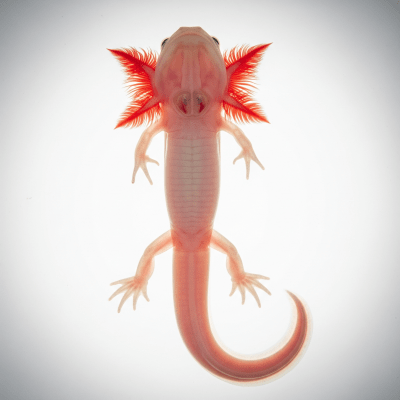
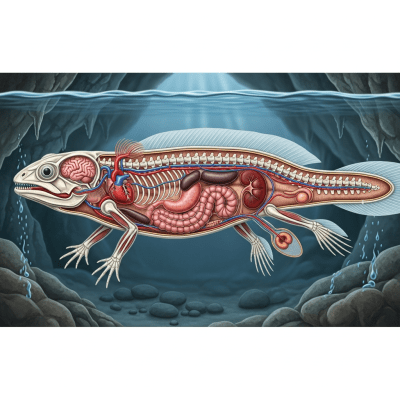
The olm is an elongated, slender salamander measuring 20–30 cm long. It has external gills, a flattened head, and vestigial eyes hidden beneath translucent skin, rendering it blind. Its skin is pale and unpigmented, often appearing pink due to visible blood vessels beneath the surface.
Exhibiting neoteny, the olm retains larval features throughout its life. It can survive for years without food and reproduces slowly with low fecundity. Its behavior is finely tuned to the dark, aquatic cave environment where it navigates and hunts using non-visual senses.
Bring this kind into your world illustrated posters, mugs, and shirts.
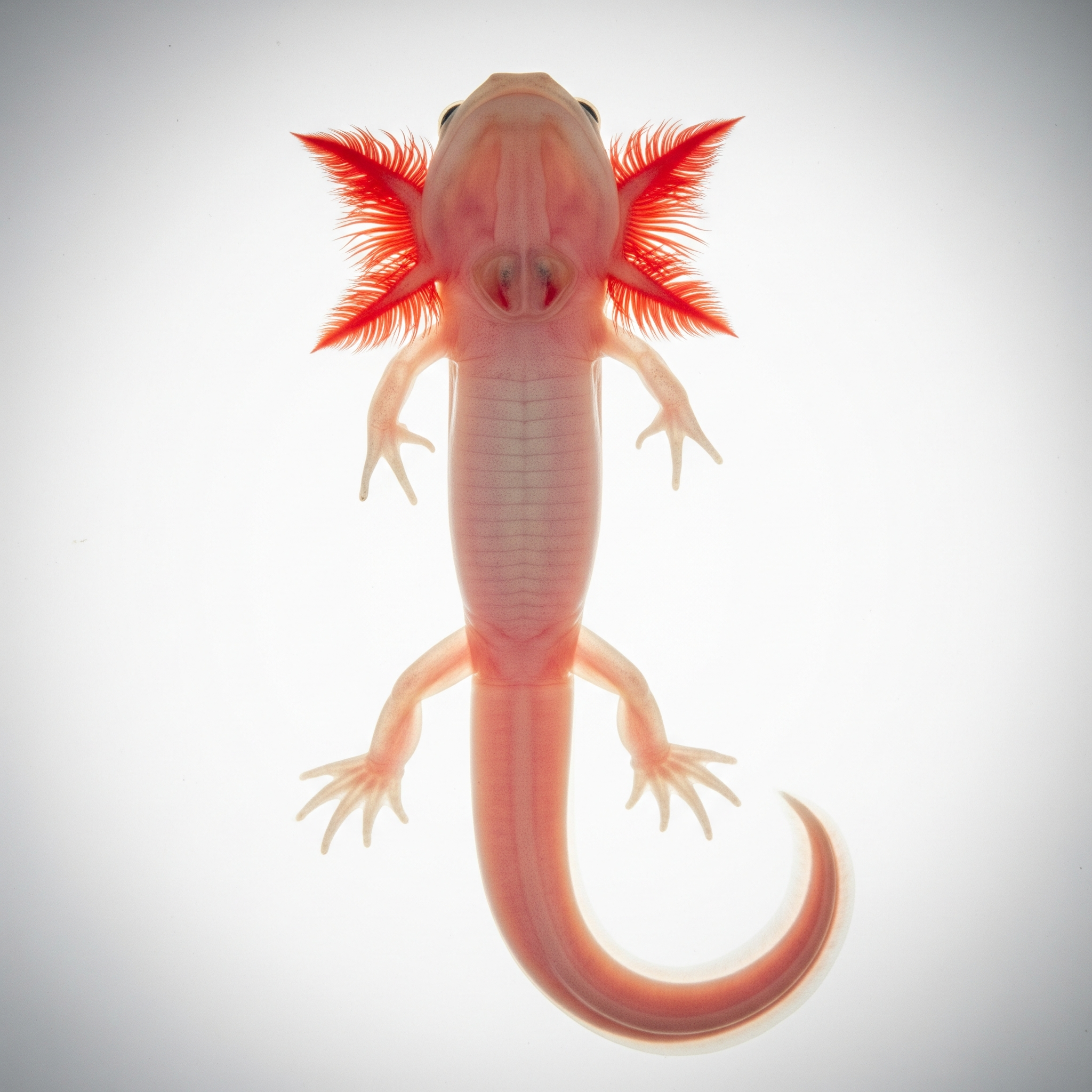
Archival print, museum-grade paper
Buy Poster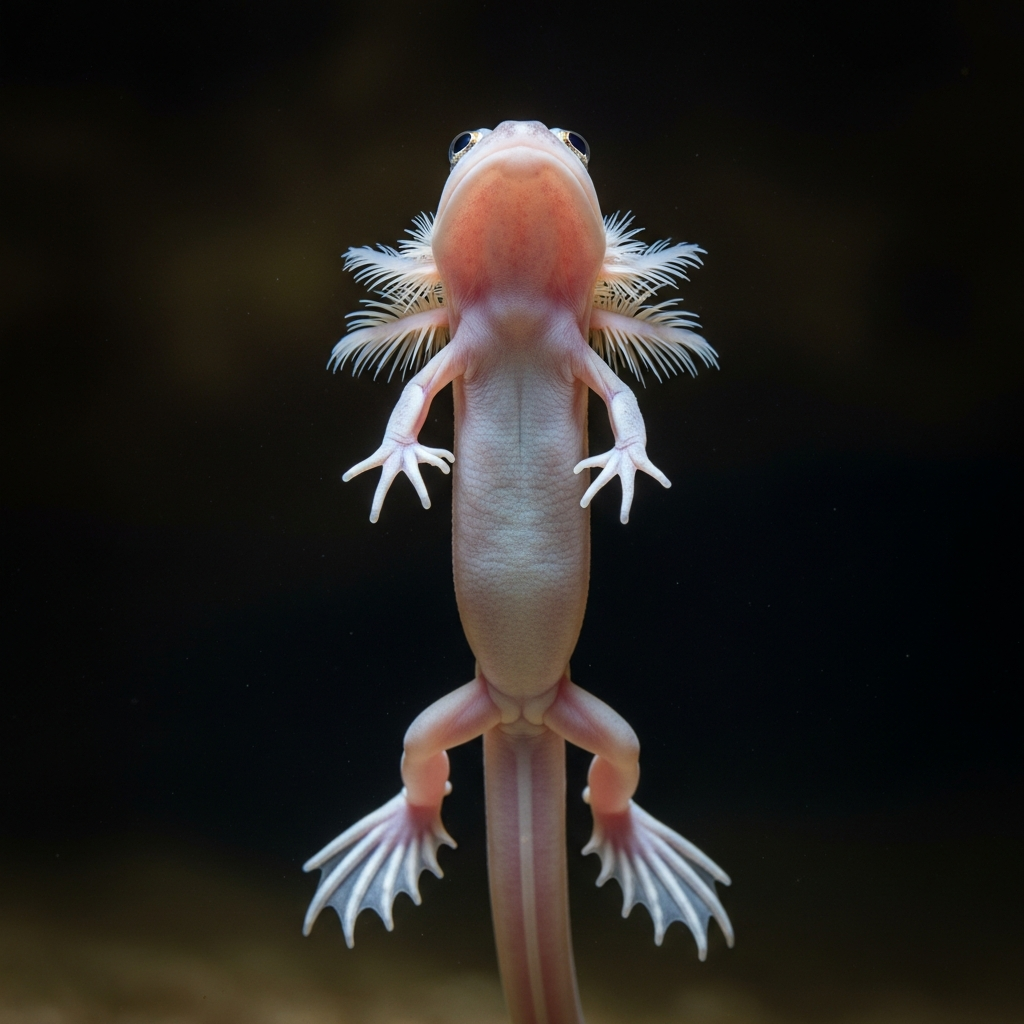
Stoneware mug, dishwasher safe
Buy Mug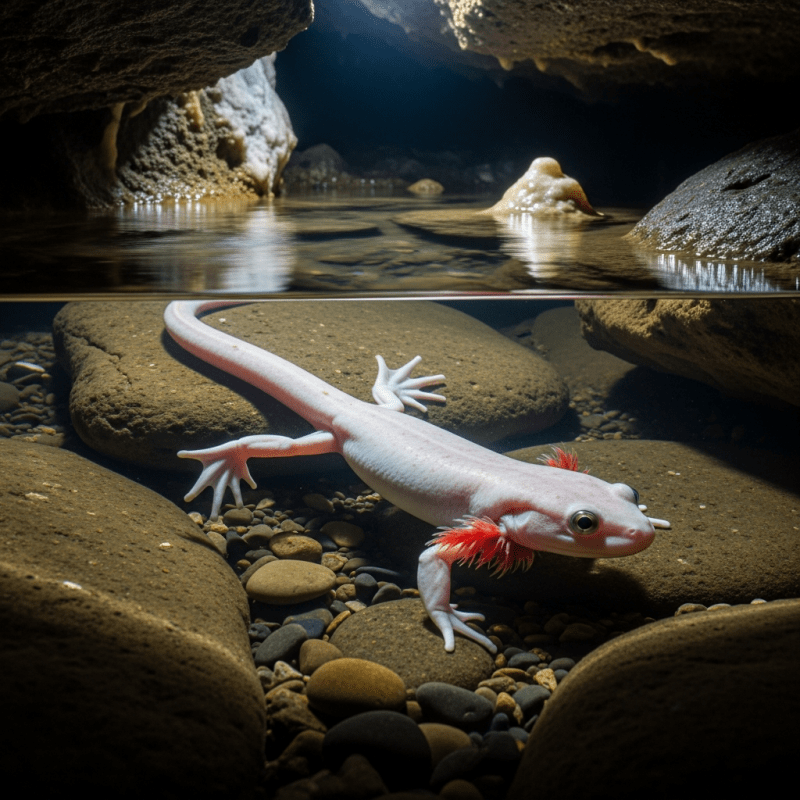
Soft cotton tee, unisex sizes
Buy ShirtKnown regionally as "človeška ribica" (Slovenian for "human fish"), the olm holds symbolic value as a mysterious inhabitant of subterranean waters. It features in local folklore and is celebrated as a unique emblem of underground biodiversity in southeastern Europe.
The olm is endemic to the subterranean waters of the Dinaric Alps, spanning parts of Slovenia, Croatia, and neighboring regions. It thrives in cold, well-oxygenated cave systems, relying on stable aquatic conditions found deep underground.

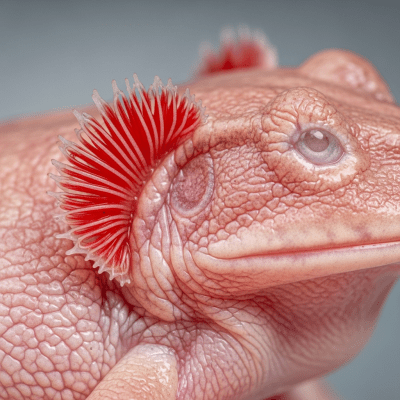
Retaining larval characteristics throughout life, the olm exhibits neoteny. It reproduces slowly with low fecundity, laying eggs in secluded underwater sites. Its life cycle is prolonged, contributing to its remarkable lifespan of up to a century.
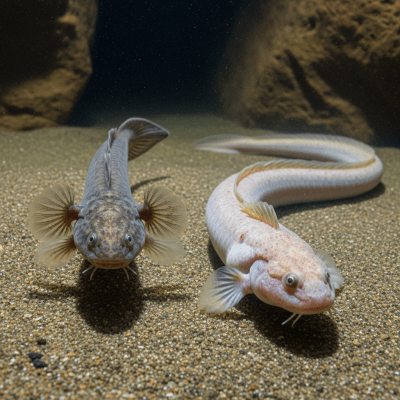
The olm feeds primarily on small aquatic invertebrates found in its cave habitat. It relies on non-visual senses to detect prey and can survive long periods without food, reflecting the scarcity of resources in subterranean ecosystems.
As a sensitive bioindicator, the olm reflects the health of subterranean water systems. Its presence signals clean, oxygen-rich waters, while its vulnerability highlights the fragility of cave ecosystems and the impacts of pollution and habitat disturbance.
The olm is protected due to its limited range and sensitivity to environmental changes. Conservation efforts focus on preserving water quality and cave habitats to ensure the species' survival amid threats from pollution and human disturbance.
Highly sensitive to water pollution and habitat disruption, the olm faces threats from contamination and changes to subterranean environments. However, its ability to endure long periods without food demonstrates notable resilience within its specialized niche.
Humans primarily interact with the olm through scientific research and conservation. It is occasionally displayed in public aquaria for educational purposes but has no commercial or culinary use. Trade is strictly regulated to protect wild populations.
There are no known invasive populations of the olm. Its highly specialized habitat and limited distribution restrict its presence to native subterranean waters of the Dinaric Alps.