Japanese Giant Salamander
The Japanese Giant Salamander (Andrias japonicus) is one of the world’s largest amphibians, renowned for its impressive size, aquatic lifestyle, and status as a symbol of Japan’s natural heritage.
The Japanese Giant Salamander (Andrias japonicus) is one of the world’s largest amphibians, renowned for its impressive size, aquatic lifestyle, and status as a symbol of Japan’s natural heritage.
First described by Armand David in 1871, the Japanese Giant Salamander is endemic to western and central Japan, particularly the Chūgoku region. Its evolutionary lineage belongs to the family Cryptobranchidae, a group that includes the world’s largest living salamanders. This species has thrived in Japan’s cold, fast-flowing streams for millennia, remaining a distinct and ancient presence in the country’s freshwater ecosystems.
Belonging to the class Amphibia and order Caudata, the Japanese Giant Salamander is classified within the family Cryptobranchidae and the genus Andrias. Its closest relatives include the Chinese Giant Salamander (Andrias davidianus) and the North American Hellbender (Cryptobranchus alleganiensis). This taxonomic group is distinguished by large size, aquatic habits, and unique reproductive strategies among amphibians.
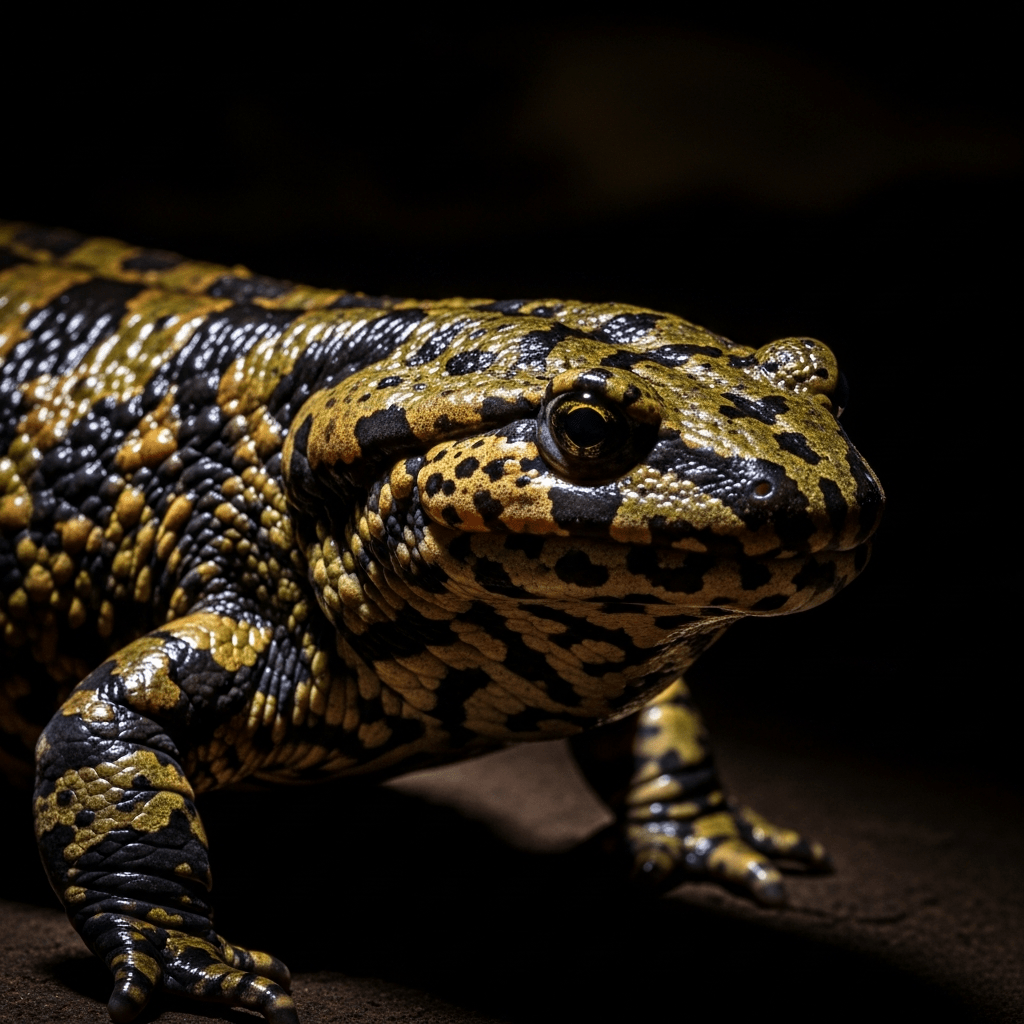
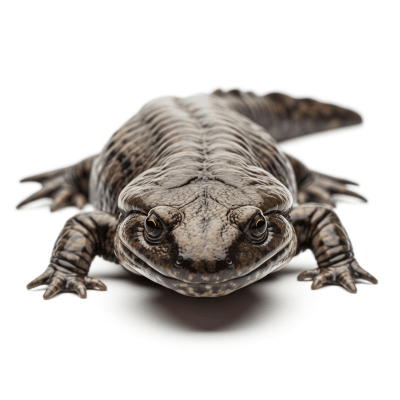
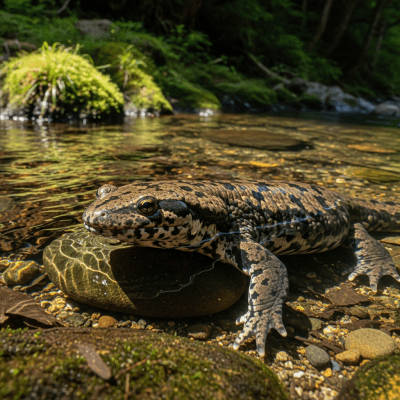
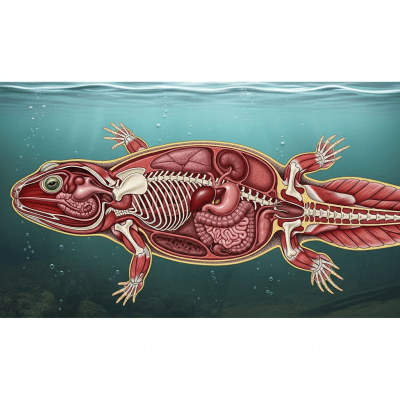
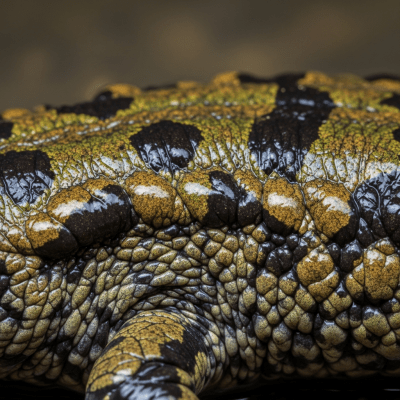
The Japanese Giant Salamander is strikingly robust, with adults typically measuring 1.0–1.5 meters in length and weighing up to 30 kg. Its broad, flat head and small, lidless eyes give it a prehistoric look, while its wrinkled, dark brown to black mottled skin blends seamlessly with rocky streambeds. The body and limbs are flattened and muscular, adapted for life in swift, cold waters. Its tactile, moist skin is sensitive to environmental changes, and its appearance is both formidable and cryptic.
This salamander is fully aquatic, spending its entire life in cold, fast-moving streams and rivers. It is largely nocturnal, hiding under rocks during the day and emerging at night to hunt. Males guard underwater nests during the breeding season, protecting eggs until they hatch. Historically, the species was used in traditional medicine and, rarely, as food, but today it is strictly protected and valued for its ecological and educational importance.
Bring this kind into your world illustrated posters, mugs, and shirts.
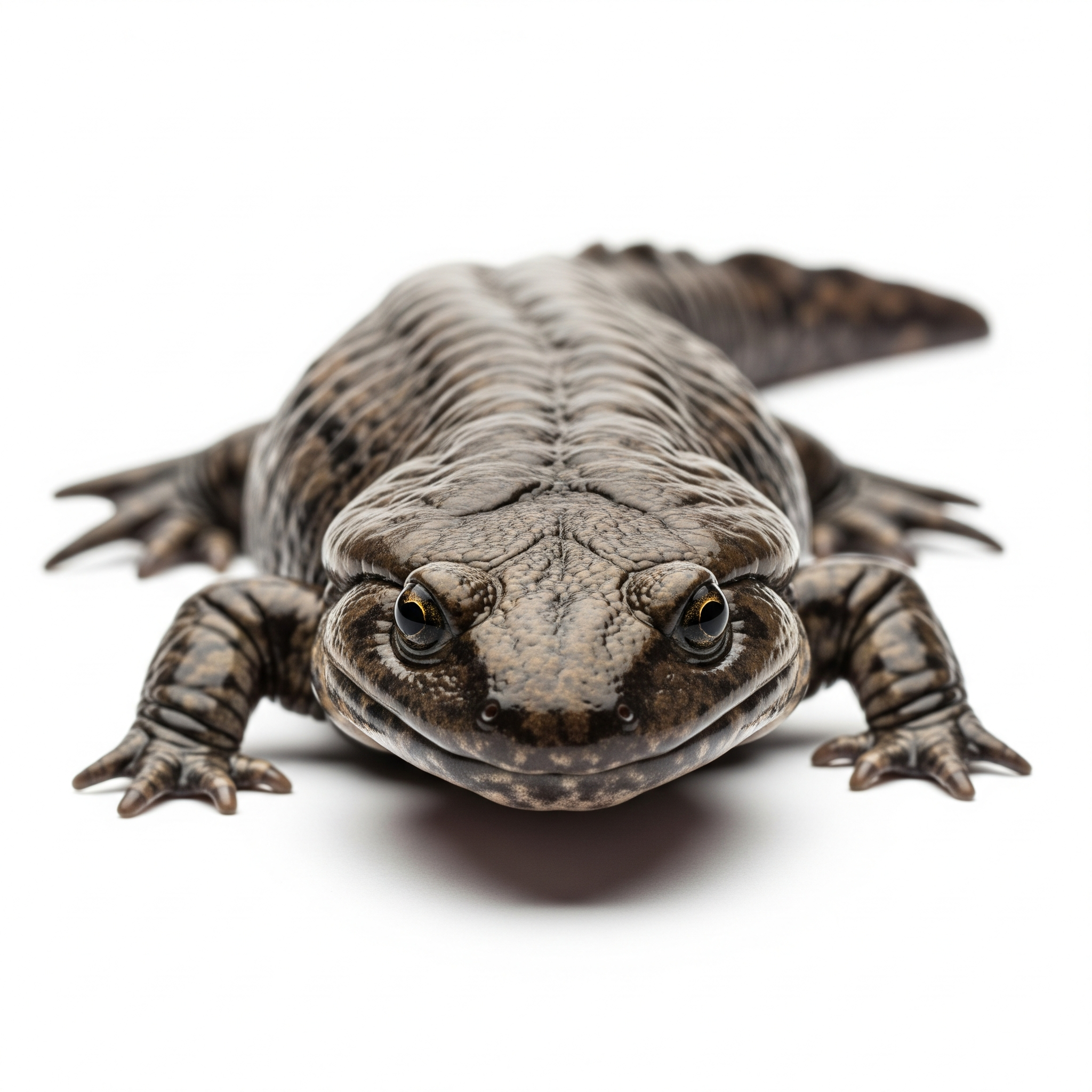
Archival print, museum-grade paper
Buy Poster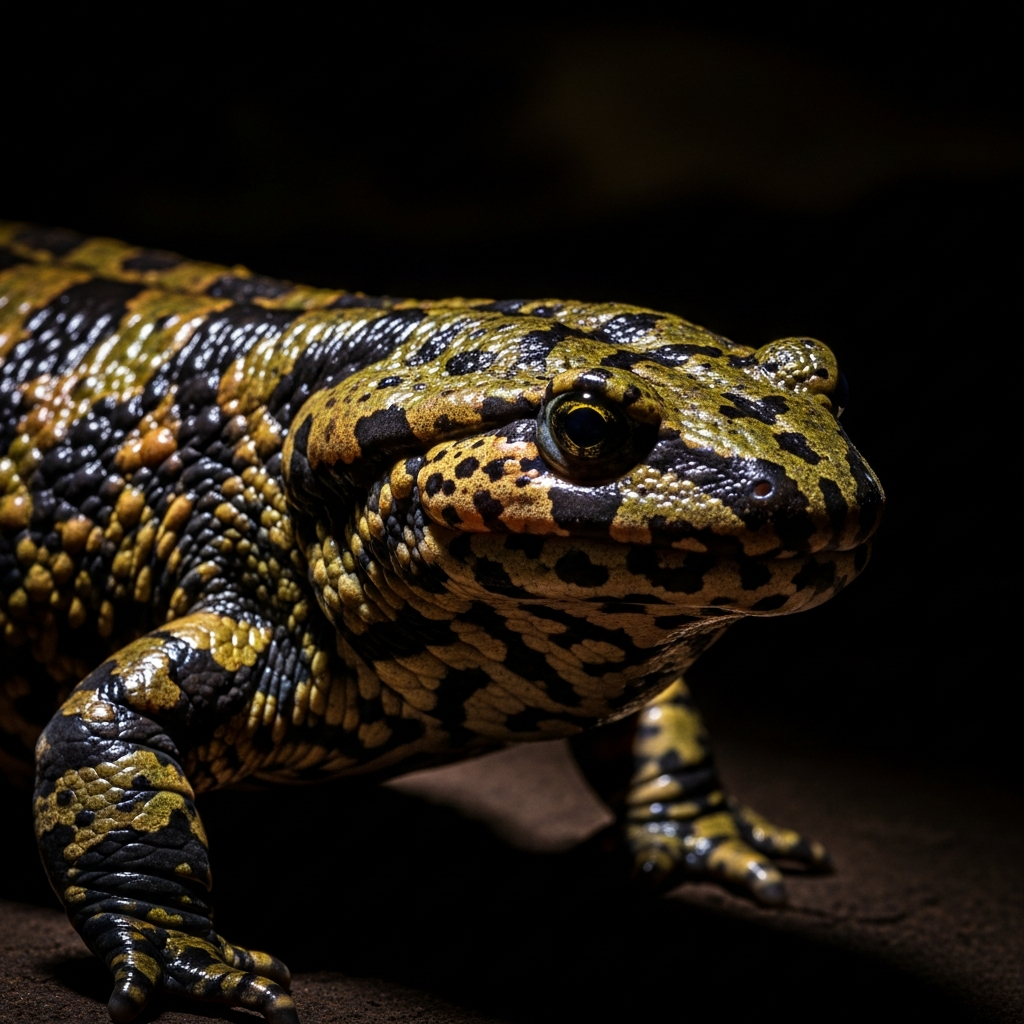
Stoneware mug, dishwasher safe
Buy Mug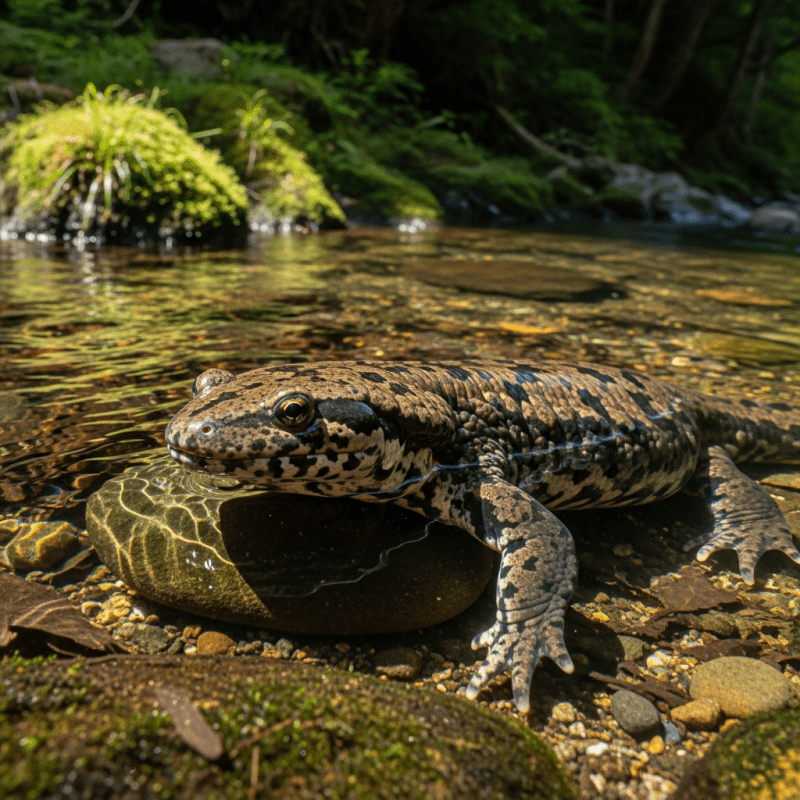
Soft cotton tee, unisex sizes
Buy ShirtIn Japan, the Japanese Giant Salamander is a celebrated symbol of natural heritage and conservation. Known locally as Ōsanshōuo, it appears in folklore, art, and educational programs, often representing longevity and resilience. Its mysterious appearance and ancient lineage have inspired legends and stories, and it serves as a flagship species for freshwater conservation throughout the country.
The Japanese Giant Salamander is endemic to western and central Japan, especially the Chūgoku region. It inhabits cold, fast-flowing streams and rivers with clean, well-oxygenated water. The species is highly aquatic, rarely venturing onto land, and depends on undisturbed freshwater habitats for survival.
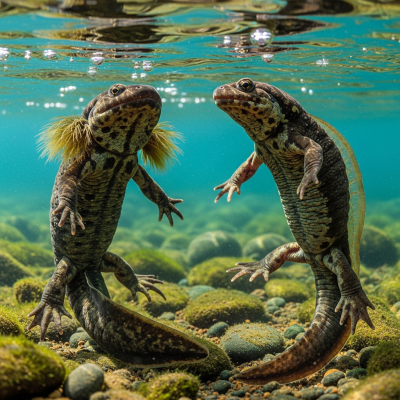
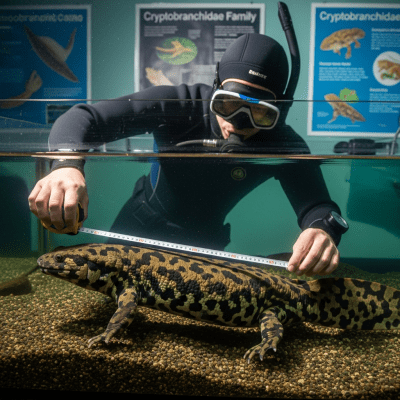
Reproduction involves external fertilization, with females laying eggs in underwater cavities that are guarded by males. The aquatic larvae hatch and undergo gradual metamorphosis, remaining in the water throughout their development. The species is slow-growing and exceptionally long-lived, with individuals surviving up to 70 years in captivity.
Carnivorous by nature, the Japanese Giant Salamander feeds on fish, crustaceans, insects, and other aquatic organisms. It hunts primarily at night, using its sensitive skin and stealth to ambush prey in the swift currents of its stream habitats.
As a top predator in its ecosystem, the Japanese Giant Salamander plays a crucial role in maintaining the balance of freshwater food webs. It is a flagship species for conservation and serves as an indicator of ecosystem health, reflecting the quality of its aquatic environment.
The Japanese Giant Salamander is protected under Japanese law and listed as near threatened by international authorities. Conservation efforts focus on habitat preservation, pollution control, and public education to safeguard remaining populations. Its restricted range and sensitivity to environmental changes make ongoing protection essential.
Major threats include water pollution, habitat fragmentation, and stream modification. While the species is resistant to cold, fast-flowing streams, it is highly sensitive to environmental disturbance and cannot tolerate degraded water quality. Conservation measures have helped stabilize some populations, but vigilance is required to address ongoing challenges.
Historically, the Japanese Giant Salamander was used in traditional medicine and, on rare occasions, as food. Today, it is strictly protected and not commercially traded. Its primary interaction with humans now centers on conservation, research, and education, serving as a charismatic ambassador for freshwater biodiversity in Japan.
The Japanese Giant Salamander is not invasive; it is endemic to Japan and protected by law. There are no known populations outside its native range, and it is subject to strict regulations to prevent exploitation and ensure its survival.