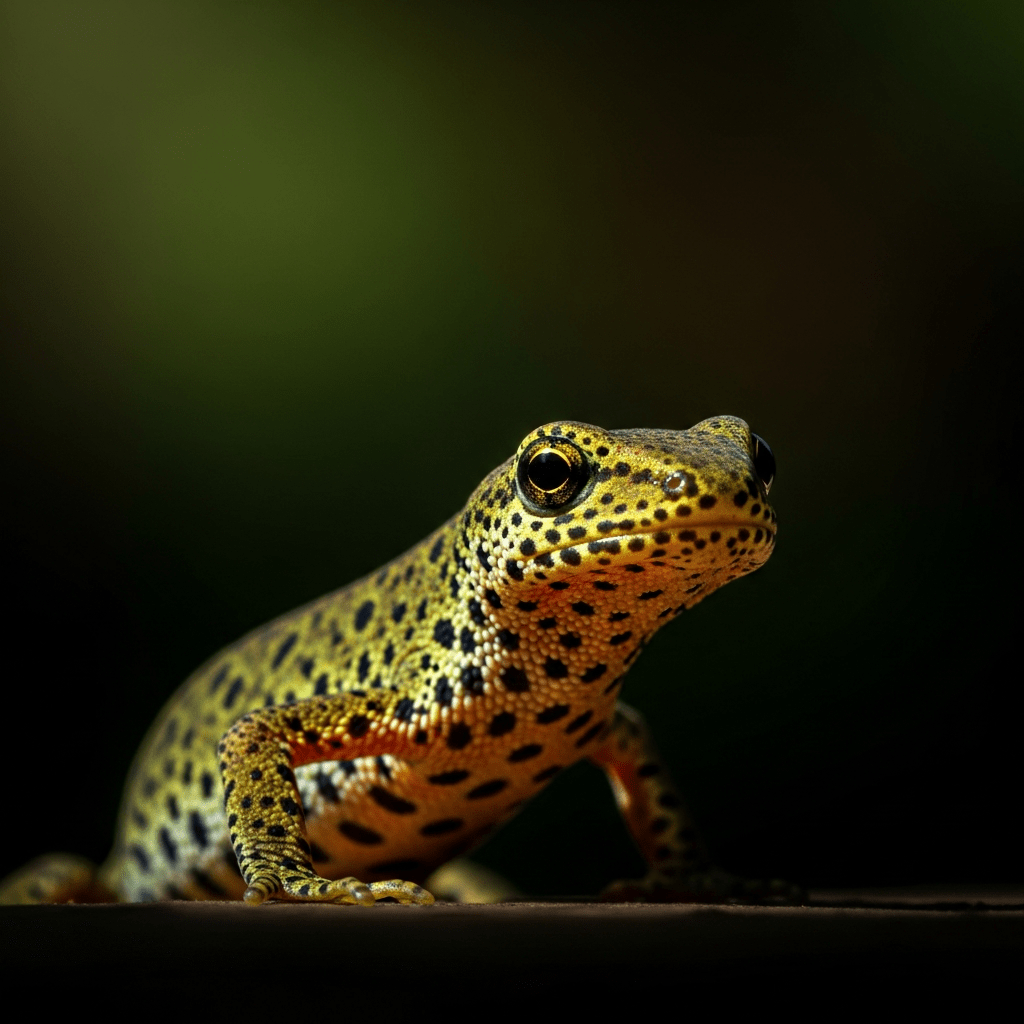
Smooth Newt
The Smooth Newt (Lissotriton vulgaris) is a common, semi-aquatic amphibian native to Europe and western Asia, recognized for its adaptability and striking breeding coloration.
The Smooth Newt (Lissotriton vulgaris) is a common, semi-aquatic amphibian native to Europe and western Asia, recognized for its adaptability and striking breeding coloration.
First described by Carl Linnaeus in 1758, the Smooth Newt originated across temperate regions of Europe and parts of western Asia. Its evolutionary roots lie within the family Salamandridae, order Caudata, and it has thrived in diverse landscapes for centuries, adapting to both aquatic and terrestrial environments.
The Smooth Newt belongs to the class Amphibia, order Caudata (also known as Urodela), and family Salamandridae. Its scientific name is Lissotriton vulgaris. As a newt, it shares its lineage with other salamanders, distinguished by a dual life cycle and permeable skin. Several subspecies exist, reflecting minor regional differences in morphology and distribution.
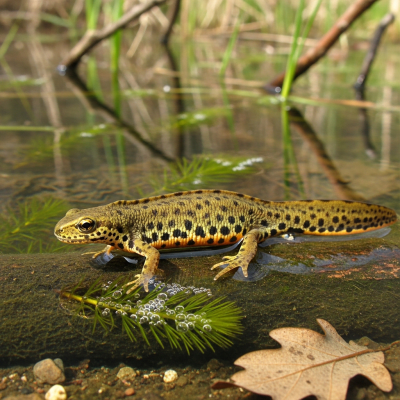
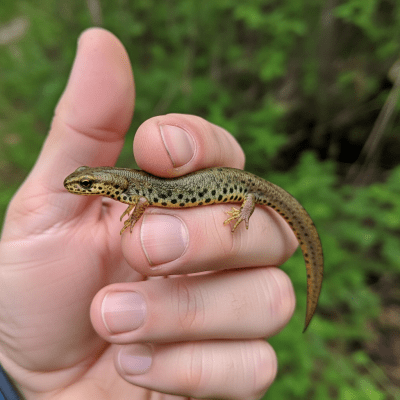
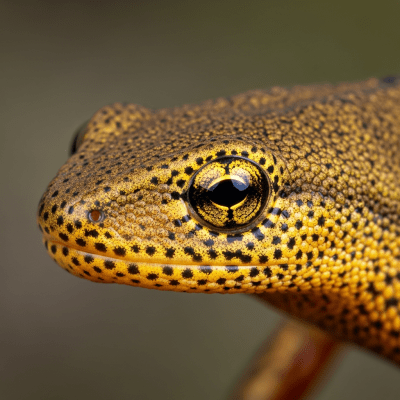
Adult Smooth Newts measure 7–11 cm in length, featuring slender bodies, smooth skin, and elongated tails. During the breeding season, males display a continuous wavy crest along their back and tail, and their undersides turn vivid orange with black spots. Females are more subdued in color and lack the crest, making sexual dimorphism especially apparent in spring. Their tactile skin feels soft and moist, a hallmark of amphibians.
Smooth Newts are semi-aquatic, spending the breeding season in ponds, ditches, and slow-moving water, then retreating to terrestrial habitats under cover for the rest of the year. They are agile hunters of small invertebrates and play an active role in controlling aquatic insect populations. Although not used commercially or culinarily, they are occasionally kept for research or educational purposes, offering insight into amphibian biology and ecology.
Bring this kind into your world illustrated posters, mugs, and shirts.
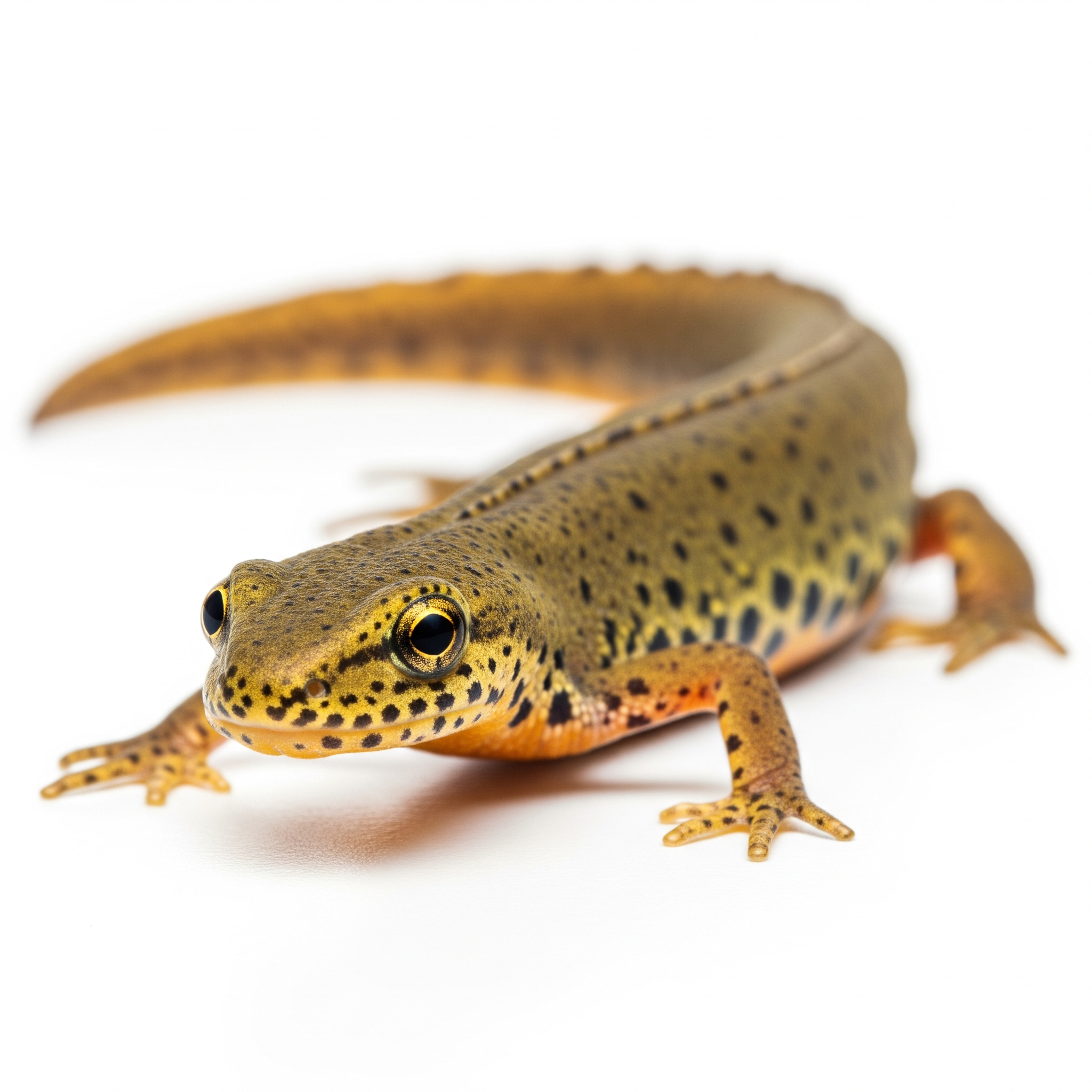
Archival print, museum-grade paper
Buy Poster
Stoneware mug, dishwasher safe
Buy Mug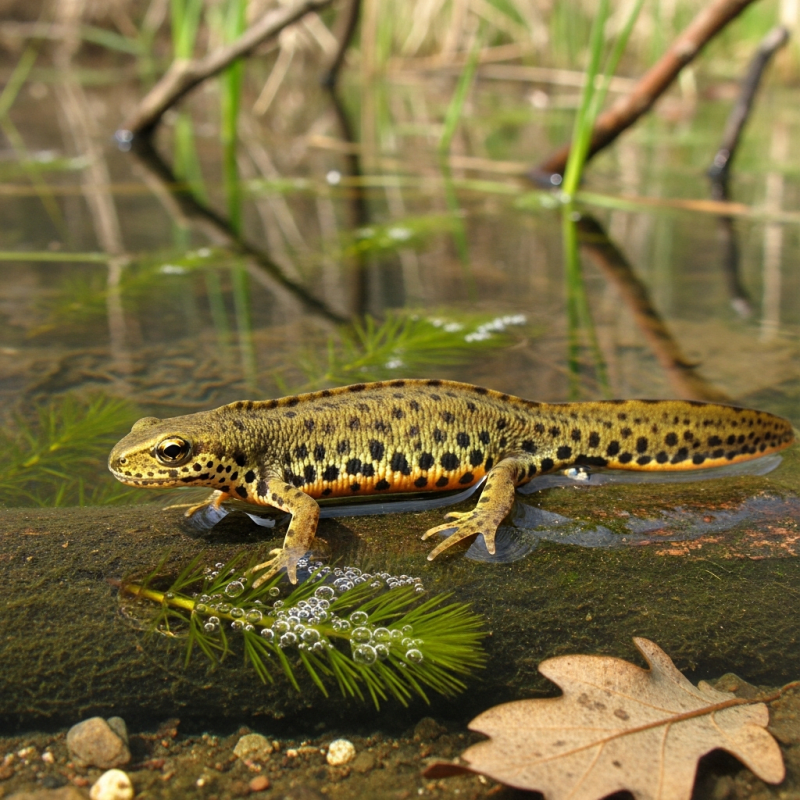
Soft cotton tee, unisex sizes
Buy ShirtWhile the Smooth Newt is not a prominent figure in global folklore, it is often referenced in European natural history and local tales as the "Common Newt." Its presence in ponds and gardens has made it a familiar sight in rural culture, sometimes inspiring children’s stories and local conservation efforts. In modern times, it serves as a symbol of healthy aquatic habitats and is featured in educational materials about amphibian life cycles.
Smooth Newts are native to Europe and western Asia, occupying a vast range from the British Isles to Russia. They breed in ponds, ditches, and slow-moving freshwater habitats, but spend much of the year on land under logs, stones, or leaf litter. Their adaptability allows them to thrive in both rural and urban environments, provided clean water is available for breeding.
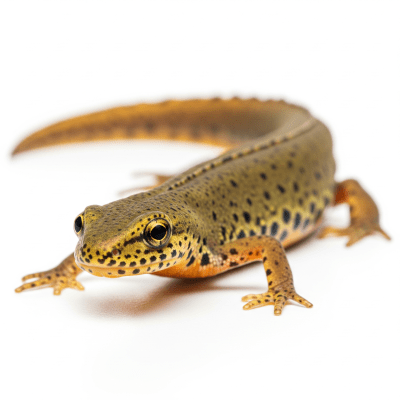
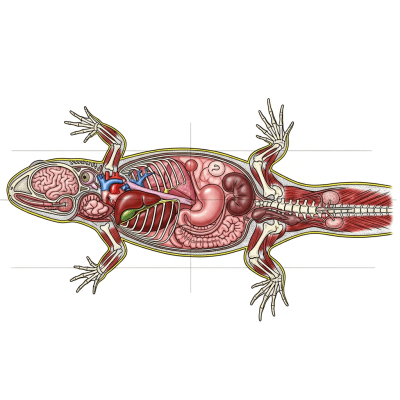
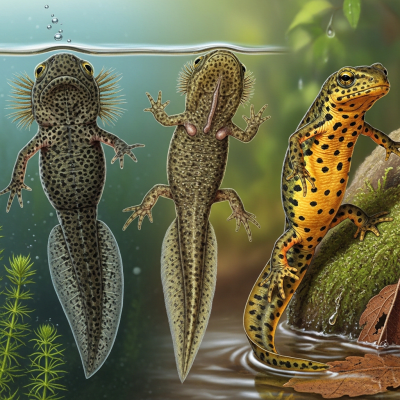
The life cycle of the Smooth Newt begins with aquatic eggs laid in spring, which hatch into larvae. These larvae develop in water, feeding and growing until they undergo metamorphosis into terrestrial juveniles (efts). Adults return to water each breeding season, with males displaying vivid colors and crests to attract females. After breeding, newts spend the remainder of the year on land, sheltering from predators and harsh weather.
Smooth Newts are predatory, feeding on small invertebrates such as aquatic insects, larvae, worms, and crustaceans. They hunt actively in water during the breeding season, using quick movements and their sticky tongues to capture prey. On land, they may consume terrestrial invertebrates, helping to regulate local populations.
As both predator and prey, the Smooth Newt is integral to its ecosystem. It helps control populations of aquatic insects and other invertebrates, while serving as a food source for birds, mammals, and fish. Its presence is an indicator of healthy freshwater habitats, and its sensitivity to pollution makes it a valuable bioindicator for environmental monitoring.
The Smooth Newt is currently widespread and not considered endangered. However, local populations can be threatened by habitat loss, water pollution, and disease. Conservation efforts focus on maintaining clean water bodies and natural cover, ensuring suitable breeding and sheltering sites remain available.
While moderately tolerant of habitat disturbance, Smooth Newts are vulnerable to water pollution, loss of breeding sites, and diseases such as chytrid fungus. Their resilience allows them to persist in disturbed areas, but they require clean, unpolluted water to breed successfully. Predation by birds, mammals, and fish also poses risks, especially during larval and juvenile stages.
Smooth Newts are not harvested for food or trade, but they are sometimes kept in captivity for scientific research or educational display. Their role in environmental education is significant, helping people understand amphibian life cycles and the importance of clean water habitats. Gardeners and naturalists often value their presence as a sign of healthy ponds.
The Smooth Newt is not considered invasive in its native range and has not been widely reported as an invasive species elsewhere. There are no major regulatory controls concerning its spread, but care should be taken to avoid accidental introductions outside its natural distribution.