Common Frog
The Common Frog (Rana temporaria) is a widespread amphibian native to Europe and western Asia, known for its adaptability and distinctive life cycle transitioning from aquatic larvae to terrestrial adult.
The Common Frog (Rana temporaria) is a widespread amphibian native to Europe and western Asia, known for its adaptability and distinctive life cycle transitioning from aquatic larvae to terrestrial adult.
The Common Frog was first formally described by Carl Linnaeus in 1758. It naturally inhabits a broad range across Europe and parts of western Asia, evolving within the family Ranidae, commonly called the "true frogs."
Belonging to the class Amphibia, the Common Frog is classified in the order Anura, family Ranidae, genus Rana, and species temporaria. This places it among the true frogs, a well-established group characterized by their jumping abilities and aquatic affinities.
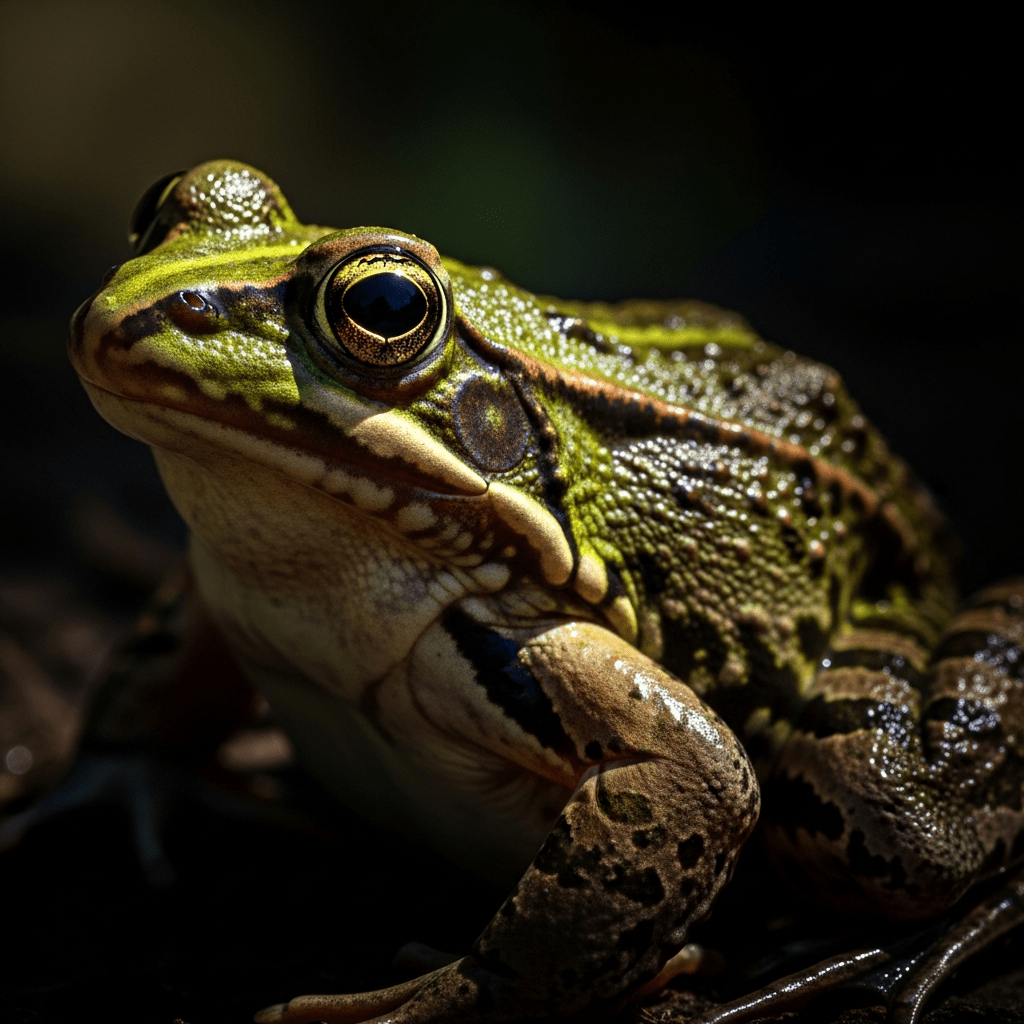
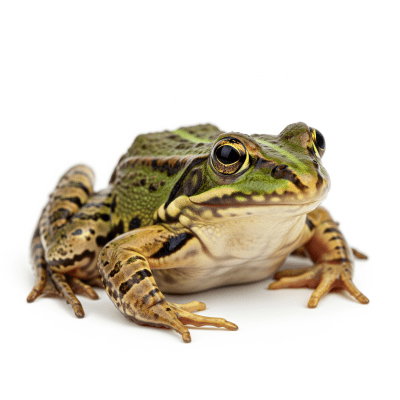
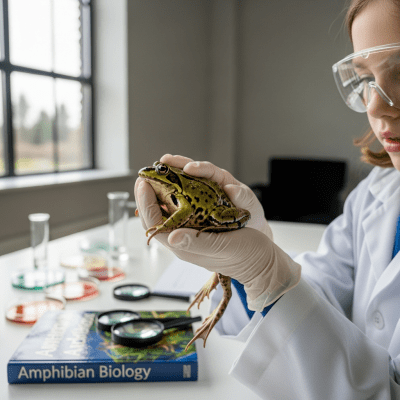
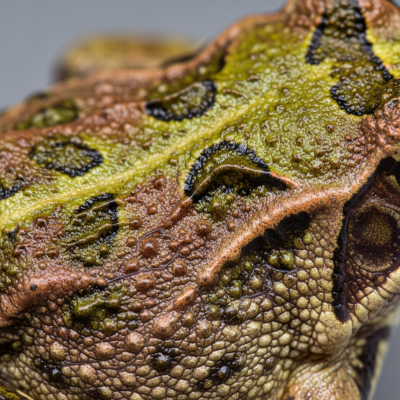
Adult Common Frogs measure between 6 and 9 centimeters, with females typically larger than males. Their smooth skin varies widely in color, ranging from olive green, brown, grey, yellow, to red, often marked with dark blotches or spots. They have long, powerful hind legs designed for jumping and webbed feet for swimming, complemented by a rounded snout and horizontal pupils.
The Common Frog exhibits typical amphibian behavior, breeding in early spring with large congregations in ponds or slow-moving waters. It undergoes a complex metamorphosis from aquatic eggs and tadpoles to terrestrial adults. Its agility and swimming skills aid in both predator avoidance and hunting small invertebrates.
Bring this kind into your world illustrated posters, mugs, and shirts.
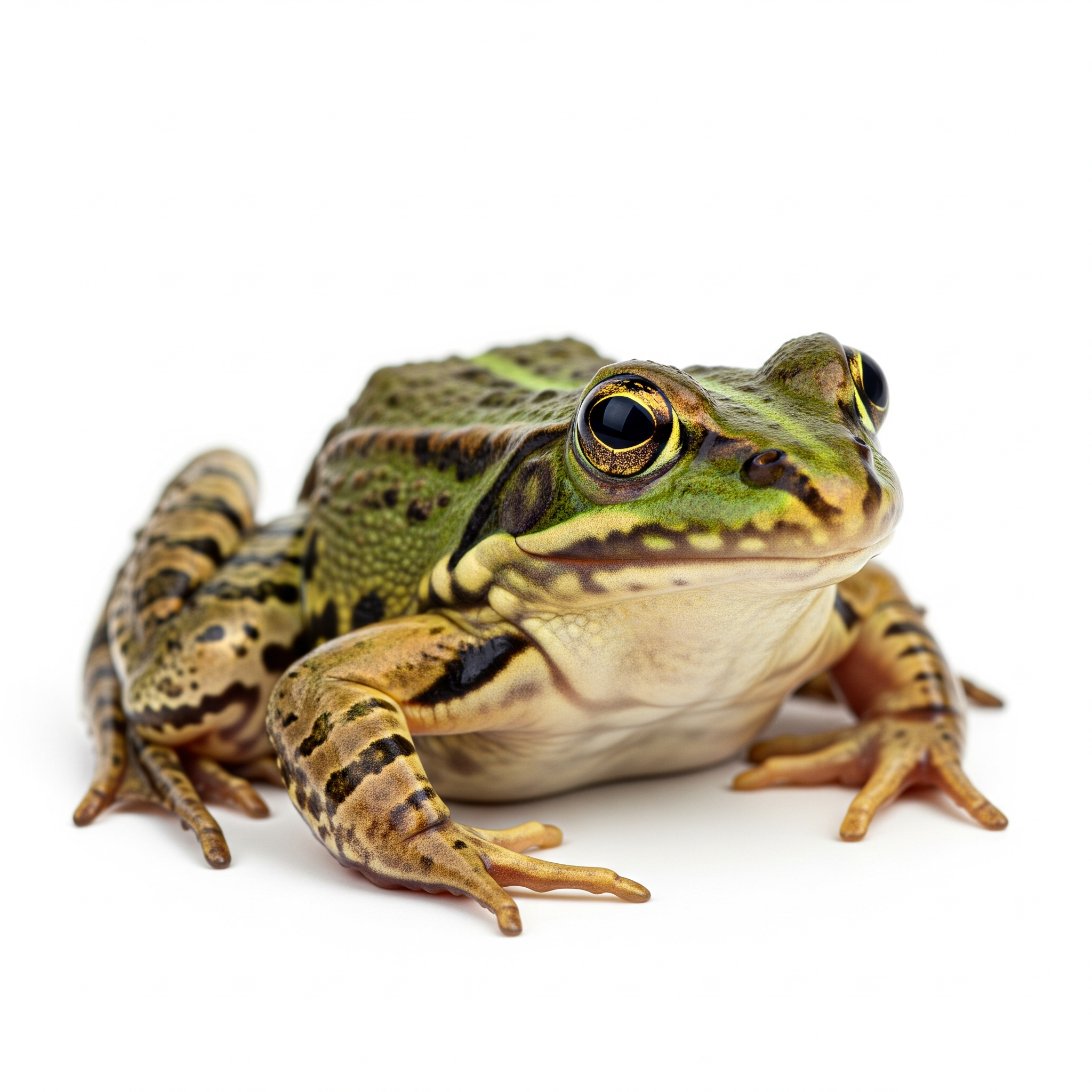
Archival print, museum-grade paper
Buy Poster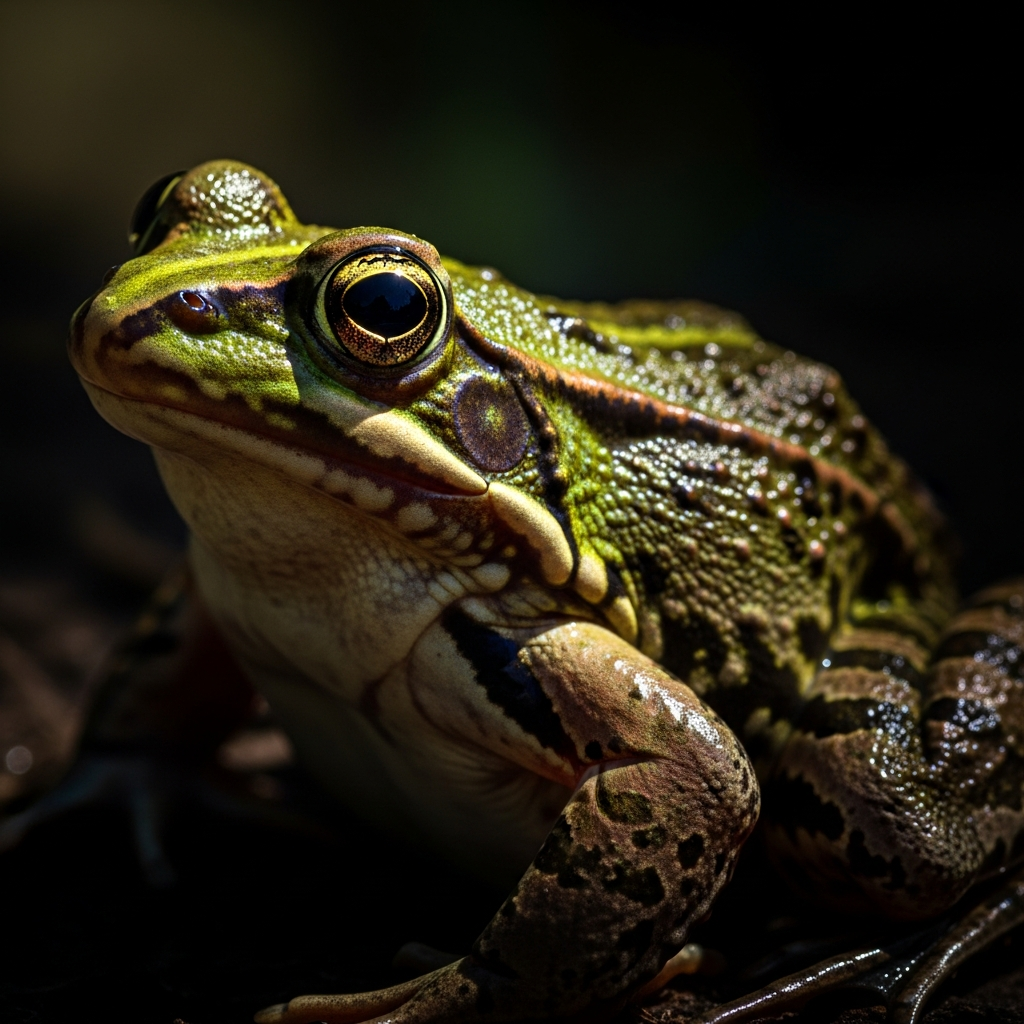
Stoneware mug, dishwasher safe
Buy Mug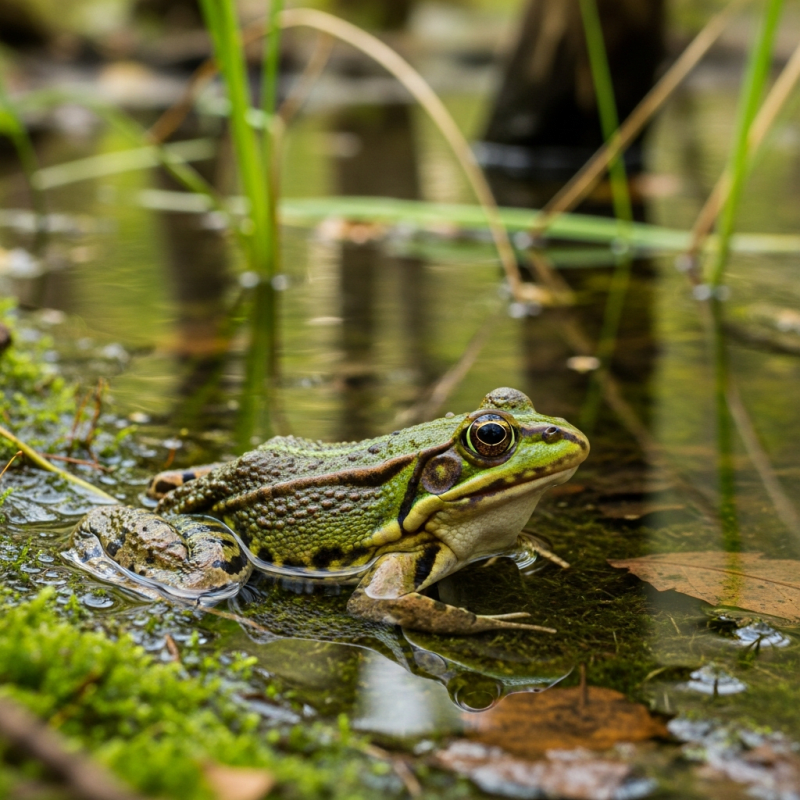
Soft cotton tee, unisex sizes
Buy ShirtThe Common Frog holds a familiar place in European folklore and natural history, often symbolizing transformation due to its metamorphic life cycle. While not a major figure in global culture, it serves as a common subject in educational materials and local stories, reflecting the close relationship between humans and amphibian life in temperate regions.
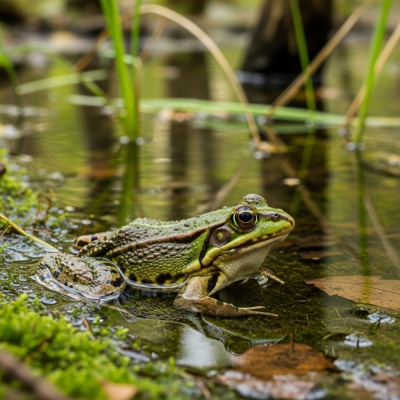
The Common Frog thrives in a wide range of habitats, from freshwater ponds and slow-moving streams to grasslands, woodlands, and even urban gardens. Its native distribution spans much of Europe and parts of western Asia, demonstrating notable adaptability to temperate climates.
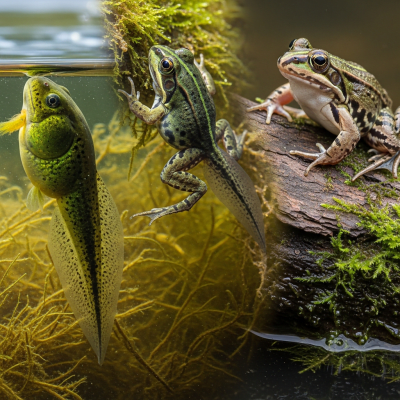
The Common Frog follows a classic amphibian life cycle, beginning with aquatic eggs laid in early spring. These hatch into tadpoles that live and feed in water before metamorphosing into terrestrial adults. Breeding often involves large gatherings in suitable water bodies, where males call to attract females.
As a carnivorous amphibian, the Common Frog feeds primarily on a variety of invertebrates, including insects, worms, and spiders. It captures prey using a quick, sticky tongue and relies on its keen eyesight to detect movement.
The Common Frog plays a vital role in freshwater and terrestrial ecosystems as both predator and prey. It helps control insect populations and serves as food for birds, mammals, and reptiles. Additionally, its sensitivity to environmental changes makes it a valuable bioindicator for ecosystem health.
Currently, the Common Frog is not considered endangered and maintains stable populations across much of its range. Conservation efforts focus on habitat protection and monitoring disease impacts, particularly from chytrid fungus.
While generally resilient in suitable habitats, the Common Frog faces threats from habitat destruction, pollution, and the spread of chytrid fungus. Its adaptability helps it persist in diverse environments, but ongoing environmental pressures require continued conservation attention.
Humans interact with the Common Frog primarily through scientific study and environmental education. It is occasionally harvested locally for bait or minor consumption, but its main value lies in its ecological role and as a model organism in biological research.
The Common Frog is not known to be invasive outside its native range and is generally not subject to invasive species regulations.