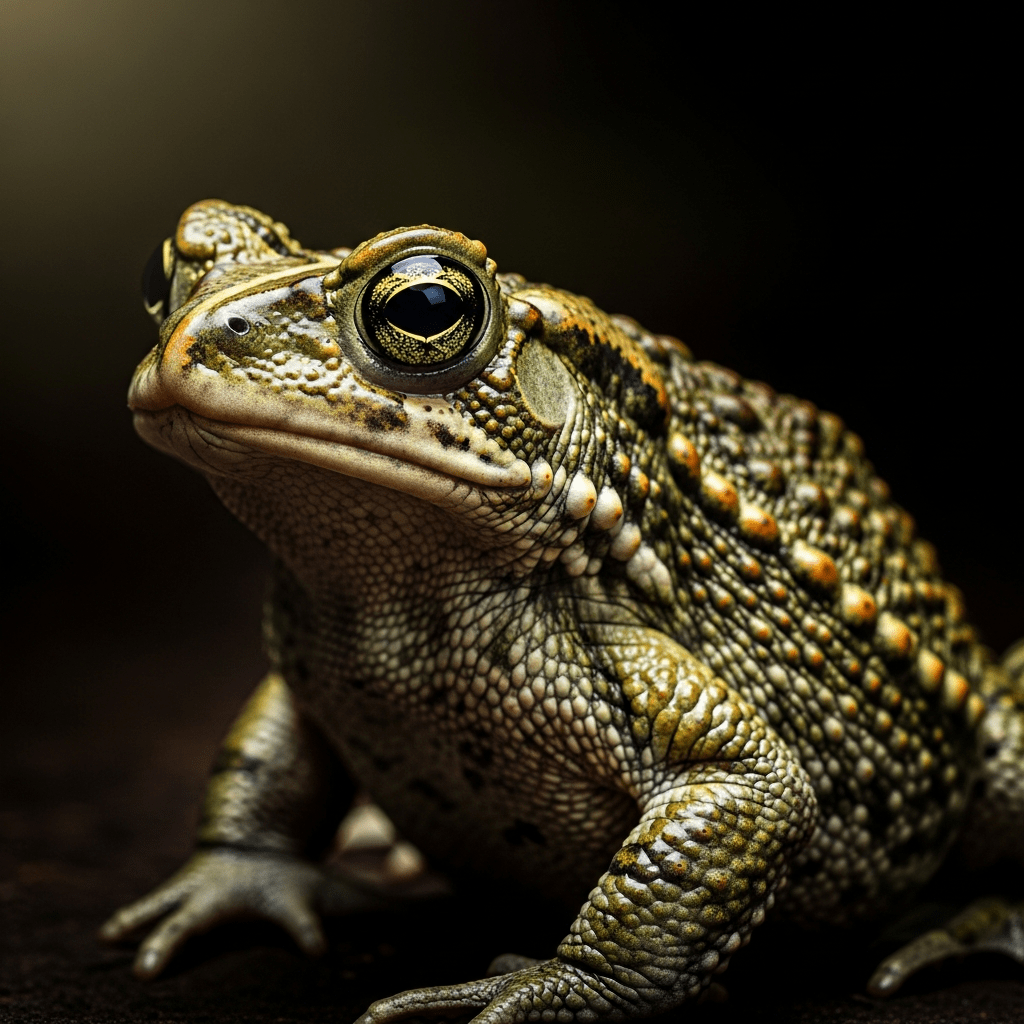
Common Spadefoot Toad
The Common Spadefoot Toad (Pelobates fuscus) is a burrowing amphibian native to Europe, instantly recognized by its spade-like hind feet and secretive underground lifestyle.
The Common Spadefoot Toad (Pelobates fuscus) is a burrowing amphibian native to Europe, instantly recognized by its spade-like hind feet and secretive underground lifestyle.
First described by Laurenti in 1768, the Common Spadefoot Toad traces its origins to the sandy soils and grasslands of Europe and western Asia. Its evolutionary lineage belongs to the family Pelobatidae, a group of spadefoot toads adapted for life beneath the surface. The species emerged in scientific literature during the 18th century, but its natural history stretches back through countless generations thriving in undisturbed habitats shaped by seasonal rains.
Belonging to the class Amphibia and order Anura, the Common Spadefoot Toad is part of the family Pelobatidae. Its scientific name is Pelobates fuscus. This family is distinguished by specialized burrowing adaptations, setting it apart from other anurans like true frogs and toads. The species is grouped with other European spadefoots, sharing evolutionary traits suited for subterranean life and rapid breeding cycles.
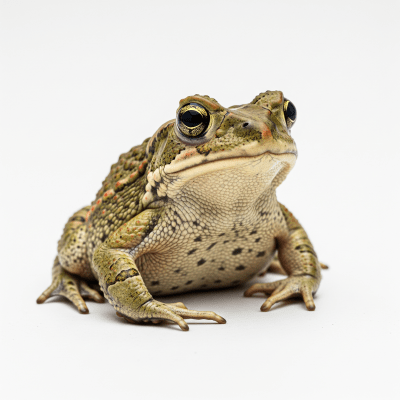
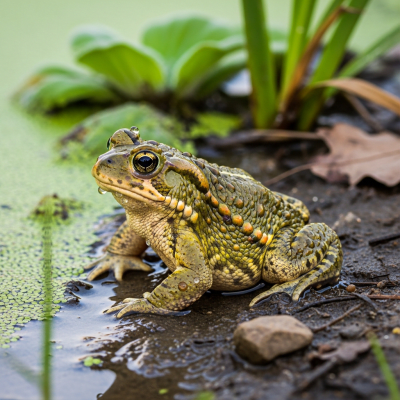
This medium-sized toad measures 6–8 cm in length, with a robust, rounded body and smooth skin. Its most distinctive feature is the black, keratinous spade on each hind foot, perfectly designed for digging into sandy or loose soils. Coloration ranges from grayish-brown to olive, often mottled with darker spots. The eyes are striking, set high on the head with vertical pupils, lending an alert and somewhat mysterious expression. Overall, its form is both practical and subtly beautiful, shaped by a life spent mostly underground.
The Common Spadefoot Toad leads a largely subterranean existence, spending much of its time hidden beneath the surface to escape predators and drought. It emerges explosively during rainy periods to breed in temporary water bodies, with rapid larval development ensuring survival in ephemeral habitats. Its burrowing behavior not only aids its own survival but also contributes to soil aeration. Unlike some amphibians, it has no significant culinary or commercial use, but is occasionally referenced in folklore and educational settings.
Bring this kind into your world illustrated posters, mugs, and shirts.
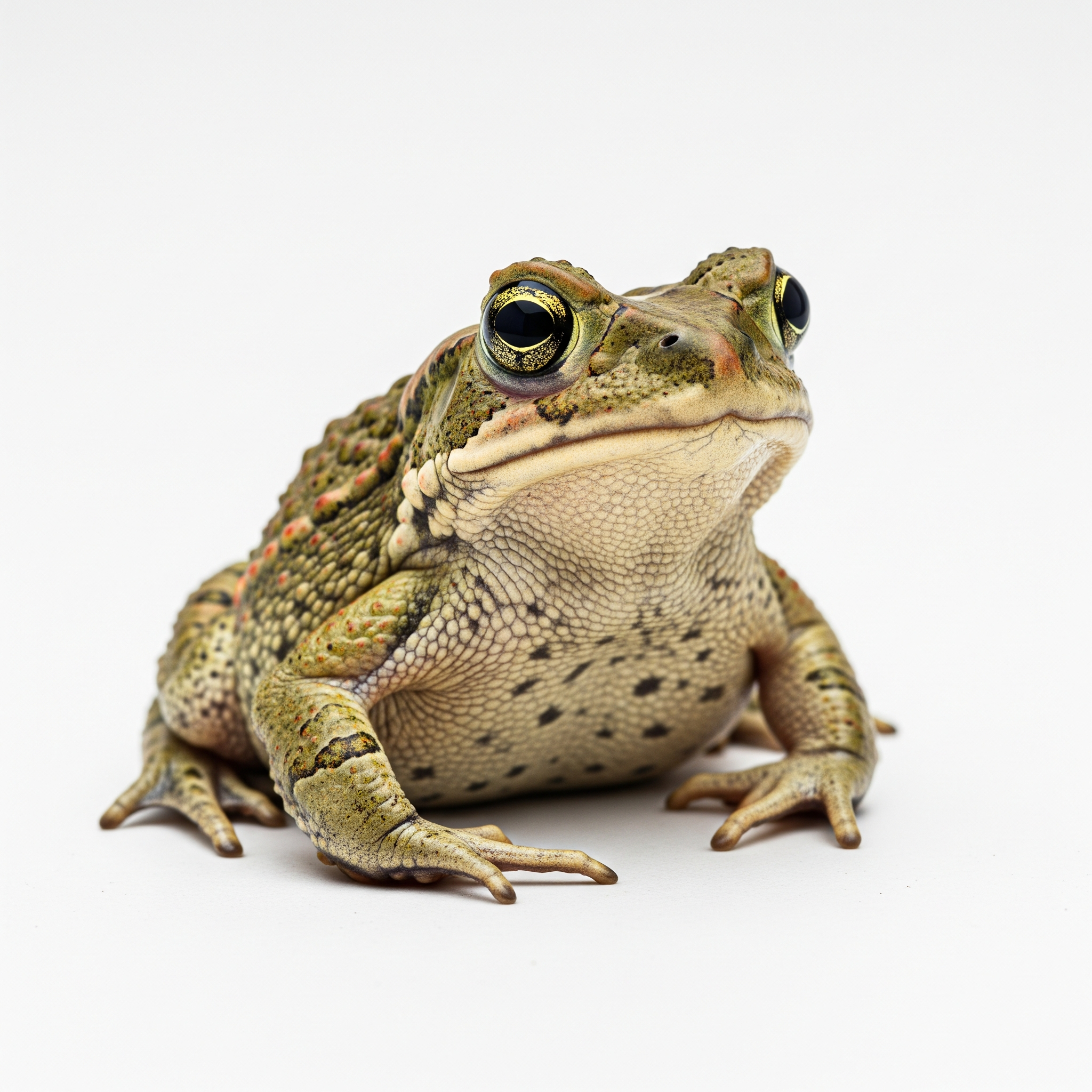
Archival print, museum-grade paper
Buy Poster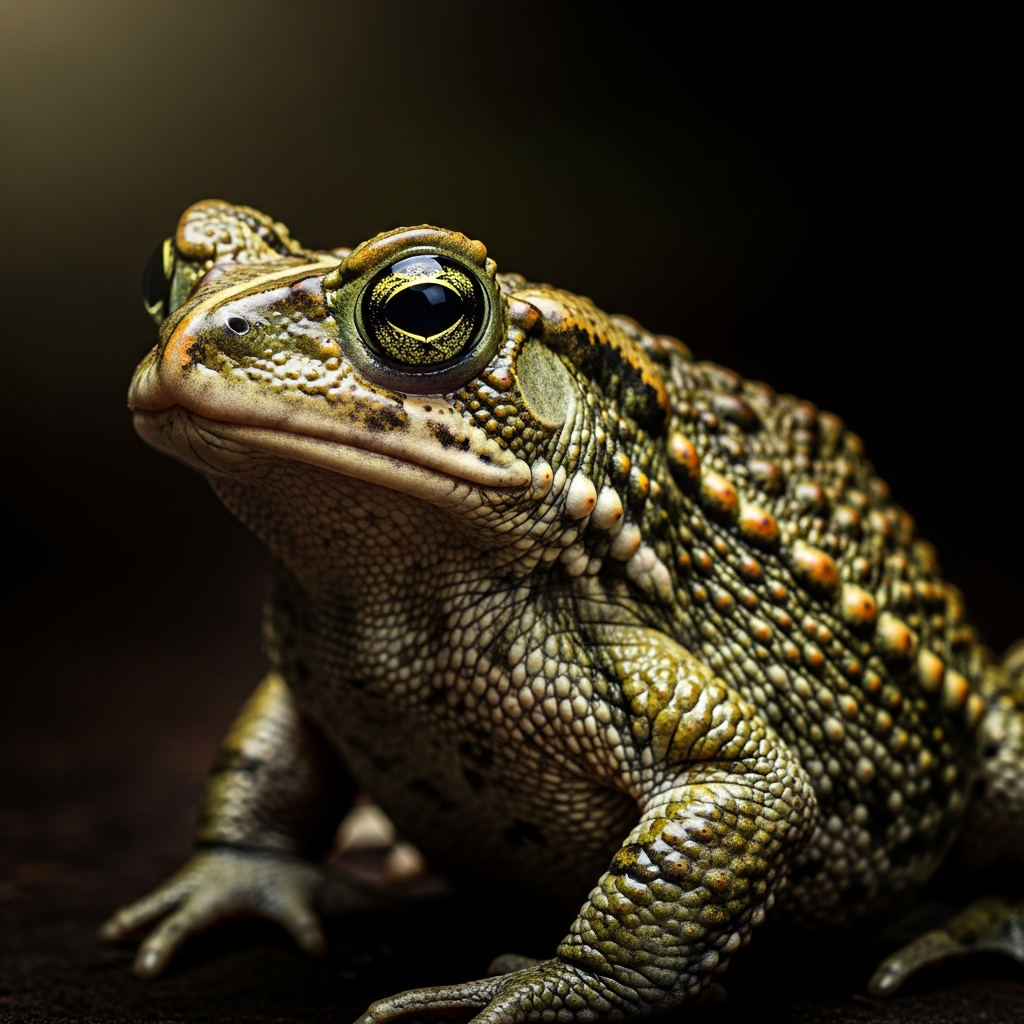
Stoneware mug, dishwasher safe
Buy Mug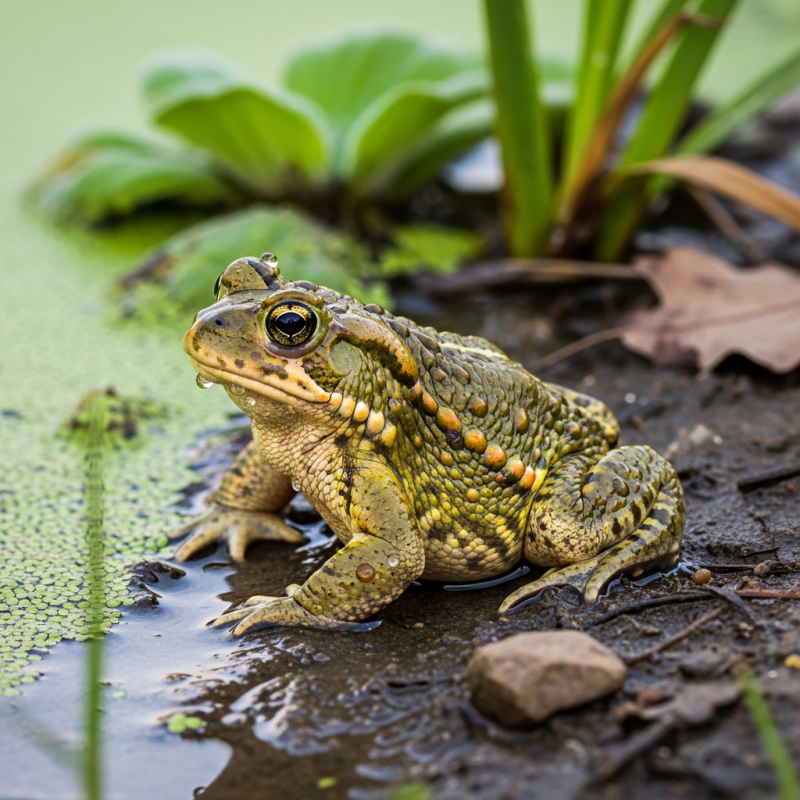
Soft cotton tee, unisex sizes
Buy ShirtWhile not a major figure in art or mythology, the Common Spadefoot Toad is woven into local folklore across its range. Its sudden appearance after rains and mysterious underground habits have inspired stories and superstitions, often symbolizing renewal or hidden life. In educational contexts, it serves as a living example of adaptation and ecological balance, highlighting the importance of preserving undisturbed habitats.
The Common Spadefoot Toad inhabits sandy or loose soils across Europe and western Asia, preferring undisturbed grasslands, open woodlands, and agricultural fields. It relies on temporary water bodies for breeding, emerging from underground only during rainy periods. Its distribution is patchy, often limited by the availability of suitable soil and water conditions, making it sensitive to changes in land use and habitat fragmentation.
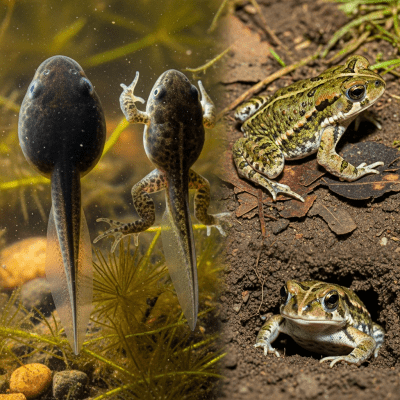
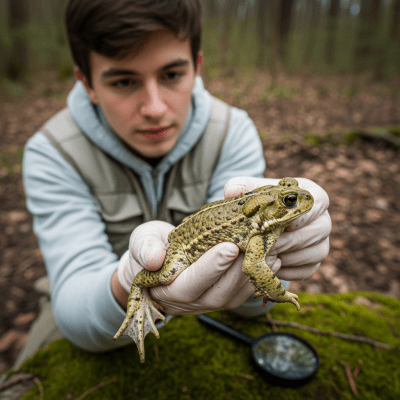
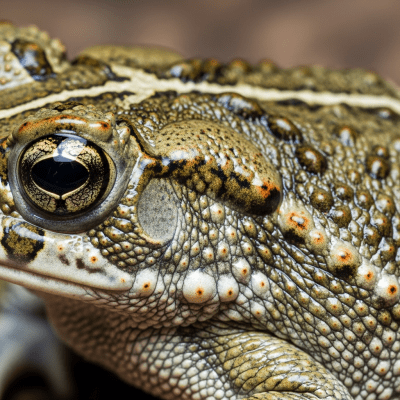
This species exhibits a rapid and opportunistic life cycle. Explosive breeding occurs after heavy rains, with adults congregating at temporary ponds to lay eggs. Larvae develop quickly, metamorphosing into toadlets before the water dries up. Outside the breeding season, adults remain underground, sometimes for months, to avoid drought and predation. This adaptation allows them to thrive in environments where water is unpredictable and short-lived.
While specific dietary details are limited, the Common Spadefoot Toad, like most anurans, likely feeds on a variety of small invertebrates such as insects, worms, and spiders. Its burrowing lifestyle may give it access to subterranean prey, and it forages primarily at night or during periods of surface activity following rain.
The Common Spadefoot Toad plays a vital role as an indicator species for healthy, undisturbed sandy habitats. Its burrowing helps aerate soil, benefiting plant growth and other soil-dwelling organisms. By preying on insects and other small invertebrates, it helps regulate local populations and maintain ecological balance. Its sensitivity to pollution and habitat loss makes it a valuable sentinel for environmental health.
The species is not currently considered globally threatened, but local populations are declining due to habitat loss, water pollution, and agricultural expansion. Conservation efforts focus on preserving undisturbed sandy habitats and maintaining the integrity of temporary breeding ponds. As an indicator species, its presence signals a healthy ecosystem, making its protection a priority for regional biodiversity.
Major threats to the Common Spadefoot Toad include habitat destruction, drainage of breeding ponds, and pollution. Despite these challenges, it demonstrates remarkable resilience by tolerating dry conditions and avoiding predators through its subterranean habits. However, its dependence on specific soil types and temporary water bodies makes it vulnerable to rapid environmental changes and land development.
Humans interact with the Common Spadefoot Toad primarily through conservation and education. It is not harvested for food, medicine, or the pet trade, but is occasionally featured in local folklore and as a subject in ecological studies. Its presence in an area is often used by scientists and conservationists to assess habitat quality and ecosystem health.
The Common Spadefoot Toad is not known to be invasive outside its native range, nor is it subject to regulatory control as an invasive species. Its specialized habitat requirements and limited dispersal ability restrict its spread, ensuring it remains a local ecological specialist rather than a global invader.