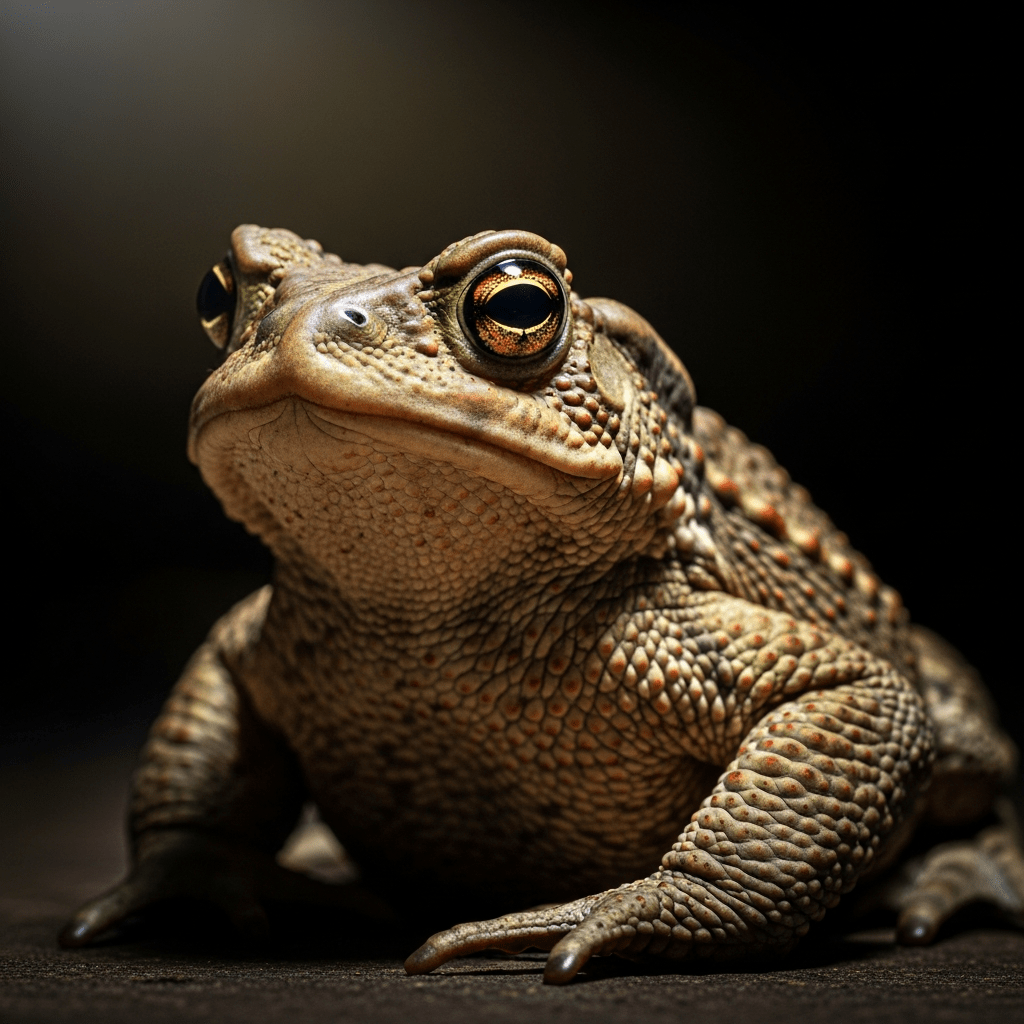
Common Toad
The Common Toad (Bufo bufo) is a robust, warty-skinned amphibian native to Europe and western Asia, renowned for its terrestrial lifestyle and vital ecological role in controlling invertebrate populations.
The Common Toad (Bufo bufo) is a robust, warty-skinned amphibian native to Europe and western Asia, renowned for its terrestrial lifestyle and vital ecological role in controlling invertebrate populations.
First formally described by Carl Linnaeus in 1758, the Common Toad has ancient roots across Europe and western Asia. It thrives in a wide range of natural habitats, with its lineage tracing back to the family Bufonidae within the order Anura. The species has evolved to adapt to temperate climates, emerging from hibernation each spring to breed in local ponds and streams—a cycle unchanged for centuries.
The Common Toad is classified within the class Amphibia, order Anura (frogs and toads), and family Bufonidae. Its scientific name is Bufo bufo Linnaeus, 1758. This places it among true toads, a group distinguished by their dry, warty skin and terrestrial habits. The species is a key representative of its family, helping define the broader characteristics of toads within amphibian taxonomy.
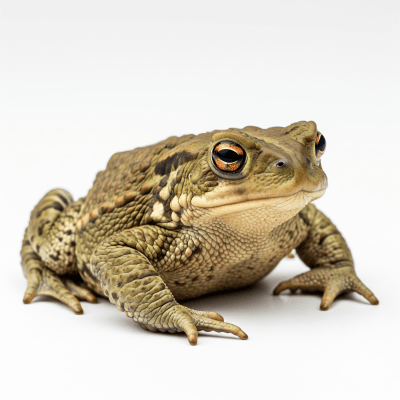
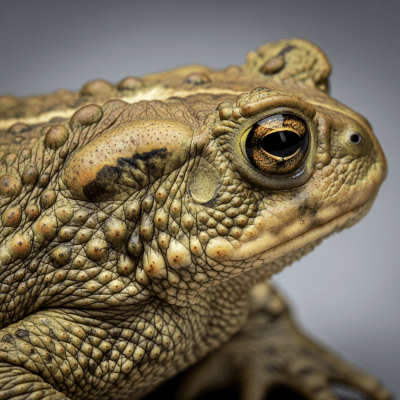
Adult Common Toads typically measure 6–13 cm in length, with females generally larger than males. Their bodies are stout and covered in dry, prominent warts, ranging in color from brown to olive with darker spots. The toad's eyes are striking—coppery or golden with horizontal pupils—lending an alert, almost ancient expression. The tactile skin and earthy hues provide camouflage among leaf litter and soil.
Primarily terrestrial, Common Toads spend much of their lives on land, venturing to water only for breeding. They emerge from hibernation in early spring, often migrating en masse to their natal ponds. Their nocturnal habits and slow, deliberate movements make them a familiar sight in gardens and woodlands. As predators, they help control insect and slug populations, contributing to the health of local ecosystems.
Bring this kind into your world illustrated posters, mugs, and shirts.
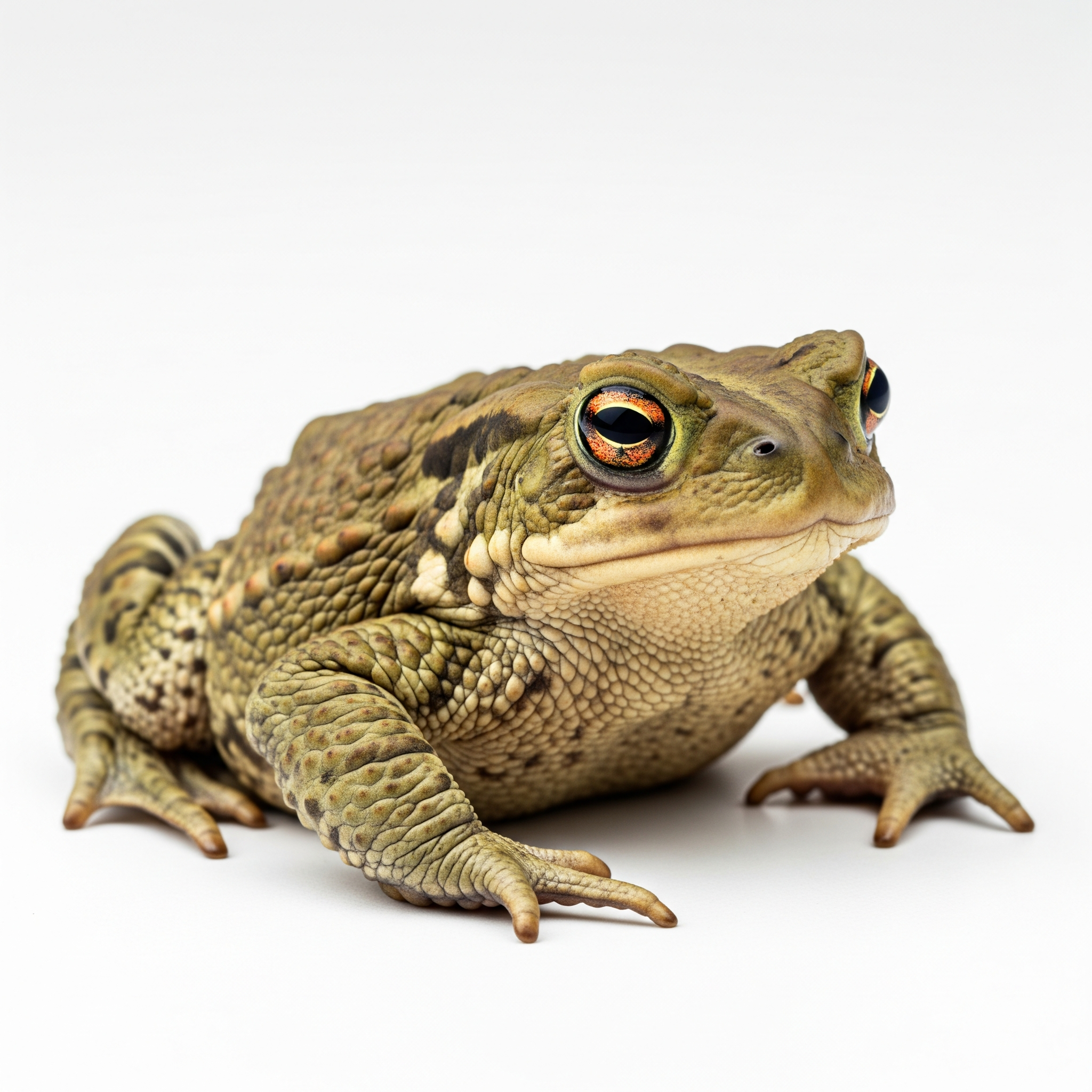
Archival print, museum-grade paper
Buy Poster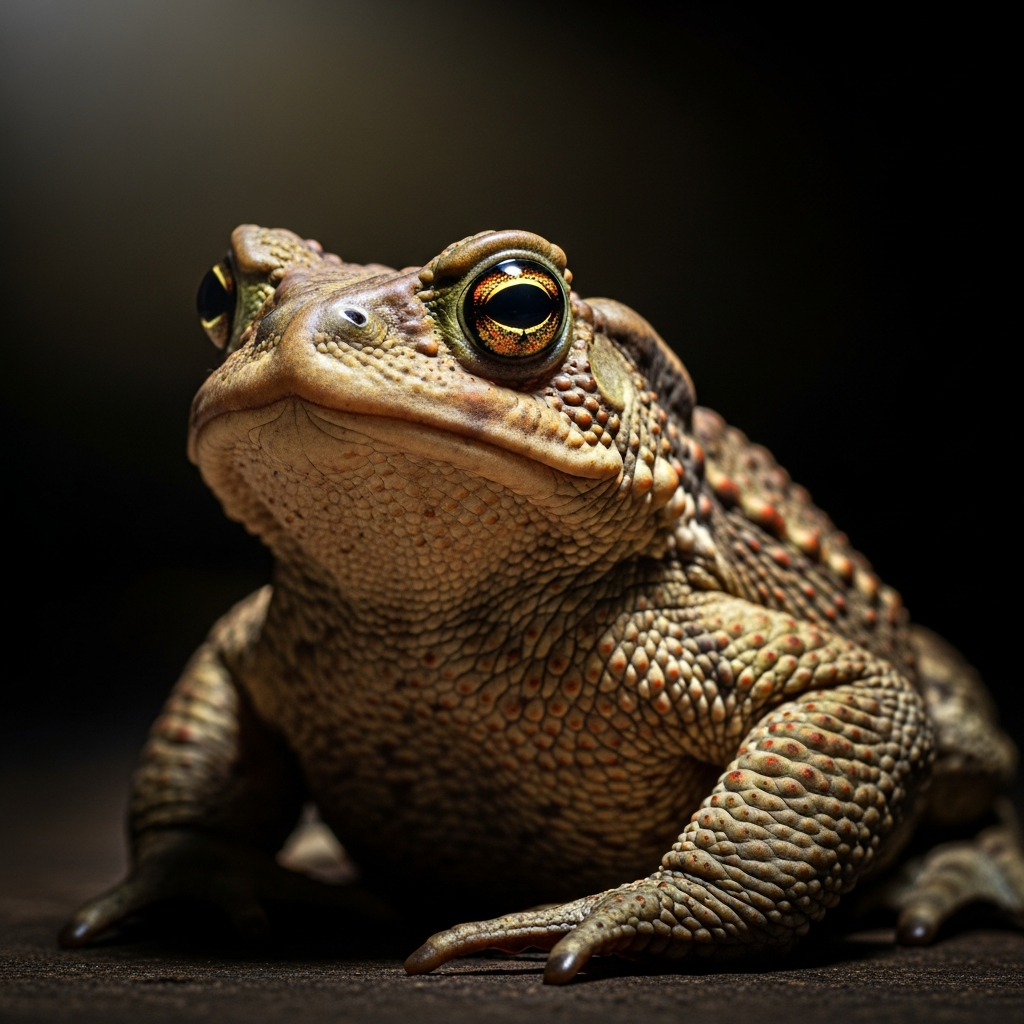
Stoneware mug, dishwasher safe
Buy Mug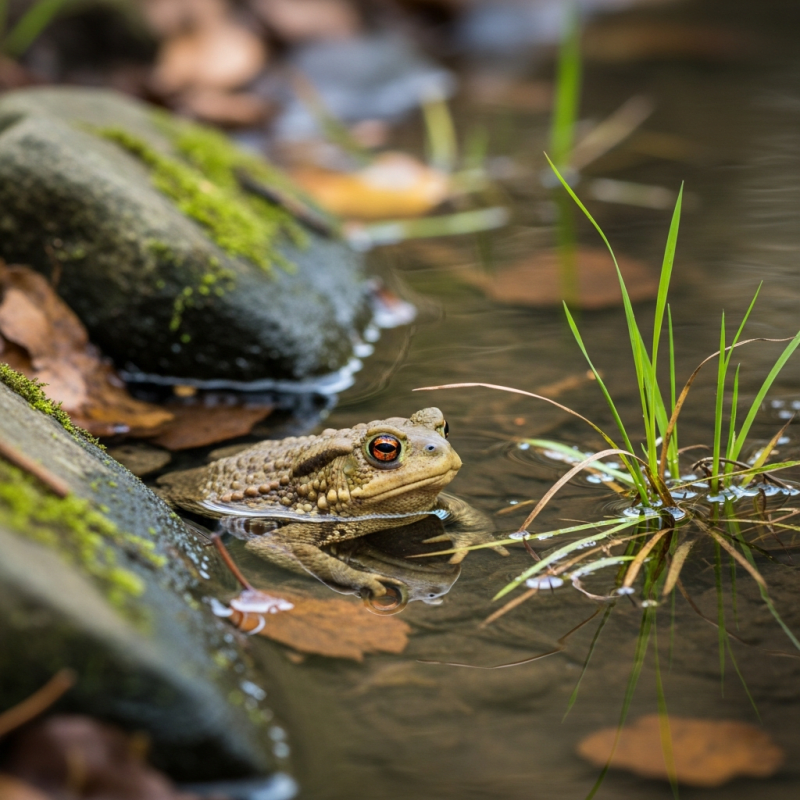
Soft cotton tee, unisex sizes
Buy ShirtThe Common Toad has long held a place in European folklore, literature, and myth. Often associated with transformation and magic, it appears in fairy tales and legends as a symbol of wisdom or luck. Its distinctive appearance and secretive habits have inspired countless stories, and it remains a subject of fascination in natural history and educational programs.
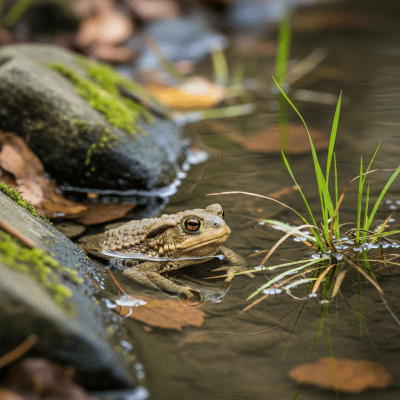
The Common Toad is native to most of Europe and western Asia. It favors terrestrial environments such as woodlands, meadows, gardens, and farmland, but returns to ponds, lakes, and slow-moving streams for breeding. Sheltered terrestrial locations are chosen for hibernation, allowing the species to survive cold winters and thrive in temperate regions.

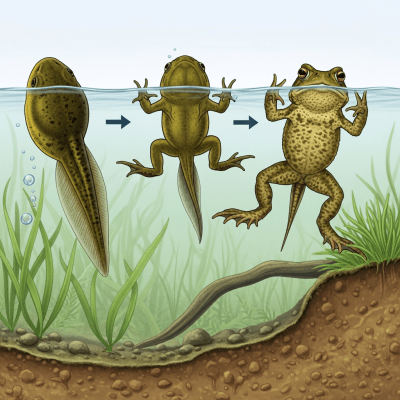

Each spring, Common Toads emerge from hibernation and migrate to water bodies to breed. Females lay long strings of eggs in ponds or slow-moving streams. The aquatic larvae, or tadpoles, develop over several weeks before undergoing metamorphosis into terrestrial juveniles. This dual life cycle—aquatic as larvae, terrestrial as adults—is a hallmark of amphibians.
Common Toads are predatory, feeding primarily on invertebrates such as insects, worms, and slugs. They hunt at night, using their sticky tongues to catch prey. Their diet helps regulate populations of garden pests, making them valuable allies in natural pest control.
As both predator and prey, the Common Toad occupies a crucial niche in its ecosystem. It helps control populations of invertebrates and serves as a food source for birds, mammals, and reptiles. Its presence is an indicator of healthy habitats, and it is often studied in conservation and ecological research programs.
While the Common Toad remains widespread and relatively abundant, it faces threats from habitat loss, pollution, and road mortality during seasonal migrations. Conservation measures include habitat protection, creation of 'toad crossings,' and public awareness campaigns to safeguard populations.
Common Toads are resilient thanks to their toxic skin secretions, which deter most predators. However, they are highly sensitive to environmental changes such as habitat destruction, water pollution, and road traffic during migration. Their ability to hibernate and adapt to various terrestrial habitats helps buffer some threats, but ongoing conservation is needed to ensure their survival.
Humans interact with Common Toads mainly through conservation, research, and education. They are not used in cuisine due to their toxicity, but their ecological role and presence in folklore make them culturally significant. Scientific studies often focus on their life cycle, environmental sensitivity, and population trends, highlighting their importance in biodiversity monitoring.
The Common Toad is not considered invasive in its native range and is not subject to specific regulatory controls outside regions where it naturally occurs.