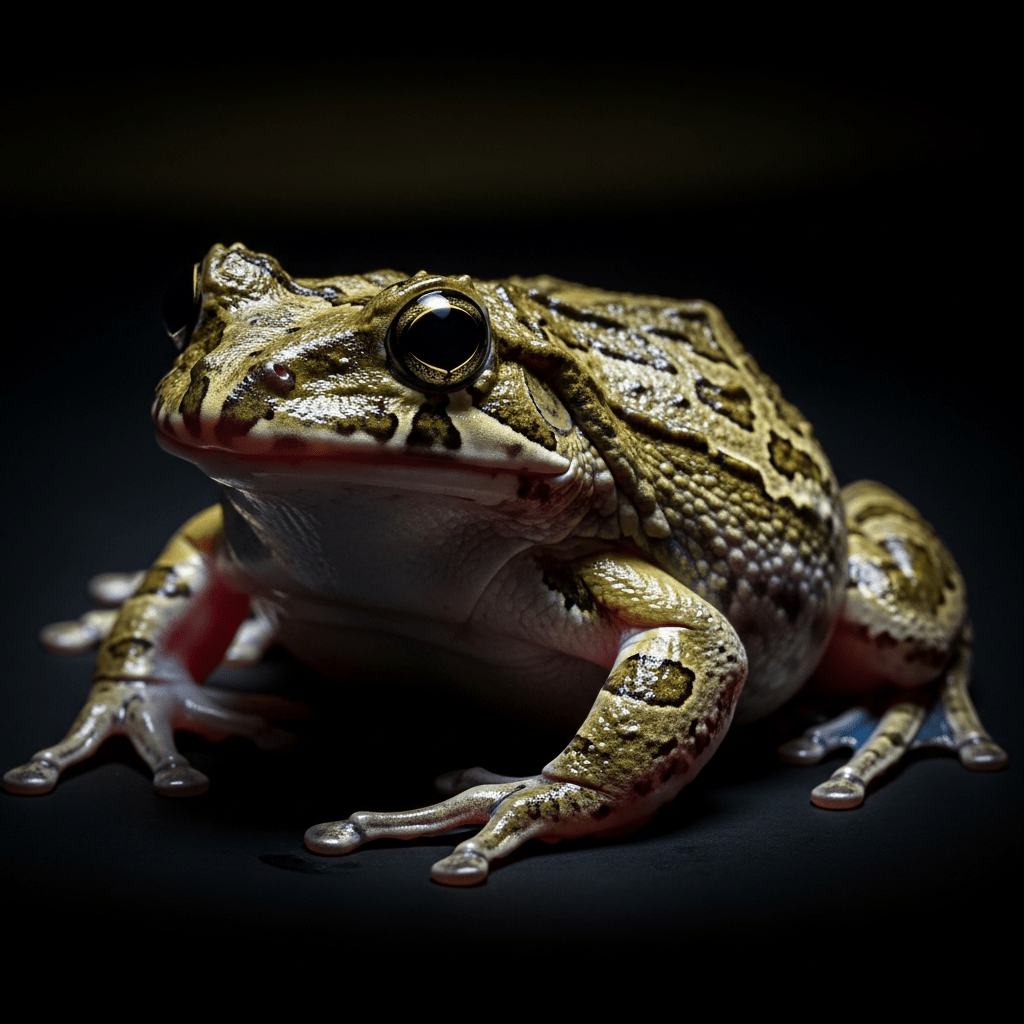
African Clawed Frog
The African Clawed Frog (Xenopus laevis) is a fully aquatic amphibian renowned for its distinctive clawed hind feet and its pivotal role in scientific research worldwide.
The African Clawed Frog (Xenopus laevis) is a fully aquatic amphibian renowned for its distinctive clawed hind feet and its pivotal role in scientific research worldwide.
Native to sub-Saharan Africa, the African Clawed Frog was first described by François Marie Daudin in 1802. Its natural habitats span a variety of freshwater environments, from ponds and lakes to slow-moving rivers. The species has been maintained in laboratory colonies since the early 20th century, but its origin remains firmly rooted in the wild landscapes of southern Africa.
Classified within the family Pipidae and order Anura, the African Clawed Frog belongs to a group of tongueless, fully aquatic frogs. Its scientific name is Xenopus laevis Daudin, 1802. As a member of the class Amphibia, it shares evolutionary ties with other frogs, toads, salamanders, and caecilians, but stands out for its unique morphology and aquatic lifestyle.
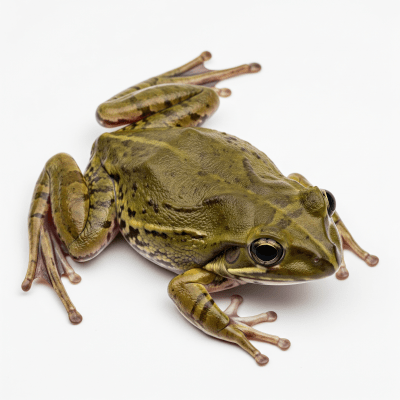
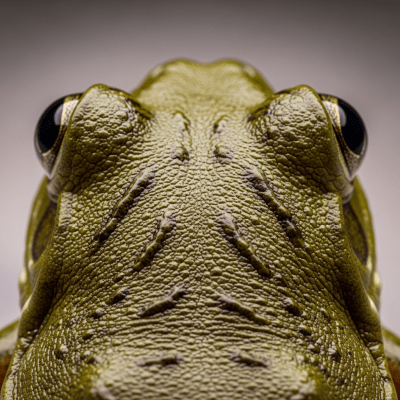
The African Clawed Frog features a flattened, streamlined body with a broad head and lacks both a tongue and teeth. Its dorsal surface displays mottled shades of olive to brownish-grey, while the underside is pale white. Most distinctive are the three short, black claws on each hind foot, which it uses for digging and grasping. The skin is smooth and slippery, and a lateral line system helps detect movement in water. Females are noticeably larger than males, reaching up to 12 cm in length.
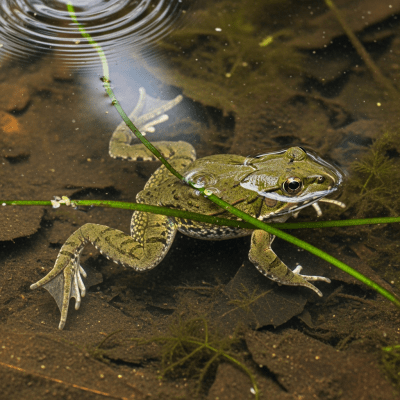
Entirely aquatic, the African Clawed Frog rarely ventures onto land and thrives in both clean and polluted waters. It is highly adaptable, capable of surviving in stagnant environments. In the wild, it is a stealthy predator, feeding on small aquatic animals and organic debris. In laboratories, its robust physiology and ease of breeding have made it a cornerstone of developmental biology and toxicology research.
Bring this kind into your world illustrated posters, mugs, and shirts.
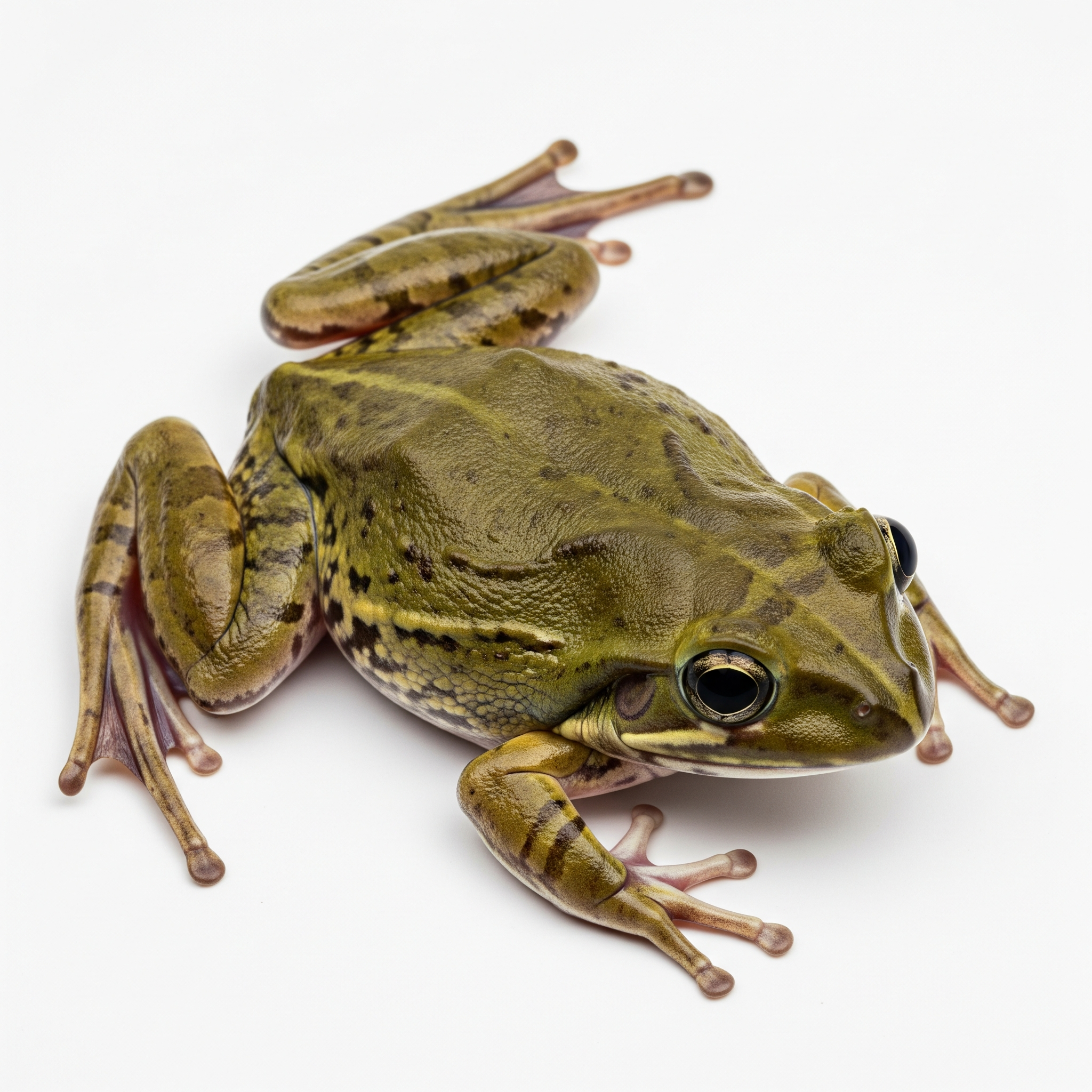
Archival print, museum-grade paper
Buy Poster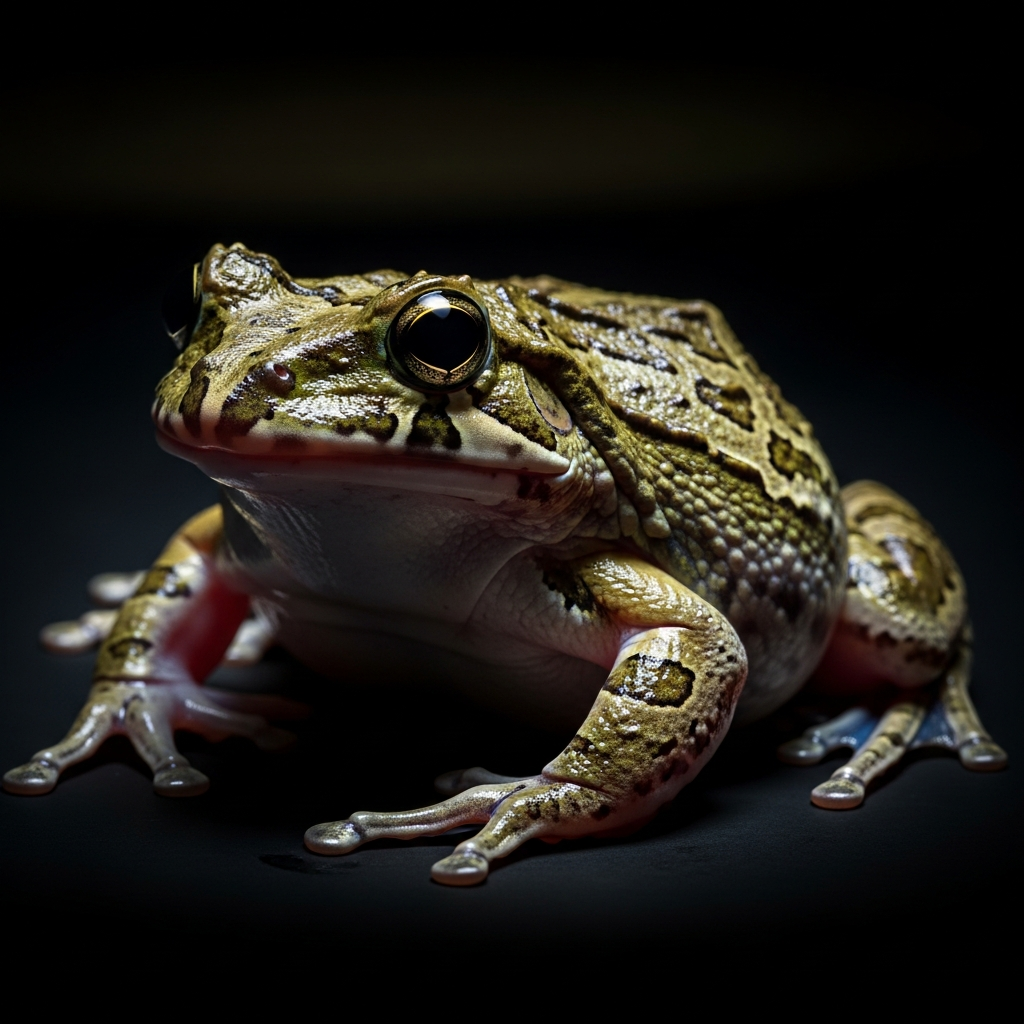
Stoneware mug, dishwasher safe
Buy Mug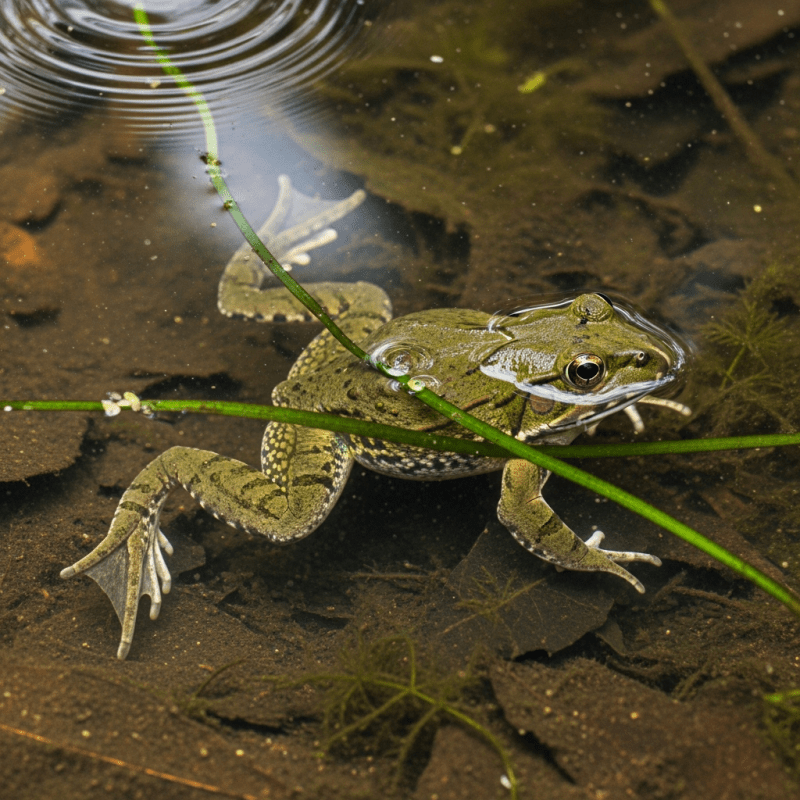
Soft cotton tee, unisex sizes
Buy ShirtWhile not prominent in folklore or art, the African Clawed Frog holds a unique place in modern culture due to its scientific legacy. From the 1930s to the 1960s, it was famously used in the Hogben pregnancy test, a breakthrough in medical diagnostics. Its status as a model organism has made it a symbol of biological discovery and innovation.
Originally found throughout sub-Saharan Africa, the African Clawed Frog inhabits a wide range of freshwater environments, including ponds, lakes, and slow-moving rivers. Its adaptability has enabled it to survive in stagnant and even polluted waters. Due to laboratory releases, it is now present in North America, Europe, and Asia, where it has established invasive populations.
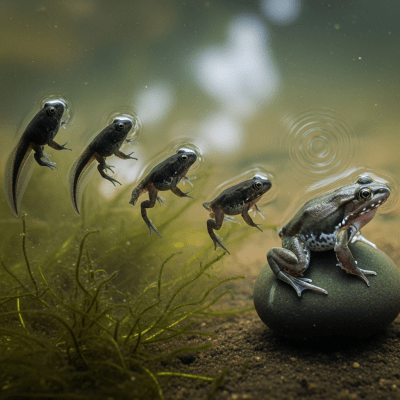
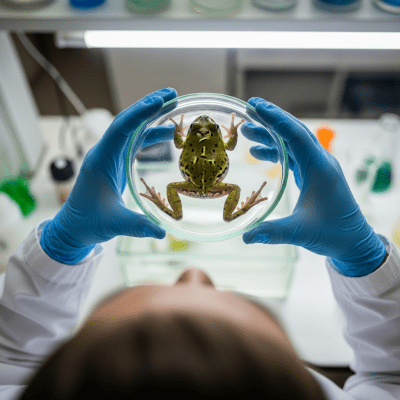
Females of this species are highly fecund, laying hundreds to thousands of eggs per spawning event. The eggs develop into aquatic larvae (tadpoles), which undergo metamorphosis to become adult frogs. The entire life cycle is aquatic, and both eggs and embryos are easily maintained in laboratory settings, facilitating research into embryogenesis and development.
The African Clawed Frog is carnivorous, feeding on aquatic invertebrates, small fish, and organic debris. It hunts by sensing movement in the water using its lateral line system, then quickly snapping up prey with its mouth. In captivity, it readily accepts a variety of protein-rich foods.
In its native ecosystem, the African Clawed Frog helps control populations of aquatic invertebrates and serves as prey for larger animals. It is considered a bioindicator due to its sensitivity to environmental changes. Outside its native range, it can become invasive, disrupting local species and ecosystem balance.
The African Clawed Frog is not currently considered threatened in its native range. Its robust adaptability and widespread laboratory breeding have ensured stable populations. However, monitoring continues due to concerns about disease and invasive impacts in non-native regions.
This species is remarkably resilient, tolerating a range of environmental conditions and pollutants. Nevertheless, it is vulnerable to chytridiomycosis, a fungal disease affecting amphibians globally, and faces predation in non-native habitats. Its adaptability has contributed to its success both in the wild and in laboratory settings.
Humans interact with the African Clawed Frog primarily through scientific research. It is a model organism in developmental biology, genetics, and toxicology, and was historically used in pregnancy testing. The species is not traditionally consumed as food, but is sometimes kept as an aquarium pet.
The African Clawed Frog has been widely introduced outside its native African range, often due to laboratory releases. Established populations now exist in North America, Europe, and Asia, where it is considered invasive and may be subject to regulation to prevent ecological disruption.