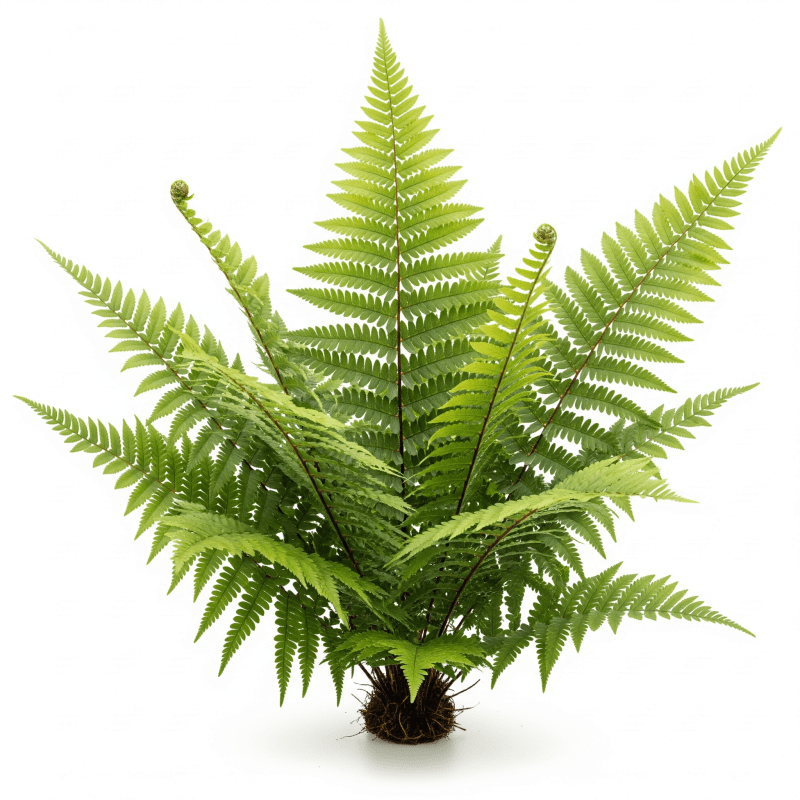
Trees

46 kinds of trees described and visualized

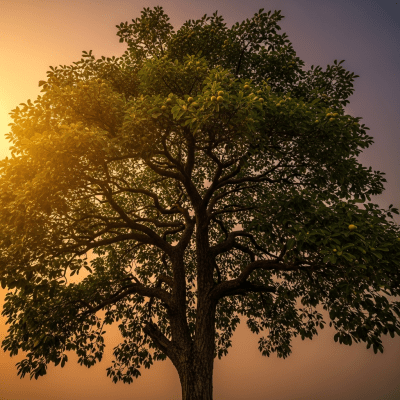
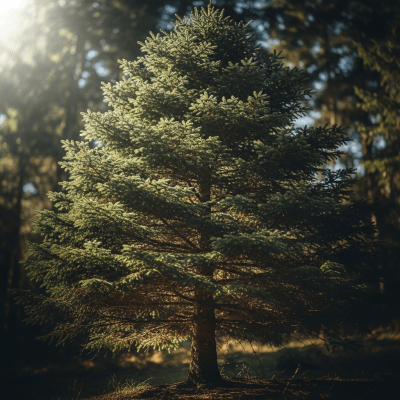
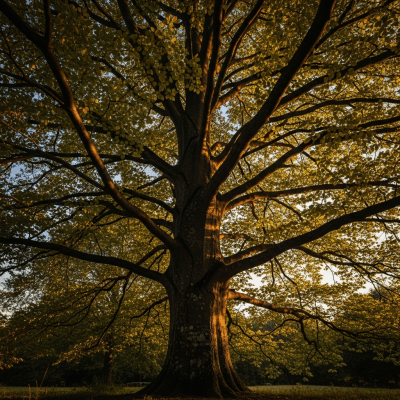
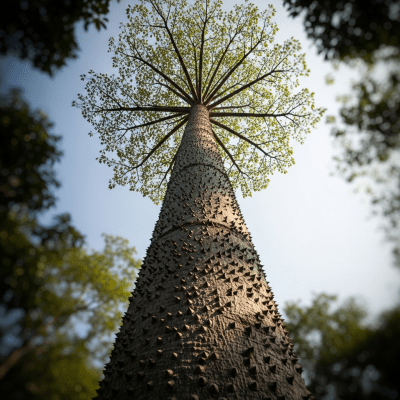
Trees are perennial, woody plants typically characterized by a single main stem or trunk and an elevated canopy, forming a vital component of ecosystems worldwide. They encompass thousands of species, ranging from towering forest giants to cultivated shade and timber trees, serving crucial ecological, economic, and cultural roles.

A collection from Kinds Of - designing the world’s structured knowledge

Kinds of Trees

Origin Story

Trees originated hundreds of millions of years ago, evolving from early vascular plants that adapted to terrestrial life. Their development allowed for the rise of complex forest ecosystems across diverse climates and continents. Over time, trees diversified extensively, adapting to various environments from tropical rainforests to temperate woodlands, shaping the landscapes we recognize today.

Classification

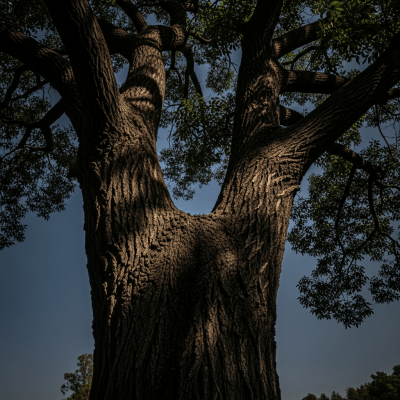
Scientifically, trees belong to the kingdom Plantae and are classified within flowering plants (Magnoliophyta), predominantly as dicotyledons (Magnoliopsida). They are organized hierarchically into orders, families, genera, and species, such as the oak family (Fagaceae) and the genus Quercus. While botanical taxonomy remains the foundation, trees can also be grouped by ecological function—deciduous versus evergreen—or by geographic and economic categories like timber or fruit trees.

Appearance or Form

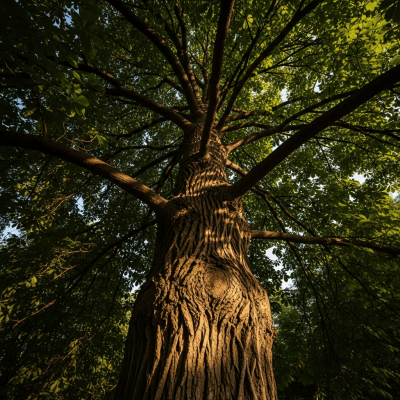
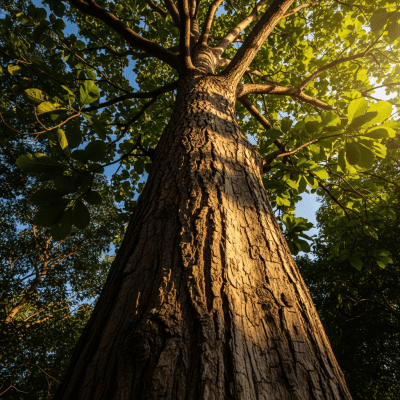
Trees typically feature a sturdy, woody trunk supporting branches and a canopy of leaves or needles. Their forms vary widely, from the broad, spreading crowns of deciduous trees to the conical shapes of many evergreens. Bark texture, leaf shape, and overall size differ among species, offering rich sensory diversity—from the rough, fissured bark of oaks to the smooth, peeling surfaces of birches.

Behavior or Usage

Trees play essential ecological roles by producing oxygen, sequestering carbon, stabilizing soils, and providing habitat for countless species. Humans have long utilized trees for timber, fuel, food, medicine, and ornamental purposes. Their wood supports construction and manufacturing, while fruit and nuts contribute to diets worldwide. Additionally, trees influence microclimates and are integral to landscaping and restoration efforts.

Buy the Collection

See how the Trees edition appears in two poster formats.

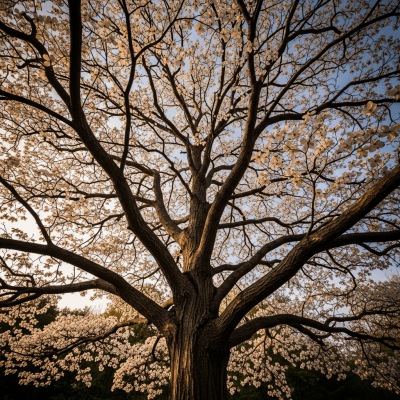
Cornus

Cornus

Dogwood is the common name for trees and shrubs in the genus Cornus, celebrated for their showy spring flowers, distinctive bark, and important ecological and cultural roles across temperate regions of the Northern Hemisphere.

Cycad

Cycad

Cycads are ancient, perennial, woody plants of the order Cycadales, instantly recognizable by their stout trunk and crown of large, stiff, evergreen leaves.
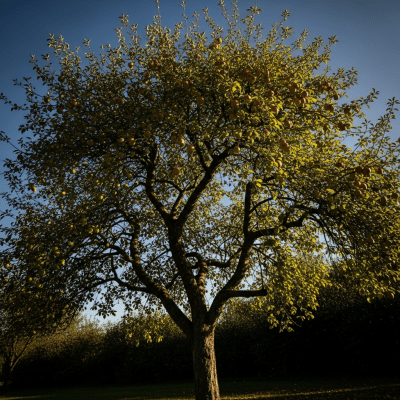
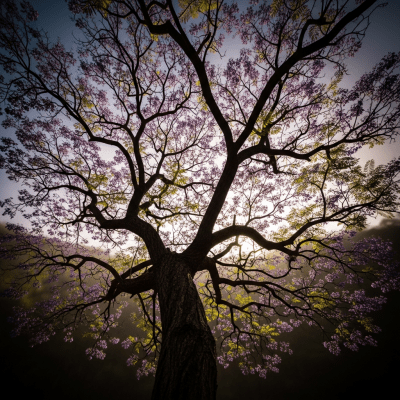
Jacaranda mimosifolia

Jacaranda mimosifolia

Jacaranda mimosifolia is a visually stunning tree celebrated for its vibrant violet-blue blossoms and graceful, fern-like foliage, making it a beloved ornamental species in warm climates worldwide.
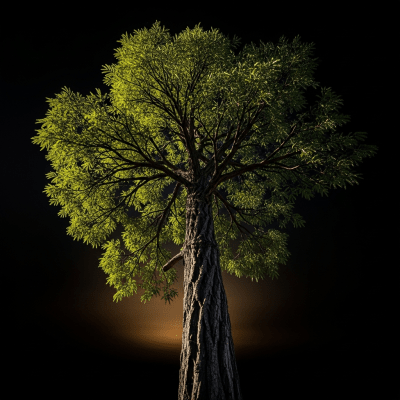
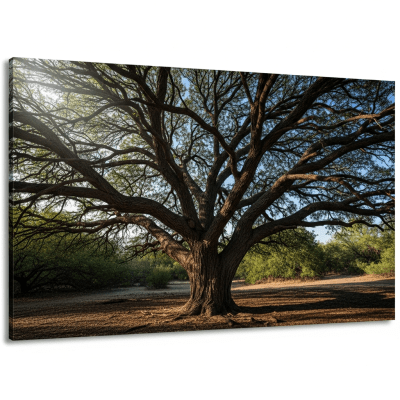
Ironwood

Ironwood

Ironwood refers to a diverse group of tree species renowned for their exceptionally hard, dense wood, prized worldwide for durability and resistance to decay.

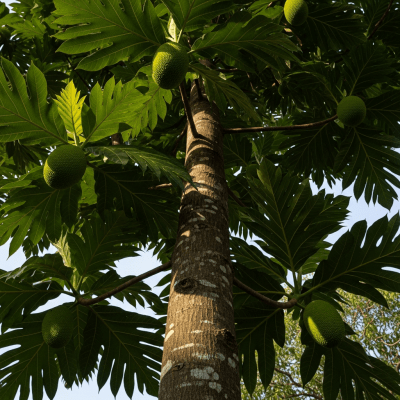
Artocarpus altilis

Artocarpus altilis

Breadfruit (Artocarpus altilis) is a tropical tree celebrated for its large, starchy fruits, which are a vital staple food in Pacific and Caribbean cultures and a cornerstone of traditional agroforestry systems.

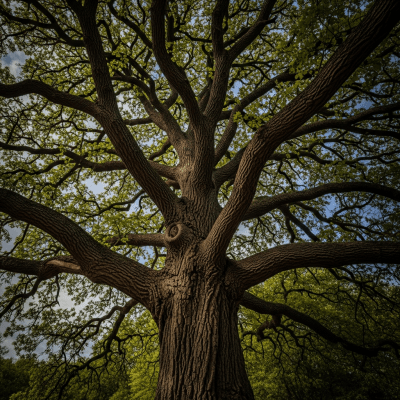
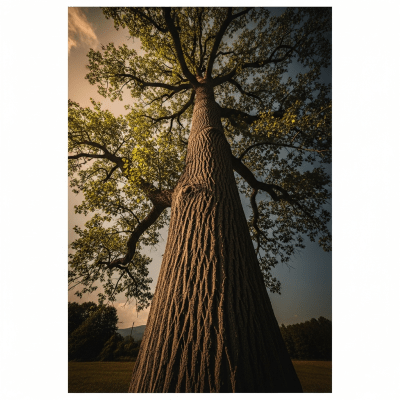
Oak

Oak

Oaks are perennial, woody trees of the genus Quercus, famed for their longevity, ecological importance, and robust timber, and are native to temperate and subtropical regions worldwide.

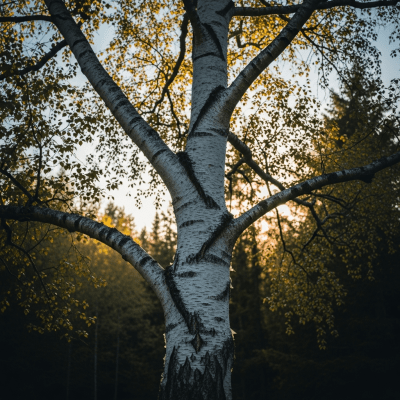
Birch

Birch

Birch describes a group of deciduous trees in the genus Betula, renowned for their papery, peeling bark and slender, graceful form, thriving across temperate and boreal regions of the Northern Hemisphere.

Cedrus

Cedrus

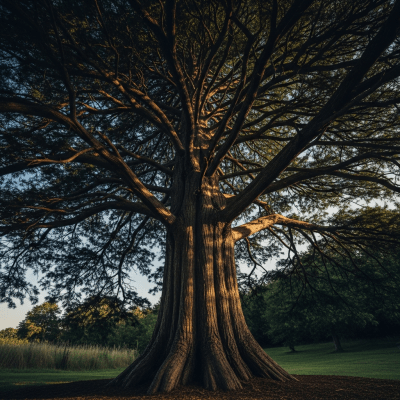
Cedrus is a genus of majestic, evergreen coniferous trees native to the mountainous regions of the western Himalayas and the Mediterranean, renowned for their aromatic wood, clustered needle-like leaves, and distinctive barrel-shaped cones.

Pine

Pine

Pines are coniferous evergreen trees in the genus Pinus, recognized for their needle-like leaves, woody cones, and global ecological and economic importance.

Maple

Maple

Maples are a diverse genus of deciduous trees celebrated for their iconic palmate leaves, spectacular autumn colors, and vital roles in timber, syrup production, and ornamental landscaping.

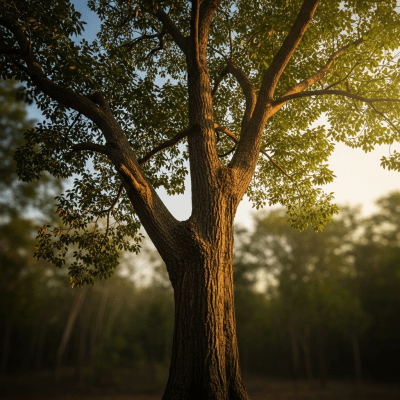
Ash

Ash

Ash trees are deciduous members of the genus Fraxinus, renowned for their elegant compound leaves, winged seeds, and versatile, high-quality timber.

Sandalwood

Sandalwood

Sandalwood is the name given to a group of trees in the genus Santalum, renowned for their fragrant heartwood and essential oil prized in perfumery, ritual, and medicine.

Populus

Populus

Poplars are fast-growing, deciduous trees of the genus Populus, valued for their straight trunks, adaptability, and wide-ranging economic and ecological uses across the Northern Hemisphere.

Aegle marmelos

Aegle marmelos

Bael (Aegle marmelos) is a medium-sized, deciduous fruit tree native to the Indian subcontinent and Southeast Asia, celebrated for its hard-shelled, aromatic fruit and profound cultural, medicinal, and religious significance.

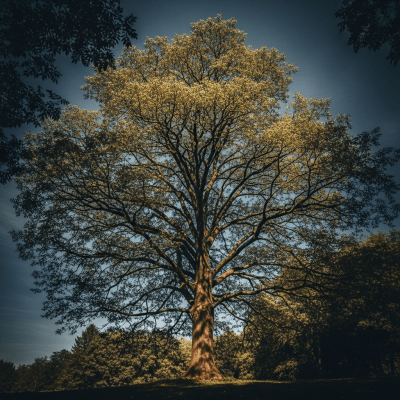
Elm

Elm

Elms are stately, deciduous or semi-deciduous trees of the genus Ulmus, renowned for their serrated leaves and graceful, vase-like form, and historically cherished as shade and street trees across temperate regions.

Spruce

Spruce

Spruce is the name for a group of coniferous evergreen trees in the genus Picea, renowned for their whorled branches, conical form, and needle-like leaves, and valued for their ecological and economic importance across the Northern Hemisphere.

Buy Large Edition with 16 Kinds

Cultural Significance

Trees hold profound places in human culture, symbolizing life, growth, and endurance across mythologies and religions. They appear in art, literature, and folklore as sacred beings or sources of wisdom. In modern life, trees contribute to urban aesthetics, community well-being, and environmental awareness, often serving as living monuments or focal points in parks and public spaces.

Notable Facts

  • Trees can live for thousands of years, with some species like the bristlecone pine among the oldest living organisms.
  • They vary greatly in size, from tiny bonsai-like species to towering redwoods exceeding 100 meters in height.
  • Deciduous trees shed leaves seasonally, while evergreens retain foliage year-round.
  • Tree rings provide valuable records of climatic history and environmental changes.
  • Many tree species form symbiotic relationships with fungi, enhancing nutrient uptake.

Kinds of Trees

Explore the range of forms, textures, and traditions within this collection.

Sorted by popularity

Striking editorial image of a single Dogwood (trees), photographed from a low angle to emphasize its grandeur.

Cornus

Dogwood is the common name for trees and shrubs in the genus Cornus, celebrated for their showy spring flowers, distinctive bark, and important ecological and cultural roles across temperate regions of the Northern Hemisphere.

Striking editorial image of a single Cycad (trees), photographed from a low angle to emphasize its grandeur.

Cycad

Cycads are ancient, perennial, woody plants of the order Cycadales, instantly recognizable by their stout trunk and crown of large, stiff, evergreen leaves.

Striking editorial image of a single Jacaranda (trees), photographed from a low angle to emphasize its grandeur.

Jacaranda mimosifolia

Jacaranda mimosifolia is a visually stunning tree celebrated for its vibrant violet-blue blossoms and graceful, fern-like foliage, making it a beloved ornamental species in warm climates worldwide.

Striking editorial image of a single Ironwood (trees), photographed from a low angle to emphasize its grandeur.

Ironwood

Ironwood refers to a diverse group of tree species renowned for their exceptionally hard, dense wood, prized worldwide for durability and resistance to decay.

Striking editorial image of a single Breadfruit (trees), photographed from a low angle to emphasize its grandeur.

Artocarpus altilis

Breadfruit (Artocarpus altilis) is a tropical tree celebrated for its large, starchy fruits, which are a vital staple food in Pacific and Caribbean cultures and a cornerstone of traditional agroforestry systems.

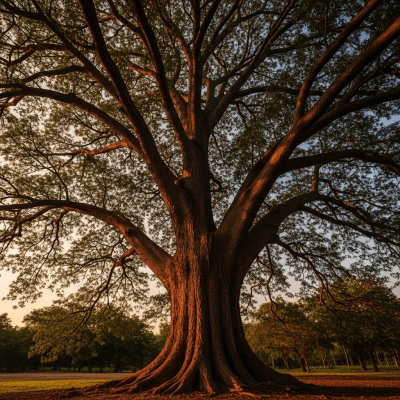
Striking editorial image of a single Oak (trees), photographed from a low angle to emphasize its grandeur.

Oak

Oaks are perennial, woody trees of the genus Quercus, famed for their longevity, ecological importance, and robust timber, and are native to temperate and subtropical regions worldwide.

Striking editorial image of a single Birch (trees), photographed from a low angle to emphasize its grandeur.

Birch

Birch describes a group of deciduous trees in the genus Betula, renowned for their papery, peeling bark and slender, graceful form, thriving across temperate and boreal regions of the Northern Hemisphere.

Striking editorial image of a single Cedar (trees), photographed from a low angle to emphasize its grandeur.

Cedrus

Cedrus is a genus of majestic, evergreen coniferous trees native to the mountainous regions of the western Himalayas and the Mediterranean, renowned for their aromatic wood, clustered needle-like leaves, and distinctive barrel-shaped cones.

Striking editorial image of a single Pine (trees), photographed from a low angle to emphasize its grandeur.

Pine

Pines are coniferous evergreen trees in the genus Pinus, recognized for their needle-like leaves, woody cones, and global ecological and economic importance.

Striking editorial image of a single Maple (trees), photographed from a low angle to emphasize its grandeur.

Maple

Maples are a diverse genus of deciduous trees celebrated for their iconic palmate leaves, spectacular autumn colors, and vital roles in timber, syrup production, and ornamental landscaping.

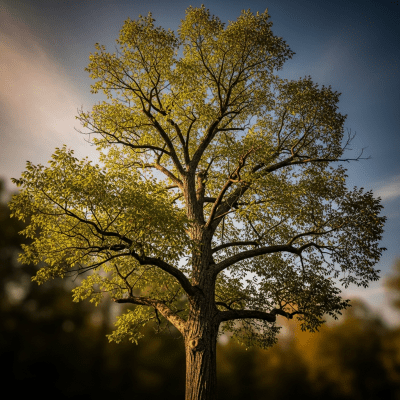
Striking editorial image of a single Ash (trees), photographed from a low angle to emphasize its grandeur.

Ash

Ash trees are deciduous members of the genus Fraxinus, renowned for their elegant compound leaves, winged seeds, and versatile, high-quality timber.

Striking editorial image of a single Sandalwood (trees), photographed from a low angle to emphasize its grandeur.

Sandalwood

Sandalwood is the name given to a group of trees in the genus Santalum, renowned for their fragrant heartwood and essential oil prized in perfumery, ritual, and medicine.

Striking editorial image of a single Poplar (trees), photographed from a low angle to emphasize its grandeur.

Populus

Poplars are fast-growing, deciduous trees of the genus Populus, valued for their straight trunks, adaptability, and wide-ranging economic and ecological uses across the Northern Hemisphere.

Striking editorial image of a single Bael (trees), photographed from a low angle to emphasize its grandeur.

Aegle marmelos

Bael (Aegle marmelos) is a medium-sized, deciduous fruit tree native to the Indian subcontinent and Southeast Asia, celebrated for its hard-shelled, aromatic fruit and profound cultural, medicinal, and religious significance.

Striking editorial image of a single Elm (trees), photographed from a low angle to emphasize its grandeur.

Elm

Elms are stately, deciduous or semi-deciduous trees of the genus Ulmus, renowned for their serrated leaves and graceful, vase-like form, and historically cherished as shade and street trees across temperate regions.

Striking editorial image of a single Spruce (trees), photographed from a low angle to emphasize its grandeur.

Spruce

Spruce is the name for a group of coniferous evergreen trees in the genus Picea, renowned for their whorled branches, conical form, and needle-like leaves, and valued for their ecological and economic importance across the Northern Hemisphere.

Striking editorial image of a single Fir (trees), photographed from a low angle to emphasize its grandeur.

Fir

Firs are evergreen, coniferous trees of the genus Abies, celebrated for their symmetrical form, aromatic needle-like leaves, and upright cones, and are widely valued in forests and as ornamental trees.

Striking editorial image of a single Beech (trees), photographed from a low angle to emphasize its grandeur.

Beech

Beech refers to a group of deciduous hardwood trees in the genus Fagus, celebrated for their smooth gray bark, dense foliage, and vital ecological and economic roles in temperate forests.

Striking editorial image of a single Kapok (trees), photographed from a low angle to emphasize its grandeur.

Ceiba pentandra

Ceiba pentandra, commonly known as kapok, is a towering tropical tree prized for its silky, water-resistant fiber and vital role in both natural ecosystems and human economies.

Striking editorial image of a single Ebony (trees), photographed from a low angle to emphasize its grandeur.

Ebony

Ebony is the name given to several tree species in the genus Diospyros, famed for their dense, jet-black heartwood that is highly prized in fine woodworking, musical instruments, and luxury ornamentation.

Striking editorial image of a single Rubber Tree (trees), photographed from a low angle to emphasize its grandeur.

Hevea brasiliensis

The Rubber Tree (Hevea brasiliensis) is a tall, fast-growing deciduous tree native to the Amazon Basin, renowned as the world’s primary source of natural rubber and vital to countless industries.

Striking editorial image of a single Rowan (trees), photographed from a low angle to emphasize its grandeur.

Rowan

Rowan is a medium-sized deciduous tree of the genus Sorbus, celebrated for its elegant pinnate leaves, clusters of white spring flowers, and vivid red or orange berries that brighten landscapes and sustain wildlife.

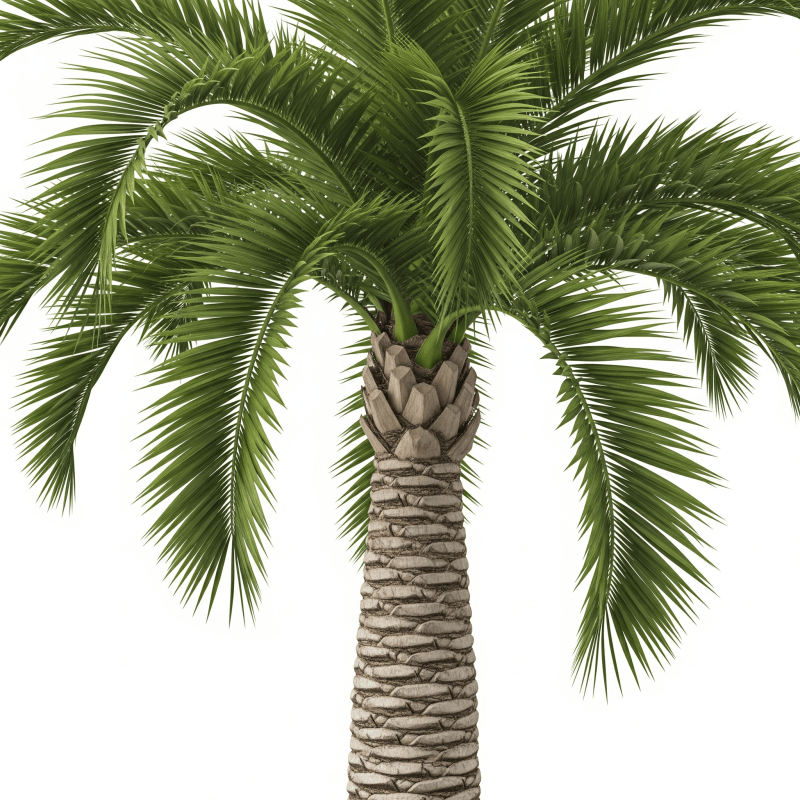
Striking editorial image of a single Palm (trees), photographed from a low angle to emphasize its grandeur.

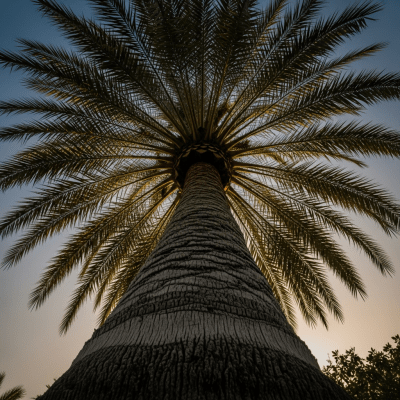
Palm

Palms are perennial, woody plants of the family Arecaceae, instantly recognized for their single trunk and crown of large, evergreen fronds; though botanically distinct from true trees, palms are celebrated worldwide for their iconic form and vital economic roles.

Striking editorial image of a single Bamboo (trees), photographed from a low angle to emphasize its grandeur.

Bamboo

Bamboo is a group of perennial, woody-stemmed grasses renowned for their rapid growth, towering culms, and profound ecological and economic impact, often regarded as tree-like in both natural and human contexts.

Striking editorial image of a single Fig (trees), photographed from a low angle to emphasize its grandeur.

Fig

The fig is a diverse group of woody plants in the genus Ficus, celebrated for its unique fruit structure and vital ecological roles in tropical and subtropical regions.

Striking editorial image of a single Cypress (trees), photographed from a low angle to emphasize its grandeur.

Cypress

Cypress is a name given to several evergreen coniferous trees in the Cupressaceae family, renowned for their aromatic wood, scale-like foliage, and adaptability across diverse climates.

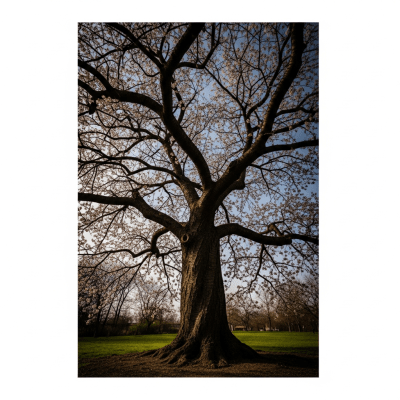
Striking editorial image of a single Magnolia (trees), photographed from a low angle to emphasize its grandeur.

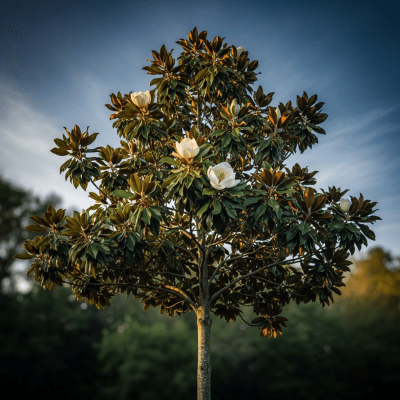
Magnolia

Magnolia is a genus of flowering trees and shrubs celebrated for their spectacular, fragrant blossoms and glossy foliage, widely admired in gardens and landscapes around the world.

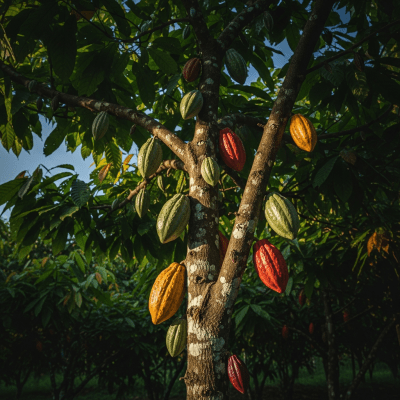
Striking editorial image of a single Cacao (trees), photographed from a low angle to emphasize its grandeur.

Theobroma cacao

Theobroma cacao, commonly known as cacao, is a tropical evergreen tree prized as the source of cocoa beans for chocolate and valued for its unique cauliflorous pods and glossy foliage.

Striking editorial image of a single Cork Oak (trees), photographed from a low angle to emphasize its grandeur.

Cork Oak

The Cork Oak (Quercus suber) is an evergreen Mediterranean tree famed for its thick, harvestable bark—the world's primary source of commercial cork.

Striking editorial image of a single Ginkgo (trees), photographed from a low angle to emphasize its grandeur.

Ginkgo biloba

Ginkgo biloba is a singular, ancient tree species famed for its fan-shaped leaves, remarkable resilience, and status as the sole survivor of its botanical division, Ginkgophyta.

Striking editorial image of a single Tamarind (trees), photographed from a low angle to emphasize its grandeur.

Tamarindus indica

Tamarindus indica, commonly known as tamarind, is a tropical, perennial tree celebrated for its tangy fruit pods and wide-ranging culinary, medicinal, and industrial uses.

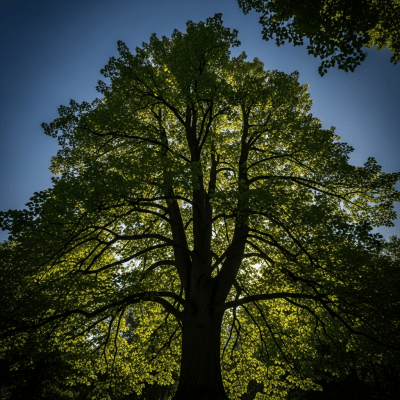
Striking editorial image of a single Linden (trees), photographed from a low angle to emphasize its grandeur.

Linden

Linden is the collective name for several species in the genus Tilia, celebrated for their heart-shaped leaves, fragrant blossoms, and widespread use as ornamental and shade trees in temperate climates.

Striking editorial image of a single Willow (trees), photographed from a low angle to emphasize its grandeur.

Willow

Willows are deciduous, woody trees and shrubs in the genus Salix, celebrated for their slender branches, elongated leaves, and preference for moist environments.

Striking editorial image of a single Mahogany (trees), photographed from a low angle to emphasize its grandeur.

Mahogany

Mahogany is a group of large, evergreen trees in the genus Swietenia, celebrated worldwide for their rich, reddish-brown timber prized in fine furniture and cabinetry.

Striking editorial image of a single Cherry (trees), photographed from a low angle to emphasize its grandeur.

Cherry

Cherry trees are deciduous members of the genus Prunus, celebrated for their beautiful spring blossoms and succulent edible fruits, with a rich presence in temperate landscapes worldwide.

Striking editorial image of a single Walnut (trees), photographed from a low angle to emphasize its grandeur.

Walnut

Walnut is the common name for several large, deciduous trees in the genus Juglans, renowned for their edible nuts and valuable timber.

Striking editorial image of a single Apple (trees), photographed from a low angle to emphasize its grandeur.

Malus domestica

The apple tree (Malus domestica) is a medium-sized, deciduous fruit tree celebrated worldwide for its edible fruit and central role in temperate agriculture.

Striking editorial image of a single Acacia (trees), photographed from a low angle to emphasize its grandeur.

Acacia

Acacia is a vast genus of woody plants in the Fabaceae family, celebrated for its feathery foliage, golden blooms, and ecological importance across tropical and subtropical regions.

Striking editorial image of a single Chestnut (trees), photographed from a low angle to emphasize its grandeur.

Chestnut

The chestnut is a group of large, deciduous trees in the genus Castanea, renowned for their edible nuts, durable timber, and historic role in temperate forests.

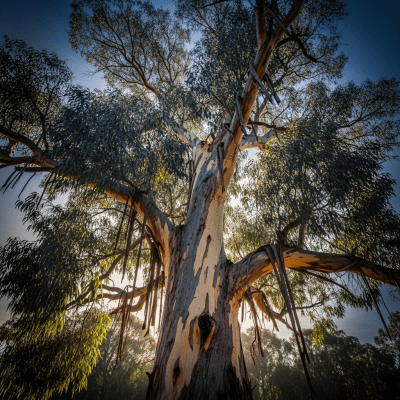
Striking editorial image of a single Eucalyptus (trees), photographed from a low angle to emphasize its grandeur.

Eucalyptus

Eucalyptus is a vast genus of aromatic, fast-growing trees and shrubs native primarily to Australia, celebrated for their distinctive bark, evergreen foliage, and global economic importance.

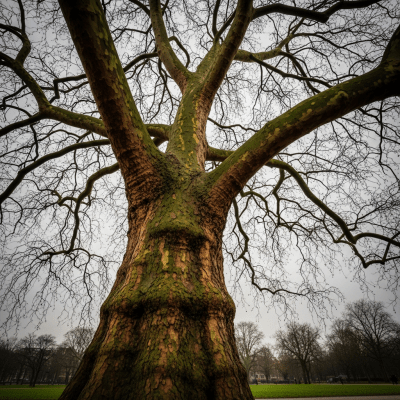
Striking editorial image of a single Sycamore (trees), photographed from a low angle to emphasize its grandeur.

Sycamore

Sycamore is the common name for several large, deciduous trees in the genus Platanus, renowned for their impressive stature, mottled bark, and broad, maple-like leaves.

Striking editorial image of a single Hickory (trees), photographed from a low angle to emphasize its grandeur.

Hickory

Hickory is a group of deciduous hardwood trees in the genus Carya, renowned for their exceptionally strong wood and edible nuts, native to North America and parts of Asia.

Striking editorial image of a single Teak (trees), photographed from a low angle to emphasize its grandeur.

Teak

Teak (Tectona grandis) is a large, deciduous tropical hardwood tree celebrated for its exceptionally durable, water-resistant timber and global economic importance.

Striking editorial image of a single Redwood (trees), photographed from a low angle to emphasize its grandeur.

Redwood

Redwoods are monumental evergreen coniferous trees native to western North America, celebrated for their towering height, reddish bark, and extraordinary longevity.

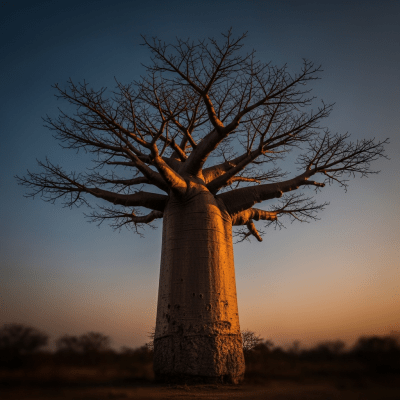
Striking editorial image of a single Baobab (trees), photographed from a low angle to emphasize its grandeur.

Adansonia

The baobab is a genus of monumental, long-lived trees known for their massive trunks and iconic presence across Africa, Madagascar, and Australia.

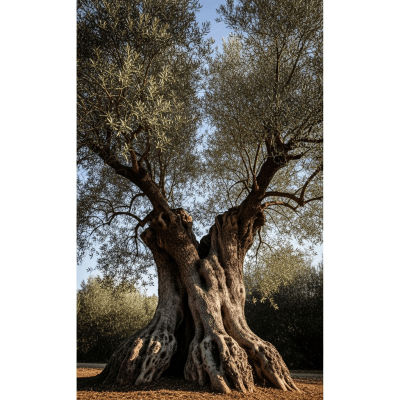
Striking editorial image of a single Olive (trees), photographed from a low angle to emphasize its grandeur.

Olea europaea

The olive tree (Olea europaea) is a perennial, evergreen tree celebrated for its edible fruit and prized oil, forming a vital part of Mediterranean landscapes, agriculture, and culture.

A collection is complete only when its kinds are seen in full.