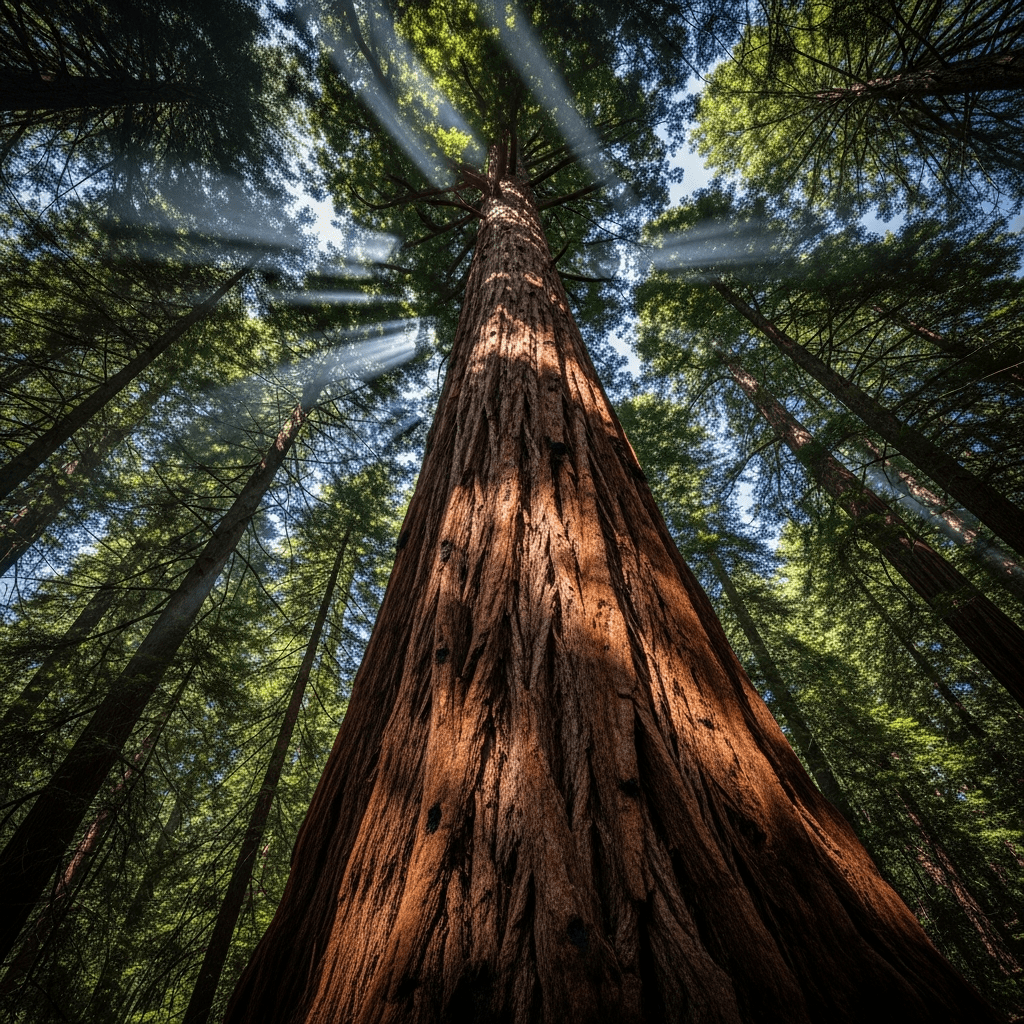
Redwood
Redwoods are monumental evergreen coniferous trees native to western North America, celebrated for their towering height, reddish bark, and extraordinary longevity.
Redwoods are monumental evergreen coniferous trees native to western North America, celebrated for their towering height, reddish bark, and extraordinary longevity.
The redwoods trace their origins to ancient forests of California, USA. The coast redwood (Sequoia sempervirens) was first described in 1847, and the giant sequoia (Sequoiadendron giganteum) in 1853. Fossil records reveal that their lineage, rooted in the Cupressaceae family, once spanned much of the Northern Hemisphere. Today, coast redwoods thrive along the Pacific coast from southern Oregon to central California, while giant sequoias are found in isolated groves on the western slopes of the Sierra Nevada mountains.
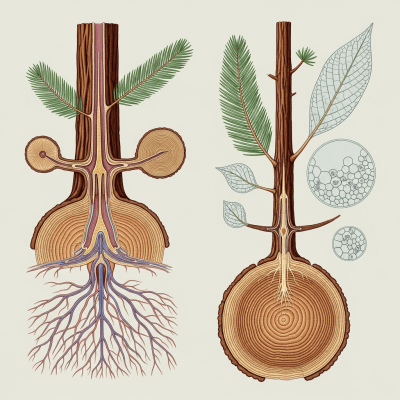
Redwoods belong to the family Cupressaceae within the order Pinales. The name "redwood" most commonly refers to two genera: Sequoia (coast redwood) and Sequoiadendron (giant sequoia). A third, botanically distinct species, the dawn redwood (Metasequoia glyptostroboides), is native to China but shares the iconic reddish wood and coniferous form. All are gymnosperms, producing seeds in cones rather than flowers.
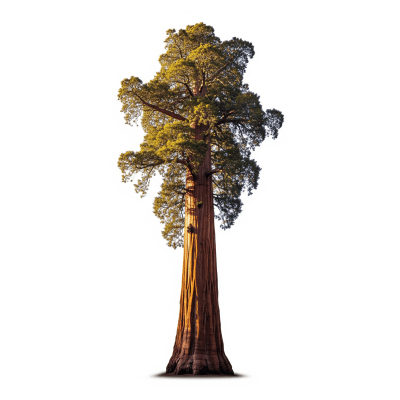
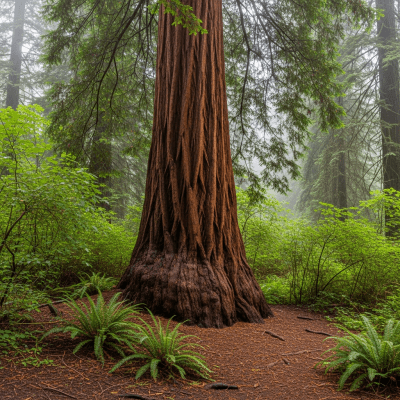
Redwoods are instantly recognizable by their straight, columnar trunks cloaked in thick, fibrous, reddish bark. Their needle-like leaves form a lush, evergreen canopy high above the forest floor. Coast redwoods can soar over 115 meters (379 feet), making them the tallest trees on Earth, while giant sequoias are the largest by volume, with trunks up to 8 meters (26 feet) in diameter. The bark’s spongy texture and deep grooves provide resilience against fire, and the trees’ stature creates a cathedral-like forest environment.
Redwoods play a vital ecological role, providing shelter and habitat for myriad species. Their rapid growth and ability to regenerate from basal sprouts make them resilient to environmental disturbances. For humans, redwoods are valued for their durable, rot-resistant wood, used in construction and landscaping. Old-growth logging is now heavily restricted, reflecting their ecological and cultural importance. Redwoods are also popular in parks and large gardens, admired for their grandeur and shade.
Bring this kind into your world illustrated posters, mugs, and shirts.
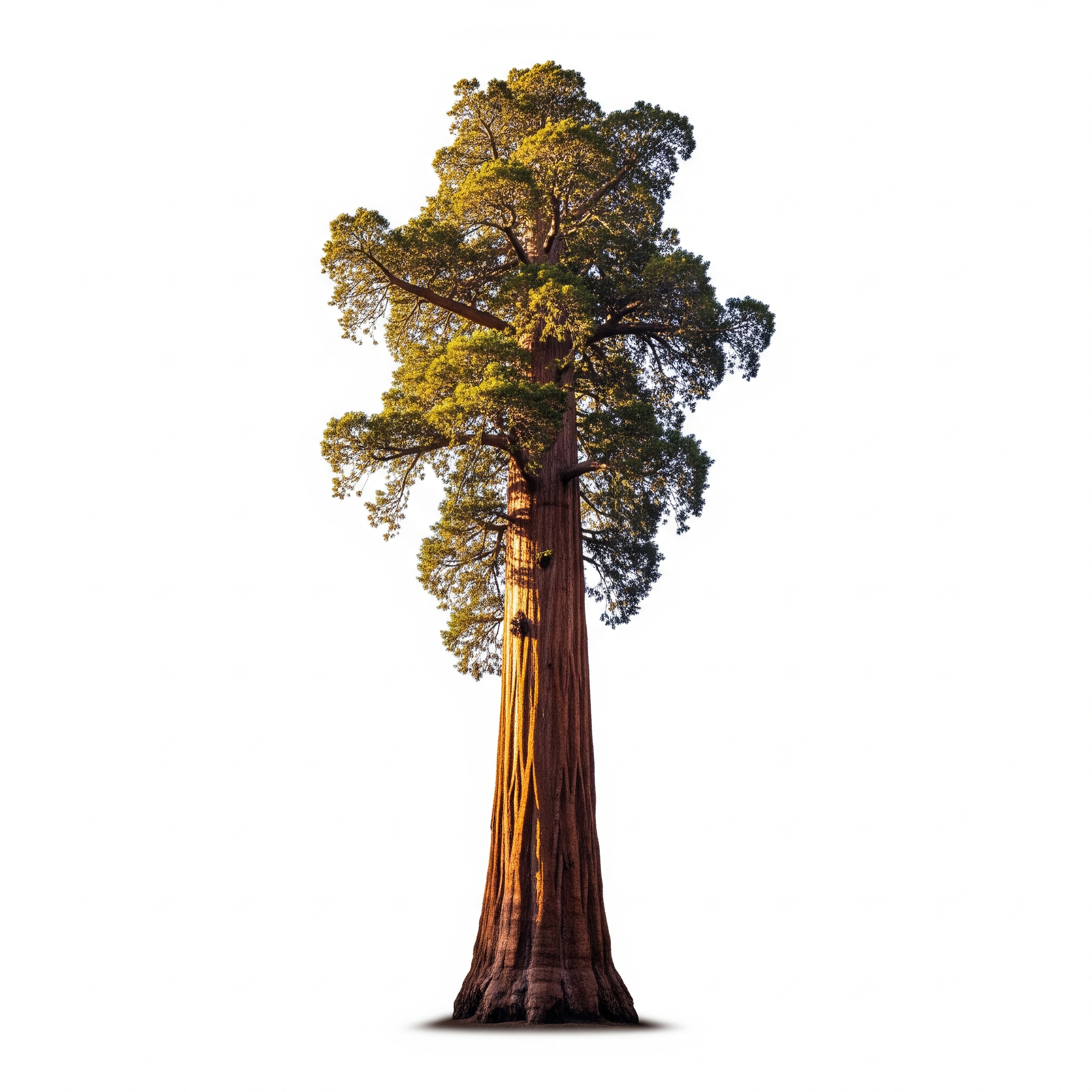
Archival print, museum-grade paper
Buy Poster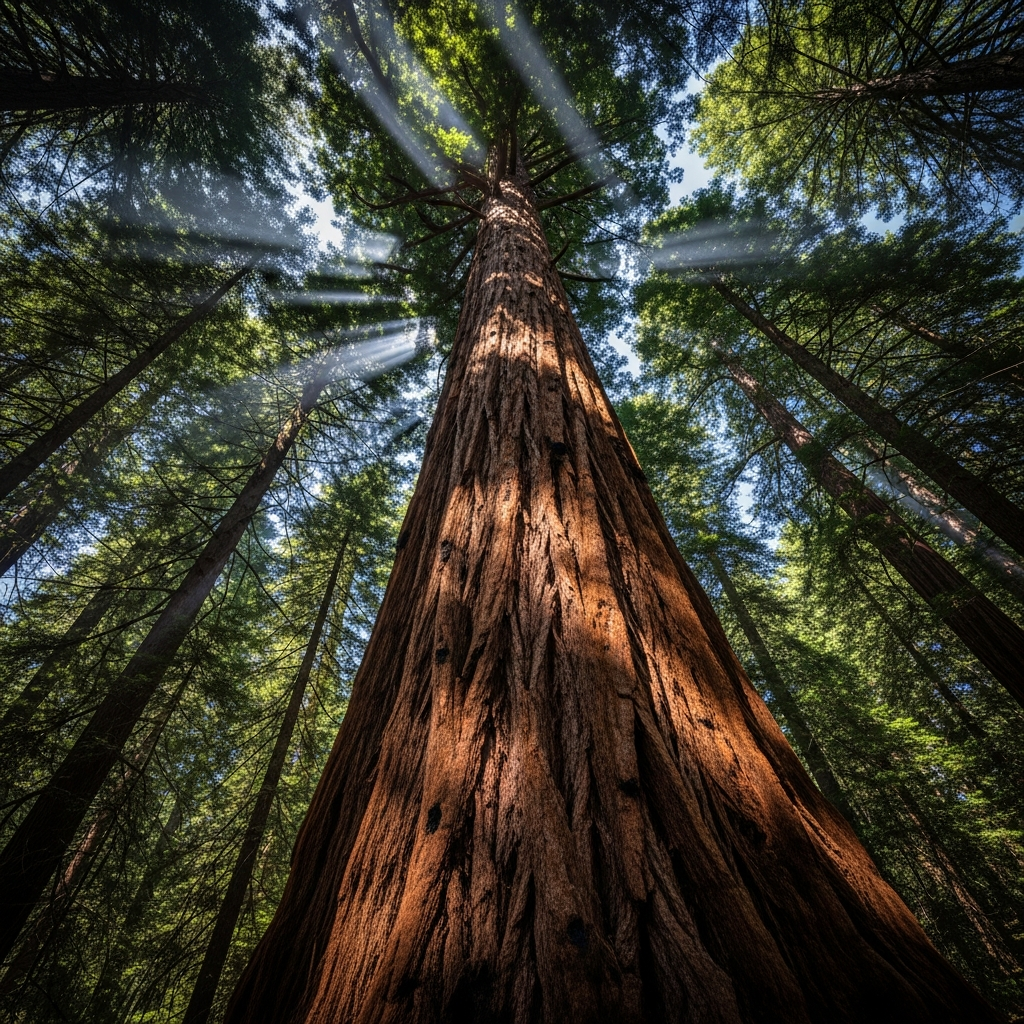
Stoneware mug, dishwasher safe
Buy Mug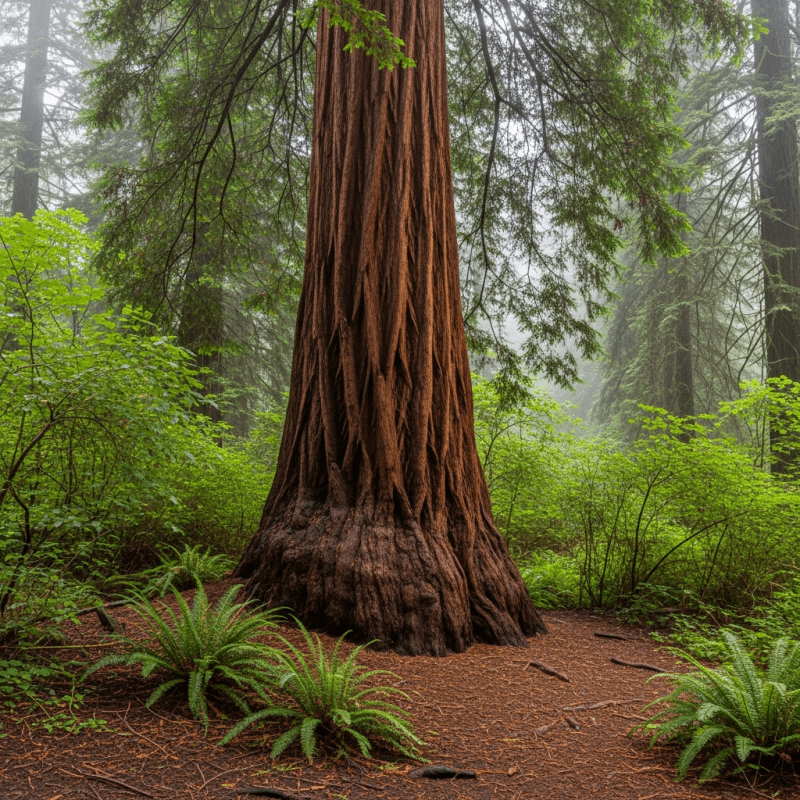
Soft cotton tee, unisex sizes
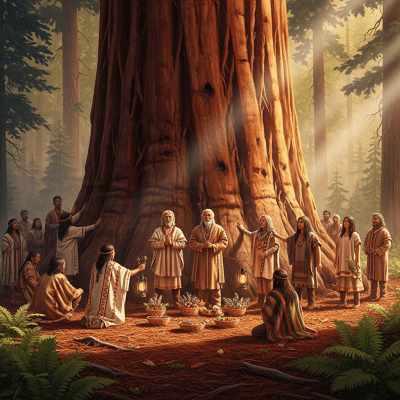
Buy ShirtRedwoods have inspired generations through art, literature, and conservation movements. Their immense size and ancient presence evoke awe and reverence, symbolizing endurance and natural majesty. The forests of California’s redwoods are protected as national and state parks, attracting millions of visitors who seek the tranquility and wonder of these living giants. In indigenous cultures, redwoods are woven into stories and traditions, regarded as sacred guardians of the land.
Redwoods are ecological pillars, supporting rich biodiversity in their forests. Their towering canopies create unique microclimates, nurturing ferns, mosses, and shade-loving plants. Fallen logs and thick bark provide shelter for amphibians, birds, and mammals. Redwoods’ ability to store vast amounts of carbon makes them crucial for climate mitigation, and their forests serve as vital water catchments, stabilizing soil and regulating local hydrology.
Coast redwoods grow in a narrow strip along the Pacific coast from southern Oregon to central California, thriving in foggy, temperate rainforests. Giant sequoias are restricted to isolated groves on the western slopes of California’s Sierra Nevada mountains, at elevations between 1,400 and 2,150 meters. Dawn redwoods, native to central China, prefer river valleys and moist lowlands. All redwoods require deep, well-drained soils and abundant moisture, often relying on coastal fog for hydration.
Redwoods flourish in moist, foggy climates with deep, fertile soils. For successful cultivation, plant in areas with high humidity and protect young trees from drought. Regular watering, mulching, and space for expansive root systems are essential. Redwoods are fast-growing and resilient to fire and decay, but they require ample room and are best suited for parks, estates, or large gardens. Avoid compacted soils and provide shelter from harsh winds for optimal growth.
Old-growth redwoods have suffered from extensive logging, habitat fragmentation, and climate change. Today, most remaining ancient groves are protected in parks and reserves, but threats persist from drought, fire, and human encroachment. Conservation efforts focus on habitat restoration, sustainable forestry, and public education. Redwoods are listed as endangered or vulnerable in some regions, underscoring the need for ongoing protection and stewardship.
Redwood timber is prized for its durability, resistance to rot, and attractive reddish hue, making it ideal for outdoor construction, decking, and furniture. Logging of old-growth stands is now strictly limited, with most commercial wood sourced from managed plantations. Redwoods are also valued as ornamental trees in parks and large landscapes. Their ecological benefits, including carbon sequestration and habitat provision, add immeasurable practical value beyond their wood.
Redwoods symbolize endurance, wisdom, and the grandeur of nature. In indigenous lore, these trees are revered as ancient guardians and sources of spiritual strength. Modern conservation movements have adopted the redwood as an emblem of environmental stewardship and resilience. Their presence in literature and art often evokes themes of timelessness and awe, reflecting humanity’s deep connection to these living giants.