
Linden
Linden is the collective name for several species in the genus Tilia, celebrated for their heart-shaped leaves, fragrant blossoms, and widespread use as ornamental and shade trees in temperate climates.
Linden is the collective name for several species in the genus Tilia, celebrated for their heart-shaped leaves, fragrant blossoms, and widespread use as ornamental and shade trees in temperate climates.
Linden trees trace their roots to temperate regions across Europe, Asia, and eastern North America. Recognized and cherished since antiquity, the genus Tilia was formally described by Carl Linnaeus in 1753. These trees have long been a part of local landscapes, folklore, and horticulture, with natural hybrids such as Tilia × europaea reflecting centuries of evolution and cultivation.
Linden belongs to the family Malvaceae, within the order Malvales. The genus Tilia encompasses numerous species, all classified as medium to large deciduous trees. Lindens are angiosperms (flowering plants), and their botanical hierarchy places them among the most recognizable members of temperate forests and urban landscapes.
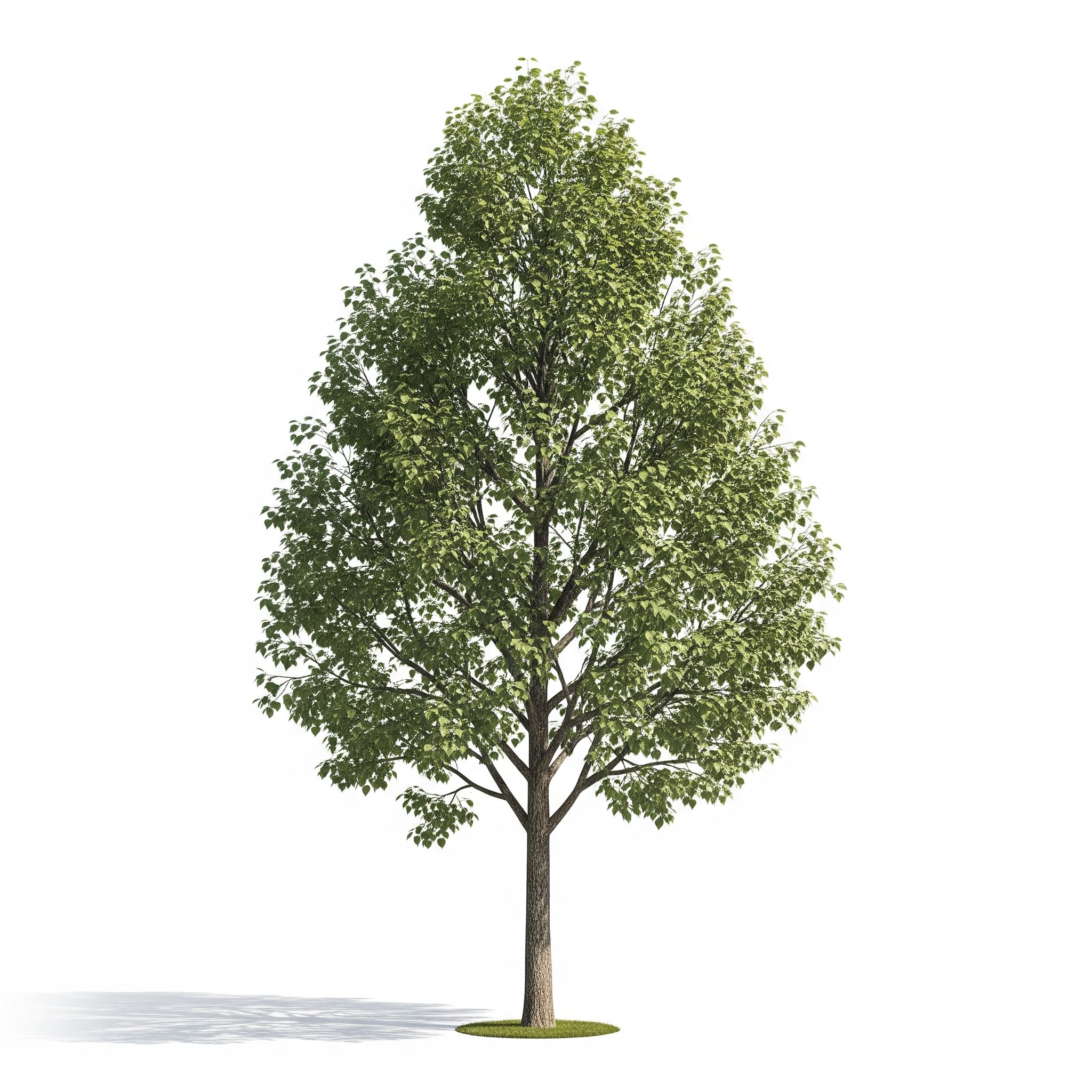
Linden trees are distinguished by their stately form: a straight trunk rising to heights of 20–40 meters, crowned by a broad, rounded canopy. The leaves are alternate, simple, and heart-shaped, with serrated edges and a lush green hue, measuring 5–15 cm across. In late spring to early summer, clusters of small, pale yellow to white flowers perfume the air with a sweet, inviting scent. Their fruits are small, dry, and nut-like, often accompanied by a leafy bract that dances in the wind.
Lindens thrive in moist, fertile soils and are tolerant of urban stress, making them a favorite for city streets, parks, and gardens. Their fragrant flowers attract pollinators, especially bees, while their dense foliage provides ample shade and shelter. Humans have long utilized linden trees for their wood, flowers, and ornamental value, integrating them into daily life and commerce.
Bring this kind into your world illustrated posters, mugs, and shirts.
Archival print, museum-grade paper
Buy Poster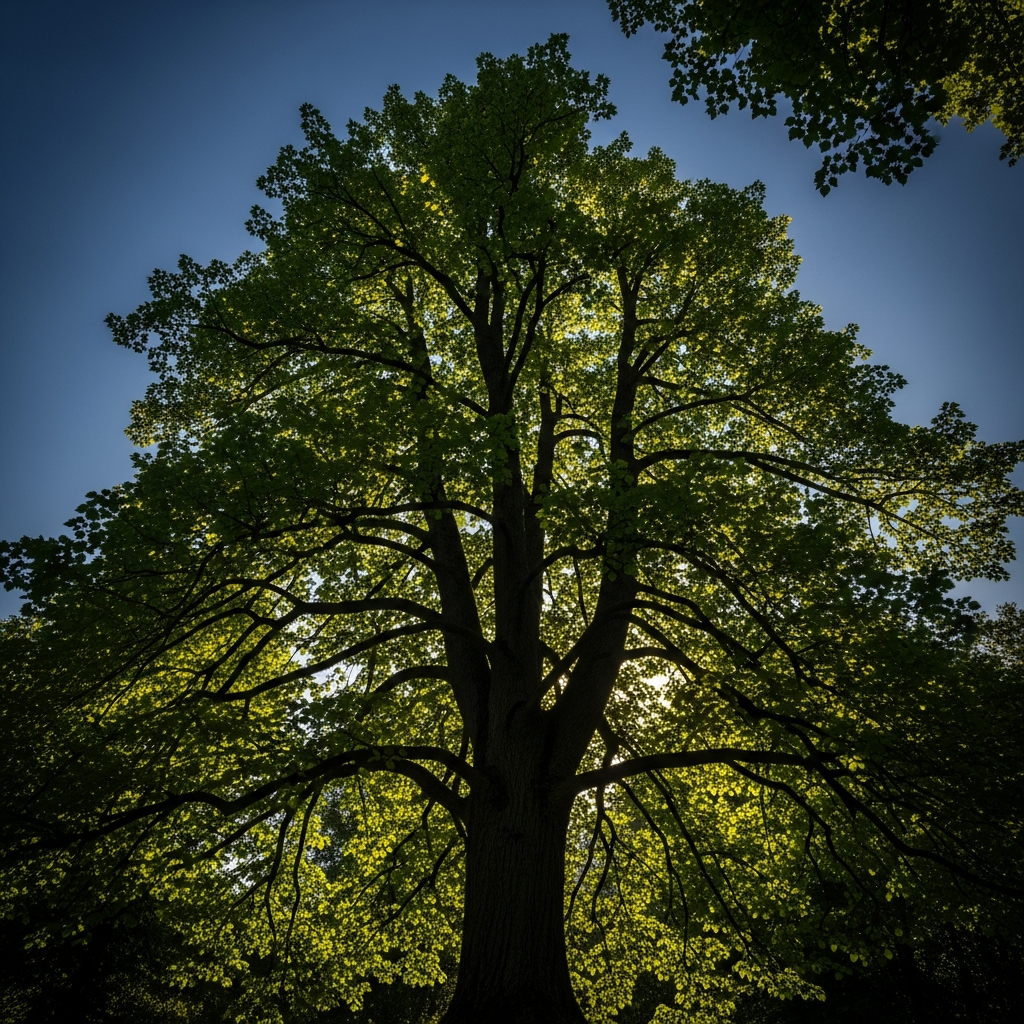
Stoneware mug, dishwasher safe
Buy Mug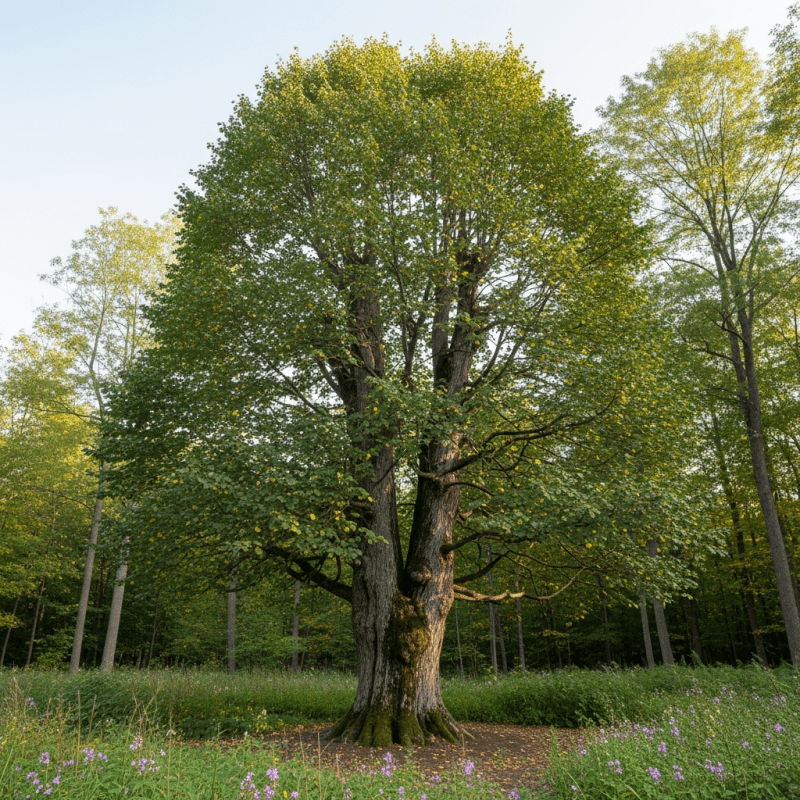
Soft cotton tee, unisex sizes
Buy ShirtLinden trees hold a special place in European folklore, literature, and civic life. They often mark village centers, serve as gathering places, and feature in myths as symbols of love, peace, and community. In France, "tilleul" is synonymous with herbal tea rituals, while in Germany, the linden is woven into centuries-old traditions and songs. Their presence in art and poetry reflects a deep cultural reverence.
Linden trees play a vital ecological role by supporting pollinators, especially bees, during their flowering period. Their dense foliage offers habitat and shelter for birds and small mammals, while their roots stabilize soil and promote biodiversity in both urban and woodland settings.
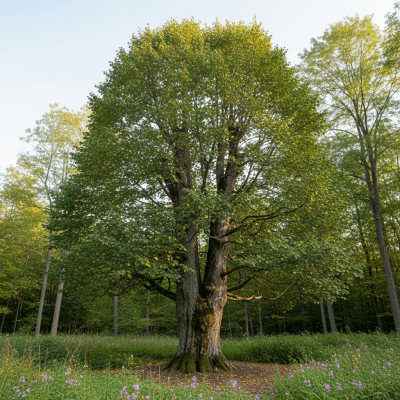


Lindens are native to temperate regions of the Northern Hemisphere, flourishing across Europe, Asia, and eastern North America. They prefer moist, fertile soils and are commonly found in mixed woodlands, riverbanks, parks, and city avenues, adapting well to both rural and urban environments.
To cultivate linden trees, plant them in deep, moist, and fertile soil with good drainage. They tolerate urban pollution and compacted soils, making them suitable for city planting. Regular watering during establishment, occasional pruning to shape the canopy, and monitoring for pests like aphids and beetles will help ensure healthy growth. Lindens grow moderately to quickly and can be propagated from seed or cuttings.
While generally resilient, linden trees face threats from aphids, Japanese beetles, and fungal diseases. Urban stress and habitat loss can also impact populations. Conservation efforts focus on maintaining genetic diversity, protecting old-growth specimens, and promoting sustainable planting in urban and rural landscapes.
Linden wood, known as basswood, is prized for carving, musical instruments, and lightweight furniture due to its softness and fine grain. The fragrant flowers are harvested for herbal teas, renowned for their calming and anti-inflammatory effects. Lindens are also vital for beekeeping, producing sought-after linden honey, and are widely planted for shade and ornamental beauty in public spaces.
Linden trees symbolize love, peace, and fidelity in European folklore. They are often depicted as sacred or magical, serving as meeting places or landmarks in villages. In Slavic mythology, the linden is associated with protection and maternal care, while in Western traditions, it represents community and harmony.