Olea Europaea
The olive tree (Olea europaea) is a perennial, evergreen tree celebrated for its edible fruit and prized oil, forming a vital part of Mediterranean landscapes, agriculture, and culture.
The olive tree (Olea europaea) is a perennial, evergreen tree celebrated for its edible fruit and prized oil, forming a vital part of Mediterranean landscapes, agriculture, and culture.
Originating in the Mediterranean Basin, the olive tree was first domesticated in the eastern Mediterranean over 6,000 years ago. Its lineage includes both wild forms (Olea europaea subsp. sylvestris) and cultivated varieties selected across millennia for fruit quality and climate adaptation. The olive’s spread mirrors the rise of ancient civilizations, with no single breeder credited—rather, it is the product of countless generations of selection and cultivation.
The olive tree belongs to the family Oleaceae, genus Olea, and species europaea. It is an angiosperm (flowering plant) within the order Lamiales, class Magnoliopsida, and kingdom Plantae. While the genus Olea contains several species, Olea europaea is the principal species cultivated for its fruit and oil, distinguishing itself among woody, perennial trees by its economic and cultural significance.
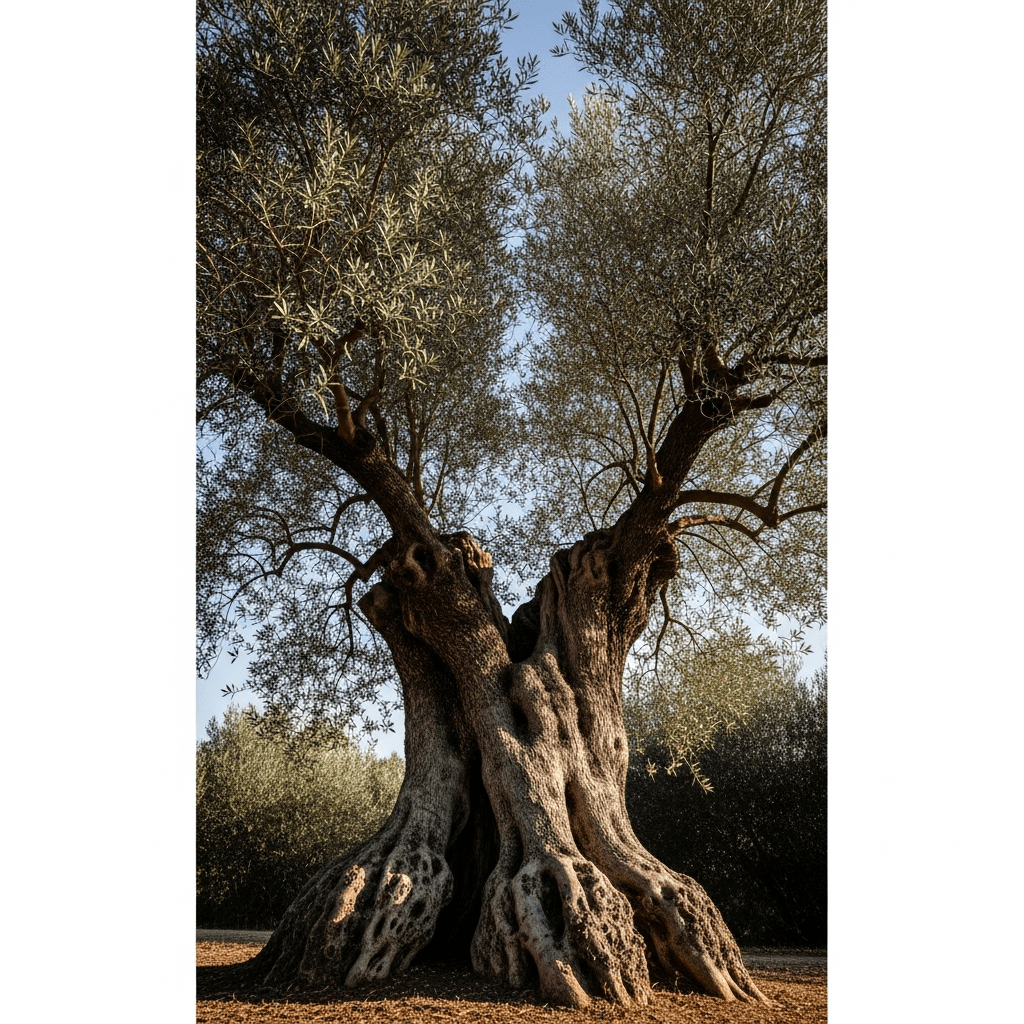
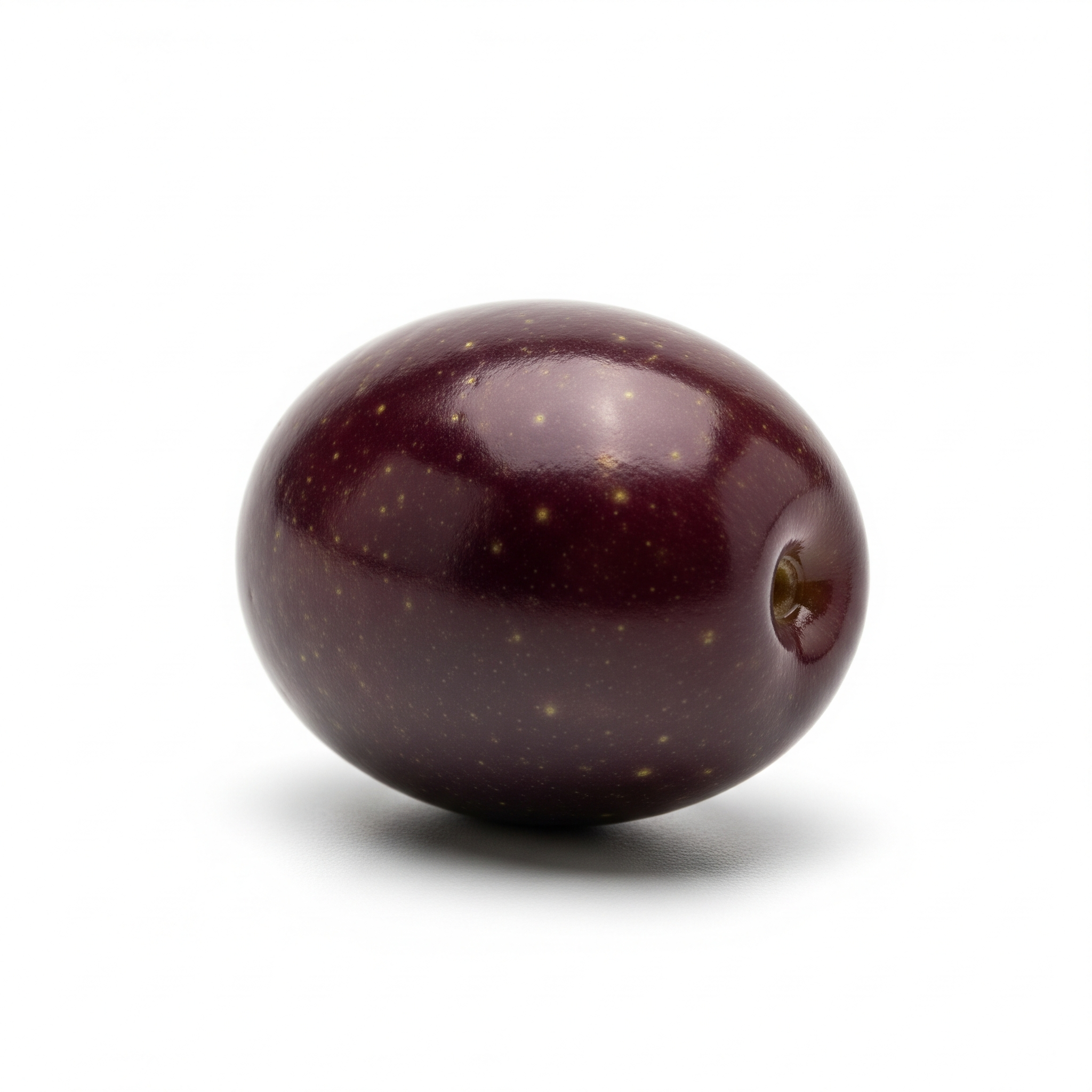
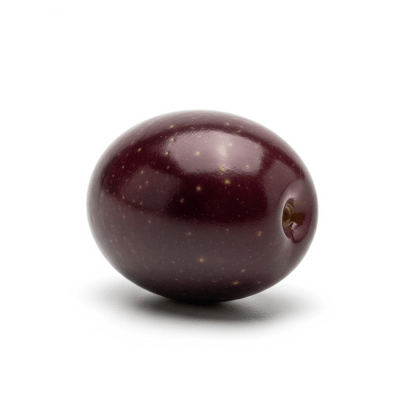
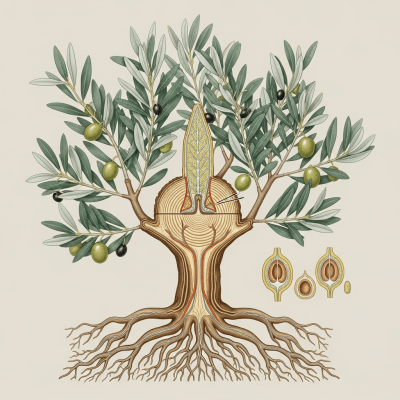
Olive trees are medium-sized, typically reaching 5–15 meters in height. Their trunks are broad, twisted, and gnarled, often evoking a sense of age and resilience. The dense canopy is filled with lance-shaped leaves, dark green on top and shimmering silvery beneath. In spring, small white flowers cluster in panicles, giving way to oval drupes—olives—that ripen from green to deep black. The tree’s rugged bark and silvery foliage are instantly recognizable in Mediterranean settings.
Olive trees thrive in hot, dry summers and mild, wet winters, demonstrating remarkable drought tolerance and longevity. They are grown both for their fruit—used as table olives and for oil extraction—and for their wood, valued in carving and furniture. Olive leaves serve in traditional medicine and as animal fodder. The tree’s annual yield depends on cultivar and climate, with mature specimens producing 15–50 kg of fruit. Olive oil is a dietary staple and global commodity, while the tree itself is a symbol of endurance and peace.
Bring this kind into your world illustrated posters, mugs, and shirts.
Archival print, museum-grade paper
Buy Poster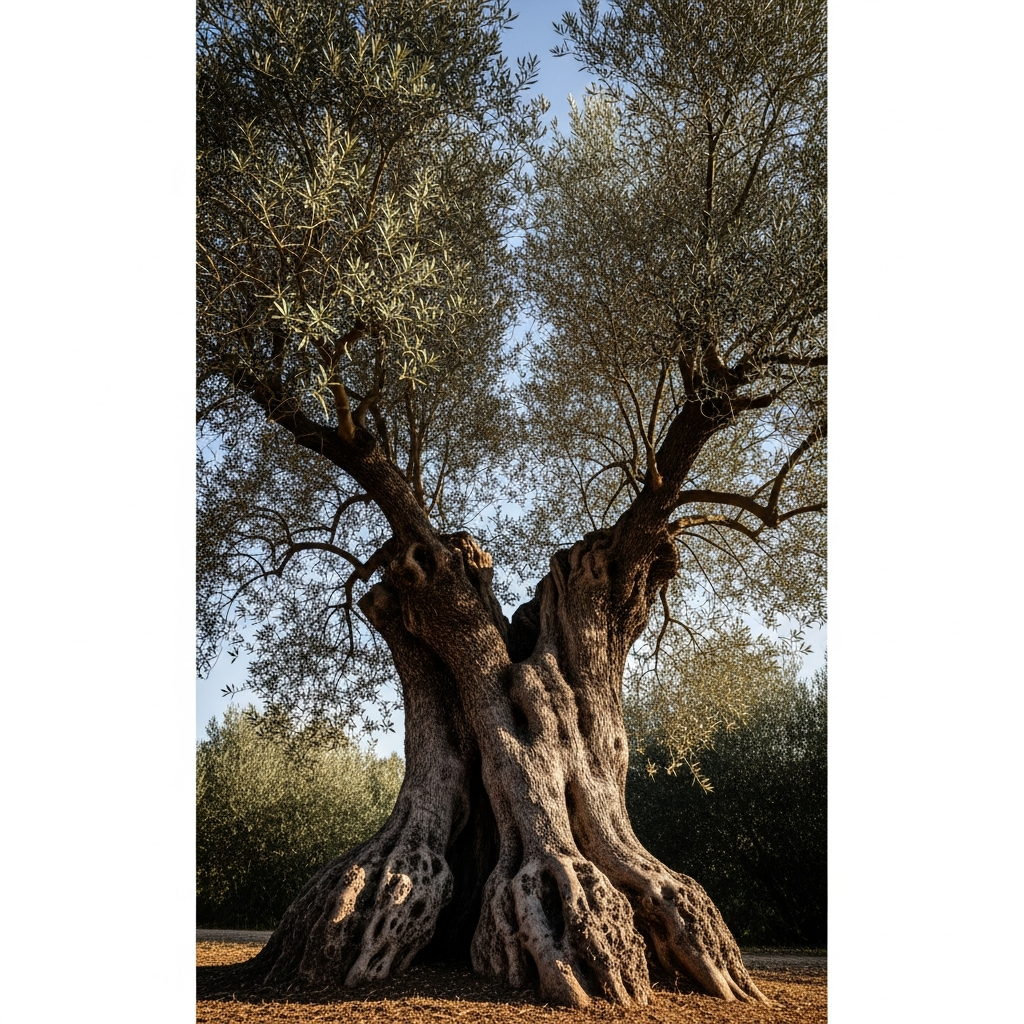
Stoneware mug, dishwasher safe
Buy Mug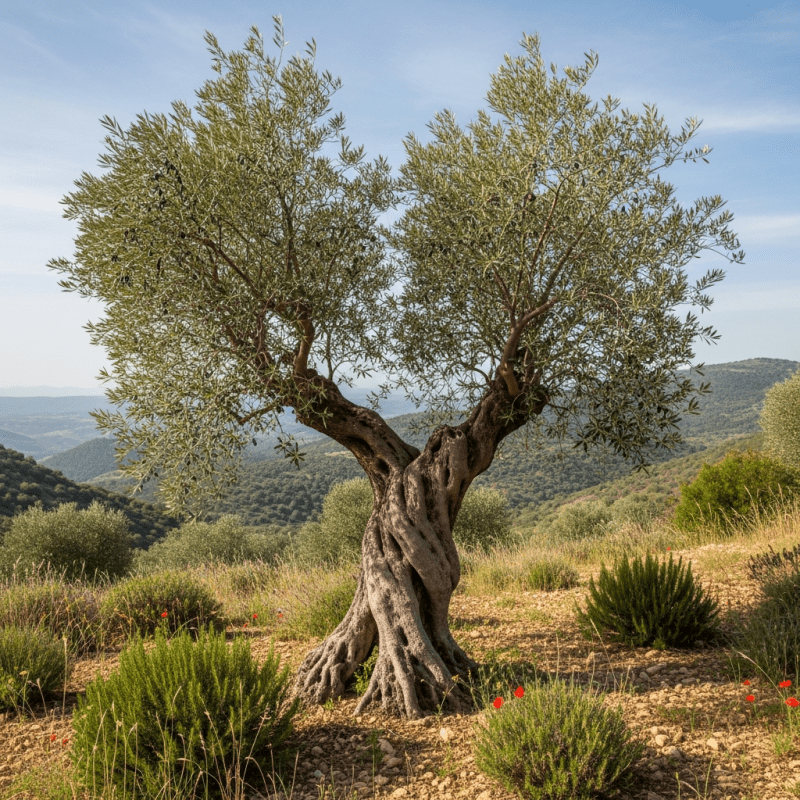
Soft cotton tee, unisex sizes
Buy ShirtThe olive tree is deeply woven into Mediterranean culture, featuring in classical art, literature, and religious traditions. It is a symbol of peace, wisdom, and prosperity, appearing in ancient Greek and Roman myths, biblical stories, and modern iconography. Olive branches have crowned victors and peacemakers, and olive oil has played roles in rituals, medicine, and cuisine for millennia, making the tree an enduring emblem of civilization and heritage.
Olive trees are cornerstone species in Mediterranean ecosystems. Their evergreen canopy provides shade and shelter for wildlife, while their flowers attract pollinators. Fallen leaves and fruit enrich the soil, supporting microbial life. Wild olives contribute to genetic diversity and serve as habitat for birds and insects. The tree’s drought tolerance helps stabilize soils and maintain landscape resilience in arid regions.
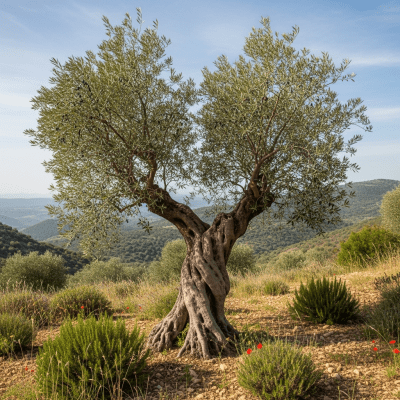
Olive trees are native to the Mediterranean Basin, flourishing in regions with calcareous soils and a climate marked by hot, dry summers and mild, wet winters. Today, they are cultivated across southern Europe, North Africa, the Middle East, and in suitable climates worldwide—including California, South Australia, and South Africa. Wild olives persist in rocky, sunlit hillsides, while cultivated groves shape rural landscapes and economies.
Olive trees require well-drained, calcareous soils and full sun. They are drought-tolerant but benefit from deep, infrequent watering during dry spells. Pruning encourages healthy growth and fruit production, while regular monitoring helps control pests like olive fruit fly and diseases such as Verticillium wilt. Propagation is commonly by cuttings or grafting, and selecting disease-resistant cultivars improves success. Mature trees need minimal fertilization and thrive with thoughtful, low-input care.
Major threats to olive trees include pests (notably the olive fruit fly), fungal diseases (such as Verticillium wilt and olive knot), and climate change impacts like drought and shifting weather patterns. Conservation efforts focus on preserving ancient groves, maintaining genetic diversity among wild and cultivated populations, and developing resistant cultivars. Sustainable management and integrated pest control are key to protecting this iconic species for future generations.
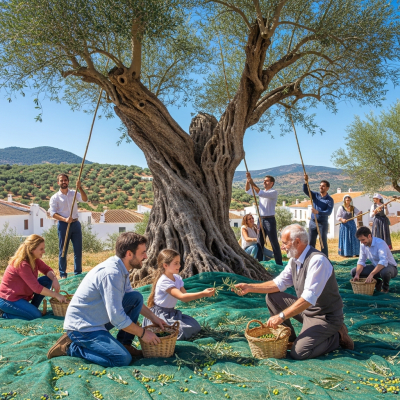
Olives are harvested for direct consumption and oil extraction, with olive oil serving as a staple in Mediterranean diets and a major global commodity. Table olives are processed by curing to remove bitterness, while the oil is classified by extraction method and quality. Olive wood is valued for its durability and aesthetic appeal in carving and furniture. Leaves are used in traditional remedies and as animal fodder, and olive oil finds additional uses in cosmetics, soaps, and religious rituals.
The olive tree has symbolized peace, wisdom, and prosperity since antiquity. In Greek mythology, Athena gifted the olive to Athens, and olive branches have crowned Olympic victors. In religious texts, the olive is a sign of hope and renewal—most famously in the biblical story of the dove returning to Noah with an olive leaf. Across cultures, the tree is revered for its endurance, generosity, and the richness it brings to daily life.