Ceiba Pentandra
Ceiba pentandra, commonly known as kapok, is a towering tropical tree prized for its silky, water-resistant fiber and vital role in both natural ecosystems and human economies.
Ceiba pentandra, commonly known as kapok, is a towering tropical tree prized for its silky, water-resistant fiber and vital role in both natural ecosystems and human economies.
The kapok tree originated in the lush rainforests of Central and South America, where it evolved as a wild species long before its formal description by Carl Linnaeus in the late 18th century. Its remarkable fiber led to its widespread cultivation in West Africa and Southeast Asia, making kapok a truly global tree with a deep-rooted history of human use and adaptation.
Ceiba pentandra belongs to the Malvaceae family within the order Malvales, class Magnoliopsida, division Magnoliophyta, and kingdom Plantae. As an angiosperm, it is part of the flowering tree lineage, and its genus Ceiba includes several other notable tropical species. The kapok tree is distinguished from similar fiber-producing trees by its unique botanical characteristics and taxonomic authority: (L.) Gaertn.
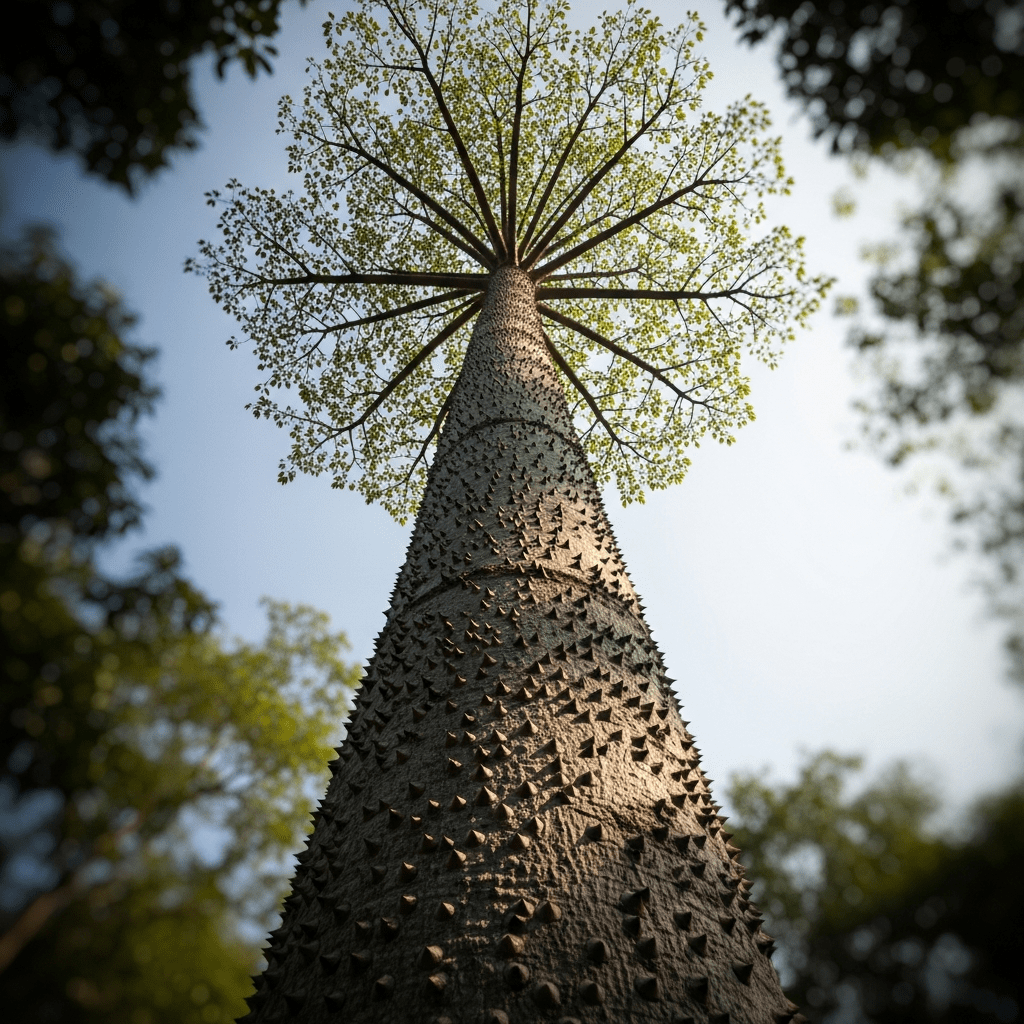
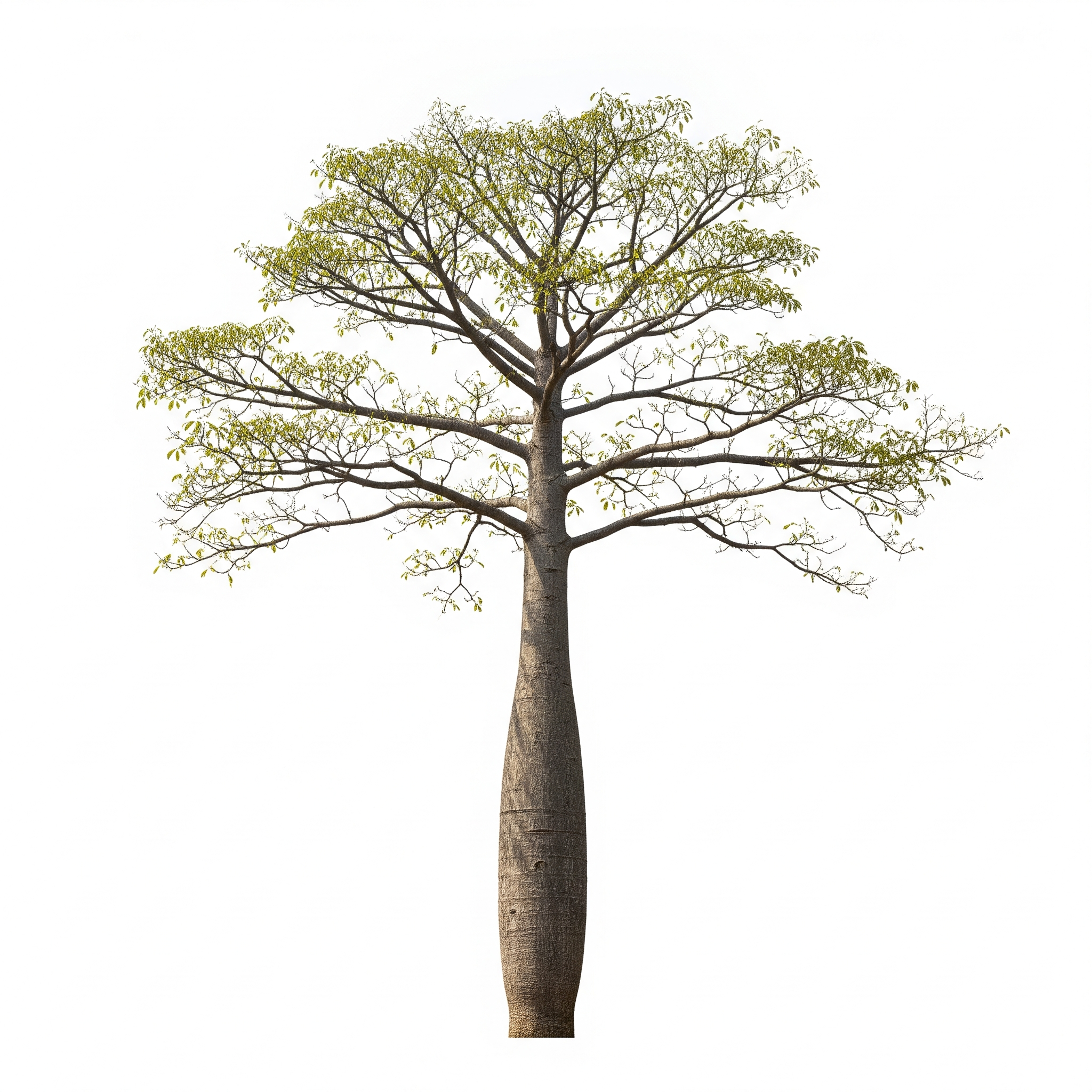
The kapok tree is visually striking, often reaching heights of 60–70 meters. Its straight, cylindrical trunk is frequently armored with conical spines, and it supports a broad, umbrella-shaped canopy. The palmate leaves typically have 5–9 slender leaflets, while large, showy flowers—white to pale pink—emerge and attract bats for pollination. The tree's seed pods burst open to reveal clouds of silky, buoyant fiber surrounding glossy black seeds, a sensory spectacle in tropical forests.
Kapok trees thrive in tropical climates with seasonal rainfall and can withstand periodic flooding. Their rapid growth and adaptability make them valuable for reforestation and shade. Humans harvest the kapok fiber for use in mattresses, pillows, life jackets, and insulation, while the seeds yield oil for soap and food additives. The lightweight wood serves local needs for construction and carving, and the tree is a popular ornamental and shade species in tropical cities.
Bring this kind into your world illustrated posters, mugs, and shirts.
Archival print, museum-grade paper
Buy Poster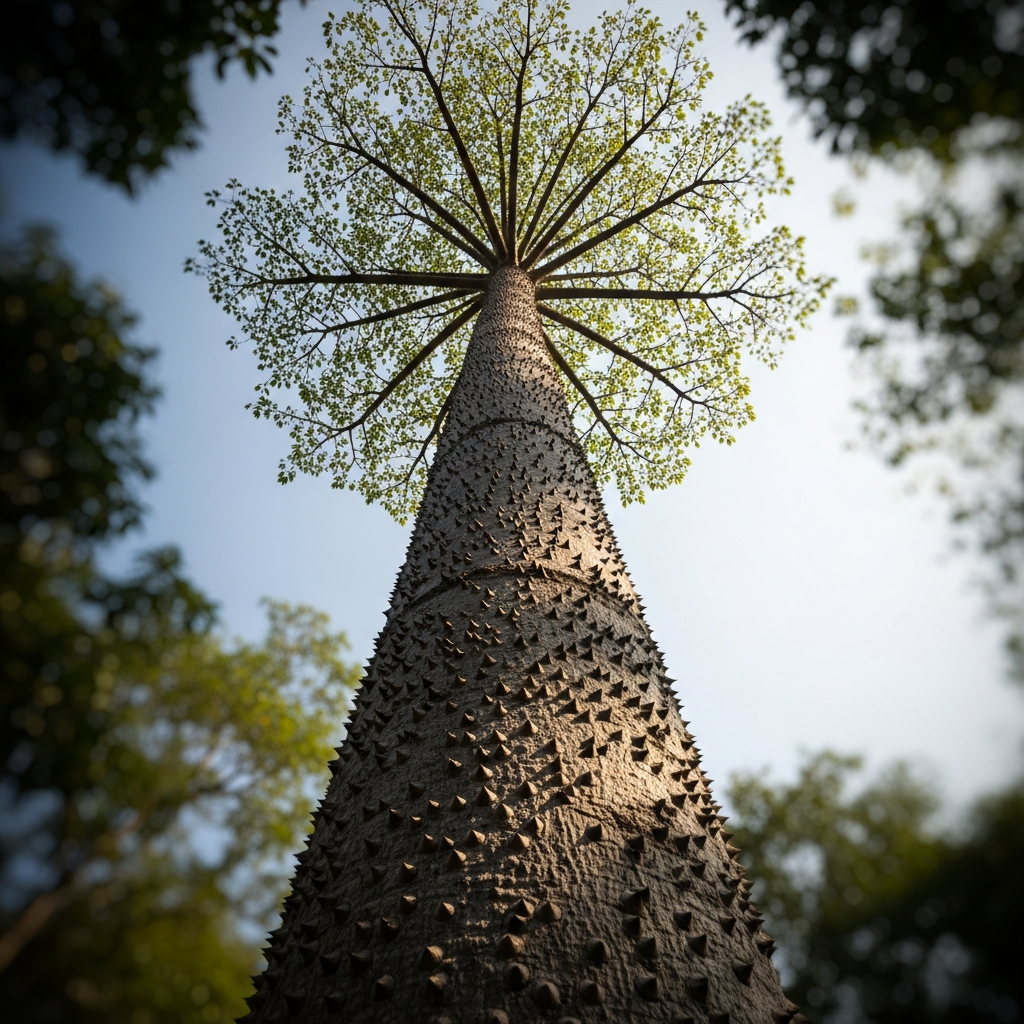
Stoneware mug, dishwasher safe
Buy Mug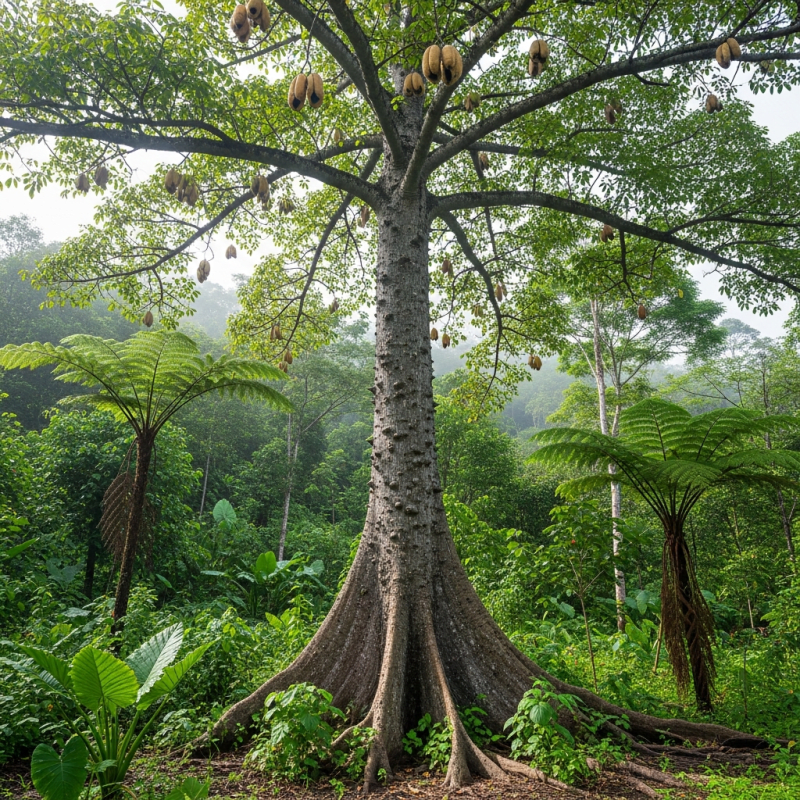
Soft cotton tee, unisex sizes
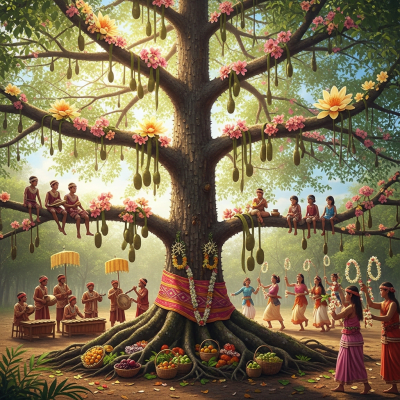
Buy ShirtCeiba pentandra is deeply woven into the cultural fabric of tropical regions. Revered in indigenous mythologies as a sacred tree, it symbolizes strength, resilience, and connection between earth and sky. In Latin America, the ceiba is often associated with spiritual protection, and its imposing presence in city parks and plazas makes it a living landmark. Its fiber and medicinal uses have shaped local traditions and livelihoods for generations.
Kapok trees are ecological pillars in tropical forests. Their towering trunks and expansive canopies provide habitat and food for birds, bats, insects, and mammals. The bat-pollinated flowers support nocturnal pollinators, while the seed pods feed wildlife and aid in dispersal. Kapok trees help stabilize soils in flood-prone areas and contribute to forest regeneration through rapid growth and shade provision.
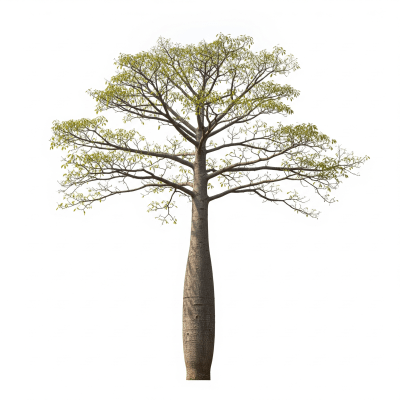
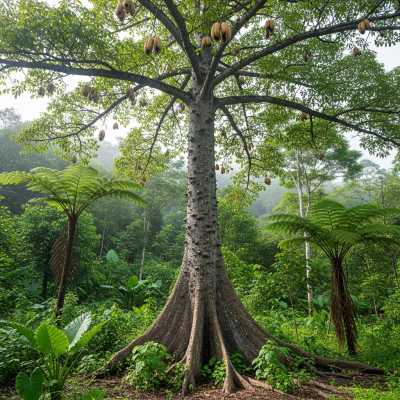

Ceiba pentandra is native to the Neotropics, spanning Central and South America, and has been introduced to West Africa and Southeast Asia for commercial cultivation. It flourishes in lowland tropical forests, riverbanks, and floodplains, preferring deep, well-drained soils and full sunlight. Its adaptability allows it to thrive in both wild and urban tropical landscapes.
Kapok trees are best propagated from seed and require deep, well-drained soils and abundant sunlight. They grow rapidly and tolerate seasonal flooding, but their height and soft wood make them vulnerable to wind damage. Regular monitoring for pests and diseases is recommended, and mature trees can yield 15–20 kg of fiber annually. Pruning is rarely necessary, but young trees benefit from protection against grazing and mechanical injury.
While kapok is not currently considered threatened, habitat loss and unsustainable harvesting can impact local populations. Its ecological importance as a keystone species in tropical forests underscores the need for conservation of natural habitats and sustainable fiber production practices. In some regions, urban expansion and agricultural conversion pose risks to wild kapok stands.
Kapok fiber is highly valued for its buoyancy and softness, historically used in bedding, upholstery, and life-saving equipment. The seeds are pressed for oil, utilized in soap-making and as a food additive. Locally, the lightweight wood is carved into canoes and decorative items, though its lack of durability limits broader construction use. Medicinal applications include treatments for fever and dysentery, and the tree's ornamental value enhances tropical urban landscapes.
In many cultures, the kapok tree is revered as a symbol of strength, longevity, and spiritual connection. In Latin American folklore, the ceiba is believed to link the earthly and divine realms, often serving as a gathering place for community rituals. Its imposing stature and resilience have inspired stories and legends across continents, making it a tree of mythic significance.