
Cherry
Cherry trees are deciduous members of the genus Prunus, celebrated for their beautiful spring blossoms and succulent edible fruits, with a rich presence in temperate landscapes worldwide.
Cherry trees are deciduous members of the genus Prunus, celebrated for their beautiful spring blossoms and succulent edible fruits, with a rich presence in temperate landscapes worldwide.
The cherry's story begins in the temperate zones of the Northern Hemisphere, where wild populations of Prunus species evolved across Europe, Asia, and North America. Sweet cherry (Prunus avium) traces its roots to Europe and western Asia, while sour cherry (Prunus cerasus) emerged from natural hybridization between P. avium and P. fruticosa. Black cherry (Prunus serotina) is native to North America. Over centuries, humans have cultivated and selected cherry varieties for improved fruit quality, ornamental value, and adaptability, resulting in the diverse cherries grown today.
Cherries belong to the genus Prunus within the rose family (Rosaceae). This places them among other fruit-bearing trees such as plums, peaches, and almonds. Their botanical path is: Kingdom Plantae > Division Magnoliophyta > Class Magnoliopsida > Order Rosales > Family Rosaceae > Genus Prunus. The group includes both wild and cultivated species, with many hybrids and ornamental forms recognized.
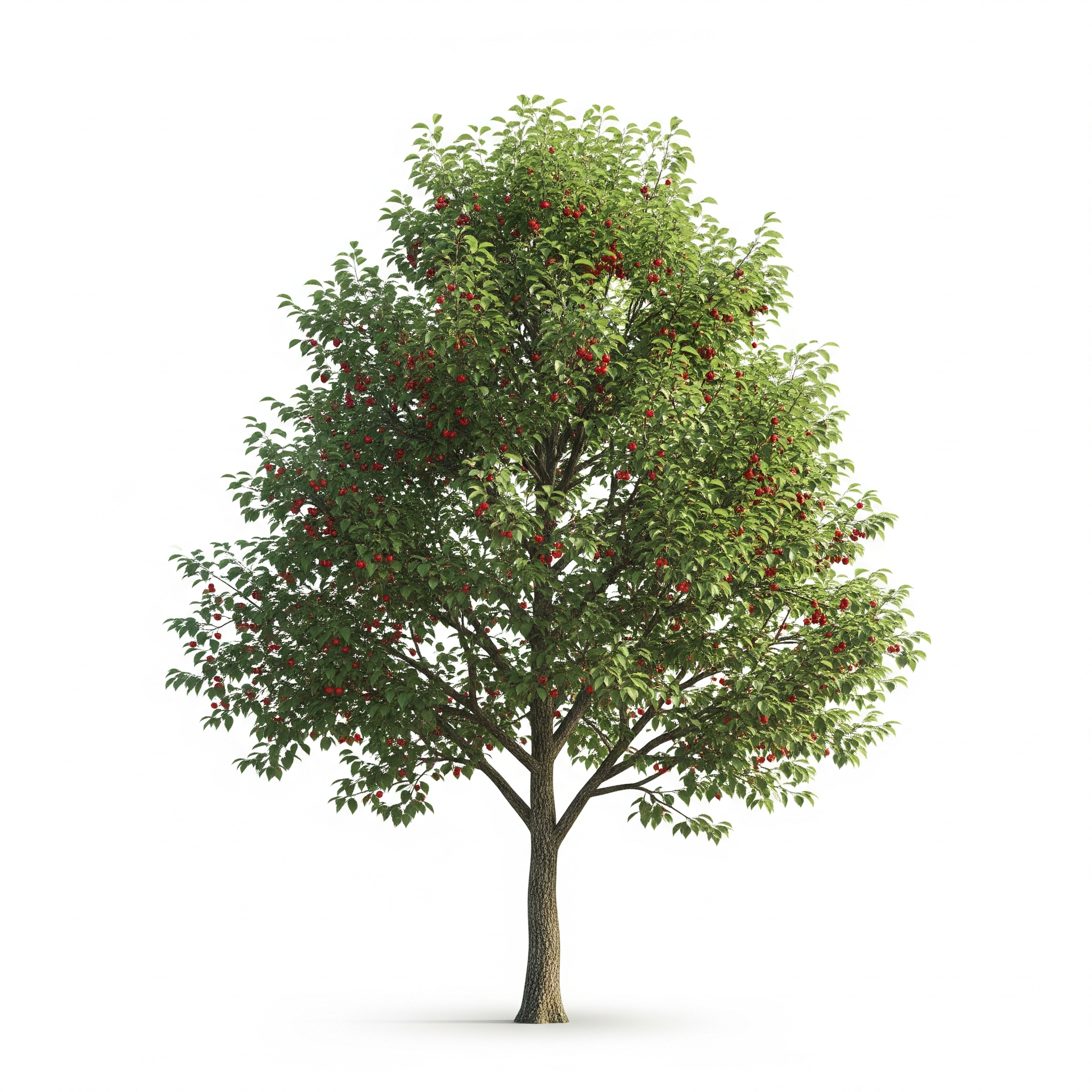
Cherry trees typically stand 5–20 meters tall, featuring a single sturdy trunk and a rounded or spreading canopy. Their leaves are simple, alternate, and finely serrated, lending a lush green texture in summer. In early spring, clusters of delicate white or pink flowers burst forth, often before the leaves emerge, creating a striking visual spectacle. The fruit is a small, glossy drupe—most often red, but also found in shades of black or yellow—ranging from sweet to tart in flavor.
Cherries are cultivated both for their delicious fruit and for ornamental beauty. Sweet cherries are enjoyed fresh, while sour cherries are favored in baking and preserves. Ornamental varieties are planted for their spectacular springtime blossoms, drawing crowds to festivals like Japan's hanami. Cherry trees also provide habitat and food for wildlife, and their wood, especially from black cherry, is prized in fine woodworking.
Bring this kind into your world illustrated posters, mugs, and shirts.
Archival print, museum-grade paper
Buy Poster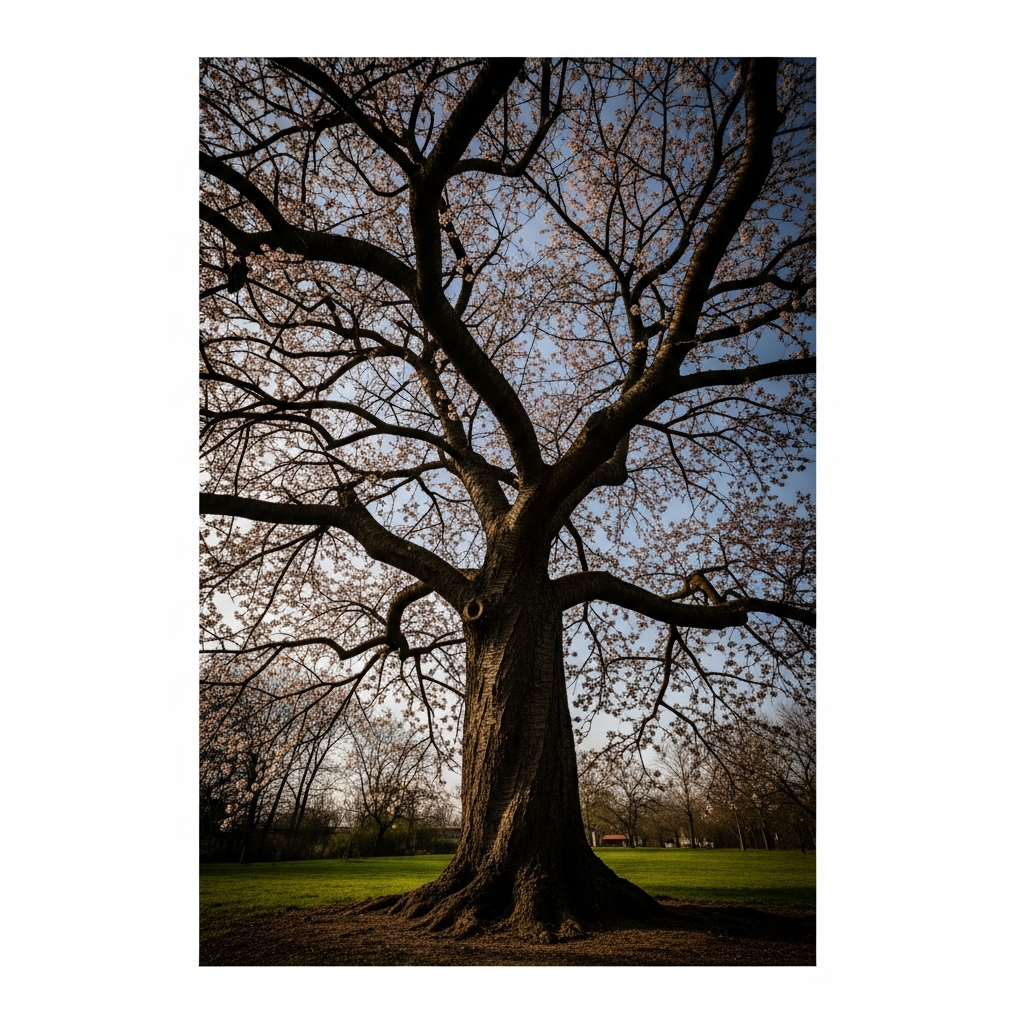
Stoneware mug, dishwasher safe
Buy Mug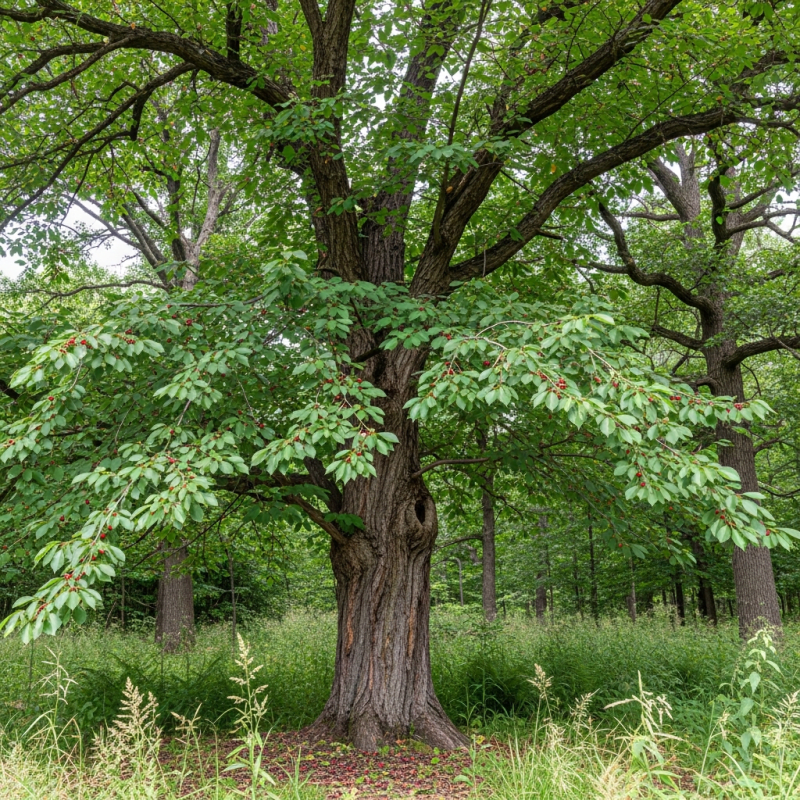
Soft cotton tee, unisex sizes
Buy ShirtCherry trees hold deep cultural resonance. In Japan, the blossoming of sakura (ornamental cherry) is a national symbol of renewal and fleeting beauty, celebrated in hanami festivals. Across Europe and North America, cherries feature in folklore, art, and cuisine. Their blossoms and fruits have inspired poets, painters, and culinary traditions, making cherries a beloved motif in global culture.
Cherry trees contribute to their ecosystems by providing nectar and pollen for bees and other pollinators during spring. Their fruits feed birds, mammals, and insects, supporting local food webs. The trees offer shelter and nesting sites, while their roots help stabilize soil and prevent erosion. Fallen leaves and fruit enrich the forest floor, cycling nutrients back into the environment.
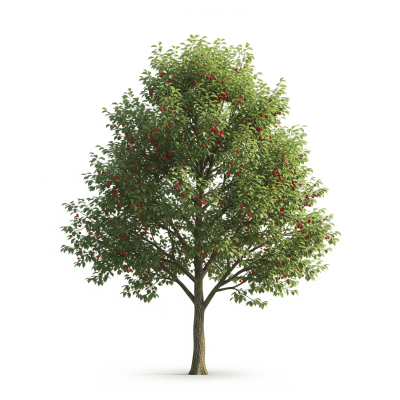
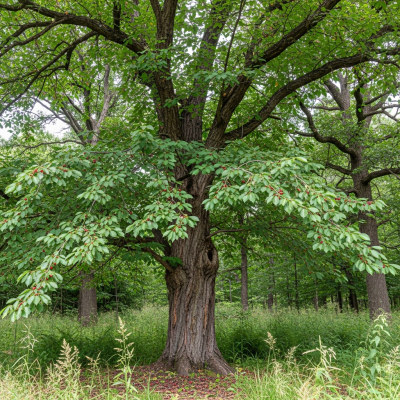


Cherries are native to temperate regions of Europe, Asia, and North America. Wild species thrive in woodlands, forest edges, and open hillsides, while cultivated cherries are grown in orchards and gardens worldwide. They prefer well-drained soils and climates with distinct winter chilling, which is essential for fruit set.
To cultivate cherries, plant in a sunny location with well-drained soil. Ensure winter chilling requirements are met for reliable fruiting. Regular pruning helps maintain shape and health, while monitoring for pests (like cherry fruit fly and aphids) and diseases (such as brown rot) is essential. Some cultivars offer resistance to common problems. Mature sweet cherry trees can yield 20–50 kg of fruit annually; sour cherries somewhat less. Lifespans range from 20 to 60 years with proper care.
Cherry trees face threats from pests, including fruit flies and aphids, and diseases such as brown rot and bacterial canker. Habitat loss and climate change may affect wild populations. Conservation efforts focus on preserving genetic diversity in wild species and developing disease-resistant cultivars for cultivation. Some cherry species are monitored for conservation status by organizations like the IUCN.
Cherries are economically significant as fresh fruit, ingredients in preserves, juices, and alcoholic beverages. Black cherry wood is highly sought after for furniture and cabinetry due to its fine grain and rich color. Ornamental cherry trees enhance landscapes and public spaces, especially in spring. Cherries also play a role in traditional medicine and provide food for wildlife.
Cherry trees symbolize beauty, renewal, and the fleeting nature of life, especially in Japanese culture where sakura blossoms are celebrated each spring. In Western folklore, cherries represent sweetness and abundance, but also transience. Their blossoms and fruits have inspired countless stories, poems, and rituals across cultures.