Ironwood
Ironwood refers to a diverse group of tree species renowned for their exceptionally hard, dense wood, prized worldwide for durability and resistance to decay.
Ironwood refers to a diverse group of tree species renowned for their exceptionally hard, dense wood, prized worldwide for durability and resistance to decay.
The name "ironwood" has no single origin, instead encompassing species from distinct evolutionary lineages found across continents. Olneya tesota, known as Desert Ironwood, is native to the Sonoran Desert of North America, first described in the 19th century. Eusideroxylon zwageri, or Bornean Ironwood, hails from the rainforests of Borneo and Sumatra, documented in the mid-1800s. Other ironwood species have emerged independently in Asia, Australia, and the Caribbean, each adapted to its unique environment.
Ironwood is a polyphyletic term, meaning it spans multiple genera and families rather than a single taxonomic group. Prominent examples include Olneya (Fabaceae), Eusideroxylon (Lauraceae), Mesua (Calophyllaceae), Casuarina (Casuarinaceae), and Krugiodendron (Rhamnaceae). The unifying trait is not lineage but the remarkable density and durability of the wood, leading to the shared vernacular name across unrelated species.
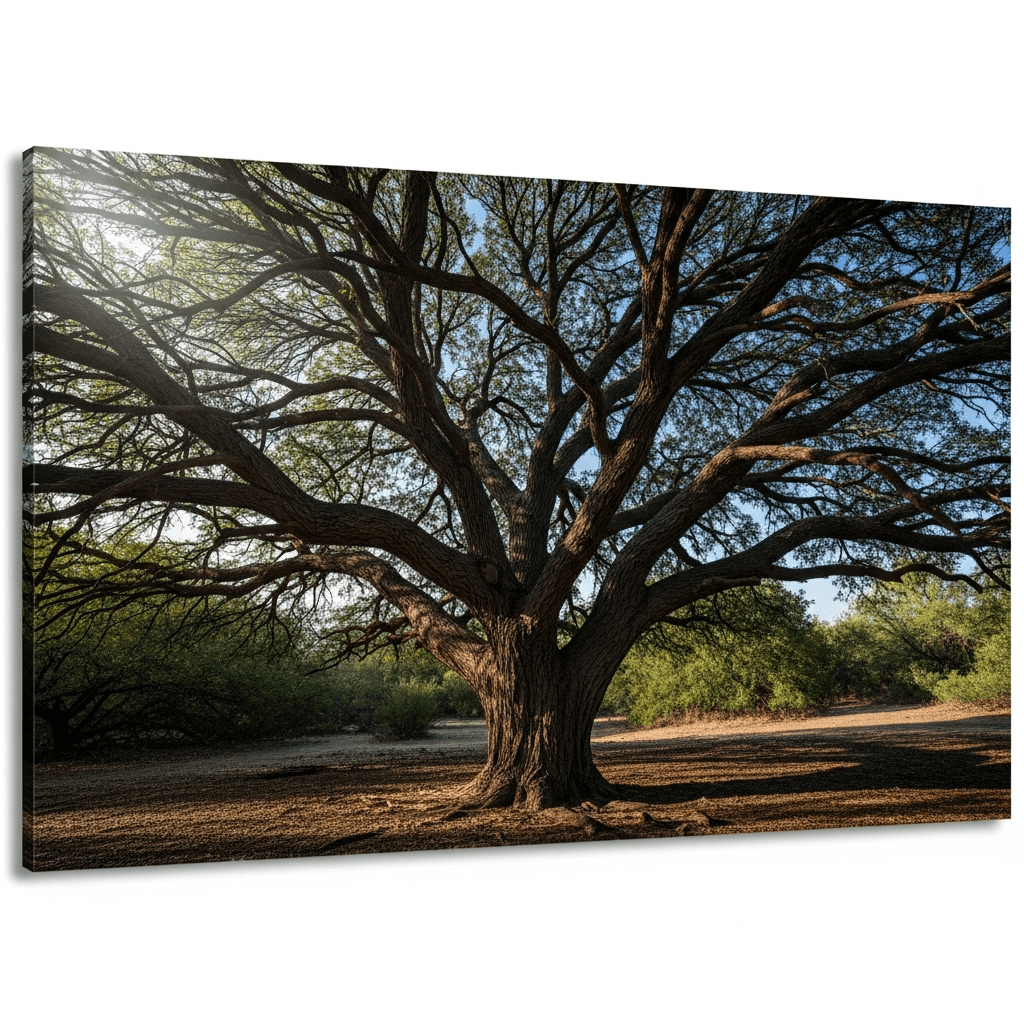
Ironwood trees vary greatly in appearance depending on species and habitat. Olneya tesota is a medium-sized tree, reaching up to 10 meters, with gray-green leaves and striking purple flowers. Eusideroxylon zwageri can soar to 40 meters, featuring a straight trunk and small, leathery leaves. Despite morphological diversity, all ironwoods share wood that is extremely dense, heavy, and often dark in color, making logs notably difficult to handle and process.
Ironwood trees are valued for their slow growth and resilience. Their wood is famously resistant to termites, fungi, and rot, making it ideal for heavy-duty construction, railway ties, tool handles, flooring, and fine carving. Some species are drought-tolerant, thriving in arid regions, while others flourish in humid rainforests. Ironwoods also serve ornamental purposes and, in certain cultures, are crafted into ceremonial objects and traditional tools.
Bring this kind into your world illustrated posters, mugs, and shirts.

Archival print, museum-grade paper
Buy Poster
Stoneware mug, dishwasher safe
Buy Mug
Soft cotton tee, unisex sizes
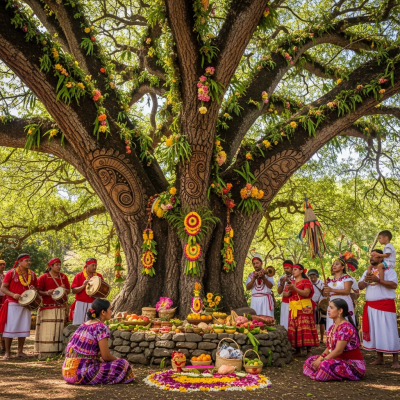
Buy ShirtAcross the globe, ironwood has earned a reputation for strength and longevity, often symbolizing endurance in local folklore. In Southeast Asia, Bornean Ironwood is used for ceremonial carvings and traditional crafts, reflecting its esteemed status. In desert regions, Desert Ironwood is revered for providing shade and habitat, and its wood is sometimes featured in indigenous art and tools. The name itself evokes resilience and utility, making ironwood a cultural touchstone wherever it grows.
Ironwood trees play vital roles in their native ecosystems. Olneya tesota acts as a keystone species in the Sonoran Desert, offering shade, shelter, and food for birds, mammals, and insects. Eusideroxylon zwageri contributes to the structure and biodiversity of Southeast Asian rainforests, supporting a range of wildlife and stabilizing forest soils. Their longevity and resilience help maintain ecological balance, especially in harsh or nutrient-poor environments.
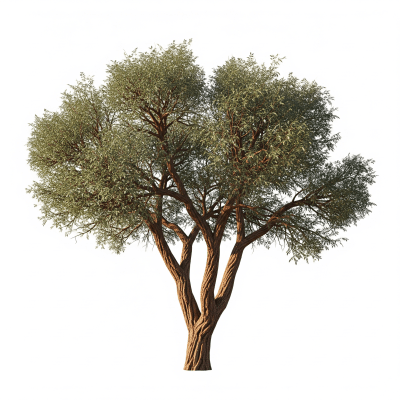
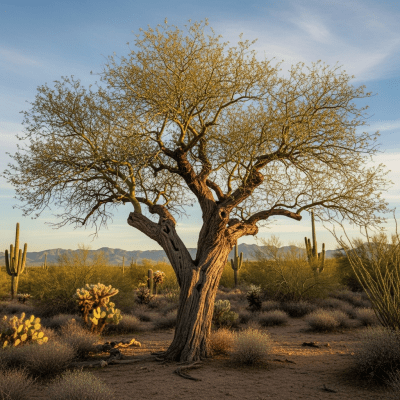
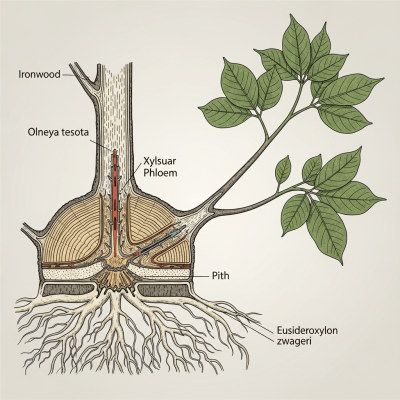
Ironwood species are distributed globally, each adapted to distinct habitats. Olneya tesota thrives in the arid Sonoran Desert of North America. Eusideroxylon zwageri is native to the humid rainforests of Borneo and Sumatra. Mesua ferrea grows in South Asian tropical forests, while Casuarina equisetifolia is found along Australian coasts. Krugiodendron ferreum inhabits Caribbean woodlands. Despite the shared name, ironwoods occupy environments ranging from deserts to rainforests.
Growing ironwood trees requires patience and attention to their specific needs. Most species are slow-growing and may take decades to mature. Desert Ironwood prefers well-drained, sandy soils and full sun, tolerating drought but not frost. Bornean Ironwood needs humid, tropical conditions and rich forest soils. Ironwoods generally require minimal pruning but benefit from protection against overharvesting. Propagation is often by seed, though germination rates can be low due to hard seed coats.
Many ironwood species face threats from overexploitation, habitat loss, and slow natural regeneration. Bornean Ironwood, in particular, is threatened by unsustainable logging in Southeast Asia. Conservation efforts include legal protection, sustainable forestry practices, and habitat restoration. Because ironwoods are slow to recover from disturbance, safeguarding mature trees and promoting responsible use are crucial for their survival.
Ironwood is highly valued in industry and crafts for its unmatched hardness and durability. Its timber is used in heavy construction, railway ties, tool handles, flooring, and fine carvings. Some species serve ornamental roles in landscaping, while others are integral to traditional crafts and ceremonial objects. Medicinal uses are limited and species-dependent. Due to its density, ironwood is difficult to process, making it a specialty material for skilled artisans and builders.
Ironwood trees symbolize strength, endurance, and resilience in many cultures. In Southeast Asia, Bornean Ironwood is revered for its longevity and is often featured in traditional ceremonies. In desert communities, Desert Ironwood is seen as a life-giver, providing shade and shelter in harsh landscapes. Folklore sometimes attributes protective or healing powers to ironwood, and its enduring nature makes it a metaphor for steadfastness and reliability.