Fir
Firs are evergreen, coniferous trees of the genus Abies, celebrated for their symmetrical form, aromatic needle-like leaves, and upright cones, and are widely valued in forests and as ornamental trees.
Firs are evergreen, coniferous trees of the genus Abies, celebrated for their symmetrical form, aromatic needle-like leaves, and upright cones, and are widely valued in forests and as ornamental trees.
The genus Abies was formally described in 1754 by botanist Philip Miller. Firs are native to the vast expanse of the Northern Hemisphere, thriving across North America, Europe, Asia, and North Africa. Their evolutionary roots reach back to the late Cretaceous period, making them ancient members of the Pinaceae family.
Firs belong to the kingdom Plantae, division Pinophyta, class Pinopsida, order Pinales, and family Pinaceae. The genus Abies encompasses approximately 48–55 recognized species, and is closely related to other conifers such as pines and spruces, though firs are distinguished by their unique needle arrangement and cone structure.
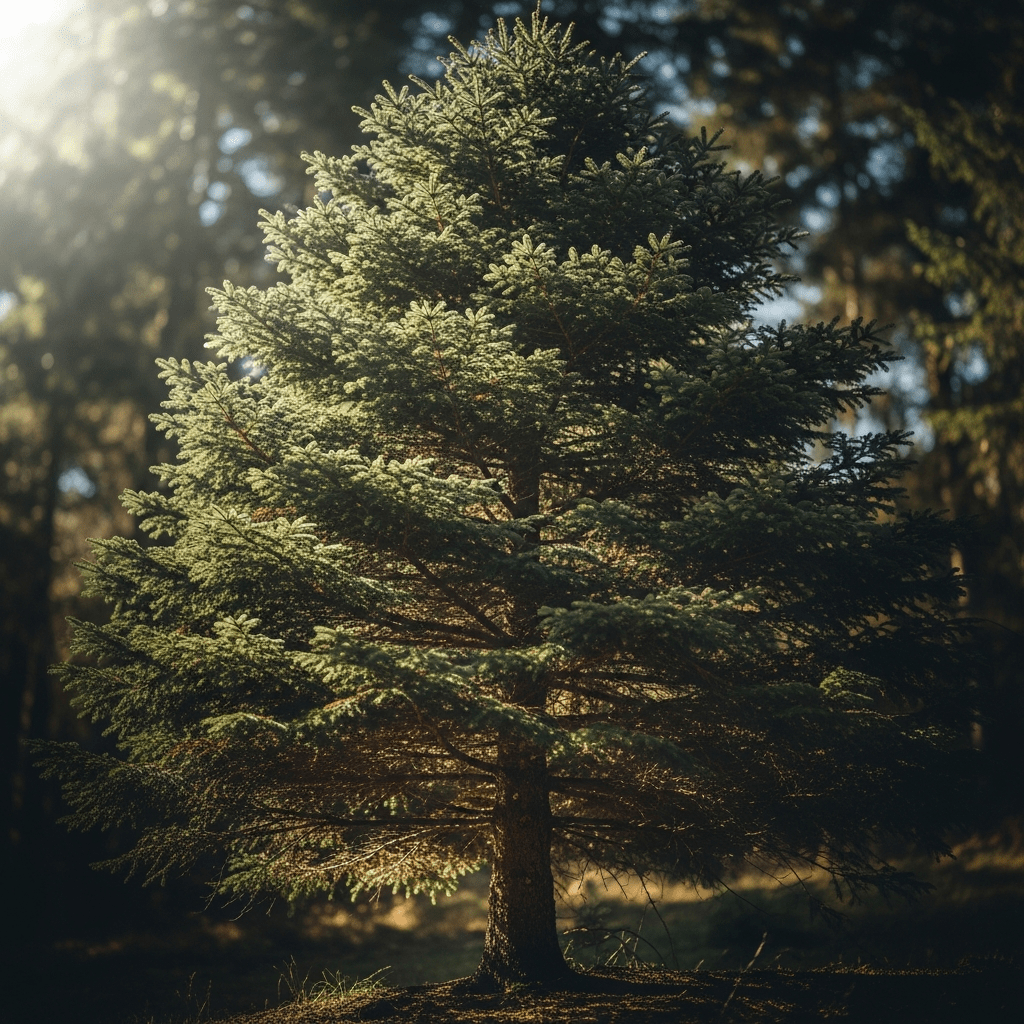
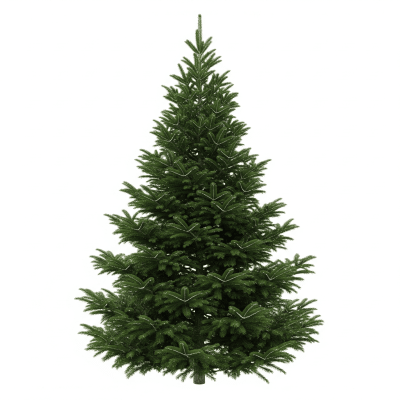
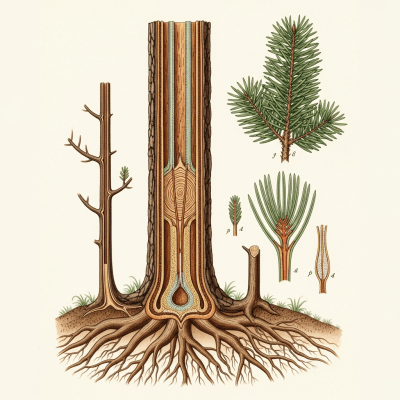
Firs are large, stately trees with a single straight trunk and a naturally symmetrical, pyramidal crown. Their needles are flattened, soft, and aromatic, attached singly to the branches with a base resembling a suction cup. Young bark is smooth and gray, becoming deeply fissured with age. Upright, cylindrical cones perch atop branches, disintegrating at maturity to release winged seeds. The overall impression is one of elegant verticality and refined texture.
Firs play a vital role in forest ecosystems, providing shade, shelter, and food for wildlife. They are shade-tolerant and thrive in cool, moist climates with acidic soils. Humans cultivate firs for timber, paper, and ornamental purposes, with several species—especially balsam and Nordmann fir—prized as Christmas trees for their form and fragrance. Their resin is used in traditional medicines and as Canada balsam in optics.
Bring this kind into your world illustrated posters, mugs, and shirts.
Archival print, museum-grade paper
Buy Poster
Stoneware mug, dishwasher safe
Buy Mug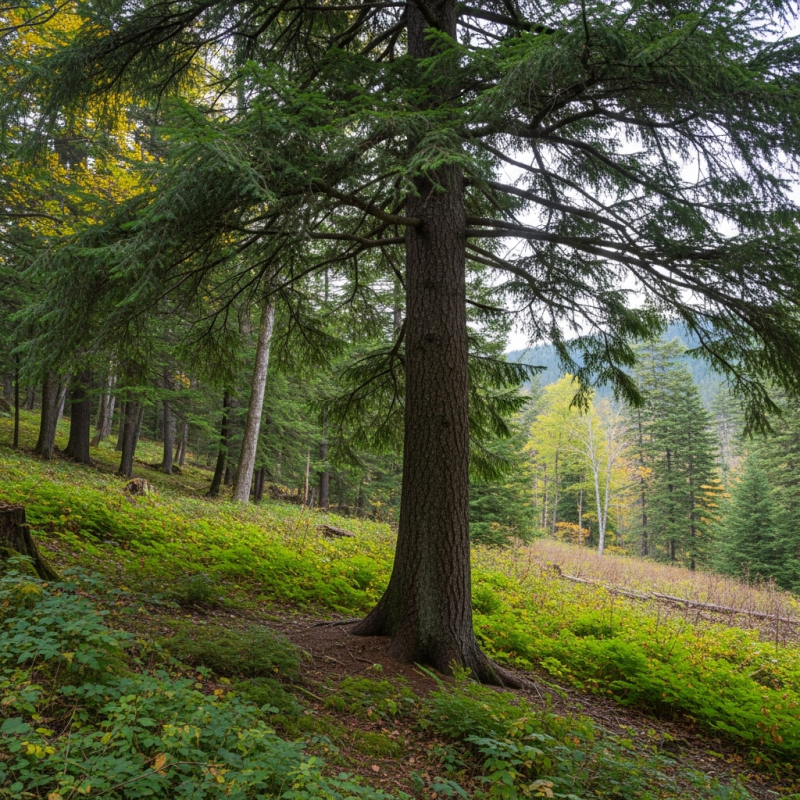
Soft cotton tee, unisex sizes
Buy ShirtFirs hold a special place in holiday traditions, most notably as the classic Christmas tree in Europe and North America. Their symmetrical beauty and evergreen nature symbolize endurance and hope in winter festivals. In folklore, firs are often associated with protection, purity, and renewal, appearing in art and literature as emblems of steadfastness and natural grace.
Firs are keystone species in temperate and boreal forests, shaping understory conditions and providing habitat for birds, mammals, and insects. Their dense canopies moderate microclimates, while seeds and needles offer food and shelter. Firs also contribute to soil stability and nutrient cycling, supporting rich forest biodiversity.
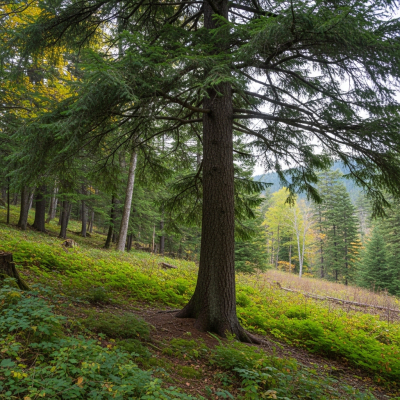

Firs are native to much of the Northern Hemisphere, with species distributed across North America, Europe, Asia, and North Africa. They flourish in cool, moist climates, often forming dense stands in mountainous regions and boreal forests. Preferred habitats include acidic soils and shaded environments, where they can dominate the canopy and shape forest dynamics.
Firs are best grown in cool, moist climates with well-drained, acidic soils. They prefer partial shade but can tolerate full sun in temperate regions. Regular watering and protection from root rot and fungal pathogens are essential, especially in young trees. Avoid waterlogged soils and monitor for bark beetle infestations. Pruning is rarely needed, as firs naturally maintain a tidy form. For propagation, seeds are most common, though germination may require cold stratification.
Major threats to firs include root rot, fungal pathogens, bark beetles, and habitat loss due to logging and climate change. Some species face regional declines and are monitored for conservation status. Sustainable forestry practices, pest management, and habitat protection are crucial for preserving fir diversity and forest health.
Fir wood is soft and lightweight, used in construction, furniture, and paper production, though it is less durable than other conifers. Firs are cultivated extensively as ornamental trees, especially for Christmas celebrations. Their resin is harvested for Canada balsam, a traditional optical mounting medium, and has applications in folk medicine. Culinary uses are rare, limited to minor flavoring and remedies with young shoots and resin.
Firs symbolize endurance, purity, and hope, especially in winter festivals where their evergreen nature is celebrated. In folklore, firs are believed to offer protection and renewal, and their presence in art and literature often evokes steadfastness and natural beauty. The tradition of decorating firs as Christmas trees has become a global emblem of festivity and togetherness.