
Eucalyptus
Eucalyptus is a vast genus of aromatic, fast-growing trees and shrubs native primarily to Australia, celebrated for their distinctive bark, evergreen foliage, and global economic importance.
Eucalyptus is a vast genus of aromatic, fast-growing trees and shrubs native primarily to Australia, celebrated for their distinctive bark, evergreen foliage, and global economic importance.
Eucalyptus originated in Australia, where it evolved to dominate much of the continent’s forested landscape. The genus was first formally described in 1788 by French botanist Charles Louis L’Héritier de Brutelle, with Eucalyptus obliqua as the type species. While most species are Australian, a few are native to neighboring regions such as New Guinea and Indonesia. Over time, taxonomic revisions have refined the group, with some former members now classified in related genera like Corymbia and Angophora.
Eucalyptus belongs to the family Myrtaceae within the order Myrtales, class Magnoliopsida, division Magnoliophyta, and kingdom Plantae. The genus comprises over 700 species, making it one of the largest and most diverse groups of flowering trees. Botanically, Eucalyptus is closely related to other genera in Myrtaceae, and its members are recognized for their woody structure, evergreen habit, and specialized adaptations to fire and drought.
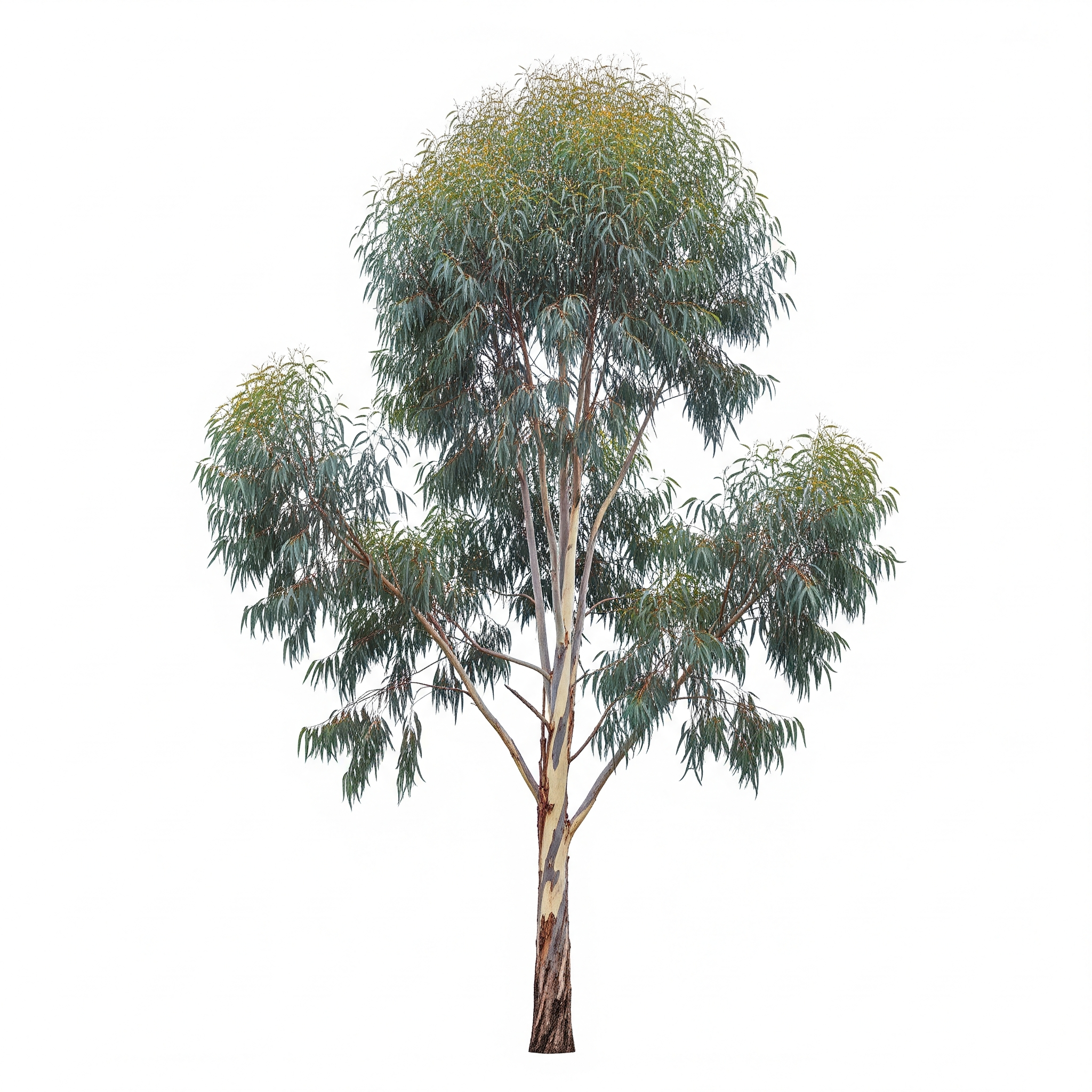
Eucalyptus trees typically present a tall, upright form with a single main trunk and an elevated, open canopy. Their leaves are lance-shaped, leathery, and highly aromatic, rich in volatile oils like eucalyptol. Bark varies dramatically among species—some display smooth, pale bark that peels in strips, while others have rough, fibrous, or stringy textures. Flowers are striking, featuring clusters of long stamens and lacking petals, and the fruit is a woody capsule. Some species grow as multi-stemmed mallees, while giants like Eucalyptus regnans can soar over 60 meters in height.
Eucalyptus trees are renowned for their rapid growth and resilience, making them highly valued for timber, pulp, and essential oil production. Their leaves and bark contain compounds that deter herbivores and resist fire, with many species able to resprout from lignotubers after disturbance. Eucalyptus is widely planted worldwide as an ornamental, shade tree, and windbreak, and its flowers support honey production. However, its aggressive growth and allelopathic effects can impact local ecosystems, especially outside its native range.
Bring this kind into your world illustrated posters, mugs, and shirts.
Archival print, museum-grade paper
Buy Poster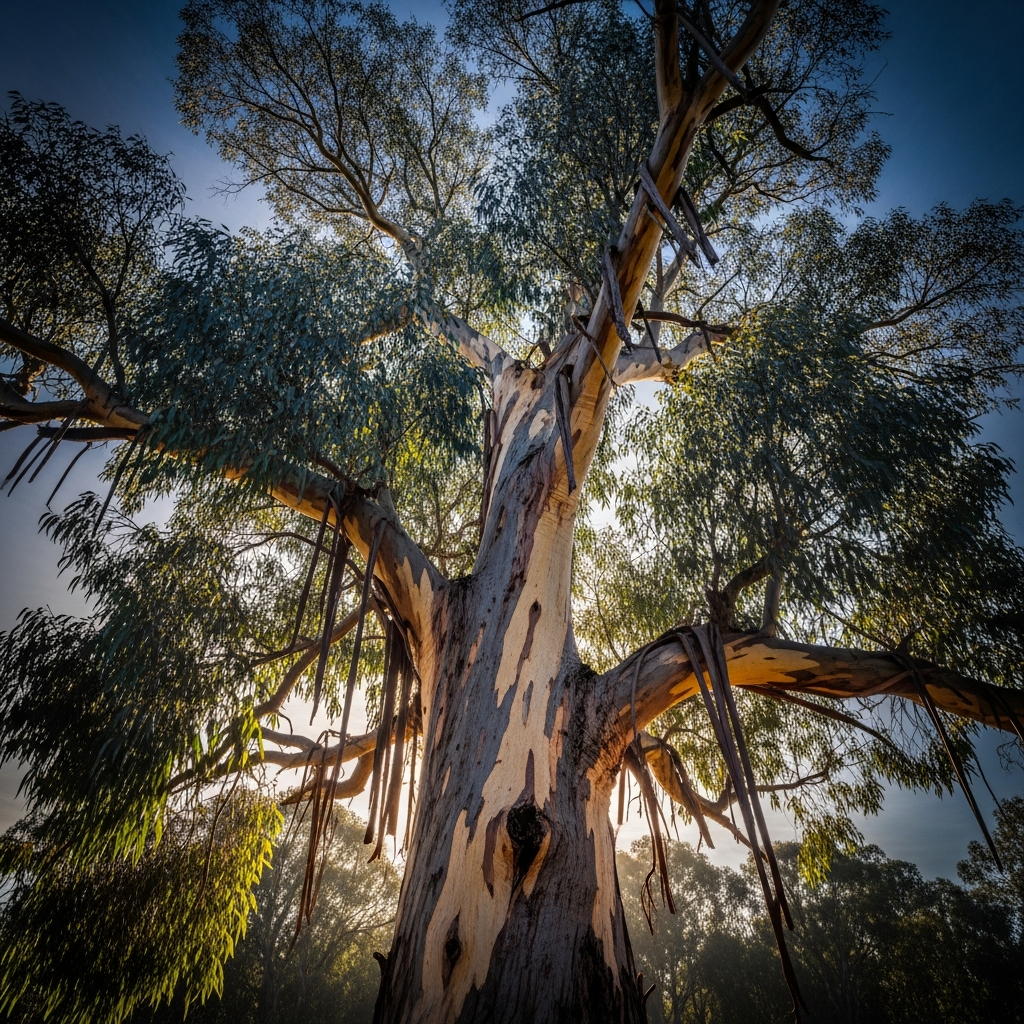
Stoneware mug, dishwasher safe
Buy Mug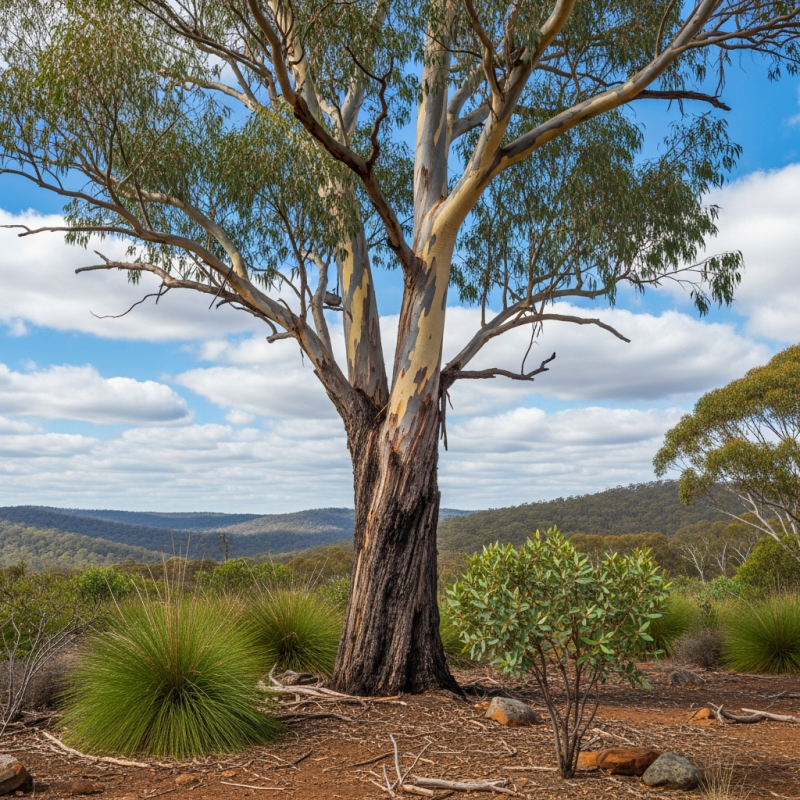
Soft cotton tee, unisex sizes
Buy ShirtIn Australia, Eucalyptus is deeply woven into cultural identity—often called "gum trees," these species feature prominently in Aboriginal lore, art, and poetry. Their silhouettes define the Australian landscape, and their scent is emblematic of the bush. Globally, Eucalyptus appears in literature and symbolism as a tree of healing and resilience, and its oil is a staple in traditional remedies and modern wellness products.
Eucalyptus trees are ecological keystones in Australian forests, providing habitat and food for wildlife such as koalas, which feed exclusively on their leaves. Their flowers attract pollinators, including bees and birds, supporting honey production and ecosystem diversity. Adapted to fire-prone environments, Eucalyptus species help regenerate landscapes after disturbance, but their dominance and allelopathic effects can suppress undergrowth and alter soil chemistry, especially in non-native regions.
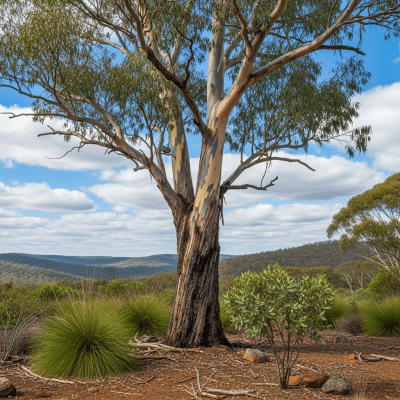


Eucalyptus is native primarily to Australia, where it dominates diverse habitats from coastal forests to arid inland regions. A handful of species extend to New Guinea and Indonesia. Through global cultivation, Eucalyptus now thrives in Africa, South America, southern Europe, India, and China, often in plantations. These trees prefer well-drained soils and full sun, and are especially adapted to fire-prone and drought-affected landscapes.
Eucalyptus is prized for its rapid growth and adaptability. For successful cultivation, plant in full sun with well-drained soil. Young trees benefit from protection against frost, as many species are sensitive. Regular watering is needed until established, after which most species tolerate drought. Watch for pests like psyllids and fungal diseases such as Mycosphaerella leaf spot. Prune for shape and remove dead wood to promote healthy growth. Propagation is typically by seed, though some species can be grown from cuttings.
While many Eucalyptus species are widespread and not threatened, some face risks from habitat loss, changing fire regimes, and invasive pests. Diseases such as Mycosphaerella leaf spot and infestations by psyllids can impact health and productivity. Conservation efforts focus on protecting native habitats, managing fire, and monitoring genetic diversity, especially for rare or regionally restricted species.
Eucalyptus is a cornerstone of global forestry and agriculture. Its timber is used in construction, furniture, and pulpwood, while essential oils—extracted mainly from E. globulus and E. radiata—are vital for pharmaceuticals, antiseptics, flavorings, and fragrances. Flowers support honey production, and leaves are used in traditional medicine. Eucalyptus is also planted as an ornamental and shade tree, though large plantations can raise ecological concerns due to water use and soil effects.
Eucalyptus holds a powerful place in Australian folklore, symbolizing endurance, healing, and the spirit of the bush. Aboriginal stories often feature gum trees as sources of shelter, medicine, and connection to land. Globally, Eucalyptus is associated with purification and renewal, its aromatic oils used in rituals and remedies. The tree’s resilience and ability to thrive after fire make it an emblem of regeneration and hope.